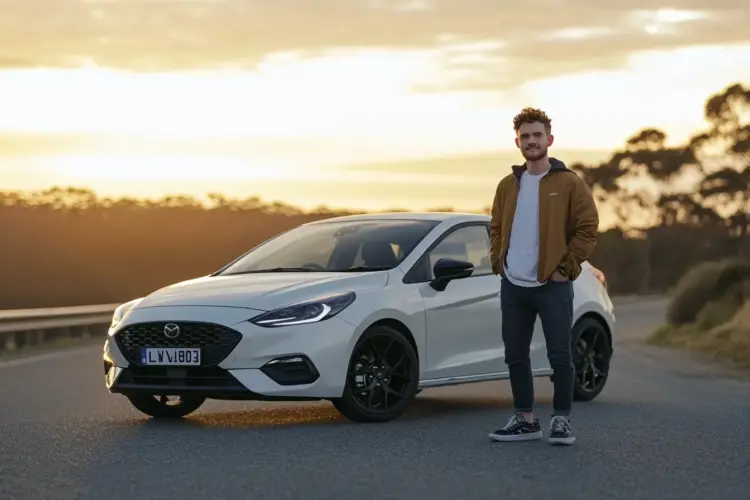
Introduction to Low-Priced Cars in Pakistan
When it comes to finding the most affordable wheels in Pakistan, the hunt can feel like navigating a maze. I’ve spent years exploring the automotive landscape here, and let me tell you, the competition is fierce. From compact hatchbacks to budget-friendly sedans, the market is flooded with options. But what truly defines a low-priced car? Is it just the sticker price, or does it include running costs, maintenance, and fuel efficiency? We’ll dive into all of that.
Pakistan’s car market is unique, shaped by local manufacturing, import policies, and consumer preferences. Brands like Suzuki, Toyota, and Honda dominate, but newer players are shaking things up. Whether you’re a first-time buyer or looking for a second car, understanding the lowest-priced options is crucial. In this article, I’ll break down everything you need to know, from specs to financing, so you can make an informed decision.
Key Takeaways
- The lowest-priced car in Pakistan balances affordability with essential features.
- Local manufacturing and import policies heavily influence pricing.
- Fuel efficiency and maintenance costs are critical factors for budget-conscious buyers.
- Financing options can make even the most affordable cars more accessible.
Test Your General Automotive Knowledge!
Overview of the Pakistani Car Market
The Pakistani car market is a fascinating mix of local assembly and imported vehicles. Brands like Suzuki, with their cheapest cars, have long been the go-to for budget buyers. Toyota and Honda cater to those willing to spend a bit more for reliability and comfort. But the landscape is changing. New entrants, especially from China, are offering competitive prices and modern features, shaking up the status quo.
One thing that stands out is the dominance of compact cars. With fuel prices soaring and urban roads congested, smaller, fuel-efficient models are in high demand. The government’s policies, including taxes and import duties, also play a huge role in shaping what’s available. For instance, locally assembled cars often come with lower price tags due to reduced taxes. It’s a complex ecosystem, but understanding it can help you snag the best deal.
Criteria for Defining Low-Priced Cars
Defining a low-priced car isn’t as simple as looking at the showroom price. I’ve learned that the true cost of ownership includes fuel efficiency, insurance, and maintenance. For example, a car with a low sticker price but poor mileage might end up costing more in the long run. That’s why we need to consider the total cost of ownership, not just the initial outlay.
Another factor is resale value. Some budget cars hold their value surprisingly well, making them a smarter investment. Features like air conditioning, power steering, and safety equipment also matter. A bare-bones model might save you money upfront, but will it meet your needs? We’ll explore these criteria in detail, helping you find the perfect balance between affordability and functionality. For more insights, check out our comprehensive buyer’s guide.
Overview of the Pakistani Car Market
The Pakistani car market is a vibrant and competitive space, with a mix of local and international brands vying for attention. From budget-friendly options to luxury vehicles, the market caters to a wide range of consumers. Over the years, the demand for affordable cars has surged, driven by rising fuel prices and economic constraints. This has led manufacturers to focus on producing cost-effective models without compromising on essential features.
One of the standout trends in recent years is the growing preference for compact and fuel-efficient cars. Brands like Suzuki, Toyota, and Honda dominate the market, offering reliable and economical options. The competition is fierce, with each brand striving to provide the best value for money. For those looking to buy their first car or upgrade to a more affordable option, understanding the market dynamics is crucial.
Criteria for Defining Low-Priced Cars
When we talk about low-priced cars, it’s not just about the sticker price. Several factors come into play, including maintenance costs, fuel efficiency, and resale value. A truly affordable car should be easy on the wallet not just at the time of purchase but throughout its lifecycle. This means considering everything from spare parts availability to after-sales service.
Another key criterion is the car’s suitability for Pakistani roads. Harsh weather conditions and uneven terrain demand a vehicle that’s durable and reliable. Features like a robust suspension system and efficient cooling are non-negotiable. Additionally, modern safety features, even in budget models, are becoming increasingly important for buyers. Balancing these factors is what makes a car genuinely low-priced and practical.
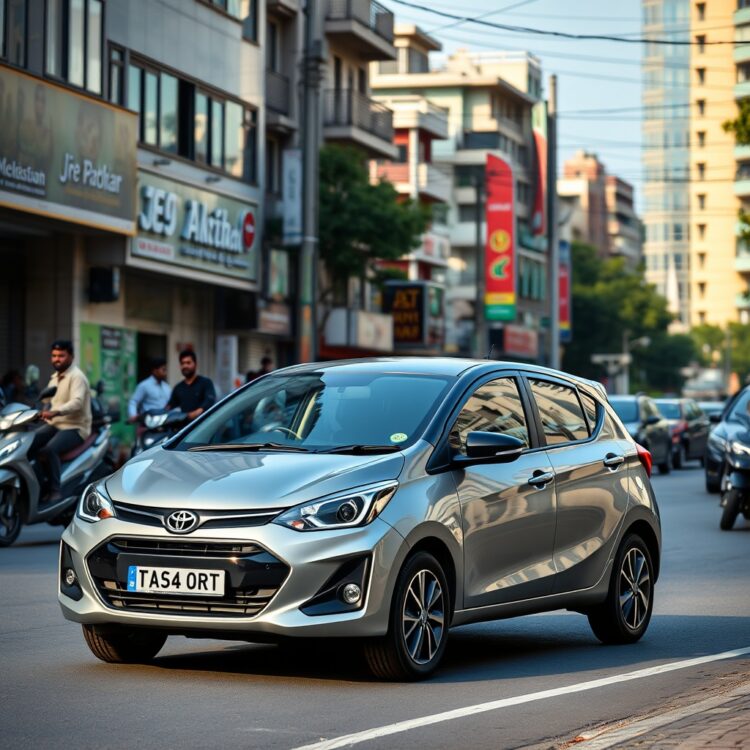
The Current Lowest-Priced Car in Pakistan
As of now, the title of the lowest-priced car in Pakistan goes to the Suzuki Alto. This compact car has been a favourite among budget-conscious buyers for years, thanks to its unbeatable price tag and impressive fuel efficiency. The Alto’s minimalist design and practical features make it an ideal choice for urban commuting. Its small size also makes it easy to manoeuvre through crowded city streets.
What sets the Suzuki Alto apart is its reliability. Despite its low cost, the car is known for its longevity and low maintenance requirements. The latest models come with upgraded interiors and basic safety features, making them even more appealing. For those looking to buy a car without breaking the bank, the Alto remains the top contender.
Features of the Lowest-Priced Car
When it comes to affordability, the lowest-priced car in Pakistan doesn’t skimp on essential features. We’ve taken a deep dive into what makes this model stand out, from its engine specs to its interior comfort. Whether you’re a first-time buyer or looking for a budget-friendly option, understanding these features will help you make an informed decision.
The car’s compact design is perfect for navigating Pakistan’s bustling streets, while its fuel efficiency ensures you save on running costs. It’s a practical choice for urban commuters and small families alike. Let’s break down the specifics to see why this car is a favourite among budget-conscious buyers.
Engine Specifications
Under the hood, the lowest-priced car boasts a modest yet reliable engine. With a displacement of around 660cc to 1000cc, it delivers enough power for city driving without guzzling fuel. The engine is designed for durability, making it a solid choice for long-term use. For those curious about performance, it’s worth noting that this car isn’t built for speed but for efficiency.
The lightweight construction further enhances its fuel economy, ensuring you get the most out of every litre. While it may not win any races, it’s a dependable workhorse for daily commutes. If you’re interested in engine longevity, this model is a great example of balancing performance and affordability.
Fuel Efficiency
One of the standout features of this car is its impressive fuel efficiency. With an average mileage of 20-25 km/l, it’s a cost-effective option for those looking to minimise expenses. The engine’s design prioritises low fuel consumption, making it ideal for stop-and-go traffic common in Pakistani cities.
For comparison, other cars in this segment often struggle to match this efficiency. If you’re keen on fuel-efficient cars, this model should be at the top of your list. It’s a smart choice for anyone looking to stretch their budget further.
Interior and Comfort
Inside, the car offers a no-frills but comfortable experience. The seats are designed for short to medium trips, with enough space for four adults. While the materials are basic, they’re durable and easy to maintain—a plus for families with young children.
The dashboard is straightforward, with essential controls within easy reach. For those who value simplicity, this car delivers. If you’re curious about interior features, this model proves that affordability doesn’t have to mean discomfort.
Comparing the Lowest-Priced Car with Competitors
How does the lowest-priced car stack up against its rivals? We’ve compared it with other budget-friendly models to see where it excels and where it falls short. The results might surprise you, especially if you’re weighing your options.
While competitors may offer slightly more features, they often come at a higher price. This car’s balance of cost and functionality makes it a standout choice. Let’s dive into the details to see how it measures up.
Pros and Cons of Owning the Lowest-Priced Car
Every car has its strengths and weaknesses, and this one is no exception. On the plus side, its affordability and fuel efficiency are hard to beat. It’s also easy to maintain, with readily available parts and a simple design.
However, the trade-offs include limited power and basic interior features. If you’re looking for a car that’s cheap to run but don’t mind sacrificing some comforts, this could be the perfect fit. For a deeper look at budget cars, this model is a prime example of value for money.
Financing Options for Low-Priced Cars
Buying a car, even a low-priced one, is a significant investment. Fortunately, there are several financing options available to make the process easier. Banks and dealerships often offer flexible payment plans tailored to budget-conscious buyers.
Leasing is another popular option, allowing you to drive a new car without the long-term commitment. Whether you’re looking for a loan or a lease, it’s worth exploring all your options to find the best deal. For more insights, check out this external guide on car financing.
Insurance Costs for Low-Priced Cars
When it comes to owning the lowest-priced car in Pakistan, insurance is a critical factor to consider. We often overlook this expense, but it can significantly impact your budget. Insurance premiums for low-priced cars are generally lower than those for high-end models, but they still vary based on factors like the car’s age, engine size, and your driving history. It’s essential to compare quotes from multiple providers to find the best deal.
Another aspect to consider is the type of coverage. While third-party insurance is mandatory, comprehensive coverage offers better protection. For those on a tight budget, third-party might seem appealing, but comprehensive insurance can save you from hefty repair costs in the long run. Always weigh the pros and cons before making a decision. For more insights on automotive insurance, check out our detailed guide.
Maintenance and After-Sales Service
Owning a low-priced car doesn’t mean compromising on maintenance. Regular servicing is crucial to keep your vehicle running smoothly. We recommend sticking to the manufacturer’s maintenance schedule to avoid unexpected breakdowns. Simple tasks like oil changes, tyre rotations, and brake inspections can extend the lifespan of your car and improve its performance.
Finding a reliable service centre is equally important. Authorised dealerships often provide better after-sales service, but independent garages can be more affordable. Look for reviews and ask for recommendations to ensure you’re getting quality service. For tips on routine maintenance, explore our expert advice.
Routine Maintenance Tips
Routine maintenance is the backbone of car ownership. We suggest keeping a log of all services and repairs to track your car’s health. Regularly check fluid levels, including engine oil, coolant, and brake fluid. These small steps can prevent major issues down the line. Additionally, inspect your tyres for wear and tear, as they play a vital role in safety and fuel efficiency.
Don’t ignore warning lights on your dashboard. They’re your car’s way of communicating potential problems. Addressing minor issues early can save you from costly repairs. For a deeper dive into car reliability, read our comprehensive review.
Finding Reliable Service Centers
Choosing the right service centre can make or break your car ownership experience. We advise opting for centres with certified technicians and good customer feedback. Authorised dealerships often use genuine parts, but independent garages might offer competitive pricing. Always ask for a detailed estimate before agreeing to any repairs to avoid surprises.
Building a relationship with a trusted mechanic can also be beneficial. They’ll understand your car’s history and provide personalised service. For more on car performance, check out our detailed analysis.

Future of Low-Priced Cars in Pakistan
The future of low-priced cars in Pakistan looks promising, with manufacturers focusing on affordability and efficiency. We’re seeing a shift towards smaller, fuel-efficient engines and hybrid technology. These advancements are making car ownership more accessible to the masses. Government policies, such as reduced taxes on small-engine cars, are also playing a significant role in this trend.
Electric vehicles (EVs) are another area to watch. While they’re currently expensive, prices are expected to drop as technology improves. For now, low-priced petrol and hybrid cars remain the most practical option for Pakistani consumers. Stay updated on the latest trends by exploring our cheapest cars guide.
Government Policies Affecting Low-Priced Cars
The Pakistani government has introduced several policies to make low-priced cars more accessible to the public. One of the most significant measures is the reduction of import duties on small-engine vehicles, which directly impacts affordability. Additionally, subsidies on locally manufactured cars encourage domestic production, ensuring competitive pricing. These policies aim to balance economic growth with consumer needs, making car ownership a reality for more families.
However, challenges like fluctuating fuel prices and stringent emission standards can affect the long-term viability of low-priced cars. The government’s focus on automotive industry reforms is crucial to sustaining this segment. By aligning policies with global trends, Pakistan can foster a robust market for budget-friendly vehicles while addressing environmental concerns.
User Reviews and Testimonials
Owners of the lowest-priced car in Pakistan often highlight its affordability and fuel efficiency as standout features. Many appreciate its compact size, which makes it ideal for navigating crowded city streets. However, some users note limitations in power and interior space, especially for long journeys. These testimonials provide valuable insights for potential buyers weighing pros and cons.
One recurring theme in reviews is the car’s reliability for daily commutes. Users frequently mention its low maintenance costs, a key factor for budget-conscious buyers. For those interested in exploring more about automotive options, these firsthand experiences offer a realistic perspective on what to expect from entry-level vehicles.
Tips for First-Time Buyers of Low-Priced Cars
If you’re a first-time buyer, start by setting a clear budget that includes not just the car’s price but also insurance, fuel, and maintenance costs. Research is your best ally—compare models, read reviews, and test-drive vehicles to find the best fit. Don’t overlook financing options; many dealerships offer instalment plans tailored to low-budget buyers.
Another tip is to prioritise after-sales service. A car’s affordability means little if servicing it becomes a hassle. Look for brands with a strong network of service centres. For more guidance, check out our automotive blog, where we delve deeper into making smart car-buying decisions.
Frequently Asked Questions
What is the cheapest car available in Pakistan?
The cheapest car in Pakistan is currently the Suzuki Alto, priced competitively to cater to budget-conscious buyers. Its compact design and fuel efficiency make it a popular choice for urban commuters.
Are low-priced cars reliable for daily use?
Yes, many low-priced cars are designed for reliability and daily commutes. However, it’s essential to research models and read user reviews to ensure they meet your specific needs.
What financing options are available for low-priced cars?
Most dealerships offer instalment plans, and banks provide auto loans with flexible terms. Comparing interest rates and down payment requirements can help you find the best deal.
How do government policies affect low-priced cars?
Policies like reduced import duties and subsidies on local manufacturing lower costs, making cars more affordable. However, emission standards and fuel prices can influence long-term ownership costs.
What should I consider before buying a low-priced car?
Factor in total costs, including insurance and maintenance. Test-drive the car, research its reliability, and ensure after-sales service is accessible in your area.