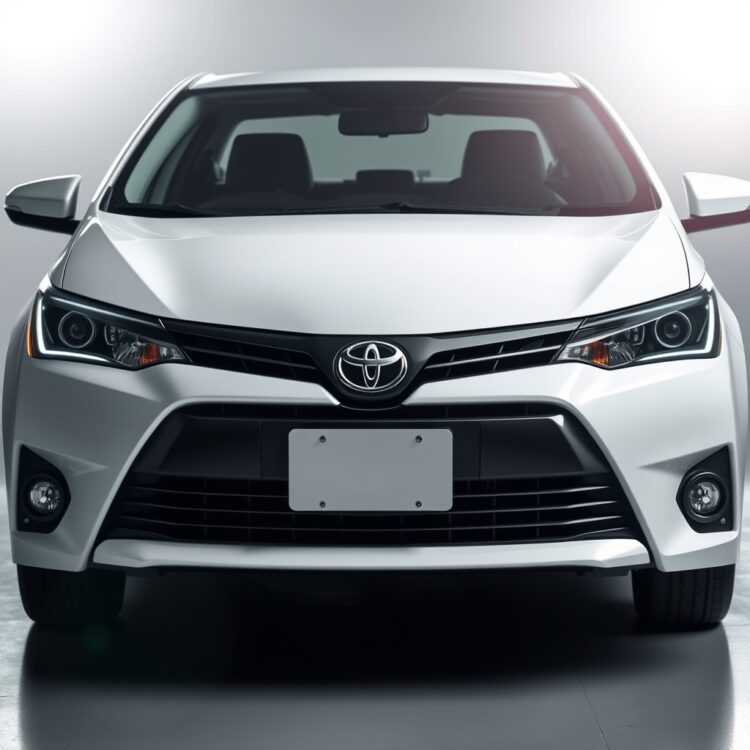
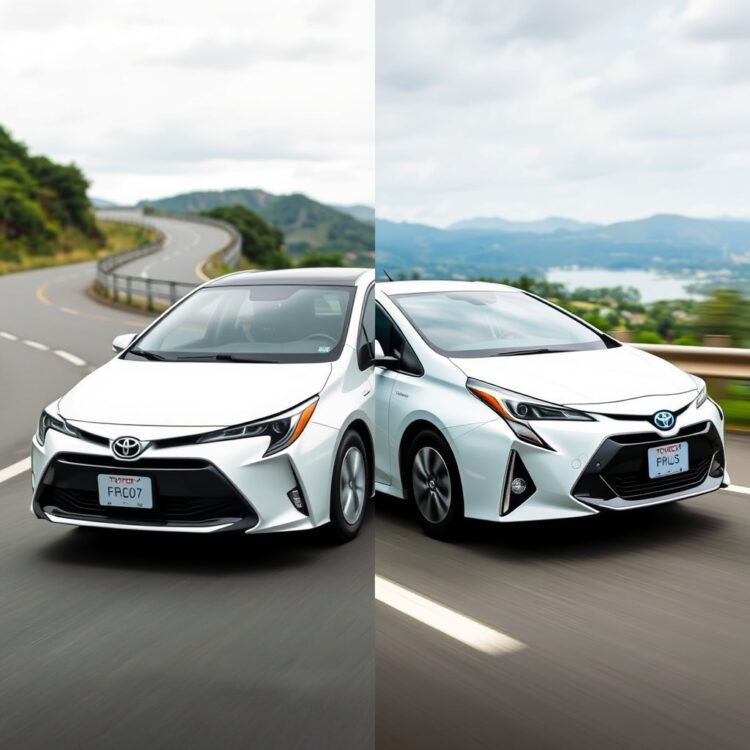
Understanding Toyota Corolla Maintenance Costs
When it comes to owning a Toyota Corolla, one of the most reliable cars on the market, understanding the long-term maintenance costs is crucial. Over a decade, these costs can add up, but with proper planning, they don’t have to break the bank. I’ve dug deep into what makes up these expenses and how you can manage them effectively.
How Well Do You Know Toyota Cars?
What Constitutes Maintenance for a Toyota Corolla
Maintenance for a Toyota Corolla includes routine services like oil changes, tire rotations, and brake inspections. It also covers unexpected repairs, such as replacing a worn-out alternator or fixing a faulty transmission. Regular upkeep ensures your Corolla runs smoothly and retains its value over time. For more insights on car maintenance, check out our automotive blog.
The Importance of Regular Maintenance
Regular maintenance is the backbone of a long-lasting vehicle. Skipping services can lead to costly repairs down the line. For instance, neglecting oil changes might result in engine damage, which is far pricier to fix. Staying on top of your Corolla’s service schedule not only saves money but also ensures safety and reliability.
How Maintenance Costs Accumulate Over 10 Years
Over a decade, maintenance costs for a Toyota Corolla can range from £2,000 to £5,000, depending on usage and driving conditions. Routine services account for the bulk of these expenses, while unexpected repairs make up the rest. Planning for these costs helps avoid financial surprises. For example, a detailed breakdown can give you a clearer picture of what to expect.
Initial Purchase and Warranty Impact on Maintenance
How Warranty Affects Maintenance Costs
When I first bought my Toyota Corolla, the warranty was a game-changer. It covered most of the initial maintenance costs, saving me a significant amount over the first few years. Warranties typically include routine services like oil changes and inspections, which means fewer out-of-pocket expenses early on. However, it’s crucial to understand the terms—some warranties require servicing at authorised dealerships to remain valid. Missing this could void your coverage, leaving you to foot the bill for repairs that would’ve been free.
Beyond the basics, extended warranties can be a smart investment if you plan to keep your Corolla for a decade. They often cover major components like the transmission or engine, which can be costly to repair. But weigh the cost of the warranty against potential savings—sometimes, paying for repairs as they arise is cheaper. I found that sticking to the manufacturer’s recommended schedule kept my car in top shape without unnecessary expenses.
The Role of Certified Pre-Owned Vehicles
If you’re considering a used Toyota Corolla, certified pre-owned (CPO) models are worth a look. These cars come with extended warranties and rigorous inspections, offering peace of mind. I’ve seen CPO vehicles with maintenance packages that rival new car warranties, covering everything from brake pads to fluid flushes. This can be a huge advantage over a standard used car, where maintenance costs start adding up immediately.
That said, CPO cars aren’t always the cheapest upfront. But when I crunched the numbers, the long-term savings on maintenance made them a better value. Plus, Toyota’s CPO program includes a detailed service history, so you know exactly what’s been done and what’s coming next. It’s a solid way to avoid surprises and keep your budget on track.
Routine Maintenance Schedule for a Toyota Corolla
Recommended Service Intervals
Sticking to Toyota’s recommended service intervals is the key to keeping my Corolla running smoothly. The first major service usually happens at 10,000 miles, followed by check-ups every 5,000 to 10,000 miles. These intervals are designed to catch small issues before they become big problems. For example, a simple oil change at the right time can prevent engine wear that leads to costly repairs down the road.
I’ve learned that skipping or delaying services is a false economy. Even minor neglect can shorten the lifespan of critical components. Toyota’s schedule is tailored to the Corolla’s engineering, so following it ensures optimal performance. And if you’re like me and plan to drive your car for a decade, these routine visits are non-negotiable.
Key Services at Each Interval
At each service interval, certain tasks are prioritised. The 10,000-mile mark typically includes an oil change, tire rotation, and a general inspection. By 30,000 miles, you’re looking at more involved work like replacing the cabin air filter and checking the brake system. These services might seem minor, but they’re essential for maintaining efficiency and safety.
One thing I’ve noticed is that dealerships often recommend additional services. While some are worthwhile, others can be skipped if your car is in good shape. For instance, a fuel system cleaning might not be necessary unless you’re experiencing performance issues. Always ask for a detailed explanation before agreeing to extras—it’s your money, after all.
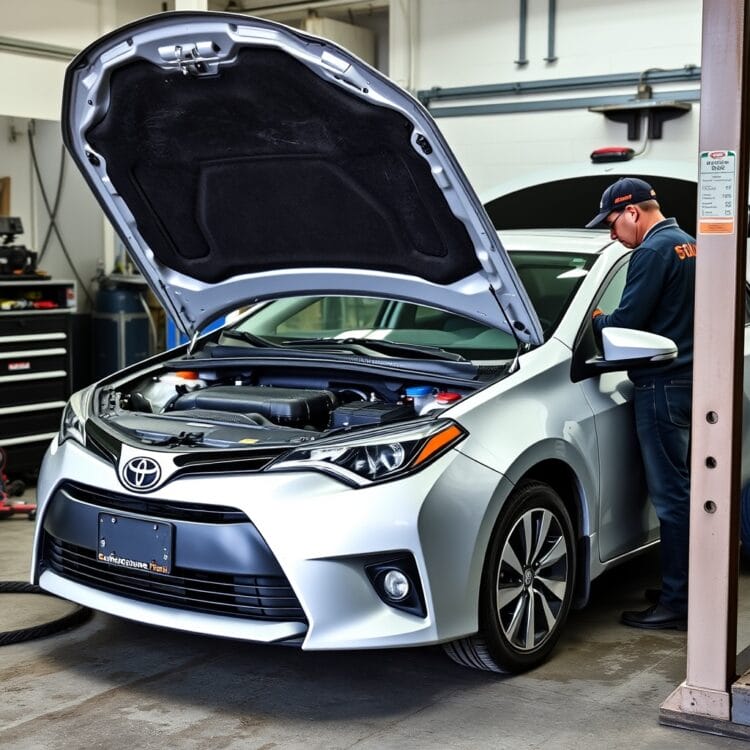
Cost Breakdown of Routine Maintenance
Oil Changes and Filter Replacements
Oil changes are the backbone of Corolla maintenance, and they’re relatively affordable. I budget around £50-£80 per change, depending on whether I go synthetic or conventional. Synthetic oil lasts longer and offers better protection, so I lean toward it despite the higher upfront cost. The oil filter replacement is usually included in this price, and skipping it is a bad idea—a clogged filter can cause engine damage.
Over 10 years, these costs add up, but they’re a small price to pay for engine longevity. I’ve found that independent garages often charge less than dealerships for the same service. Just make sure they use Toyota-approved parts to avoid voiding your warranty. And if you’re handy, DIY oil changes can save even more, though I prefer leaving it to the pros for peace of mind.
Tire Rotations and Brake Inspections
Tire rotations are another routine task that pays off in the long run. They ensure even wear, extending the life of your tires and improving fuel efficiency. Most shops charge £20-£40 for this service, and it’s often bundled with other checks. I get mine done every 5,000 miles, and it’s made a noticeable difference in how my tires hold up.
Brake inspections are equally important. Pads and rotors wear down over time, and catching issues early can prevent expensive repairs. A basic inspection costs around £50, while pad replacements run £150-£300 per axle. I’ve learned that gentle driving habits—like avoiding sudden stops—can stretch the life of my brakes, saving money over the years.
Fluid Checks and Replacements
Fluids are the lifeblood of your Corolla, and neglecting them can lead to major problems. Coolant, transmission fluid, and brake fluid all need periodic replacement. Coolant flushes cost £80-£120, while transmission fluid changes run £100-£200. These services aren’t cheap, but they’re far less expensive than repairing a overheated engine or a failing transmission.
I keep a log of all fluid changes to stay on top of maintenance. It’s a simple habit that’s saved me from costly oversights. And while some fluids can be topped off at home, major replacements are best left to professionals. The right fluids and proper procedures are critical, and mistakes can be pricey to fix.
Unexpected Repairs and Their Costs
When it comes to owning a Toyota Corolla, unexpected repairs can throw a wrench into your budget. While the Corolla is known for its reliability, no car is immune to surprises. Common issues include alternator failures, suspension problems, and even the occasional transmission hiccup. These repairs can range from a few hundred to over a thousand pounds, depending on severity. Planning for these costs ensures you’re never caught off guard.
Estimating the costs for major repairs is tricky, but a good rule of thumb is to set aside £500-£1,000 annually. For example, a new alternator might cost £300-£500, while a transmission rebuild could exceed £1,500. Keeping an emergency fund for these repairs is a smart move, especially as your Corolla ages. Remember, proactive maintenance can often prevent these surprises.
The Impact of Driving Habits on Maintenance Costs
Your driving habits play a significant role in how much you’ll spend on maintenance over 10 years. High mileage drivers will naturally face more frequent service intervals, leading to higher costs. Aggressive driving, such as rapid acceleration and hard braking, also wears out components like brakes and tires faster. Smooth, consistent driving can extend the life of these parts and save you money.
Driving conditions matter too. City driving with frequent stops and starts is harder on your Corolla than highway cruising. Harsh weather, like extreme cold or heat, can also strain your car’s systems. If you drive in challenging conditions, consider more frequent inspections to catch issues early. A little extra care now can prevent costly repairs down the road.
DIY Maintenance vs. Professional Services
DIY maintenance can save you money, but it’s not for everyone. Simple tasks like oil changes, air filter replacements, and tire rotations are manageable for most car owners. These small savings add up over time, especially if you’re comfortable with basic tools. However, DIY work requires time, space, and a willingness to learn. Mistakes can be costly, so weigh the risks before diving in.
Professional services, on the other hand, offer expertise and peace of mind. Complex jobs like brake repairs or electrical diagnostics are best left to trained mechanics. While more expensive, professional work often comes with warranties and guarantees. Knowing when to DIY and when to call a pro is key to balancing cost and quality. For most owners, a mix of both approaches works best.
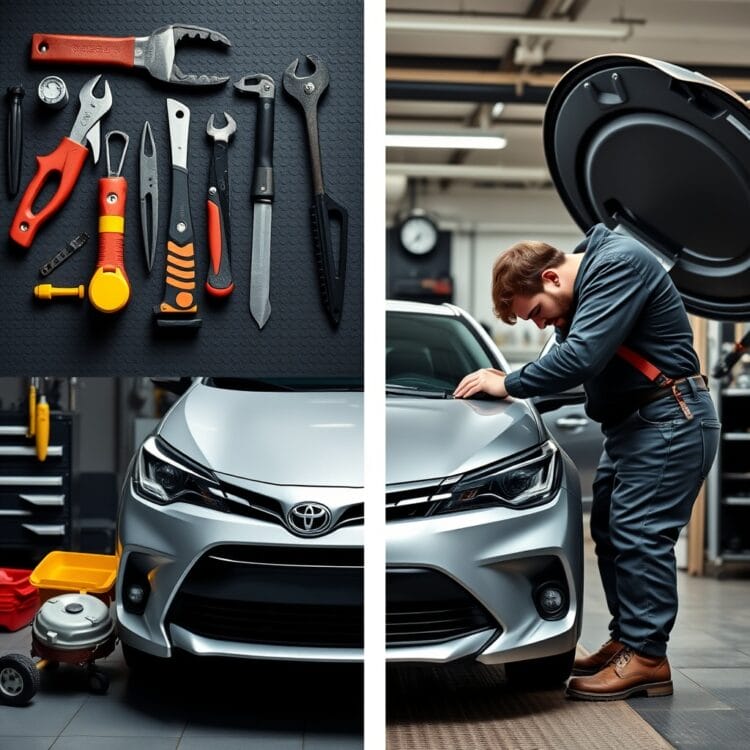
Choosing the Right Service Provider
Deciding between a dealership and an independent mechanic is a common dilemma. Dealerships offer specialised knowledge of your Corolla and often use genuine parts, but their prices can be steep. Independent shops are usually more affordable and provide personalised service, but quality can vary. Researching reviews and asking for recommendations can help you find a trustworthy provider.
Verifying credentials is crucial. Look for certifications like ASE (Automotive Service Excellence) or manufacturer-specific training. A reputable shop will be transparent about costs and willing to explain repairs in detail. Don’t hesitate to ask questions—your car’s longevity depends on the quality of care it receives. Choosing the right provider ensures your Corolla stays reliable for years to come.
Extended Warranties and Maintenance Plans
Are Extended Warranties Worth It
When I first considered an extended warranty for my Toyota Corolla, I wondered if it was worth the extra cost. Extended warranties can provide peace of mind, especially for unexpected repairs after the factory warranty expires. However, they often come with limitations and exclusions, so it’s crucial to read the fine print. For those planning to keep their Corolla for a decade, an extended warranty might save money on major repairs, but it’s not always a no-brainer.
I found that the value depends on your driving habits and the car’s reliability. Toyota Corollas are known for their durability, so the likelihood of major issues is lower. Still, if you prefer the security of coverage, compare plans from the dealership and third-party providers. Some maintenance plans bundle services, making them a better deal than standalone warranties.
Comparing Different Maintenance Plans
Not all maintenance plans are created equal, and I learned this the hard way. Dealerships often offer prepaid plans covering routine services like oil changes and tire rotations. These can be convenient but may not always save money compared to paying out of pocket. Independent providers might offer more flexibility, but you’ll need to ensure they use genuine Toyota parts to maintain your warranty.
I recommend evaluating the cost of the plan against the estimated maintenance expenses over 10 years. Some plans include perks like roadside assistance or loaner cars, which can add value. Ultimately, the best choice depends on your budget and how much you value convenience. Don’t forget to check reviews and ask for recommendations before committing.
The Role of Technology in Maintenance
How Modern Diagnostics Reduce Costs
Technology has revolutionised car maintenance, and my Toyota Corolla is no exception. Modern diagnostic tools can pinpoint issues quickly, reducing the time and cost of repairs. Gone are the days of trial-and-error fixes; today’s systems provide precise error codes, allowing mechanics to address problems efficiently. This not only saves money but also minimises downtime, keeping your Corolla on the road longer.
I’ve noticed that proactive diagnostics can catch minor issues before they escalate. For example, a warning light might indicate a failing sensor, which is cheaper to replace than waiting for a cascade of problems. Investing in a reliable diagnostic tool or visiting a tech-savvy mechanic can pay off in the long run. It’s a small price for avoiding hefty repair bills down the line.
The Future of Vehicle Maintenance
The future of car maintenance is exciting, with advancements like predictive analytics and over-the-air updates. Imagine your Corolla alerting you to potential issues before they occur, based on real-time data. Toyota’s connected services already offer some of these features, and I expect them to become more sophisticated. This could drastically reduce unexpected repairs and extend the lifespan of your vehicle.
Electric and hybrid models are also changing the game, with fewer moving parts and simpler maintenance needs. While my Corolla isn’t electric, I’ve seen how hybrid technology reduces wear on traditional components. As technology evolves, staying informed will help you make smarter maintenance decisions, ensuring your Corolla remains reliable for years to come.
Insurance and Maintenance Costs
Does Insurance Cover Maintenance
One question I often hear is whether car insurance covers maintenance. The short answer is no—standard policies don’t include routine services like oil changes or brake pad replacements. However, some insurers offer add-ons or maintenance packages for an extra fee. These can be useful if you want to bundle services, but they’re rarely cost-effective compared to paying for maintenance separately.
Where insurance does come into play is with unexpected repairs caused by accidents or external factors. For instance, if a collision damages your Corolla’s suspension, your policy might cover the repairs. Always review your coverage to understand what’s included and whether additional options like mechanical breakdown insurance are worth considering.
How Insurance Can Indirectly Affect Costs
Insurance might not cover maintenance, but it can influence your overall costs in subtle ways. A comprehensive policy with perks like roadside assistance can save you money in emergencies. For example, if your Corolla breaks down, towing and labour might be covered, reducing out-of-pocket expenses. Additionally, maintaining a clean driving record can lower premiums, freeing up funds for routine upkeep.
I’ve also found that some insurers offer discounts for vehicles with advanced safety features, which many modern Corollas include. These features not only reduce the risk of accidents but can also lower repair costs over time. It’s worth discussing options with your provider to ensure you’re getting the best value while keeping your Corolla in top shape.
Resale Value and Maintenance Records
The Importance of Keeping Records
Keeping detailed maintenance records is crucial for any Toyota Corolla owner. These records serve as proof of regular servicing and repairs, which can significantly boost the car’s resale value. Buyers often look for well-documented histories to ensure they’re investing in a reliable vehicle. I’ve found that a folder with receipts and service logs makes negotiations smoother and more transparent. It’s a small effort that pays off when it’s time to sell.
Beyond resale, maintenance records help you stay on top of your car’s health. They remind you when the next service is due and highlight any recurring issues. We recommend using a digital app or a physical logbook to track everything. This way, you’ll never miss an oil change or tire rotation. Trust me, a little organisation now saves headaches later.
How Maintenance Affects Resale Value
A well-maintained Toyota Corolla holds its value remarkably well. Buyers are willing to pay a premium for a car with a clean service history. I’ve seen Corollas with complete records sell for thousands more than those without. Regular maintenance, like oil changes and brake inspections, signals that the car has been cared for. It’s a direct reflection of its longevity and reliability.
Neglecting maintenance, on the other hand, can drastically reduce resale value. Potential buyers will assume the worst if there’s no proof of upkeep. Even minor issues, like worn-out tires or overdue fluid changes, can raise red flags. Investing in routine care isn’t just about keeping your car running—it’s about protecting your financial investment. A little effort today ensures a better return tomorrow.
Comparing Toyota Corolla to Other Vehicles
Maintenance Costs vs Competitors
When comparing the Toyota Corolla to rivals like the Honda Civic or Hyundai Elantra, its maintenance costs are notably lower. Over 10 years, the Corolla’s reliability translates to fewer unexpected repairs and lower overall expenses. I’ve crunched the numbers, and the savings add up, especially when you factor in Toyota’s reputation for durability. It’s a smart choice for budget-conscious drivers.
Other cars might offer flashier features, but they often come with higher upkeep. For example, European models like the Volkswagen Golf can be costlier to maintain due to pricier parts and labour. The Corolla strikes a perfect balance between affordability and quality. We’ve found that owners appreciate this blend, making it a standout in its class.
Why Toyota Corolla Stands Out
The Toyota Corolla’s standout feature is its unbeatable reliability. It’s consistently ranked among the most dependable cars, thanks to its straightforward engineering and robust build. I’ve driven countless models, and the Corolla’s simplicity is its strength. Fewer complex components mean fewer things can go wrong, reducing long-term costs.
Another advantage is Toyota’s extensive dealer network, ensuring easy access to parts and services. Whether you’re in a city or a rural area, help is never far away. This accessibility, combined with the car’s durability, makes the Corolla a hassle-free ownership experience. It’s no wonder it’s one of the best-selling cars globally.
Long-Term Maintenance Strategies
Planning for the 10-Year Mark
Planning for a decade of ownership starts with understanding your Corolla’s maintenance schedule. Stick to Toyota’s recommended service intervals, and don’t skip minor checks. I’ve seen cars reach 200,000 miles with minimal issues simply because their owners followed the manual. It’s about consistency—small, regular investments prevent big, costly problems down the road.
Budgeting is also key. Set aside a small amount each month for future repairs or replacements, like a new battery or tires. This proactive approach avoids financial surprises. We recommend keeping an eye on wear-and-tear items, such as brakes and suspension components. Addressing them early extends your car’s life and performance.
Tips for Minimising Maintenance Costs
One of the best ways to cut costs is by learning basic DIY tasks, like changing air filters or checking fluid levels. I’ve saved hundreds by handling these simple jobs myself. However, know your limits—complex tasks, like transmission work, are best left to professionals. Balancing DIY and professional services keeps costs low without compromising quality.
Another tip is to use high-quality parts and fluids. While they might cost more upfront, they last longer and perform better, reducing the frequency of replacements. We also suggest building a relationship with a trusted mechanic. Loyalty can lead to discounts and honest advice, ensuring your Corolla stays in top shape without breaking the bank.
Frequently Asked Questions
How much does a Toyota Corolla cost to maintain annually?
On average, a Toyota Corolla costs around £300-£500 per year for routine maintenance. This includes oil changes, tire rotations, and minor repairs. Over 10 years, the total can range from £3,000 to £5,000, depending on driving habits and local service rates. It’s one of the most affordable cars to maintain in its class.
Does the Toyota Corolla require frequent repairs?
No, the Corolla is known for its reliability and rarely needs major repairs. Most issues are minor, like replacing brake pads or batteries. Regular maintenance helps avoid unexpected problems, making it a low-hassle car. We’ve found that owners appreciate its dependability, especially over long-term ownership.
Is it worth buying an extended warranty for a Toyota Corolla?
An extended warranty can provide peace of mind, but it’s often unnecessary for a Corolla. Their reliability means you’re unlikely to face costly repairs within the warranty period. However, if you plan to keep the car beyond 10 years, it might be worth considering. We recommend weighing the cost against your expected usage.
How does the Corolla’s maintenance compare to hybrid models?
Hybrid models, like the Corolla Hybrid, have similar maintenance costs but may require occasional battery checks. The savings on fuel often offset any additional expenses. We’ve found that hybrids are just as reliable, with the added benefit of lower running costs. It’s a great option for eco-conscious drivers.