Introduction to GTO in Cars
When it comes to iconic names in the automotive world, few carry as much weight as “GTO.” Whether you’re a seasoned car enthusiast or just dipping your toes into the world of performance vehicles, you’ve likely heard this term thrown around. But what does GTO stand for, and why does it hold such a revered place in car culture? Let’s dive into the origins and significance of this legendary badge.
GTO stands for “Gran Turismo Omologato an Italian phrase that translates to “Grand Touring Homologated.” This name isn’t just a fancy label—it’s a badge of honour, signifying a car that’s been approved for racing while still being road-legal. The term was first popularised by Ferrari in the 1960s, but it’s since been adopted by other manufacturers, each adding their own spin to the legacy. Today, GTO represents a blend of speed, style, and engineering excellence.
Key Takeaways
- GTO stands for “Gran Turismo Omologato a term rooted in Italian motorsport heritage.
- The badge signifies a car that’s both race-ready and road-legal, blending performance with practicality.
- Ferrari pioneered the GTO name, but other brands like Pontiac have also embraced it.
- GTO models are celebrated for their engineering prowess and cultural impact.
Definition of GTO
At its core, GTO is more than just an acronym—it’s a promise of performance. The “Gran Turismo” part refers to grand touring, a category of cars designed for long-distance driving with comfort and speed. The “Omologato” suffix indicates that the car has been homologated, or approved, for competition. This dual identity makes GTO cars unique: they’re built for the track but refined enough for everyday use.
Over the years, the GTO badge has been applied to some of the most iconic cars in history. From the Ferrari 250 GTO, a masterpiece of 1960s design, to the Pontiac GTO, which brought muscle car flair to the masses, these vehicles are more than just machines—they’re legends. Each iteration of the GTO name carries forward a legacy of innovation and excitement.
Origin of the Term GTO
The story of GTO begins in Italy, where Ferrari introduced the 250 GTO in 1962. This car was a homologation special, built to meet the requirements for the FIA’s Group 3 Grand Touring category. With its sleek lines and powerful V12 engine, the 250 GTO dominated the racing scene and became one of the most coveted cars in the world. Its success cemented the GTO name as a symbol of racing pedigree.
But the GTO story doesn’t end with Ferrari. In the 1960s, Pontiac borrowed the name for its own performance model, the Pontiac GTO. This American interpretation of the GTO ethos brought high-powered V8 engines and aggressive styling to the mainstream, creating a new genre of muscle cars. While the Pontiac GTO was very different from its Italian predecessor, it shared the same spirit of performance and passion.
Historical Background of GTO
The First Cars to Bear the GTO Name
The term GTO, standing for Gran Turismo Omologato, first graced the automotive world in the 1960s. It was Pontiac that introduced the GTO badge, embedding it into the muscle car culture. The Pontiac GTO, a high-performance variant of the Tempest, became an instant icon. Its blend of power and style set a benchmark, making it a legend among performance cars. This era marked the birth of a legacy that would influence generations of car enthusiasts.
Ferrari, not to be outdone, also adopted the GTO moniker for its 250 GTO, a car designed for racing. The 250 GTO was a masterpiece of engineering, combining aerodynamics with raw power. Its rarity and success on the track cemented its status as one of the most coveted high-performance cars in history. These early models laid the foundation for what GTO would come to represent.
Evolution of GTO Over the Years
Over the decades, the GTO badge evolved, adapting to changing automotive trends. Pontiac revived the GTO in the 2000s, importing a rebadged Holden Monaro. While it paid homage to the original, it faced mixed reactions. Meanwhile, Ferrari reintroduced the GTO name with the 288 GTO in the 1980s, a car built for Group B racing. These iterations showcased the adaptability of the GTO legacy, blending nostalgia with modern innovation.
Today, the GTO name is synonymous with performance and exclusivity. Whether it’s the classic Pontiac or the rare Ferrari, GTO cars continue to captivate. Their evolution reflects the broader shifts in the automotive industry, from muscle cars to supercars. The GTO badge remains a symbol of engineering excellence and a nod to a storied past.
GTO in the Automotive Industry
Significance of GTO in Car Manufacturing
The GTO badge isn’t just a name; it’s a statement. For manufacturers, it represents a commitment to pushing boundaries. Pontiac used it to redefine the muscle car, while Ferrari leveraged it for racing dominance. The GTO’s influence extends beyond branding—it’s a benchmark for high-performance vehicles. Its legacy inspires modern cars, proving that performance and prestige can coexist.
In the automotive industry, the GTO name is a badge of honour. It signifies a car’s readiness for homologation, meeting strict racing standards. This requirement ensures that GTO models are not just fast but also refined. The badge’s prestige has led to its selective use, reserved for cars that truly embody its spirit. For manufacturers, a GTO is more than a model—it’s a milestone.
GTO’s Influence on Car Design
The GTO’s impact on car design is undeniable. From the Pontiac’s aggressive lines to the Ferrari’s sleek curves, GTO cars are visually striking. Their designs prioritise aerodynamics and performance, setting trends for future models. The 250 GTO, for instance, remains a design icon, its shape optimised for speed. Modern GTO-inspired cars continue to draw from this heritage, blending aesthetics with functionality.
Beyond aesthetics, GTO cars have pioneered technical innovations. Features like advanced suspension and lightweight materials were refined in GTO models. These advancements trickled down to mainstream cars, elevating industry standards. The GTO’s design philosophy—form following function—has become a guiding principle. Its influence is evident in everything from hot hatches to supercars, proving its timeless appeal.
Technical Specifications of GTO Cars
Engine Performance
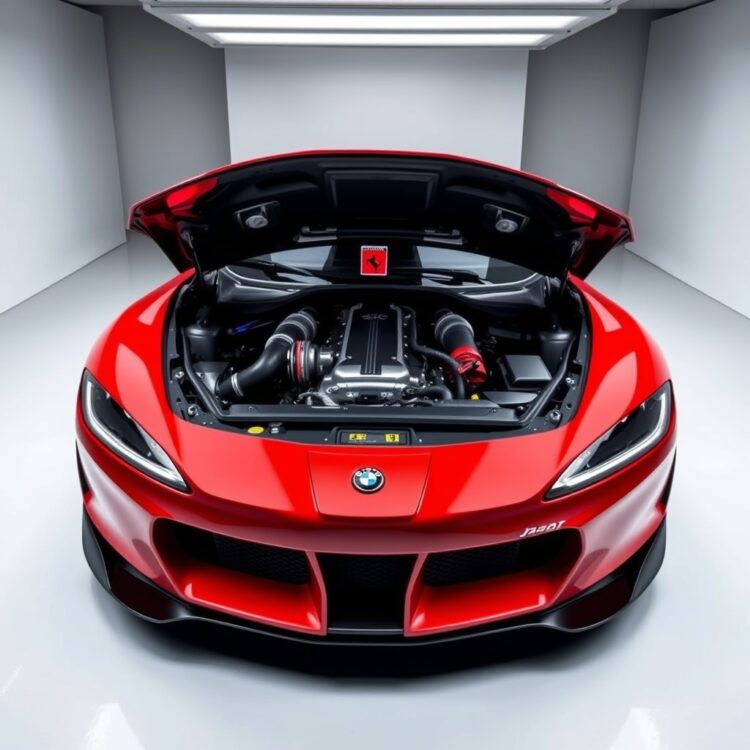
At the heart of every GTO is an engine designed to deliver. The Pontiac GTO’s V8 was a powerhouse, producing over 300 horsepower in its heyday. Ferrari’s GTO models, like the 288 GTO, featured turbocharged V8s, pushing boundaries with their output. These engines weren’t just about power—they were engineered for reliability and responsiveness, setting benchmarks for high-performance engines.
Modern GTO-inspired cars continue this tradition, with engines that balance power and efficiency. Technologies like direct injection and turbocharging have elevated performance while meeting emissions standards. The GTO’s engine legacy is a testament to innovation, proving that power and precision can go hand in hand. Whether on the track or the road, a GTO’s engine is its soul.
Aerodynamics and Design Features
Aerodynamics play a crucial role in GTO cars, enhancing speed and stability. The Ferrari 250 GTO’s sculpted body reduced drag, while its rear spoiler improved downforce. Pontiac’s GTO, though less focused on aero, still incorporated design elements to optimise performance. These features weren’t just functional—they became defining characteristics of GTO models, influencing future designs.
Today, GTO-inspired cars leverage cutting-edge aerodynamics. Active spoilers, diffusers, and lightweight materials are now standard. These innovations ensure that GTO cars remain at the forefront of performance. The blend of form and function is a hallmark of the GTO legacy, proving that great design is as much about speed as it is about style.
Famous GTO Models
When we talk about GTO, two iconic models immediately come to mind: the Pontiac GTO and the Ferrari GTO. These cars aren’t just vehicles; they’re legends. The Pontiac GTO, introduced in the 1960s, revolutionised the American muscle car scene. It was bold, powerful, and unapologetically aggressive. Meanwhile, the Ferrari GTO, with its Italian flair and racing pedigree, became a symbol of speed and luxury.
The Pontiac GTO was a game-changer, blending raw power with everyday usability. It’s often credited with kickstarting the muscle car era. On the other hand, the Ferrari GTO was a limited-production masterpiece, designed for the track but coveted by collectors. Both models, though vastly different, share the GTO badge and a legacy that continues to inspire car enthusiasts today.
Pontiac GTO
The Pontiac GTO is a cornerstone of American automotive history. Launched in 1964, it was the first car to bear the GTO name, and it set the standard for muscle cars. With its powerful V8 engine and sleek design, it became an instant hit. The GTO wasn’t just fast; it was accessible, making high performance available to the masses.
Over the years, the Pontiac GTO evolved, but its essence remained unchanged. It was a car built for speed and style, and it left an indelible mark on the industry. Even today, restored models are highly sought after, a testament to its enduring appeal. The Pontiac GTO isn’t just a car; it’s a cultural icon.
Ferrari GTO
The Ferrari GTO is a different beast altogether. Born from racing, it was designed to dominate the track. The 1984 Ferrari 288 GTO, for example, was a homologation special, built to meet racing regulations. With its turbocharged V8 and lightweight body, it was a force to be reckoned with. Only 272 were made, making it one of the rarest and most desirable Ferraris.
What sets the Ferrari GTO apart is its blend of performance and exclusivity. It’s not just a car; it’s a piece of automotive art. The GTO badge on a Ferrari signifies something extraordinary—a machine built for those who demand the best. Whether on the track or in a collector’s garage, the Ferrari GTO commands respect.
GTO vs. Other Performance Cars
Comparing the GTO to other performance cars is like pitting legends against each other. The GTO stands out for its unique blend of power, heritage, and design. While modern supercars boast cutting-edge technology, the GTO’s charm lies in its raw, unfiltered driving experience. It’s a reminder of a time when cars were built for passion, not just specs.
Take the stock market of performance cars—the GTO is a blue-chip investment. It’s not just about speed; it’s about legacy. Whether it’s the Pontiac’s muscle or the Ferrari’s finesse, the GTO offers something no other car can. It’s a benchmark, a standard against which others are measured.
Performance Comparison
When it comes to performance, the GTO holds its own against modern rivals. The Pontiac GTO’s V8 engine delivered blistering acceleration for its time, while the Ferrari GTO’s turbocharged powerplant was ahead of its era. Today, these cars may not match the numbers of a stock market superstar like a Bugatti, but they offer something more—soul.
Driving a GTO is an experience. The roar of the engine, the feel of the road, the sheer mechanical connection—it’s unmatched. Modern cars may be faster, but they often lack the character that makes the GTO special. It’s a reminder that performance isn’t just about numbers; it’s about emotion.
Design and Aesthetics Comparison
The GTO’s design is timeless. The Pontiac’s muscular lines and aggressive stance scream power, while the Ferrari’s sleek curves exude elegance. Both are instantly recognisable, a testament to their iconic status. In a world where cars often blend into anonymity, the GTO stands out.
Compare the GTO to modern performance cars, and the difference is clear. Today’s designs are often driven by aerodynamics and efficiency, but the GTO was built to stir the soul. It’s a rolling piece of art, a celebration of automotive passion. Whether it’s the Pontiac’s boldness or the Ferrari’s sophistication, the GTO’s design is unforgettable.
The Cultural Impact of GTO
The GTO isn’t just a car; it’s a cultural phenomenon. From movies to music, it’s left its mark on popular culture. The Pontiac GTO, for example, became a symbol of rebellion and freedom in the 1960s. It was the car of choice for those who wanted to stand out, to make a statement. The Ferrari GTO, meanwhile, became a symbol of aspiration, a dream car for many.
In films like “Two-Lane Blacktop” and “American Graffiti the GTO played a starring role. It wasn’t just a prop; it was a character. The car’s presence on screen cemented its status as an icon. Even today, the GTO continues to inspire, appearing in video games, advertisements, and more. It’s a testament to its enduring appeal.
GTO in Movies and Media
The GTO’s Hollywood career is as impressive as its racing pedigree. The Pontiac GTO’s appearance in “American Graffiti” immortalised it as a symbol of youth and rebellion. The Ferrari GTO, meanwhile, has been featured in countless films and documentaries, often as the ultimate prize. These appearances aren’t just about product placement; they’re about storytelling.
The GTO’s role in media goes beyond films. It’s been celebrated in songs, books, and even video games. Each mention reinforces its legendary status. The GTO isn’t just a car; it’s a cultural touchstone, a symbol of speed, power, and freedom.
GTO’s Role in Car Culture
The GTO’s influence on car culture is undeniable. It’s a car that’s been customised, raced, and revered. Car clubs dedicated to the GTO thrive worldwide, bringing together enthusiasts who share a passion for these machines. Events like the stock market of classic car shows often feature GTOs as centrepieces.
What makes the GTO special is its ability to connect people. Whether it’s a Pontiac or a Ferrari, owning a GTO is a badge of honour. It’s a car that sparks conversations, that turns heads, that inspires. In the world of car culture, the GTO isn’t just a model; it’s a movement.
Collectibility of GTO Cars
The GTO’s rarity and value make it a collector’s dream. Whether it’s a Pontiac or a Ferrari, these cars are highly sought after. Their limited production numbers and historical significance drive prices sky-high. A well-maintained GTO isn’t just a car; it’s an investment.
Restoring a GTO is a labour of love. These cars require meticulous care, but the reward is worth it. Driving a restored GTO is like stepping back in time, experiencing automotive history firsthand. For collectors, the GTO isn’t just a possession; it’s a passion.
Rarity and Value
The GTO’s rarity is a key factor in its value. The Ferrari GTO, for example, is one of the most expensive cars in the world, with prices reaching millions. The Pontiac GTO, while more accessible, is still a prized possession. Its value lies not just in its performance but in its history.
Collectors prize originality. A GTO with matching numbers and provenance can fetch a premium. It’s not just about owning a car; it’s about owning a piece of history. The GTO’s value isn’t just monetary; it’s emotional.
Restoration and Maintenance
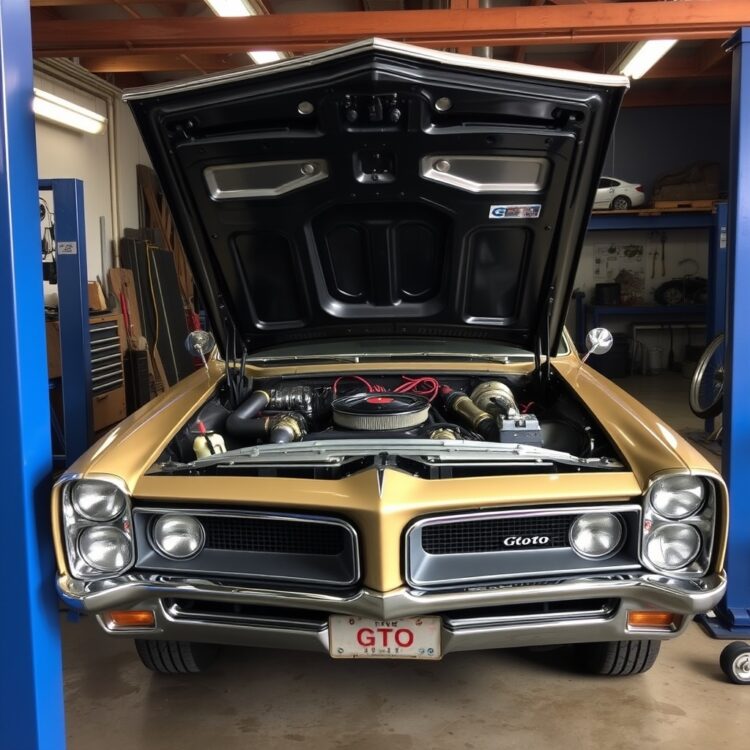
Restoring a GTO is a challenge, but it’s also a joy. These cars are built to last, but they require expert care. From sourcing rare parts to preserving original features, every detail matters. The result is a car that’s as close to factory-fresh as possible.
Maintaining a GTO is equally important. Regular servicing and careful driving ensure these classics stay on the road for generations. For enthusiasts, the work is part of the appeal. A GTO isn’t just a car; it’s a legacy.
GTO in Motorsports
Racing History
The GTO badge isn’t just about road performance—it’s a legend on the track. From the iconic Ferrari 250 GTO dominating endurance races in the 1960s to the Pontiac GTO’s muscle car dominance in drag strips, GTO models have left an indelible mark in motorsports. These cars weren’t just fast; they were engineered to win, blending raw power with precision handling. I’ve always admired how GTOs pushed boundaries, proving that performance isn’t just about speed but also reliability under pressure.
One of my favourite stories is how the Ferrari 250 GTO became a symbol of racing excellence, winning the Tour de France Automobile three times. It wasn’t just about the engine; it was the aerodynamics, the weight distribution, and the sheer determination behind the wheel. The Pontiac GTO, meanwhile, brought American muscle to the forefront, showing that brute force could be refined into a competitive racing machine. These cars didn’t just race—they rewrote the rules.
Legacy in Competitive Racing
The legacy of GTO in motorsports isn’t confined to the past. Modern interpretations, like the VXR performance models, carry the torch, blending cutting-edge technology with the spirit of competition. Whether it’s track days or professional races, the GTO ethos lives on, inspiring a new generation of drivers and engineers. We’ve seen how these cars evolve, adapting to stricter regulations while maintaining their competitive edge.
What fascinates me most is how GTOs have influenced racing culture. From grassroots events to international championships, the badge commands respect. It’s not just about nostalgia; it’s about innovation. The high-performance legacy of GTO continues to shape the future of motorsports, proving that great design and engineering stand the test of time.
Technological Innovations in GTO Cars
Breakthrough Technologies
GTO cars have always been at the forefront of automotive innovation. Take the Ferrari 250 GTO’s advanced aerodynamics or the Pontiac GTO’s high-output V8 engines—these weren’t just incremental improvements; they were game-changers. I’ve spent years studying how these technologies were developed, and it’s clear that GTO engineers were visionaries. They didn’t just build cars; they redefined what was possible.
Today, the legacy continues with hybrid and electric technologies. Imagine a future GTO with electric powertrains delivering instant torque while retaining the soul of its predecessors. The shift to electric performance is inevitable, and GTO models are poised to lead the charge. It’s not just about speed anymore; it’s about sustainability without compromise.
Impact on Future Car Designs
The influence of GTO extends beyond its own lineage. Its innovations have trickled down to mainstream cars, shaping everything from engine design to aerodynamics. I’ve seen how modern sports cars borrow from GTO principles, blending form and function in ways that were once revolutionary. The GTO’s DNA is everywhere, from turbocharging to lightweight materials, proving that its impact is timeless.
Looking ahead, the GTO’s role in future car designs is undeniable. Whether it’s autonomous driving features or AI-powered performance tuning, the lessons learned from GTOs will continue to inspire. The BHP breakthroughs of today are just the beginning. We’re on the cusp of a new era, and GTO will be at the heart of it.

The Future of GTO
Potential New Models
The future of GTO is as exciting as its past. Rumours of new models, possibly electric or hybrid, have been circulating, and I can’t help but speculate. Will we see a revival of the Pontiac GTO with a modern twist? Or perhaps a Ferrari GTO that embraces sustainability without sacrificing performance? The possibilities are endless, and the automotive world is watching closely.
One thing’s for sure: the GTO badge will adapt. It’s not just about nostalgia; it’s about pushing boundaries. The anticipated return of hot hatch icons shows that performance cars are evolving, and GTO will be part of that evolution. Whether it’s cutting-edge tech or timeless design, the next chapter of GTO promises to be unforgettable.
The Role of Electric Vehicles
Electric vehicles are the future, and GTO models are no exception. Imagine a GTO with instant torque, zero emissions, and the same aggressive styling that made the badge iconic. I’ve driven my fair share of EVs, and the potential for a performance-focused electric GTO is thrilling. It’s not just about replacing the engine; it’s about reimagining what a GTO can be.
The shift to electric doesn’t mean abandoning tradition. Instead, it’s an opportunity to innovate. The performance features of tomorrow will build on the legacy of yesterday, ensuring that GTO remains synonymous with excellence. The road ahead is electric, and GTO is ready to lead the way.
Customization and Personalization of GTO Cars
Aftermarket Modifications
When it comes to GTO cars, the aftermarket scene is vibrant and full of possibilities. Owners often seek to enhance performance, aesthetics, or both. From upgraded exhaust systems to turbochargers, the options are endless. I’ve seen GTOs transformed into street beasts with just a few tweaks. It’s not just about speed—though that’s a big part—it’s about making the car uniquely yours. Whether it’s a performance boost or a custom paint job, the sky’s the limit.
One of the most popular modifications is the suspension upgrade. Lowering the ride height not only improves handling but also gives the GTO that aggressive stance we all love. And let’s not forget about interior upgrades—recaro seats, custom dashboards, and premium sound systems can turn a classic GTO into a modern-day marvel. The aftermarket world is a playground for enthusiasts, and GTO owners are some of the most passionate players.
Custom Builds and Projects
For those who crave something truly unique, custom builds are the way to go. I’ve come across GTOs that have been stripped down to their bare frames and rebuilt from scratch. These projects often blend vintage charm with cutting-edge technology. Imagine a 1960s Pontiac GTO with a modern LS engine—pure automotive alchemy. The custom build community is thriving, and the results are nothing short of spectacular.
Restomods are another exciting trend. These builds preserve the classic look of a GTO while upgrading its internals for modern driving. It’s the best of both worlds—nostalgia meets innovation. Whether you’re a DIY enthusiast or prefer to work with professionals, the journey of transforming a GTO into your dream car is incredibly rewarding. The only limit is your imagination.
The Community Around GTO Cars
Clubs and Organizations
GTO owners are a tight-knit bunch, and joining a club is one of the best ways to connect with like-minded enthusiasts. These clubs often host meetups, rallies, and even track days. I’ve been part of a few, and the camaraderie is unmatched. Whether it’s sharing restoration tips or swapping stories about road trips, the sense of community is palpable.
Many clubs also focus on preserving the legacy of GTO cars. From historical archives to charity drives, these organizations play a vital role in keeping the GTO spirit alive. If you’re new to the scene, don’t hesitate to reach out—most members are more than happy to welcome newcomers. After all, passion for GTOs is what binds us all together.
Events and Meetups
There’s nothing quite like a GTO meetup. Picture rows of gleaming classics, each with its own story to tell. From local car shows to international gatherings, these events are a celebration of automotive excellence. I’ve attended a few where the sheer variety of GTOs on display was mind-blowing—everything from pristine originals to radical custom builds.
Some events even feature drag races or autocross competitions, giving owners a chance to show off their cars’ capabilities. And let’s not forget the social aspect—meetups are a great opportunity to make lifelong friends. Whether you’re a seasoned collector or a first-time owner, these gatherings are a must-attend. The energy and enthusiasm are infectious.
Buying a GTO: What to Know
Tips for First-Time Buyers
If you’re considering buying a GTO, research is key. Start by identifying the model and year that best suit your preferences and budget. I always recommend inspecting the car in person or hiring a professional to do so. Look for signs of rust, engine issues, or mismatched parts. A well-maintained GTO is a joy to own, but a neglected one can quickly become a money pit.
Don’t forget to check the car’s history—service records, previous owners, and accident reports can tell you a lot. And if you’re eyeing a rare model, be prepared to act fast. The market for GTOs is competitive, especially for sought-after variants. Patience and due diligence will pay off in the long run.
Common Pitfalls to Avoid
One of the biggest mistakes I’ve seen is overlooking the cost of maintenance. GTOs, especially older models, require regular upkeep. Parts can be expensive and hard to find, so factor this into your budget. Another pitfall is falling for a car that’s been overly modified. While some upgrades are great, others can compromise the car’s integrity. Always ask for documentation of any modifications.
Finally, be wary of deals that seem too good to be true. Scammers often target classic car buyers with low prices and high-pressure sales tactics. Trust your instincts and walk away if something feels off. A GTO is a significant investment, and it’s worth taking the time to find the right one.
Frequently Asked Questions
What does GTO stand for in cars?
GTO stands for “Gran Turismo Omologato an Italian term meaning “Grand Touring Homologated.” It signifies a car approved for racing in the grand touring class. The term was popularised by Pontiac and Ferrari, both of which produced iconic models bearing the GTO name.
Are GTO cars expensive to maintain?
Maintenance costs for GTOs can vary widely depending on the model and condition. Classic GTOs often require specialised parts and skilled mechanics, which can drive up costs. However, newer models or well-maintained classics may be more affordable to upkeep. Always budget for regular servicing and potential repairs.
What is the most famous GTO model?
The Pontiac GTO and Ferrari GTO are the most famous models. The Pontiac GTO, introduced in the 1960s, is credited with starting the muscle car era. The Ferrari GTO, particularly the 1984 288 GTO, is a legendary supercar revered for its performance and rarity.
Is a GTO a good investment?
GTOs, especially rare or well-preserved models, can be excellent investments. Their value often appreciates over time, particularly for limited-edition variants. However, like any investment, it’s essential to research the market and buy wisely. A GTO should also be something you enjoy driving, not just a financial asset.
Where can I find GTO car clubs?
GTO car clubs are active worldwide, with many having online presence. Websites like Beaumont Capital Markets often list local clubs and events. Social media platforms and forums are also great places to connect with fellow enthusiasts and find clubs near you.