Introduction to Transmission Systems in Cars
When it comes to driving, the transmission system is the unsung hero that makes everything possible. Whether you’re cruising down the motorway or navigating tight city streets, the way your car shifts gears plays a pivotal role in performance and comfort. I’ve spent years exploring the nuances of car mechanics, and today, I want to break down the differences between AGS and automatic transmissions—two systems that often get lumped together but are worlds apart.
For many drivers, the choice between an automatic transmission and an AGS (Automated Gear Shift) can be confusing. Both promise a smoother ride without the hassle of a clutch, but how they achieve this is where the magic lies. Let’s dive into the heart of these systems and uncover what sets them apart.
Key Takeaways
- Transmission Basics: The transmission system is crucial for transferring engine power to the wheels, impacting performance and efficiency.
- AGS vs. Automatic: AGS uses electronic actuators for gear shifts, while traditional automatics rely on hydraulic mechanisms.
- Fuel Efficiency: AGS systems are often more fuel-efficient, especially in stop-and-go traffic.
- Driving Comfort: Traditional automatics provide smoother shifts, making them ideal for comfort-focused drivers.
Overview of Car Transmission
At its core, a car’s transmission is responsible for transferring power from the engine to the wheels. It’s the middleman that ensures your car moves efficiently, whether you’re accelerating or decelerating. Traditional manual transmissions require driver input to shift gears, while automatics and AGS systems take over this task, offering a more relaxed driving experience.
But not all automatic systems are created equal. Some rely on hydraulic mechanisms, while others, like AGS, use electronic actuators to mimic manual shifts. Understanding these differences is key to choosing the right transmission for your needs.
Importance of Transmission in Vehicle Performance
The transmission isn’t just about convenience—it’s a critical component that impacts fuel efficiency, acceleration, and even the longevity of your engine. A well-designed transmission can make a car feel responsive and agile, while a poorly matched one can leave you frustrated at the wheel.
For example, AGS technology is often praised for its fuel efficiency, making it a favourite for city drivers. On the other hand, traditional automatics might offer smoother shifts, ideal for those who prioritise comfort. The choice ultimately depends on your driving habits and priorities.
Understanding Automatic Transmission
How Automatic Transmission Works
Automatic transmissions are a marvel of engineering, designed to shift gears seamlessly without driver input. They use a torque converter to transfer engine power to the wheels, paired with a planetary gear set for smooth transitions. Unlike manual transmissions, automatics rely on hydraulic pressure and sensors to determine the optimal gear, making driving effortless. This system is perfect for those who prioritise convenience, especially in stop-and-go traffic.
The beauty of an automatic lies in its simplicity for the driver. You just select “Drive” and let the car do the rest. Modern automatics even adapt to your driving style, offering sport or eco modes. Whether you’re navigating city streets or cruising on the motorway, an automatic transmission ensures a smooth ride. It’s no wonder they dominate the market, especially in urban environments where ease of use is key.
Types of Automatic Transmission
Not all automatics are created equal. The traditional torque converter automatic is the most common, but there are also CVT (Continuously Variable Transmission) and dual-clutch systems. CVTs eliminate gears entirely, using belts and pulleys for infinite ratios, which improves fuel efficiency. Dual-clutch transmissions, on the other hand, offer lightning-fast shifts, often found in performance cars.
Each type has its strengths. Torque converters are durable and smooth, CVTs excel in efficiency, and dual-clutch systems provide sporty responsiveness. Choosing the right one depends on your driving needs. For instance, if you love spirited driving, a dual-clutch might be ideal. But if fuel economy is your priority, a CVT could be the better option. Understanding these differences helps you make an informed decision.
Introduction to Automated Manual Transmission (AMT)
Basics of AMT
AMT, or Automated Manual Transmission, bridges the gap between manual and automatic systems. It’s essentially a manual gearbox with an automated clutch and gear-shifting mechanism. This setup offers the fuel efficiency of a manual with the convenience of an automatic. AMTs are often more affordable than traditional automatics, making them popular in budget-friendly cars.
However, AMTs can feel less refined than full automatics. Shifts may be slower and more noticeable, especially under heavy acceleration. Despite this, they’re a great option for drivers who want a taste of automation without the higher cost. Many manufacturers, like Suzuki, have embraced AMT technology for its balance of performance and affordability.
How AMT Differs from Traditional Manual Transmission
The key difference lies in the clutch. A traditional manual requires the driver to engage the clutch and shift gears manually. AMTs automate this process, using actuators to control the clutch and gear changes. This eliminates the need for a clutch pedal, simplifying the driving experience. However, the underlying mechanics remain similar to a manual, which means AMTs can be more efficient than torque converter automatics.
AMTs are often found in smaller cars and entry-level models. They’re a stepping stone for drivers transitioning from manual to automatic. While they may not offer the same smoothness as a full automatic, their cost-effectiveness and efficiency make them a compelling choice. For those who enjoy manual control but want occasional automation, AMTs strike a nice balance.
What is AGS (Automated Gear Shift)?
Definition and Functionality of AGS
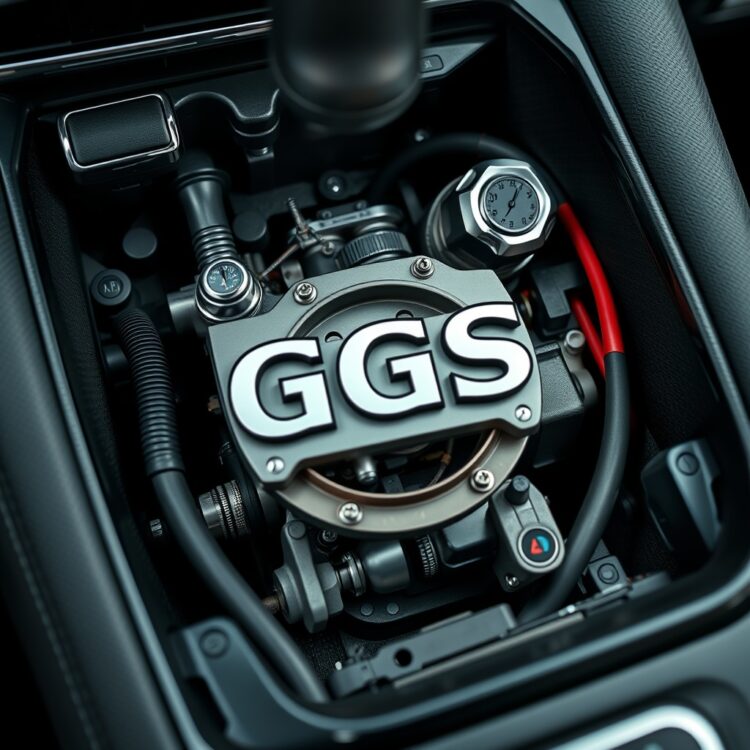
AGS, or Automated Gear Shift, is a type of AMT developed by manufacturers like Suzuki. It combines the efficiency of a manual transmission with the ease of an automatic. AGS systems use sensors and actuators to automate clutch and gear shifts, ensuring smooth transitions without driver input. This technology is ideal for urban driving, where frequent gear changes can be tedious.
One of the standout features of AGS is its adaptability. It can learn your driving habits and adjust shift patterns accordingly. For example, if you’re driving aggressively, it’ll hold gears longer for better acceleration. In eco mode, it’ll prioritise fuel efficiency by shifting early. This flexibility makes AGS a versatile option for a wide range of drivers.
The Technology Behind AGS
AGS relies on a combination of hardware and software to function. The system includes an electronic control unit (ECU), actuators for the clutch and gear shifts, and sensors to monitor driving conditions. The ECU processes data in real-time, ensuring timely and precise gear changes. This setup mimics the actions of a skilled manual driver but without the physical effort.
What sets AGS apart is its focus on simplicity and reliability. Unlike more complex automatics, AGS has fewer moving parts, reducing the risk of mechanical issues. It’s also lighter, which contributes to better fuel economy. For drivers who want the convenience of an automatic without sacrificing efficiency, AGS is a fantastic middle ground. It’s no surprise that it’s gaining traction in compact and budget-friendly cars.
Key Differences Between AGS and Automatic Transmission
Mechanism of Operation
When it comes to the mechanism of operation, AGS (Automated Gear Shift) and automatic transmissions couldn’t be more different. AGS is essentially a manual transmission with an automated clutch system, meaning it still relies on gears but removes the need for a clutch pedal. On the other hand, automatic transmissions use a torque converter or dual-clutch system to shift gears seamlessly without any driver input. The difference lies in the level of automation and the underlying technology.
For those who prefer a more hands-on driving experience, AGS offers a middle ground between manual and automatic. However, if you’re after effortless driving, an automatic transmission is the way to go. The choice between the two often boils down to personal preference and driving habits. For more insights into automotive technology, check out this detailed guide.
Efficiency and Fuel Economy
Fuel efficiency is a major consideration for many drivers, and here’s where AGS shines. Because it’s based on a manual transmission, AGS tends to be more fuel-efficient than traditional automatics, especially in stop-and-go traffic. Automatic transmissions, while improving, still lag slightly behind due to their heavier weight and energy losses in the torque converter.
That said, modern automatic transmissions with advanced features like CVT (Continuously Variable Transmission) are closing the gap. If fuel economy is your top priority, AGS might be the better option, but automatics are catching up fast.
Cost Implications
Cost is another critical factor. AGS systems are generally cheaper to manufacture and maintain compared to automatic transmissions. This makes cars equipped with AGS more affordable upfront and potentially cheaper to service over time. Automatic transmissions, with their complex components, often come with higher initial costs and maintenance bills.
However, the gap isn’t as wide as it once was. With advancements in technology, automatics are becoming more affordable, and their longevity is improving. If you’re on a tight budget, AGS might be the smarter choice, but don’t rule out automatics entirely—they’ve come a long way.
Performance Comparison
Acceleration and Speed
When it comes to acceleration and speed, automatic transmissions typically have the edge. Their ability to shift gears seamlessly means they can deliver smoother and quicker acceleration compared to AGS, which can sometimes feel jerky during gear changes. This makes automatics the preferred choice for performance-oriented drivers.
That said, AGS isn’t far behind. Modern AGS systems have improved significantly, offering faster shifts and better performance than their predecessors. If you’re looking for a balance between performance and efficiency, AGS is worth considering. For a deeper dive into performance metrics, explore this resource.
Driving Comfort and Ease
Driving comfort is where automatic transmissions truly excel. With no need to worry about gear changes or clutch control, automatics provide a stress-free driving experience, especially in heavy traffic. AGS, while easier than a manual, still requires some driver involvement, which can be a drawback for those seeking ultimate convenience.
On the flip side, AGS offers a more engaging drive, which some drivers prefer. It’s a matter of weighing comfort against engagement. If you’re torn between the two, test-driving both systems is the best way to decide.
Maintenance and Durability
Maintenance Requirements for AGS
AGS systems are relatively straightforward to maintain, thanks to their manual transmission roots. Regular clutch inspections and fluid changes are the primary requirements, making them less costly to service compared to automatics. However, the automated components can sometimes be a weak point, so it’s essential to follow the manufacturer’s maintenance schedule.
For those who prefer a hands-off approach, automatics might be more appealing, but AGS strikes a good balance between simplicity and modern convenience. If you’re curious about clutchless driving, this article provides valuable insights.
Maintenance Requirements for Automatic Transmission
Automatic transmissions require more meticulous maintenance due to their complexity. Regular fluid changes, filter replacements, and occasional software updates are necessary to keep them running smoothly. Neglecting these can lead to costly repairs down the line.
Despite the higher maintenance demands, automatics are built to last, especially with proper care. If you’re willing to invest in upkeep, an automatic transmission can serve you well for years. The key is staying proactive with maintenance.
Suitability for Different Driving Conditions

Urban Driving
In urban settings with frequent stops and starts, automatic transmissions are the clear winner. Their seamless gear changes make city driving effortless, while AGS can feel a bit clunky in heavy traffic. If you spend most of your time in the city, an automatic is likely the better choice.
That said, AGS is no slouch. Its fuel efficiency can be a boon in stop-and-go traffic, and some drivers appreciate the slight engagement it offers. It’s a trade-off between comfort and efficiency.
Highway Driving
On the highway, both AGS and automatic transmissions perform admirably. Automatics provide smooth cruising, while AGS offers better fuel economy. The choice here depends on your priorities—comfort or savings at the pump.
For long-distance drivers, the relaxed nature of automatics might be more appealing, but AGS is a solid alternative if you’re mindful of fuel costs.
Off-road Driving
Off-road driving presents unique challenges, and here, automatics often have the upper hand. Their ability to handle rough terrain without driver input is a significant advantage. AGS, while capable, requires more skill and attention from the driver.
If off-roading is your thing, an automatic transmission is likely the better fit. However, AGS can still hold its own if you’re up for a more involved driving experience.
User Experience and Feedback
Driver Preferences
When it comes to choosing between AGS and automatic transmission, driver preferences often hinge on familiarity and driving style. Many drivers who grew up with manual transmissions appreciate AGS for its semi-automatic feel, offering control without the clutch pedal. On the other hand, those who prioritise convenience and smoothness lean towards traditional automatic transmissions, which handle gear shifts seamlessly without driver input.
Interestingly, feedback from urban drivers highlights AGS as a cost-effective middle ground, while highway drivers often prefer the effortless cruising of automatics. The divide isn’t just about performance—it’s about how drivers connect with their cars. Whether it’s the tactile feedback of AGS or the hands-off ease of automatics, personal preference plays a huge role in the decision-making process.
Common Complaints and Praises
AGS systems aren’t without their critics. Some drivers report a noticeable lag during gear shifts, especially in stop-and-go traffic, which can feel jarring compared to the smoothness of automatics. However, praises for AGS often focus on its fuel efficiency and lower maintenance costs, making it a favourite among budget-conscious buyers. It’s a trade-off between immediacy and economy.
Automatic transmissions, meanwhile, are celebrated for their reliability and comfort, but they’re not immune to criticism. Higher repair costs and slightly reduced fuel efficiency are common gripes. Yet, for many, the convenience outweighs these drawbacks. It’s a classic case of “you get what you pay for,” with automatics offering a premium experience at a premium price.
Technological Advancements in Transmission Systems
Innovations in AGS
The evolution of AGS technology has been nothing short of impressive. Modern systems now feature faster shift times and improved algorithms to reduce lag, bridging the gap between manual and automatic driving experiences. Innovations like clutchless driving have revolutionised the market, appealing to drivers who want control without the hassle of a clutch pedal.
Manufacturers are also integrating AGS with hybrid and electric powertrains, showcasing its versatility. These advancements aren’t just about performance—they’re about sustainability too. By optimising gear shifts for efficiency, AGS systems are helping reduce emissions without sacrificing driving pleasure. It’s a win-win for tech-savvy and eco-conscious drivers alike.
Future of Automatic Transmissions
Automatic transmissions are far from stagnant. The rise of dual-clutch and continuously variable transmissions (CVTs) has redefined what automatics can do. These systems offer smoother shifts and better fuel economy, addressing traditional weaknesses. With the integration of AI and machine learning, future automatics could adapt to individual driving styles in real time, creating a truly personalised experience.
Electric vehicles (EVs) are also shaping the future of automatics. Many EVs forgo traditional transmissions altogether, relying on single-speed gearboxes for simplicity. However, as EV technology matures, we might see a resurgence of multi-speed automatics to optimise performance and range. The future is bright, and automatics are at the forefront of this innovation.

Market Availability and Options
Cars Offering AGS
AGS is gaining traction, especially in budget and compact car segments. Models like the Suzuki Alto VXR showcase how AGS can deliver performance and affordability in one package. These cars appeal to urban drivers who want a balance of control and convenience without breaking the bank. It’s a niche that’s growing rapidly, with more manufacturers jumping on board.
European and Asian markets, in particular, are embracing AGS for its fuel efficiency and lower emissions. As regulations tighten, we can expect to see even more AGS-equipped models hitting the roads. It’s a trend driven by both consumer demand and environmental necessity, making AGS a key player in the future of urban mobility.
Popular Models with Automatic Transmission
Automatic transmissions dominate the premium and family car markets. Brands like BMW, Mercedes, and Toyota offer a wide range of models with advanced automatic systems, catering to drivers who prioritise comfort and luxury. The Vauxhall Astra and Ford Focus are prime examples of how automatics have become the standard for everyday driving.
Even in the SUV and off-road segments, automatics are the go-to choice for their reliability and ease of use. With options ranging from traditional torque converters to cutting-edge CVTs, there’s an automatic transmission for every need. The market is vast, and automatics continue to set the benchmark for what drivers expect from their vehicles.
Cost of Ownership
Initial Purchase Price
When comparing AGS and automatic transmissions, the initial purchase price is a significant factor. AGS systems, being a simplified version of automated manual transmissions, are generally more affordable than traditional automatics. This makes them an attractive option for budget-conscious buyers. However, automatic transmissions, with their advanced technology and smoother performance, often come at a premium. Weighing the upfront cost against long-term benefits is crucial.
For example, cars equipped with AGS, like the Suzuki Alto VXR AGS, offer a cost-effective entry point into automated driving. On the other hand, models with conventional automatics, such as the Ford Focus, command higher prices due to their refined mechanics. Your choice depends on whether you prioritise affordability or advanced features.
Long-term Costs
Beyond the purchase price, long-term costs play a pivotal role in deciding between AGS and automatic transmissions. AGS systems, with fewer moving parts, typically incur lower maintenance expenses. However, their clutch mechanisms may require more frequent attention compared to the robust torque converters in automatics. This balance between simplicity and durability affects your wallet over time.
Automatic transmissions, while pricier to maintain, often offer better fuel efficiency in modern iterations, offsetting some costs. For instance, the Vauxhall Astra VXR with an automatic gearbox might save you money on fuel in the long run. Evaluating these factors ensures you make an informed decision tailored to your driving habits and financial goals.
Choosing the Right Transmission for Your Needs
Factors to Consider
Selecting between AGS and automatic transmissions hinges on several factors. Driving conditions, for one, are critical. AGS excels in urban settings with stop-and-go traffic, thanks to its seamless gear shifts. Conversely, automatics shine on highways, delivering effortless cruising. Your daily commute and driving style should guide your choice, ensuring optimal performance and comfort.
Another consideration is technological preference. If you value cutting-edge features like paddle shifters or adaptive driving modes, automatics are the way to go. However, if simplicity and cost-efficiency appeal to you, AGS systems, such as those in the latest Suzuki models, offer a compelling alternative. Balancing these elements ensures a satisfying driving experience.
Recommendations Based on Driving Habits
For city dwellers, AGS is a practical choice. Its clutchless operation reduces driver fatigue in heavy traffic, making it ideal for short, frequent trips. On the other hand, long-distance drivers will appreciate the smoothness and reliability of automatic transmissions. These systems, like those in the Vauxhall VXR series, enhance comfort during extended journeys.
Ultimately, your decision should reflect your lifestyle. Test-driving both transmission types can provide valuable insights, helping you determine which aligns best with your needs. Whether you prioritise affordability, performance, or convenience, there’s a transmission system tailored to your preferences.
The Future of Car Transmissions
Trends in Transmission Technology
The automotive industry is witnessing rapid advancements in transmission technology. AGS systems are evolving to offer smoother shifts and improved efficiency, bridging the gap with automatics. Meanwhile, automatics are incorporating hybrid and electric powertrains, enhancing sustainability. These innovations promise a future where drivers enjoy the best of both worlds—performance and eco-friendliness.
For instance, the latest automotive trends highlight the integration of AI in transmissions, optimising gear changes for maximum efficiency. As these technologies mature, the line between AGS and automatics may blur, offering drivers unparalleled flexibility and control. Staying informed about these developments ensures you’re prepared for the next generation of vehicles.
The Shift Towards Electric Vehicles
Electric vehicles (EVs) are redefining transmission systems. Unlike traditional cars, EVs often use single-speed transmissions, eliminating the need for complex gearboxes. This shift simplifies maintenance and reduces costs, appealing to environmentally conscious buyers. However, some manufacturers are experimenting with multi-speed transmissions for EVs, aiming to enhance performance and range.
As the industry moves towards electrification, the relevance of AGS and automatic transmissions may diminish. Yet, for now, they remain vital components of conventional and hybrid vehicles. Understanding this transition helps you make future-proof decisions, whether you’re buying a car today or planning for tomorrow.
Frequently Asked Questions
Is AGS more fuel-efficient than automatic transmission?
AGS systems are generally more fuel-efficient in city driving due to their lighter weight and simpler mechanics. However, modern automatics with advanced torque converters can match or even surpass AGS in highway conditions. Your driving environment plays a key role in determining which system offers better efficiency.
Which transmission requires less maintenance?
AGS transmissions, with fewer components, often require less maintenance than automatics. However, their clutch systems may need periodic adjustments. Automatics, while more complex, are built for durability, especially in high-mileage scenarios. Regular servicing ensures longevity for both systems.
Can I switch between manual and automatic modes in AGS?
Yes, many AGS systems offer a manual mode, allowing drivers to override automatic gear changes. This feature provides greater control, especially in challenging driving conditions. However, the experience differs from a traditional manual transmission, as AGS lacks a physical clutch pedal.
Are automatic transmissions better for towing?
Automatic transmissions are typically better suited for towing due to their robust torque converters and smoother power delivery. They handle heavy loads more effectively than AGS systems, which may struggle with prolonged stress. If towing is a priority, an automatic is the safer choice.
Will electric cars make AGS and automatics obsolete?
While EVs are shifting the focus away from traditional transmissions, AGS and automatics will remain relevant for hybrid and conventional vehicles in the near future. However, as EV adoption grows, their role may diminish, paving the way for simpler, single-speed systems.