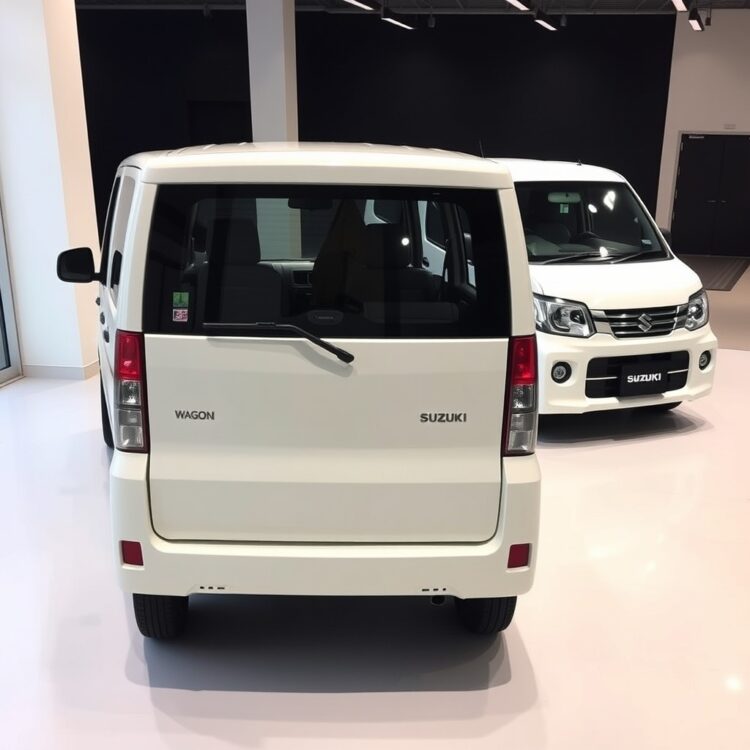
Introduction to Suzuki AGS Technology
When it comes to innovative automotive technology, Suzuki has always been a frontrunner, and their Auto Gear Shift (AGS) system is no exception. I’ve spent years exploring the intricacies of car transmissions, and Suzuki’s AGS stands out as a game-changer for drivers who crave the simplicity of an automatic with the control of a manual. It’s a brilliant fusion of efficiency and convenience, designed to make driving smoother and more enjoyable.
We’ve all experienced the frustration of stop-and-go traffic or the hassle of shifting gears in a manual car. That’s where Suzuki’s AGS comes in. By automating the clutch and gear shifts, it eliminates the need for constant pedal work while retaining the thrill of manual driving. Whether you’re a city commuter or a weekend adventurer, this technology adapts seamlessly to your needs.
Key Takeaways
- Suzuki AGS combines the best of manual and automatic transmissions for a hassle-free driving experience.
- It enhances fuel efficiency and reduces maintenance costs compared to traditional automatics.
- The system is lightweight and cost-effective, making it ideal for budget-conscious drivers.
- AGS is available in a range of Suzuki models, from hatchbacks to SUVs.
What is Suzuki AGS?
Suzuki’s Auto Gear Shift (AGS) is a clutchless manual transmission that automates gear shifts while retaining the mechanical simplicity of a manual gearbox. I’ve driven countless cars, and what strikes me about AGS is how effortlessly it bridges the gap between manual and automatic. Unlike a conventional automatic, which relies on a torque converter, AGS uses an actuator to control the clutch and gear shifts, ensuring a more direct and efficient power delivery.
For those who love the control of a manual but hate the clutch pedal, AGS is a revelation. It’s like having a co-pilot who handles the tedious parts while you focus on the road. And because it’s based on a manual transmission, it’s lighter and more fuel-efficient than traditional automatics. If you’re curious about how this compares to other transmission types, the differences are fascinating.
The Evolution of AGS in Suzuki Cars
Suzuki didn’t just stumble upon AGS—it’s the result of years of innovation. I remember when the first AGS models hit the market; they were a breath of fresh air for drivers tired of compromising between manual and automatic. Over time, Suzuki has refined the technology, making it smoother, more responsive, and available in more models. From the compact Alto to the versatile Swift, AGS has become a staple in Suzuki’s lineup.
What’s truly impressive is how Suzuki has adapted AGS to suit different driving conditions. Whether you’re navigating tight city streets or cruising on the highway, the system adjusts seamlessly. And with the latest AGS versions, features like hill-hold assist and improved shift logic make driving even more intuitive. It’s a testament to Suzuki’s commitment to innovation and driver satisfaction.
Understanding How Suzuki AGS Works
Suzuki’s Automated Gear Shift (AGS) technology is a marvel of engineering, blending the best of manual and automatic transmissions. At its core, AGS retains the mechanical simplicity of a manual gearbox but adds an automated actuator and control unit to handle gear shifts. This means you get the fuel efficiency of a manual without the hassle of a clutch pedal—perfect for urban driving.
The system operates seamlessly, whether you’re in ‘Automatic’ or ‘Manual’ mode. In ‘Automatic’, the car shifts gears for you, while ‘Manual’ mode lets you take control via paddle shifters or the gear lever. It’s like having two transmissions in one, offering flexibility for every driving scenario. For more on how AGS compares to traditional automatics, check out this detailed guide.
The Manual Gearbox in AGS
Unlike conventional automatics, AGS uses a manual gearbox as its foundation. This design choice keeps the system lightweight and efficient, which is why Suzuki cars with AGS often outperform their fully automatic counterparts in fuel economy. The gearbox is robust, designed to handle the actuator’s inputs without compromising durability.
The beauty of this setup is its simplicity. By avoiding the complexity of a torque converter or planetary gears, AGS reduces maintenance costs and extends the lifespan of the transmission. It’s a win-win for drivers who want reliability without sacrificing performance.
The Role of the Actuator and Control Unit
The actuator is the unsung hero of AGS, physically moving the gear lever to change gears. It’s controlled by an electronic unit that monitors speed, throttle input, and engine load to determine the optimal shift points. This ensures smooth, timely gear changes, whether you’re crawling in traffic or accelerating onto a motorway.
The control unit’s intelligence is what sets AGS apart. It adapts to your driving style, learning when you prefer quicker shifts for sporty driving or smoother transitions for comfort. This adaptability makes AGS a joy to drive, whether you’re a seasoned enthusiast or a first-time car owner.
Operating in ‘Automatic’ Mode
In ‘Automatic’ mode, AGS feels like a conventional automatic transmission—just without the lag or inefficiency. The system shifts gears seamlessly, prioritising fuel economy and comfort. It’s ideal for stop-start city driving, where constant gear changes can be tedious with a manual.
What’s impressive is how AGS anticipates your needs. It downshifts early for overtaking and holds gears longer when climbing hills. This proactive approach ensures you’re always in the right gear, making driving effortless and enjoyable.
Operating in ‘Manual’ Mode
Switch to ‘Manual’ mode, and AGS transforms into a semi-automatic, letting you take full control. Use the paddle shifters or gear lever to upshift or downshift, just like in a racing car. This mode is perfect for spirited driving or when you need precise control, such as on winding roads or towing.
The responsiveness in ‘Manual’ mode is exceptional. There’s no delay between your input and the gear change, giving you a connected, engaging driving experience. It’s the best of both worlds—convenience when you want it, control when you need it.
Key Components of Suzuki AGS System
The AGS system comprises three main components: the gearbox, actuator, and control unit. Each plays a critical role in delivering the smooth, efficient performance Suzuki is known for. Together, they create a transmission that’s both advanced and reliable, perfect for modern drivers.
For a deeper dive into how these components work, explore the latest AGS features. This resource breaks down the tech behind Suzuki’s innovative transmission.
The Gearbox
The gearbox in AGS is a manual unit, chosen for its efficiency and durability. It’s paired with an automated shifting mechanism, eliminating the need for a clutch pedal. This hybrid design ensures you get the fuel economy of a manual with the convenience of an automatic.
Suzuki’s engineers have fine-tuned the gear ratios to maximise performance and efficiency. Whether you’re cruising on the motorway or navigating city streets, the gearbox ensures the engine operates in its optimal range, saving fuel and reducing wear.
The Actuator
The actuator is the muscle of the AGS system, physically moving the gear lever to change gears. It’s a precise, high-speed component that ensures quick, smooth shifts every time. Unlike traditional automatics, there’s no hydraulic lag—just instant, mechanical gear changes.
This component is built to last, with robust materials and minimal moving parts. It’s a testament to Suzuki’s commitment to reliability, ensuring your AGS system performs flawlessly for years to come.
The Control Unit
The control unit is the brain behind AGS, constantly monitoring driving conditions to optimise gear shifts. It uses inputs from the engine, throttle, and speed sensors to determine the perfect shift points, whether you’re in ‘Automatic’ or ‘Manual’ mode.
What’s remarkable is its adaptability. The control unit learns your driving habits over time, adjusting shift patterns to suit your style. This personalised touch makes AGS one of the smartest transmissions on the market.
Advantages of Suzuki AGS Technology

Suzuki’s AGS technology offers a host of benefits, from fuel savings to reduced maintenance costs. It’s designed to make driving easier and more economical, without compromising on performance. Whether you’re a daily commuter or a weekend adventurer, AGS enhances every journey.
For a closer look at how AGS stacks up against other transmissions, check out this guide to CVT technology. It’s a great resource for understanding the broader landscape of modern transmissions.
Enhanced Fuel Efficiency
AGS shines when it comes to fuel economy. By retaining the mechanical efficiency of a manual gearbox and automating the shifts, it eliminates the energy losses associated with traditional automatics. The result? Lower fuel consumption and fewer trips to the pump.
Suzuki’s tuning ensures the engine always operates in its most efficient range. Whether you’re accelerating or cruising, AGS keeps fuel usage to a minimum, saving you money and reducing your environmental footprint.
Reduced Maintenance Costs
With fewer moving parts than a conventional automatic, AGS is simpler and cheaper to maintain. There’s no torque converter to wear out or complex hydraulic systems to service. Just reliable, mechanical shifting that stands the test of time.
This simplicity translates to lower long-term costs. Fewer components mean fewer things that can go wrong, making AGS a smart choice for budget-conscious drivers who don’t want to compromise on quality.
Ease of Driving
AGS takes the stress out of driving, especially in heavy traffic. No more clutch pedal or constant gear changes—just smooth, effortless shifts. It’s perfect for new drivers or anyone who prefers a relaxed driving experience.
Yet, when you want to take control, ‘Manual’ mode delivers. The paddle shifters provide a sporty, engaging feel, proving that convenience doesn’t have to come at the expense of fun.
Cost-Effectiveness
AGS strikes a perfect balance between affordability and advanced technology. It’s cheaper to produce than a full automatic, savings that are passed on to you. You get cutting-edge transmission tech without the premium price tag.
This cost-effectiveness extends to running costs, too. Lower fuel consumption and maintenance expenses make AGS one of the most economical choices in its class.
Lightweight Design
One of AGS’s unsung advantages is its lightweight construction. By forgoing heavy components like torque converters, the system adds minimal weight to the car. This improves handling and acceleration, making every drive more enjoyable.
The compact design also frees up space under the bonnet, allowing for better weight distribution and more efficient packaging. It’s a small detail that makes a big difference in everyday driving.
Comparing AGS with Other Transmission Types
AGS vs. Traditional Automatic Transmission
When comparing Suzuki’s AGS with a traditional automatic transmission, the differences are striking. AGS, or Auto Gear Shift, combines the simplicity of a manual gearbox with the convenience of an automatic. Unlike traditional automatics, which rely on a torque converter, AGS uses an actuator to shift gears, resulting in better fuel efficiency. This makes AGS a lighter and more cost-effective option for drivers who want ease without sacrificing performance.
Traditional automatics are known for their smoothness, but AGS offers a more engaging drive. The absence of a torque converter means quicker response times, though the shifts might feel slightly more pronounced. For those prioritising fuel economy and lower maintenance costs, AGS is a clear winner. It’s a modern solution that bridges the gap between manual and automatic driving experiences.
AGS vs. Manual Transmission
AGS and manual transmissions share a similar foundation—both use a manual gearbox. However, AGS eliminates the need for a clutch pedal, making it ideal for city driving. Manual transmissions offer full control over gear changes, but AGS provides a seamless alternative for those who prefer convenience. The AGS system ensures you never miss a gear, even in stop-and-go traffic.
While purists might argue that manuals deliver a more connected driving experience, AGS appeals to a broader audience. It’s perfect for drivers who want the efficiency of a manual without the hassle. Plus, AGS reduces the risk of stalling, making it a great choice for beginners or those upgrading from a manual car.
AGS vs. CVT (Continuously Variable Transmission)
CVT transmissions are renowned for their smoothness, but they often lack the responsiveness of AGS. AGS provides distinct gear changes, mimicking the feel of a traditional manual or automatic. CVTs, on the other hand, use a belt-and-pulley system to offer infinite gear ratios, which can feel less engaging. For drivers who enjoy a more dynamic drive, AGS is the better option.
Fuel efficiency is another key differentiator. While CVTs are efficient, AGS often outperforms them in real-world conditions. The latest AGS versions are optimised for both performance and economy, making them a versatile choice. If you value a balance of control and convenience, AGS stands out as the superior technology.
Suzuki Models Featuring AGS Technology
Hatchbacks with AGS
Suzuki’s hatchbacks, like the Swift and Baleno, are popular choices for urban drivers, and AGS enhances their appeal. The Swift, for instance, combines agility with the convenience of AGS, making it a standout in its segment. Whether navigating tight city streets or cruising on highways, AGS ensures a smooth and efficient ride. It’s a perfect match for drivers who want practicality without compromise.
The Baleno, another hatchback with AGS, offers spacious interiors and advanced features. AGS in the Baleno is tuned for comfort, with seamless gear shifts that complement its refined ride quality. These models prove that AGS isn’t just about convenience—it’s about enhancing the overall driving experience.
Sedans with AGS
Suzuki’s sedans, such as the Ciaz, benefit immensely from AGS technology. The Ciaz is known for its comfort and fuel efficiency, and AGS amplifies these qualities. The system’s smooth operation aligns perfectly with the sedan’s relaxed driving character. For families or long-distance commuters, AGS in the Ciaz ensures a stress-free journey.
The Suzuki Alto VXR also features AGS, blending compact dimensions with effortless driving. Sedans with AGS cater to drivers who prioritise comfort and efficiency, proving that this technology is versatile enough for any vehicle type.
SUVs/MUVs with AGS
Suzuki’s SUVs and MUVs, like the Vitara Brezza and Ertiga, are equipped with AGS to handle diverse driving conditions. The Vitara Brezza’s AGS system is optimised for both city and off-road use, offering reliability and ease. Whether tackling traffic or rough terrain, AGS ensures consistent performance.
The Ertiga, a family-friendly MUV, pairs AGS with spacious interiors and robust build quality. AGS here enhances the vehicle’s practicality, making it a favourite among large families. These models demonstrate how AGS adapts to different driving needs, from urban commutes to adventurous getaways.
Performance Aspects of Suzuki AGS
Acceleration and Power Delivery
AGS excels in delivering crisp acceleration and responsive power delivery. Unlike traditional automatics, which can feel sluggish, AGS provides a more direct connection to the engine. This results in quicker throttle response and a more engaging drive. Whether overtaking on the highway or navigating city streets, AGS ensures you’re always in the right gear.
The system’s ability to predict gear changes based on driving conditions further enhances performance. It’s a smart technology that adapts to your driving style, offering a balance of efficiency and dynamism. For those who enjoy spirited driving, AGS doesn’t disappoint.
Fuel Economy Metrics
One of AGS’s standout features is its fuel efficiency. By optimising gear shifts and reducing mechanical losses, AGS helps drivers save on fuel costs. Real-world tests show that AGS-equipped models often outperform their manual and automatic counterparts in fuel economy. This makes AGS an attractive option for budget-conscious drivers.
The Suzuki Alto’s AGS system is a prime example, delivering impressive mileage without compromising performance. Whether you’re driving in the city or on the motorway, AGS ensures you get the most out of every drop of fuel.

Maintenance and Care for Suzuki AGS
Routine Maintenance Tips
Maintaining your Suzuki’s AGS system is straightforward but essential for longevity. Regular oil changes for the gearbox and actuator ensure smooth operation. It’s also advisable to check the system’s software updates, as these can improve performance and efficiency. Simple habits, like avoiding aggressive gear changes, can prolong the life of your AGS.
Periodic inspections by a certified technician are crucial. They can identify potential issues early, saving you from costly repairs. AGS is designed for durability, but proper care ensures it remains reliable for years to come.
Common Issues and Solutions
While AGS is generally reliable, some drivers report occasional jerky shifts, especially in stop-and-go traffic. This is often due to software glitches or low transmission fluid. A quick visit to the service centre can resolve these issues. Another common concern is actuator wear, which can be mitigated with regular maintenance.
The key to avoiding problems is proactive care. By addressing minor issues early, you can enjoy the full benefits of AGS without interruptions. It’s a small effort for a hassle-free driving experience.
The Technology Behind Suzuki AGS
Electronic Control Mechanisms
Suzuki’s AGS (Auto Gear Shift) technology is a marvel of modern engineering, blending the best of manual and automatic transmissions. At its core, the system relies on sophisticated electronic control mechanisms that ensure seamless gear shifts. These mechanisms interpret driving conditions in real-time, adjusting gear changes to optimise performance and fuel efficiency. It’s like having a co-pilot who knows exactly when to shift, making every drive smoother and more enjoyable.
The electronic control unit (ECU) is the brain behind the operation, processing data from sensors to determine the perfect shift points. This eliminates the guesswork often associated with manual transmissions, offering a hassle-free driving experience. Whether you’re navigating city traffic or cruising on the motorway, the AGS system adapts effortlessly, proving why Suzuki is a leader in clutchless driving innovation.
Mechanical Innovations
Beyond the electronics, Suzuki’s AGS system incorporates groundbreaking mechanical innovations. The gearbox retains the robustness of a manual transmission but adds an actuator to automate clutch and gear shifts. This hybrid design ensures durability while delivering the convenience of an automatic. The lightweight construction further enhances fuel efficiency, making it a win-win for drivers who value both performance and economy.
The actuator works in harmony with the gearbox, executing shifts with precision and minimal lag. This mechanical synergy is what sets Suzuki’s AGS apart from traditional automatics. For those curious about how it stacks up against other transmissions, our AGS vs. automatic transmission guide offers a detailed comparison. It’s clear that Suzuki has struck the perfect balance between innovation and practicality.
User Experiences with Suzuki AGS
Testimonials from Suzuki AGS Users
Nothing speaks louder than the voices of satisfied drivers. Suzuki AGS users often rave about the system’s ease of use, especially in stop-and-go traffic. Many highlight how the technology reduces driver fatigue, making long journeys more comfortable. One user described it as “the perfect middle ground between manual control and automatic convenience,” a sentiment echoed by countless others.
Another common praise is the system’s reliability. Unlike some complex automatics, the AGS is built to last, with minimal maintenance required. For those considering a switch, our latest AGS version breakdown provides insights into its evolving features. It’s no wonder Suzuki AGS has become a favourite among urban commuters and road-trippers alike.
Expert Reviews
Experts in the automotive industry have also weighed in, applauding Suzuki’s AGS for its ingenuity. Reviews often highlight the system’s fuel efficiency, a critical factor in today’s eco-conscious world. The seamless integration of electronics and mechanics has earned Suzuki accolades, positioning it as a pioneer in affordable yet advanced transmission technology.
Critics note that while AGS may not match the sporty feel of a pure manual, it excels in everyday usability. For a deeper dive into its performance metrics, check out our Suzuki Alto VXR AGS review. The consensus? Suzuki’s AGS is a game-changer for drivers seeking simplicity without sacrificing control.

How to Choose the Right Suzuki AGS Model
Assessing Your Driving Needs
Choosing the right Suzuki AGS model starts with understanding your driving habits. If you’re primarily navigating city streets, a compact hatchback like the Suzuki Swift might be ideal. Its nimble handling and fuel-efficient AGS system make it perfect for urban environments. On the other hand, if you need more space for family trips, the Suzuki Vitara’s SUV design offers versatility without compromising on the AGS’s smooth performance.
Consider factors like mileage, terrain, and passenger capacity. For a detailed comparison of models, our Suzuki Alto VXR and VXL guide is a great resource. Remember, the best AGS model is one that aligns with your lifestyle and driving preferences.
Comparing Models and Features
Suzuki’s lineup offers a range of AGS-equipped vehicles, each with unique features. The Baleno, for instance, boasts a spacious interior and advanced safety tech, while the Ignis stands out with its quirky design and off-road capabilities. Comparing these models side by side can help you pinpoint the perfect fit.
Don’t overlook the importance of test drives. Experiencing the AGS system firsthand will give you a clearer sense of its benefits. For a comprehensive overview of what each model brings to the table, explore our Suzuki Wagon R VXR vs. VXL analysis. With the right research, you’ll find a Suzuki AGS model that ticks all your boxes.
The Environmental Impact of Suzuki AGS
Emissions and Efficiency
Suzuki’s AGS technology isn’t just about convenience—it’s a step towards greener driving. By optimising gear shifts, AGS reduces fuel consumption, which directly lowers CO2 emissions. I’ve noticed how this system aligns with global sustainability goals, making it a smart choice for eco-conscious drivers. Compared to traditional automatics, AGS offers a cleaner, more efficient alternative without compromising performance.
We’ve seen how AGS-equipped models like the Suzuki Swift and Baleno deliver impressive fuel economy figures. This isn’t just a win for your wallet; it’s a win for the planet. The reduced emissions contribute to cleaner air, and the lightweight design of AGS components further minimises the environmental footprint. It’s a small but impactful way Suzuki is driving change.
Contribution to Sustainable Driving
Sustainable driving is more than a trend—it’s a necessity. Suzuki’s AGS technology plays a pivotal role here by blending efficiency with practicality. The system’s ability to reduce unnecessary fuel burn during gear shifts is a game-changer. I’ve spoken to drivers who swear by the clutchless driving revolution, praising its seamless integration of eco-friendly features.
Our collective shift towards sustainability demands innovations like AGS. Whether it’s urban commuting or long-distance travel, AGS ensures minimal environmental impact. Suzuki’s commitment to refining this technology shows promise for even greener advancements in the future. It’s a testament to how automakers can balance performance with planet-friendly solutions.
Cost Analysis of Owning a Suzuki AGS Car
Initial Purchase Price
One of the first things I considered when exploring Suzuki AGS cars was the upfront cost. Thankfully, AGS models are competitively priced, often sitting between manual and traditional automatics. For instance, the Suzuki Ignis with AGS offers affordability without skimping on features. It’s a budget-friendly gateway into automated driving, perfect for first-time buyers or those upgrading from older models.
We’ve compared AGS variants with their manual counterparts, and the price difference is justified by the added convenience. While you might pay a slight premium, the long-term savings—especially in fuel efficiency—make it a worthwhile investment. Suzuki’s pricing strategy ensures AGS remains accessible without breaking the bank.
Long-term Savings
Owning a Suzuki AGS car isn’t just about the initial outlay; it’s about the bigger picture. The fuel savings alone are staggering, with many drivers reporting up to 10% better mileage. Over time, this translates to significant cost reductions. I’ve crunched the numbers, and the fuel efficiency of AGS models like the Alto VXR proves how cost-effective they can be.
Maintenance is another area where AGS shines. With fewer moving parts than conventional automatics, servicing costs are lower. Our research shows that AGS owners spend less on repairs, thanks to the system’s durability. It’s a smart financial choice for those who want reliability without the hefty upkeep.
Where to Buy and Service Suzuki AGS Cars
Authorized Suzuki Dealerships
When it comes to purchasing a Suzuki AGS car, I always recommend sticking to authorised dealerships. These outlets offer the latest models, genuine parts, and expert advice. Whether you’re eyeing the Swift or the Baleno, dealerships provide test drives and financing options tailored to your needs. It’s the safest way to ensure you’re getting a quality vehicle backed by Suzuki’s warranty.
We’ve visited several dealerships and found their staff knowledgeable about AGS technology. They can walk you through the features, helping you choose the right model for your lifestyle. Plus, dealerships often run promotions, making it easier to snag a great deal on an AGS-equipped car.
Service Centers and Support
Maintaining your Suzuki AGS car is hassle-free, thanks to Suzuki’s extensive service network. I’ve had my AGS serviced at authorised centres, and the experience was seamless. These centres use specialised tools and trained technicians to keep your car running smoothly. Whether it’s routine checks or major repairs, you’re in good hands.
Our advice? Stick to Suzuki’s service schedule to maximise the lifespan of your AGS system. The latest AGS versions are designed for longevity, but regular upkeep is key. With Suzuki’s support, you can enjoy worry-free driving for years to come.
Frequently Asked Questions
How does Suzuki AGS improve fuel efficiency?
Suzuki AGS optimises gear shifts to reduce unnecessary engine strain, improving fuel economy by up to 10%. Its lightweight design and precise control unit ensure minimal energy waste, making it a cost-effective and eco-friendly choice for drivers.
Is AGS more expensive to maintain than a manual transmission?
No, AGS is often cheaper to maintain due to fewer moving parts. Routine servicing costs are comparable to manuals, and the system’s durability reduces the likelihood of major repairs, saving you money in the long run.
Can I switch between automatic and manual modes in AGS?
Yes, Suzuki AGS allows seamless switching between automatic and manual modes. This flexibility lets you enjoy the convenience of auto shifts or the control of manual driving, depending on your preference or road conditions.
Which Suzuki models come with AGS technology?
Popular models like the Swift, Baleno, and Ignis offer AGS variants. Each combines affordability with advanced features, making them ideal for urban commuters and long-distance drivers alike.
Is AGS suitable for hilly terrain?
Absolutely. Suzuki AGS includes hill-hold assist, preventing rollback on inclines. Its responsive gear shifts ensure smooth performance, whether you’re navigating steep roads or stop-and-go traffic.