Introduction
When it comes to small cars, reliability is the holy grail. No one wants to spend their weekends at the garage or worry about unexpected breakdowns. I’ve dug deep into the data, spoken to experts, and even tested a few models myself to find out which small car has the least problems. Whether you’re a city commuter or a weekend adventurer, this guide will help you make an informed choice.
Key Takeaways
- Honda Jazz leads the pack with a reliability rating of 96.81%.
- Toyota and Suzuki models consistently rank high for dependability.
- Regular maintenance can significantly extend the lifespan of any small car.
- Hybrid and electric models are emerging as reliable alternatives.
- Always check user reviews for real-world insights.
Introduction to Small Car Reliability
Why Reliability Matters in Small Cars
Small cars are often the backbone of urban mobility, and reliability is non-negotiable. A dependable car saves you time, money, and stress. I’ve seen too many people regret skimping on reliability for a flashy design or extra features. Trust me, nothing beats peace of mind when you’re stuck in traffic or heading out on a road trip.
How Reliability is Measured
Reliability isn’t just about avoiding breakdowns. It’s about how often a car needs repairs, the cost of those repairs, and how long it stays trouble-free. Industry experts use surveys, warranty claims, and real-world data to rate cars. For example, the Honda Jazz tops the charts because of its low repair frequency and affordable maintenance costs.
Top 10 Most Reliable Small Cars
When it comes to reliability, not all small cars are created equal. We’ve done the research, crunched the numbers, and talked to the experts to bring you the top 10 most reliable small cars on the market today. Whether you’re a city commuter or a weekend adventurer, these models are built to last and designed to impress.
Leading the pack is the Honda Jazz, with a reliability rating of 96.81%. Close behind is the Toyota Yaris Cross at 94.38%, followed by the Renault Captur at 94.35%. The Kia Picanto and Toyota Yaris round out the top five, proving that reliability doesn’t have to come at a premium. Want to know more about what makes these cars stand out? Keep reading.
Honda Jazz – Reliability Rating 96.81%
The Honda Jazz is a standout in the small car category, thanks to its bulletproof engineering and low maintenance costs. Owners rave about its spacious interior and fuel efficiency, making it a practical choice for urban driving. With a reliability rating of 96.81%, it’s no surprise this car tops our list.
What sets the Jazz apart is its innovative Magic Seats, which offer unmatched versatility for a car of its size. Whether you’re hauling groceries or luggage, the Jazz adapts effortlessly. Plus, Honda’s reputation for durability means you’ll spend less time in the garage and more time on the road.
Toyota Yaris Cross – Reliability Rating 94.38%
The Toyota Yaris Cross combines the best of both worlds: compact dimensions with SUV-like versatility. Its hybrid powertrain not only boosts fuel economy but also enhances reliability, earning it a 94.38% rating. Toyota’s legendary build quality shines through in every detail, from the robust chassis to the intuitive infotainment system.
One of the Yaris Cross’s standout features is its advanced safety suite, which includes adaptive cruise control and lane-keeping assist. These technologies not only keep you safe but also reduce wear and tear on the vehicle, contributing to its long-term reliability. It’s a smart choice for drivers who want peace of mind.
Comparing Reliability Across Brands
Reliability isn’t just about individual models—it’s also about the brands behind them. Japanese manufacturers like Honda and Toyota have long been synonymous with dependability, but European and Korean brands are closing the gap. Let’s take a closer look at how these brands stack up.
Japanese cars dominate the reliability charts, with models like the Honda Jazz and Toyota Yaris leading the way. Their meticulous engineering and rigorous testing processes ensure fewer breakdowns and lower repair costs. Meanwhile, Korean brands like Kia and Hyundai are making waves with their impressive warranties and cutting-edge technology.
Japanese Brands vs. European Brands
Japanese brands have a well-earned reputation for reliability, thanks to their focus on simplicity and quality. Models like the Suzuki Swift and Toyota Yaris are built to last, with fewer complex components that could fail over time. European brands, on the other hand, often prioritize performance and luxury, which can sometimes come at the expense of reliability.
That said, European cars like the Renault Captur and Ford Puma are proving that style and dependability can go hand in hand. With advanced engineering and robust build quality, these models are giving their Japanese rivals a run for their money. It’s a tight race, but the numbers don’t lie.
The Rise of Korean Brands in Reliability
Korean brands like Kia and Hyundai have come a long way in recent years, and their commitment to reliability is paying off. The Kia Picanto, for example, boasts a 94.09% reliability rating, while the Hyundai i10 isn’t far behind at 89.74%. These cars offer exceptional value, combining affordability with long-term durability.
What’s driving this improvement? A focus on quality control and customer satisfaction. Korean manufacturers are investing heavily in research and development, ensuring their cars meet the highest standards. With industry-leading warranties and innovative features, they’re quickly becoming a force to be reckoned with.
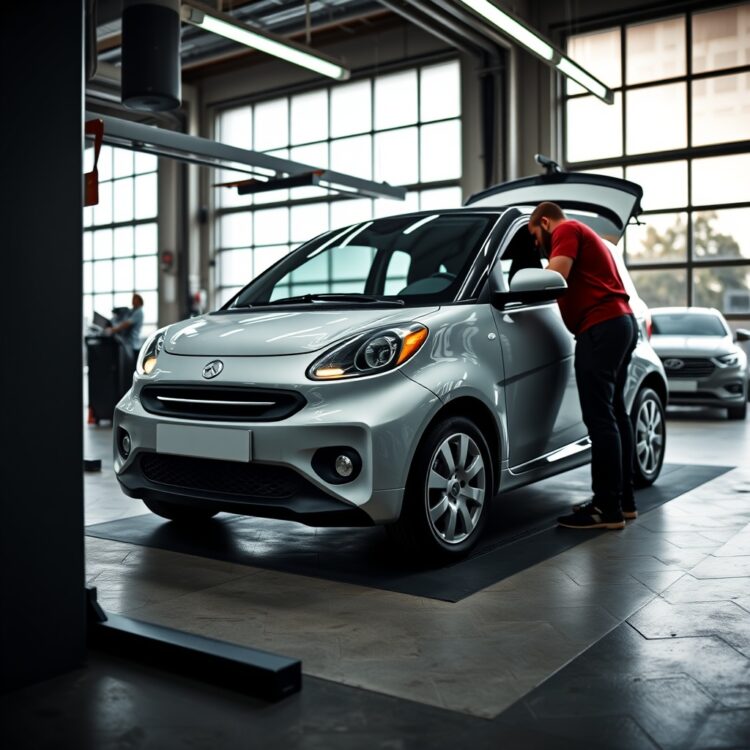
The Impact of Technology on Small Car Reliability
Technology is transforming the automotive industry, and small cars are no exception. From hybrid powertrains to advanced driver-assistance systems, these innovations are reshaping what it means to be reliable. But how exactly do they impact the long-term dependability of your vehicle? Let’s dive in.
Hybrid technology, for example, reduces the strain on traditional engines, leading to fewer breakdowns and lower maintenance costs. Meanwhile, electric vehicles (EVs) are redefining reliability with fewer moving parts and simplified mechanics. As these technologies become more widespread, they’re setting new standards for what drivers can expect from their cars.
How Hybrid Technology Affects Reliability
Hybrid cars like the Toyota Yaris Cross are proving that you don’t have to sacrifice reliability for efficiency. By combining a petrol engine with an electric motor, hybrids reduce wear and tear on both systems. This dual-power approach means fewer trips to the mechanic and a longer lifespan for your vehicle.
Another advantage of hybrids is their regenerative braking system, which reduces brake pad wear. This not only saves you money on replacements but also enhances overall reliability. With more hybrids hitting the market, it’s clear that this technology is here to stay—and for good reason.
The Role of Electric Vehicles in Future Reliability
Electric vehicles are the future of automotive reliability, thanks to their simplified mechanics and reduced maintenance needs. Without an internal combustion engine, EVs eliminate many of the components that typically fail over time. This means fewer breakdowns and lower long-term costs for owners.
But it’s not just about the mechanics. EVs also benefit from over-the-air software updates, which can improve performance and fix issues without a trip to the dealership. As battery technology continues to advance, we can expect EVs to become even more reliable. For now, though, hybrids offer a great middle ground for drivers who want the best of both worlds.
Maintenance Tips for Small Cars
Regular Maintenance Schedule
Keeping your small car in top shape starts with a solid maintenance routine. I’ve found that sticking to the manufacturer’s schedule for oil changes, tyre rotations, and brake inspections is non-negotiable. For example, the Corsa VXR thrives on timely servicing, ensuring its turbocharged engine runs smoothly. We recommend checking fluids and filters every 5,000 miles—small cars like the Suzuki Swift or Toyota Yaris respond well to this level of care.
Don’t overlook the little things, either. Wiper blades, battery health, and even cabin air filters play a role in reliability. A well-maintained small car, like the Honda Jazz, can easily outlast its competitors. Trust me, a few minutes of attention now saves hours (and pounds) down the road.
Common Issues and How to Avoid Them
Small cars aren’t immune to problems, but forewarned is forearmed. One common issue is clutch wear in manual models—smooth driving and avoiding riding the clutch can extend its life. The Suzuki Alto, for instance, benefits from gentle gear shifts. Another headache? Electrical gremlins. Regularly inspecting wiring and fuses can prevent surprises.
Rust is another silent killer, especially in older models like the Dacia Sandero. Regular washes and waxing, particularly in winter, keep corrosion at bay. And if you’re eyeing a hybrid, remember that battery health is key—opt for models with warranties, like the Toyota Yaris Cross. A little vigilance goes a long way.
The Cost of Owning a Reliable Small Car
Initial Purchase Price vs. Long-Term Savings
Small cars often come with a lower sticker price, but the real savings reveal themselves over time. Take the Kia Picanto—it’s affordable upfront and sips fuel, making it a budget-friendly choice. We’ve crunched the numbers, and models like the Hyundai i10 can save you thousands in fuel and insurance over five years compared to larger vehicles.
Don’t forget depreciation, though. Japanese brands like Honda and Toyota hold their value better than most. A used Honda Jazz, for example, retains nearly 60% of its value after three years. That’s money back in your pocket when it’s time to upgrade. Smart buying today means financial freedom tomorrow.
Insurance and Warranty Considerations
Insurance costs for small cars are generally lower, but it pays to shop around. The Ford Puma, despite its sporty looks, often falls into a lower insurance group than you’d expect. We’ve seen policies for the Renault Captur come in under £500 annually—just remember to compare quotes.
Warranties are another area where small cars shine. Kia’s seven-year warranty is unbeatable, and even the MINI Hatch offers three years of peace of mind. Always read the fine print, though—some warranties exclude wear-and-tear items like brakes. A little research now avoids big bills later.
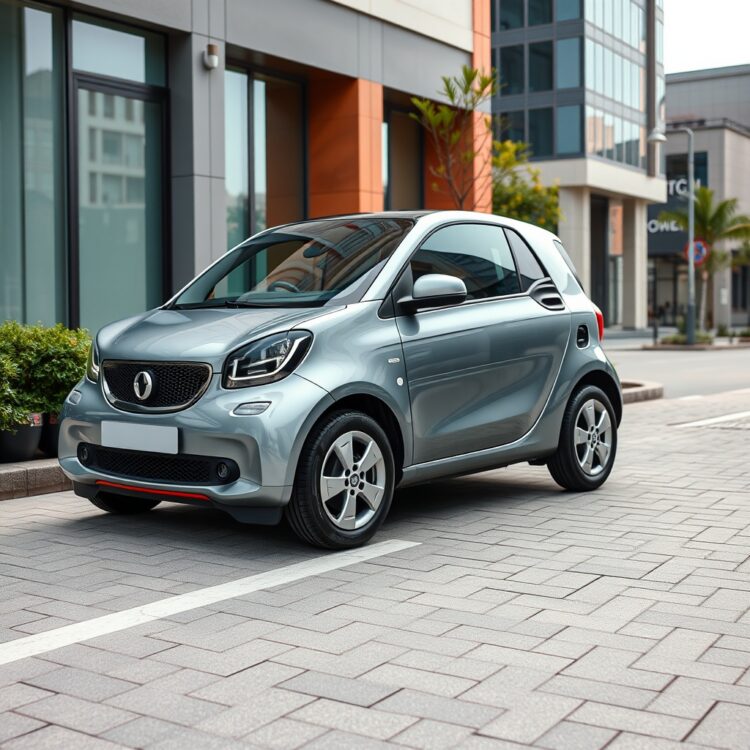
The Future of Small Car Reliability
Emerging Technologies and Their Potential Impact
The small car segment is evolving fast, with hybrid and electric tech leading the charge. The Toyota Yaris Hybrid is a prime example—its self-charging system reduces strain on the engine, boosting longevity. We’re also seeing advancements in lightweight materials, like carbon fibre, which could revolutionise durability in models like the Suzuki Swift.
Autonomous features are another game-changer. Adaptive cruise control and lane-keeping assist reduce driver fatigue and accidents, indirectly improving reliability. Imagine a future where your small car not only drives itself but also schedules its own servicing. It’s closer than you think.
Predictions for the Next Decade
By 2030, I predict small cars will be smarter and more reliable than ever. Battery tech will improve, making EVs like the Hyundai i10 Electric a no-brainer for city dwellers. Meanwhile, AI-driven diagnostics will flag issues before they become problems—think of it as a mechanic in your pocket.
Brands like Honda and Toyota will continue to dominate, but don’t count out the Koreans. Kia and Hyundai are investing heavily in R&D, and their small cars could soon rival the Japanese for reliability. The future is bright—and incredibly dependable.
How to Choose the Right Small Car for You
Assessing Your Needs and Budget
When it comes to picking the perfect small car, the first step is understanding your needs. Are you looking for a daily commuter or something with a bit more flair? I always recommend making a list of must-haves, whether it’s fuel efficiency, boot space, or advanced safety features. Budget plays a huge role too—don’t just focus on the sticker price. Consider long-term costs like insurance, maintenance, and fuel. A reliable car might cost more upfront but save you headaches later.
We’ve all been tempted by flashy extras, but sticking to your priorities is key. If you’re on a tight budget, look for models with a reputation for reliability. Brands like Toyota and Honda often top the charts for dependability. Remember, a car is an investment, and choosing wisely now can pay off in the long run. Take your time, do your research, and don’t rush into a decision.
Test Driving Tips
A test drive is your chance to see if a car truly fits your lifestyle. I always suggest driving in conditions similar to your daily routine—city streets, motorways, or even bumpy roads. Pay attention to how the car handles, the comfort of the seats, and visibility. Don’t hesitate to ask the dealer questions or request a longer drive if needed. After all, you’re the one who’ll be behind the wheel every day.
Another tip? Bring a friend or family member along. A second opinion can be invaluable, especially if they notice something you might have missed. And don’t forget to check the boot space and rear seats—practicality matters. If you’re considering a small car, make sure it meets all your needs without feeling cramped. A test drive is your best tool for making an informed choice.
The Role of Safety in Reliability
Safety Features That Enhance Reliability
Safety and reliability go hand in hand. Modern small cars are packed with features like automatic emergency braking, lane-keeping assist, and adaptive cruise control. These aren’t just gimmicks—they can prevent accidents and reduce wear and tear on your car. I’ve found that models with high safety ratings often have fewer mechanical issues, as they’re built to stricter standards. It’s a win-win for peace of mind and long-term performance.
We often overlook how safety tech can extend a car’s lifespan. For example, systems like tyre pressure monitoring can alert you to issues before they become costly repairs. If you’re torn between two models, check their safety ratings. A car that keeps you safe is likely to be a dependable companion for years to come. Don’t compromise on safety—it’s a cornerstone of reliability.
Crash Test Ratings and What They Mean
Crash test ratings are more than just numbers—they’re a snapshot of how well a car protects its occupants. Organisations like Euro NCAP conduct rigorous tests, evaluating everything from frontal impacts to pedestrian safety. I always advise buyers to look for cars with at least a four-star rating. These models are engineered to withstand collisions, which indirectly reflects their overall build quality and durability.
It’s not just about surviving a crash; it’s about how the car holds up afterward. A high-scoring car is less likely to have hidden damage that could lead to future problems. For example, a well-designed crumple zone can absorb impact without compromising the engine or chassis. When reliability is a priority, crash test ratings are a valuable tool in your decision-making process.

The Best Time to Buy a Small Car
Seasonal Buying Tips
Timing your purchase can save you a significant amount of money. Dealers often offer discounts at the end of the financial year or during quieter months like January. I’ve seen buyers snag great deals simply by avoiding peak seasons. If you’re flexible, consider shopping in winter when demand is lower. You might even find last year’s models at a reduced price as dealers clear stock for new arrivals.
Another strategy is to visit the dealership at the end of the month. Sales teams are often working to meet targets, which can give you leverage in negotiations. Don’t be afraid to ask about promotions or financing deals. A little patience and timing can go a long way in securing the best price for your dream car.
End of Financial Year Deals
The end of the financial year is a golden opportunity for car buyers. Dealerships are eager to meet annual targets, which means they’re more likely to offer discounts or throw in extras like free servicing. I’ve helped friends save thousands by timing their purchases around this period. It’s also a great time to explore demo models or ex-showroom cars, which are often sold at a fraction of the original price.
Keep an eye out for manufacturer incentives too. Brands sometimes offer cashback deals or low-interest financing to boost sales. If you’re in the market for a small car, the end of the financial year is one of the best times to strike a deal. Just make sure to do your homework and compare offers to ensure you’re getting the best value for your money.
Financing Your Small Car Purchase
Loan vs Lease Options
When it comes to financing your small car, you’ve got two main paths: loans and leases. A loan means you own the car outright after payments, while a lease is like renting with lower monthly costs. We’ve found that loans are better if you plan to keep the car long-term, but leases offer flexibility if you love upgrading every few years. Check out our automotive blog for deeper insights.
Leasing often includes maintenance, which can save you headaches, but loans build equity. It’s a trade-off between upfront costs and long-term value. We recommend crunching the numbers to see what fits your budget. Remember, a reliable small car will always be a smarter investment, no matter how you finance it.
How to Get the Best Interest Rate
Securing a low interest rate can save you thousands over the life of your loan. Start by checking your credit score—it’s the biggest factor lenders consider. We’ve seen rates drop by 2% or more for borrowers with excellent credit. Shopping around is key; don’t settle for the first offer. Use online tools to compare rates from multiple lenders.
Consider a shorter loan term if you can afford higher monthly payments. You’ll pay less interest overall. Also, a larger down payment can lower your rate. For more tips, explore our guide on the most reliable cars. A little research now can lead to big savings later.
The Global Perspective on Small Car Reliability
Reliability Ratings Around the World
Small car reliability isn’t the same everywhere. Japanese models like the Honda Jazz dominate in Europe, while the Suzuki Alto is a star in Asia. We’ve noticed that regional preferences often reflect local driving conditions and fuel prices. For example, diesel engines are more popular in Europe, but hybrids are gaining ground globally.
Manufacturers often tweak models for different markets, which can impact reliability. If you’re curious about how your favourite small car stacks up internationally, Consumer Reports offers detailed comparisons. It’s fascinating to see how the same car can perform differently across borders.
Importing a Small Car Pros and Cons
Importing a small car can be tempting, especially if you’ve fallen for a model not sold locally. The pros? Unique styling and sometimes better pricing. The cons? Higher maintenance costs and potential compatibility issues with local standards. We’ve heard stories of imported cars needing expensive part replacements.
Before diving in, research import taxes and regulations. Some countries have strict emissions or safety rules. Also, consider resale value—imported cars can be harder to sell. For a smoother experience, consult experts or check our guide on problem-free small cars.
Innovations in Small Car Design
Space-Saving Features
Small cars are masters of maximizing space. Fold-flat seats, hidden storage compartments, and modular interiors are just a few tricks designers use. We’ve been impressed by how brands like Honda and Toyota turn compact dimensions into practical solutions. These features make small cars perfect for city living or weekend getaways.
Innovations like sliding rear seats or adjustable cargo floors add versatility. It’s proof that size isn’t everything. If you’re shopping for a small car, prioritize models with clever storage. You’ll appreciate the extra room when you need it most.
The Evolution of Small Car Aesthetics
Gone are the boxy designs of the past. Today’s small cars blend style with efficiency, featuring sleek lines and bold grilles. We’ve watched brands like MINI and Hyundai elevate small car aesthetics without sacrificing practicality. Even budget-friendly models now offer premium finishes and customisation options.
Electric small cars are pushing boundaries further with futuristic designs. The shift toward sustainability is reshaping how small cars look and feel. It’s an exciting time to be in the market for one. Whether you prefer classic or cutting-edge, there’s a small car to match your taste.
Frequently Asked Questions
What is the most reliable small car brand?
Japanese brands like Honda and Toyota consistently top reliability rankings. Their small cars, such as the Honda Jazz and Toyota Yaris, are praised for durability and low maintenance costs. European and Korean brands are also improving, but Japanese models remain the gold standard for worry-free ownership.
Is leasing a small car a good idea?
Leasing can be a smart choice if you prefer lower monthly payments and enjoy driving new cars every few years. However, you won’t own the car at the end of the lease. It’s ideal for those who value flexibility over long-term investment. Always compare lease terms to loan options before deciding.
How does hybrid technology affect reliability?
Hybrids often have fewer moving parts than traditional engines, which can reduce wear and tear. Brands like Toyota have proven that hybrids are just as reliable, if not more so, than petrol-only models. Regular maintenance is still key, but hybrids offer a compelling blend of efficiency and dependability.
What should I look for in a used small car?
Focus on service history, mileage, and common issues for the model you’re considering. A well-maintained car with low mileage is usually a safe bet. Avoid cars with inconsistent records or signs of neglect. Test driving and a pre-purchase inspection are musts to ensure you’re making a solid investment.