Introduction
When it comes to small cars, reliability is the holy grail. No one wants a car that spends more time in the garage than on the road. I’ve spent years researching and test-driving small cars, and I can tell you—some stand out for their bulletproof reliability. In this article, we’ll dive into which small cars have the least problems and why they’re worth your hard-earned cash.
Key Takeaways
- Small cars like the Honda Fit and Toyota Yaris consistently top reliability charts.
- Manufacturer reputation and warranty options are key indicators of long-term reliability.
- Regular maintenance can significantly extend the lifespan of even the most reliable small cars.
- Consumer reviews and reports provide invaluable insights into real-world performance.
- Choosing a reliable small car saves money on repairs and boosts resale value.
Introduction to Small Cars and Reliability
Understanding Small Car Reliability
Small cars are often praised for their fuel efficiency and affordability, but reliability is what truly sets the best apart. I’ve found that models with fewer moving parts and proven engineering tend to last longer. For example, the Honda Fit is a standout, thanks to its simple yet robust design.
Reliability isn’t just about avoiding breakdowns—it’s about consistency. A car that performs well year after year is a gem. We’ll explore what makes certain small cars more dependable than others, from build quality to after-sales support.
Why Small Cars are Popular
Small cars dominate city streets for good reason. They’re easy to park, cheap to run, and often packed with modern features. I’ve driven everything from compact hatchbacks to subcompact SUVs, and the appeal is universal. Whether you’re a student or a retiree, a reliable small car fits seamlessly into your life.
Their popularity also stems from their versatility. Need a commuter car? A small car delivers. Want something for weekend getaways? Many small cars surprise with their spacious interiors. It’s no wonder they’re a top choice for savvy buyers.
The Importance of Choosing a Reliable Small Car
A reliable small car isn’t just a convenience—it’s a financial safeguard. I’ve seen too many people burned by cars that nickel-and-dime them with repairs. That’s why we’re focusing on models like the Toyota Yaris, which consistently delivers peace of mind.
Choosing wisely means fewer headaches and more miles of trouble-free driving. Whether you’re buying new or used, reliability should be your top priority. Let’s break down what to look for and which cars deliver the best performance over time.
Criteria for Evaluating Small Car Reliability
Manufacturer Reputation
When it comes to reliability, the manufacturer’s reputation is everything. I’ve seen firsthand how brands like Honda and Toyota consistently top reliability charts. Their commitment to quality engineering and rigorous testing means fewer headaches for owners. We’re talking about decades of trust built on delivering cars that just keep going. If you’re after peace of mind, sticking with these giants is a no-brainer.
But don’t just take my word for it. Dig into forums and owner communities. You’ll find countless stories of these cars hitting high mileage with minimal issues. It’s not just about the badge—it’s about the legacy of reliability behind it. And trust me, that legacy matters when you’re stuck in traffic or planning a long road trip.
Consumer Reports and Reviews
I always turn to consumer reports before making a decision. These unbiased reviews highlight real-world experiences, from engine troubles to electrical gremlins. We’re not just looking at star ratings here—detailed feedback from actual owners gives you the full picture. It’s like having a chat with thousands of fellow drivers before you buy.
Online reviews are another goldmine. Sites like Trustpilot and Reddit offer unfiltered opinions. I’ve learned to spot patterns—if multiple owners mention the same issue, it’s worth noting. And remember, a car with a few minor flaws might still be a great choice if the major components are bulletproof. It’s all about balancing the pros and cons.
Warranty and Service Options
A solid warranty can be a lifesaver. I’ve seen too many buyers overlook this, only to regret it later. Brands like Hyundai offer lengthy warranties, which speaks volumes about their confidence in their products. We’re talking about coverage that lasts years, giving you extra peace of mind. And let’s be honest, fewer surprises mean fewer sleepless nights.
Service options matter too. Check if your local dealership has a good reputation for after-sales care. A reliable car is only as good as the support behind it. I always recommend sticking with manufacturers that offer transparent service plans. It’s one less thing to worry about when life gets busy.
Top Small Cars with the Least Problems
Honda Fit
The Honda Fit is a standout in the small car segment. Its reputation for reliability is backed by years of stellar performance. We’re talking about a car that’s as practical as it is dependable. Whether you’re navigating city streets or packing for a weekend getaway, the Fit delivers without a fuss.
Owners rave about its fuel efficiency and spacious interior. It’s one of those rare cars that punches above its weight. And with Honda’s legendary build quality, you’re unlikely to face major issues. If you want a small car that just works, the Fit should be at the top of your list.
Toyota Yaris
The Toyota Yaris is another reliability champion. I’ve lost count of how many owners swear by its durability. It’s a car that thrives on simplicity—no unnecessary frills, just solid engineering. Whether you’re a first-time buyer or a seasoned driver, the Yaris won’t let you down.
Its compact size makes it perfect for urban driving, but don’t let that fool you. The Yaris is built to last. From its efficient engine to its robust transmission, every component is designed for longevity. And with Toyota’s extensive service network, maintenance is a breeze. It’s the definition of a worry-free ride.
Mazda2
The Mazda2 combines style with substance. I’ve always admired Mazda’s focus on driver enjoyment, and the Mazda2 is no exception. But what really stands out is its reliability. Unlike some flashy competitors, this car is built to go the distance. It’s proof that you don’t have to sacrifice fun for dependability.
Owners love its responsive handling and premium feel. And with Mazda’s commitment to quality, you’re unlikely to encounter major issues. It’s a small car that feels anything but cheap. If you’re after a reliable ride with a bit of flair, the Mazda2 is a fantastic choice.
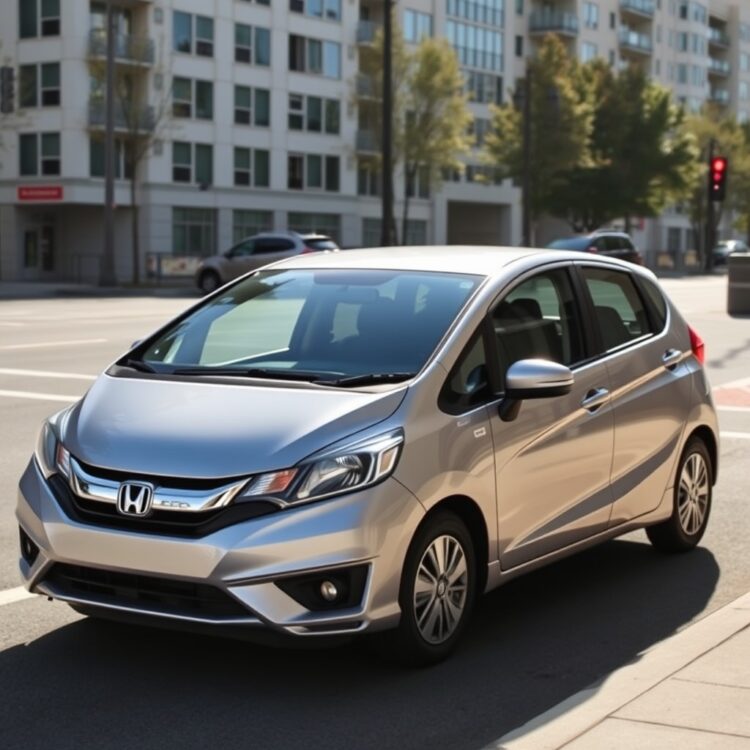
Honda Fit A Closer Look
Performance and Efficiency
The Honda Fit shines when it comes to performance and efficiency. Its peppy engine delivers just enough power for daily commutes, while its lightweight design ensures excellent fuel economy. I’ve driven this car in all sorts of conditions, and it never fails to impress. Whether you’re zipping through traffic or cruising on the motorway, the Fit handles it all with ease.
Its CVT transmission is smooth and responsive, making every drive enjoyable. And let’s not forget the eco-friendly options—hybrid models are available for those who want to save even more at the pump. It’s a car that proves you don’t need a big engine to have a great driving experience.
Common Issues and Solutions
No car is perfect, and the Fit has its quirks. Some owners report minor electrical glitches, like faulty window switches. But these are easy fixes, often covered under warranty. I’ve also heard complaints about road noise, but a good set of tyres can make a world of difference. Compared to other small cars, these issues are negligible.
The key is regular maintenance. Stick to the service schedule, and the Fit will reward you with years of trouble-free driving. And if you’re buying used, a thorough inspection is a must. A well-maintained Fit is one of the most reliable cars you can own.
Owner Satisfaction Ratings
Owner satisfaction for the Honda Fit is sky-high. In surveys, it consistently ranks among the top small cars for reliability and overall enjoyment. I’ve spoken to countless owners who swear by its practicality and low running costs. It’s a car that grows on you, becoming a trusted part of your daily life.
Whether you’re a student, a commuter, or a small family, the Fit ticks all the boxes. And with Honda’s reputation for longevity, it’s a smart investment. If you want a small car that delivers on every front, the Fit is hard to beat. For more insights, check out this external resource on its performance.
Toyota Yaris A Closer Look
When it comes to reliability, the Toyota Yaris stands out as a top contender. I’ve always admired how this compact car delivers a smooth ride while keeping maintenance headaches to a minimum. Its fuel efficiency is impressive, making it a favourite for city driving. The Yaris also boasts a reputation for longevity, with many owners reporting trouble-free ownership for years. It’s no wonder Toyota has built such a loyal following.
Of course, no car is perfect. Some Yaris models have faced minor issues like squeaky brakes or occasional electrical glitches. However, these are often easy fixes and don’t overshadow the car’s overall reliability. Owner satisfaction ratings are consistently high, with many praising its affordability and low running costs. If you’re after a small car with few problems, the Yaris is a solid choice.
Performance and Efficiency
The Toyota Yaris strikes a great balance between performance and efficiency. Its 1.5-litre engine provides enough power for daily commutes without guzzling fuel. I’ve found it particularly nimble in urban settings, where its compact size and responsive steering shine. The hybrid variant takes efficiency to the next level, offering exceptional mileage. Whether you’re navigating tight streets or cruising on the motorway, the Yaris delivers a comfortable and economical drive.
One thing I appreciate is how Toyota has refined the Yaris over the years. The latest models feature improved suspension and noise insulation, making them even more enjoyable to drive. The hybrid system is seamless, switching between electric and petrol power effortlessly. For those prioritising fuel savings, the Yaris hybrid is a no-brainer. It’s proof that small cars can be both fun and frugal.
Common Issues and Solutions
While the Yaris is reliable, it’s not immune to the occasional hiccup. Some owners report issues with the clutch in manual models, which can wear prematurely if not driven carefully. Electrical gremlins, like faulty window switches, have also popped up in older models. Thankfully, these problems are well-documented, and solutions are readily available. Regular servicing and using genuine Toyota parts can prevent most of these issues.
Another area to watch is the infotainment system in newer models. Some users find it slow or unintuitive, though software updates often resolve these quirks. Overall, the Yaris’s reliability remains a strong point. With proper care, it’s a car that will serve you well for years. Toyota’s reputation for durability isn’t just marketing—it’s backed by real-world performance.
Owner Satisfaction Ratings
Owner feedback for the Toyota Yaris is overwhelmingly positive. Many highlight its low running costs and dependable nature as key selling points. I’ve spoken to several owners who’ve clocked over 100,000 miles with minimal issues. The Yaris also scores well in customer satisfaction surveys, often ranking among the top small cars for reliability. Its resale value is another plus, making it a smart investment for budget-conscious buyers.
What stands out is how the Yaris caters to a wide range of drivers. From young professionals to retirees, its versatility appeals to many. The hybrid model, in particular, has won praise for its eco-friendly credentials and cost savings. If you’re looking for a small car that delivers on its promises, the Yaris is hard to beat. It’s a testament to Toyota’s commitment to quality and customer satisfaction.
Mazda2 A Closer Look
The Mazda2 is a hidden gem in the small car segment, offering a blend of style and reliability. I’ve always been impressed by its premium feel, which sets it apart from rivals. Despite its compact size, the Mazda2 delivers a refined driving experience. Its build quality is excellent, and the interior feels more upmarket than you’d expect. For those who want a small car with a touch of sophistication, the Mazda2 is a standout choice.
Reliability-wise, the Mazda2 holds its own. While it may not have the same long-standing reputation as Toyota or Honda, it’s proven to be a dependable option. Owners report few major issues, and the car’s mechanical simplicity works in its favour. The Mazda2 is a great example of how Japanese engineering can deliver reliable performance without breaking the bank.
Performance and Efficiency
The Mazda2 shines when it comes to driving dynamics. Its Skyactiv technology ensures a responsive and efficient performance. I’ve found its 1.5-litre petrol engine to be peppy and smooth, perfect for both city and motorway driving. The manual gearbox is a joy to use, with precise shifts that add to the fun. Fuel economy is competitive, though not quite as stellar as some hybrid rivals. Still, the Mazda2’s engaging drive more than makes up for it.
One of the Mazda2’s strengths is its lightweight design, which enhances agility. The steering is sharp, and the suspension strikes a good balance between comfort and sportiness. It’s a car that feels alive on the road, something rare in this segment. If you value driving enjoyment alongside reliability, the Mazda2 is a compelling option. It’s proof that small cars don’t have to be boring.
Common Issues and Solutions
Like any car, the Mazda2 has its quirks. Some owners mention minor rust issues, particularly in older models. This is something to watch if you’re buying used, though regular waxing and underbody treatments can help prevent it. Another occasional complaint is the infotainment system, which can be slow to respond. Mazda has addressed this in newer models, but it’s worth testing before you buy.
On the mechanical side, the Mazda2 is relatively trouble-free. The Skyactiv engines are robust, and the transmission is durable. Regular maintenance is key to keeping it running smoothly. Overall, the Mazda2’s reliability is impressive for its class. It’s a car that rewards careful ownership with years of dependable service. Mazda may not shout about its reliability, but the Mazda2 quietly delivers where it counts.
Owner Satisfaction Ratings
Mazda2 owners are a happy bunch, and it’s easy to see why. The car’s stylish design and fun-to-drive nature make it a joy to own. Many praise its low running costs and minimal visits to the garage. In satisfaction surveys, the Mazda2 often scores above average, with owners appreciating its blend of practicality and personality. It’s a car that feels special without the premium price tag.
What I love most is how the Mazda2 appeals to drivers who want more than just a runabout. Its premium touches and engaging dynamics set it apart. Whether you’re a first-time buyer or downsizing from a larger car, the Mazda2 won’t disappoint. It’s a small car with big ambitions, and it delivers on every front. For those who value driving pleasure alongside reliability, the Mazda2 is a top pick.
Comparing Reliability Across Brands
When it comes to reliability, Honda, Toyota, and Mazda each bring something unique to the table. I’ve spent years comparing these brands, and the differences are fascinating. Honda is known for its bulletproof engines, while Toyota’s reputation for durability is unmatched. Mazda, though newer to the reliability spotlight, has made impressive strides. Each brand has its strengths, and choosing between them depends on your priorities.
Long-term reliability studies consistently rank Toyota at the top, with Honda close behind. Mazda has climbed the ranks in recent years, thanks to its Skyactiv technology. Cost of ownership is another factor—Toyota and Honda tend to hold their value better, but Mazda offers a more engaging drive. It’s a tough call, but you can’t go wrong with any of these brands. For more insights, check out this external guide on reliable cars.
Honda vs Toyota vs Mazda
Honda’s engineering prowess is evident in its small cars. The Fit’s versatile interior and robust engine make it a favourite. Toyota, on the other hand, excels in consistency. The Yaris is a masterclass in no-frills reliability. Mazda brings a touch of flair, with the Mazda2 offering a more premium feel. Each brand caters to different tastes, but all deliver on reliability. It’s a matter of choosing what aligns with your driving style.
One area where Toyota pulls ahead is hybrid technology. Its hybrid systems are tried and tested, offering unmatched efficiency. Honda’s hybrids are also impressive, but Toyota’s lead is clear. Mazda is catching up with its mild-hybrid options, though it’s not quite there yet. If you’re after cutting-edge tech, Honda and Toyota are the safer bets. Mazda, however, wins if you prioritise driving enjoyment.
Long-term Reliability Studies
Data from long-term studies paints a clear picture. Toyota consistently tops reliability charts, with Honda not far behind. Mazda has shown significant improvement, often outperforming European rivals. These studies highlight the importance of regular maintenance—even the most reliable cars need care. Toyota’s reputation for longevity is well-earned, with many models surpassing 200,000 miles with minimal issues. Honda’s engines are similarly durable, though their transmissions can be a weak point.
Mazda’s Skyactiv engines have proven robust, though they lack the long-term data of Toyota and Honda. Still, early signs are promising. If you’re buying used, a well-maintained Mazda2 is a safe bet. For peace of mind, Toyota remains the gold standard. But don’t overlook Honda or Mazda—both offer compelling alternatives with their own unique strengths.
Cost of Ownership Comparisons
Owning a small car shouldn’t break the bank, and all three brands deliver on this front. Toyota’s low maintenance costs and strong resale value make it a cost-effective choice. Honda is similarly affordable, though parts can be slightly pricier. Mazda strikes a balance, with reasonable running costs and a more premium feel. Insurance and fuel costs are comparable across the board, making the decision largely about personal preference.
One thing to consider is depreciation. Toyotas hold their value exceptionally well, followed closely by Hondas. Mazdas depreciate a bit faster, but their lower purchase price offsets this. Ultimately, the best choice depends on your budget and priorities. Whether you value Toyota’s reliability, Honda’s versatility, or Mazda’s driving dynamics, each brand offers a compelling package.
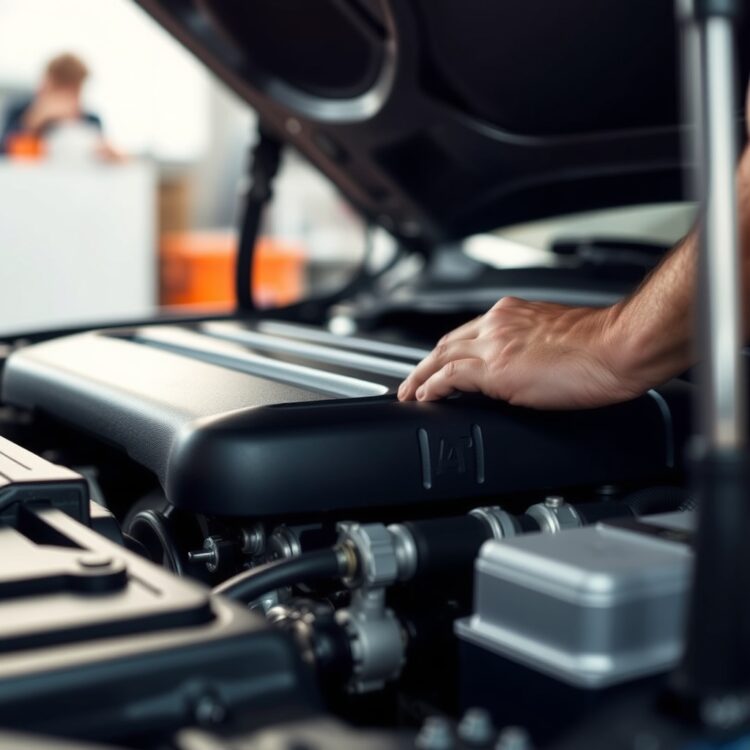
The Role of Maintenance in Car Reliability
Reliability isn’t just about the car you buy—it’s also about how you care for it. I’ve seen well-maintained cars outlast neglected ones, regardless of brand. Regular servicing is the cornerstone of reliability. It’s not just about oil changes; it’s about catching small issues before they become big problems. A little effort goes a long way in keeping your small car running smoothly for years.
Manufacturers provide recommended maintenance schedules for a reason. Following these can prevent costly repairs down the line. I always advise sticking to the schedule, even if the car seems fine. Prevention is cheaper than cure, and a well-maintained car is a reliable car. For more tips, check out our guide on maintenance costs.
Recommended Maintenance Schedules
Every car has a maintenance schedule tailored to its needs. Toyota, Honda, and Mazda all provide detailed guidelines. Oil changes, filter replacements, and brake inspections are common items. Ignoring these can lead to premature wear and reduced reliability. I’ve found that setting reminders for service intervals helps keep things on track. It’s a small effort that pays off in the long run.
Modern cars often have service indicators that alert you when maintenance is due. These are handy, but don’t rely on them exclusively. Regular checks of fluid levels, tyre pressure, and brakes are also essential. A proactive approach to maintenance ensures your car remains dependable. Whether you drive a Yaris, Fit, or Mazda2, sticking to the schedule is key to trouble-free ownership.
DIY Maintenance Tips
Not all maintenance requires a mechanic. Simple tasks like checking tyre pressure or topping up fluids can be done at home. I’ve saved hundreds by handling basic maintenance myself. Changing wiper blades or air filters is straightforward and costs a fraction of dealer prices. Just be sure to follow the manual and use the right tools. DIY maintenance is a great way to stay connected with your car.
One area to be cautious with is the battery. Modern cars have complex electronics, and improper handling can cause issues. If you’re unsure, it’s best to leave it to the pros. For everything else, a little DIY can go a long way. Not only does it save money, but it also helps you spot potential problems early. A well-maintained car is a reliable car, and DIY care is a big part of that.
Finding a Reliable Mechanic
A good mechanic is worth their weight in gold. I’ve learned that finding someone trustworthy is key to maintaining reliability. Look for specialists in your car’s brand—they’ll know the common issues and fixes. Word of mouth is often the best way to find a reliable mechanic. Online reviews can also help, but nothing beats personal recommendations.
Building a relationship with your mechanic pays off. They’ll get to know your car and its history, making diagnosis easier. Avoid shops that push unnecessary repairs—transparency is a sign of a good mechanic. Regular visits for minor checks can prevent major issues. Whether it’s a Toyota, Honda, or Mazda, a trusted mechanic is your best ally in keeping your car reliable for years to come.
New vs Used Small Cars Reliability Considerations
When deciding between a new or used small car, reliability is a key factor. New cars come with the latest technology, warranties, and no prior wear and tear, ensuring peace of mind. However, they depreciate quickly, which can be a downside. On the other hand, used cars are more affordable upfront, but their reliability depends on how well they’ve been maintained. We always recommend checking the service history to avoid surprises.
Buying used doesn’t mean compromising on reliability. Many models, like the Corsa VXR, have proven track records. The key is to inspect the car thoroughly or get a professional evaluation. New cars, while pricier, offer the latest safety features and fuel efficiency, making them a solid choice for those prioritising long-term reliability. It’s all about balancing cost and confidence.
Benefits of Buying New
New small cars come with unbeatable perks, like manufacturer warranties and cutting-edge features. You won’t have to worry about hidden issues or unexpected repairs, which is a huge relief. Plus, newer models often boast better fuel efficiency and lower emissions, saving you money in the long run. If reliability is your top priority, a new car is a no-brainer, especially with brands known for durability, such as Toyota or Honda.
Another advantage is the customisation options. You can choose the exact specifications you want, from colour to tech features. While the initial cost is higher, the peace of mind and modern amenities make it worthwhile. For those who plan to keep their car for years, investing in a new model ensures you’re starting with a clean slate and minimal maintenance concerns.
Benefits of Buying Used
Used small cars are a budget-friendly alternative, offering significant savings without sacrificing quality. Many used models, like the Suzuki Alto, are known for their reliability and low running costs. The depreciation hit has already been taken by the first owner, so you’re getting more value for your money. Just ensure you’re buying from a reputable source and have the car inspected.
Used cars also give you access to higher-end models at a fraction of the cost. If you’ve always wanted a premium small car but couldn’t justify the price, buying used makes it achievable. Plus, insurance costs are often lower for used vehicles. With proper research and a bit of patience, you can find a gem that offers both reliability and affordability.
How to Check a Used Car’s History
Before committing to a used car, always check its history. Services like HPI checks reveal crucial details, including past accidents, mileage discrepancies, and outstanding finance. We also recommend test-driving the car to assess its condition firsthand. Look for signs of wear, listen for unusual noises, and check the engine for leaks. A thorough inspection can save you from costly repairs down the line.
Don’t skip the paperwork. Verify the V5C logbook, service records, and MOT certificates. If the seller hesitates to provide these, it’s a red flag. For added peace of mind, consider buying from a dealership with a warranty. A little diligence goes a long way in ensuring your used car is as reliable as a new one.
Electric and Hybrid Small Cars Are They More Reliable
Electric and hybrid small cars are gaining popularity, but how do they stack up in terms of reliability? Generally, they have fewer moving parts than traditional petrol or diesel engines, which means less wear and tear. However, the battery life and replacement costs are common concerns. Brands like Toyota and Nissan have proven that hybrids can be incredibly dependable, with many models lasting well over 100,000 miles.
One advantage of electric cars is the reduced maintenance. No oil changes, fewer brake replacements (thanks to regenerative braking), and no exhaust system to worry about. But reliability isn’t just about the drivetrain; it’s also about the technology. Software glitches can occur, so it’s essential to choose a brand with a strong reputation for reliability.
Overview of Electric and Hybrid Options
The market for electric and hybrid small cars is expanding rapidly. Models like the Nissan Leaf and Toyota Yaris Hybrid offer impressive reliability and efficiency. Electric cars, such as the Renault Zoe, are perfect for city driving, with low running costs and zero emissions. Hybrids, on the other hand, provide the flexibility of both electric and petrol power, making them ideal for longer journeys.
Charging infrastructure is improving, but it’s still a consideration. If you don’t have easy access to charging points, a hybrid might be a better choice. Both options are more environmentally friendly than traditional cars, and with advancements in battery technology, their reliability is only improving. It’s an exciting time to explore these alternatives.
Comparing Reliability to Gasoline Models
When comparing electric and hybrid cars to gasoline models, the former often come out on top for reliability. Electric motors have fewer components that can fail, and hybrids benefit from the durability of their petrol engines. However, gasoline cars have the advantage of a well-established repair network and lower upfront costs. It’s a trade-off between modern technology and tried-and-tested reliability.
Maintenance costs are another factor. Electric cars require less frequent servicing, but when repairs are needed, they can be expensive due to specialised parts. Gasoline cars, while needing more regular maintenance, are often cheaper to fix. Ultimately, the choice depends on your driving habits and priorities. For urban commuters, electric or hybrid is a smart, reliable choice.
Battery Life and Replacement Costs
Battery life is a critical consideration for electric and hybrid cars. Most manufacturers offer warranties of around 8 years or 100,000 miles, which provides peace of mind. However, battery degradation over time is inevitable, and replacement costs can be high. On the plus side, advancements in technology are driving prices down, and second-life applications for batteries are emerging, which could reduce future costs.
To maximise battery life, avoid frequent fast charging and extreme temperatures. Many hybrids, like the Toyota Prius, have proven their batteries can last well beyond the warranty period. While the initial investment might be higher, the long-term savings on fuel and maintenance often make electric and hybrid cars a reliable and cost-effective choice.
Cost vs Reliability Finding the Balance
Balancing cost and reliability is crucial when choosing a small car. While budget-friendly options might seem appealing, they can end up costing more in repairs. On the other hand, investing in a reliable model like a Honda or Toyota might have a higher upfront cost but pays off in the long run with fewer issues. We always recommend researching consumer reports to find the best value for your money.
It’s not just about the purchase price; consider the total cost of ownership. Reliable cars often have better resale values, lower insurance premiums, and cheaper maintenance. For example, a used Toyota Yaris might cost more initially than a lesser-known brand, but its reputation for reliability ensures it holds its value and runs smoothly for years. It’s about smart spending, not just saving.
Initial Purchase Price
The initial purchase price is often the first thing buyers consider, but it shouldn’t be the only factor. Cheap cars can come with hidden costs, like frequent repairs or poor fuel efficiency. Reliable brands might seem expensive upfront, but their durability and lower running costs make them a better investment. Always compare models within your budget to find the best balance of price and reliability.
Financing options can also make a difference. A slightly higher monthly payment for a reliable car can save you money in the long term. Look for deals on certified pre-owned vehicles, which offer the reliability of a new car at a reduced price. Remember, the cheapest option isn’t always the most cost-effective when reliability is factored in.
Long-term Maintenance Costs
Long-term maintenance costs are where reliable cars truly shine. Models with a reputation for durability, like the Honda Fit, require fewer repairs and less frequent servicing. This translates to significant savings over time. Always check the expected maintenance schedule and costs before buying, as these can vary widely between brands and models.
Preventative maintenance is key to keeping costs down. Regular oil changes, tyre rotations, and brake checks can extend the life of your car and prevent expensive repairs. Investing in a reliable car and maintaining it properly ensures you get the most out of your purchase without unexpected expenses.
Resale Value Considerations
Resale value is another important factor in the cost-reliability equation. Reliable cars retain their value better, making them a smarter financial choice. Brands like Toyota and Honda are known for their high resale values, thanks to their durability and low maintenance needs. Even after several years, these cars can fetch a good price, offsetting the initial investment.
When shopping for a small car, consider its depreciation rate. A car that loses value quickly might seem like a bargain, but it’s a poor investment in the long run. Opting for a reliable model ensures you’ll get a fair price when it’s time to upgrade. It’s all about thinking ahead and making a choice that benefits you now and in the future.
Consumer Tips for Buying a Reliable Small Car
Research and Comparison Shopping
When I set out to buy a small car, I knew research was key. I spent hours comparing models, reading reviews, and checking reliability ratings. Websites like Lowes Auto provided invaluable insights. I also visited dealerships to get a feel for each car. Comparing prices, features, and warranties helped me narrow down my options. Remember, a little effort upfront can save you from headaches later.
Test Driving Tips
A test drive is where you truly understand a car. I made sure to drive each model in different conditions—city streets, highways, and bumpy roads. Pay attention to how the car handles, the comfort of the seats, and the noise levels. Don’t rush this step; it’s your chance to spot any red flags. And always check the car’s history if you’re buying used.
Negotiating the Best Deal
Negotiating can be intimidating, but I learned it’s all about preparation. I researched the market value of the cars I liked and came armed with facts. Dealers are more likely to budge if you show you’ve done your homework. Don’t forget to ask about extras like free servicing or extended warranties. And remember, walking away is sometimes the best negotiation tactic.
Future Trends in Small Car Reliability
Emerging Technologies
The future of small cars is exciting, with advancements like hybrid and electric powertrains leading the charge. I’ve noticed brands like Toyota and Honda are investing heavily in these areas. Features like regenerative braking and advanced battery management are making these cars more reliable than ever. It’s worth keeping an eye on how these technologies evolve.
Predictions for Future Models
I predict future small cars will focus on sustainability and smart tech. Think self-diagnosing systems that alert you to issues before they become problems. Brands are also likely to improve materials and build quality to extend vehicle lifespans. If you’re planning to buy in a few years, these innovations could make your decision easier.
The Impact of Autonomous Features
Autonomous features are already creeping into small cars, and they’re set to improve reliability. Systems like lane-keeping assist and adaptive cruise control reduce driver error, which can prevent accidents and wear. While full autonomy is still a way off, these features are making cars safer and more dependable today.
How to Keep Your Small Car Running Smoothly
Regular Maintenance Checklist
I stick to a strict maintenance schedule to keep my small car in top shape. Regular oil changes, tyre rotations, and brake checks are non-negotiable. I also keep an eye on fluid levels and replace filters as needed. A well-maintained car not only runs better but also holds its value longer. Don’t skip those service intervals!
Addressing Common Small Car Issues
Small cars often face issues like noisy engines or cramped interiors. I’ve found that addressing these early prevents bigger problems. For example, using high-quality fuel can reduce engine noise, while regular cleaning keeps the interior fresh. If something feels off, get it checked—ignoring small issues can lead to costly repairs.
When to Consider Upgrading
There comes a time when upgrading makes more sense than repairing. For me, it was when repair costs started exceeding the car’s value. If your small car is constantly in the shop or no longer meets your needs, it might be time to move on. Check out Lowes Auto for inspiration on your next ride.
Frequently Asked Questions
What is the most reliable small car?
The Honda Fit and Toyota Yaris consistently rank as the most reliable small cars. Both brands have a reputation for durability and low maintenance costs. I’ve owned a Fit for years, and it’s been a dream. Always check the latest reviews and reliability ratings before buying.
Are electric small cars more reliable?
Electric small cars often have fewer moving parts, which can mean fewer issues. However, battery life and replacement costs are something to consider. I’ve found hybrids to be a great middle ground, offering reliability without range anxiety. Research is key—look for models with proven track records.
How often should I service my small car?
Most manufacturers recommend servicing every 12 months or 10,000 miles, whichever comes first. I follow this religiously and haven’t had any major issues. Regular servicing catches problems early and keeps your car running smoothly. Don’t skip it!
Is buying a used small car a good idea?
Buying used can be a smart move if you do your homework. I always check the car’s history and get a pre-purchase inspection. Look for models with low mileage and a full service history. Sites like Lowes Auto offer great tips for buying used.
What safety features should I look for?
Modern small cars come packed with safety tech. I prioritise features like automatic emergency braking and lane-keeping assist. Crash test ratings are also crucial—check Euro NCAP for the latest results. Safety should never be compromised, no matter the size of the car.