Introduction to Car Reliability
When it comes to buying a car, reliability is often at the top of the list for most buyers. I’ve spent years researching and driving various models, and one thing’s clear: not all cars are created equal. Some brands consistently deliver trouble-free motoring, while others seem to spend more time in the garage than on the road. So, what car has the least problems? Let’s dive in.
We all want a car that won’t let us down, whether it’s for the daily commute or a long road trip. Reliability isn’t just about avoiding breakdowns—it’s about peace of mind. From my experience, the most reliable cars are those with solid engineering, proven track records, and positive feedback from owners. But how do you spot them? That’s what we’re here to explore.
Key Takeaways
- Reliability is a key factor in car ownership, affecting both cost and convenience.
- Some brands, like Vauxhall, have models known for their dependability.
- Mechanical failures, electrical issues, and build quality are critical indicators of reliability.
- Consumer feedback and expert reviews are invaluable for identifying problem-free cars.
- Regular maintenance can significantly extend a car’s lifespan and reliability.
Test Your General Automotive Knowledge!
Understanding Car Reliability
Reliability isn’t just about a car’s ability to start every morning—it’s about how it holds up over time. I’ve seen cars with flashy features that falter after a few years, while others, like the Vauxhall Corsa VXR, keep running smoothly. It’s the difference between a car that’s built to last and one that’s built to impress.
From my research, reliability hinges on three main factors: mechanical durability, electrical systems, and overall build quality. A car might have a robust engine, but if its electronics are prone to glitches, it’s not truly reliable. That’s why it’s essential to look beyond the surface and consider how a car performs in real-world conditions.
Why Reliability Matters
Imagine being stranded on the side of the road because your car decided to give up. It’s not just inconvenient—it’s costly. Reliability matters because it directly impacts your wallet and your sanity. I’ve spoken to countless owners who’ve regretted buying a car with a reputation for problems, and their stories are a cautionary tale.
Beyond the financial aspect, a reliable car is a safer car. Frequent breakdowns can lead to dangerous situations, especially on busy roads. That’s why I always recommend prioritizing reliability over flashy features. After all, what’s the point of a fancy infotainment system if the car itself is unreliable?
Criteria for Evaluating Car Reliability
Mechanical Failures
When it comes to car reliability, mechanical failures are a top concern. I’ve seen firsthand how issues like engine breakdowns or transmission problems can turn a dream car into a nightmare. Brands with fewer mechanical failures often use high-quality components and rigorous testing. For example, certain models stand out for their durability, proving that not all cars are created equal.
We often overlook the importance of regular maintenance, but it’s a game-changer. A well-maintained car, even from a brand with a mixed reputation, can outperform neglected vehicles. Our advice? Always check service history and opt for brands known for robust engineering. It’s a small step that saves big headaches down the road.
Electrical Issues
Modern cars are packed with tech, but that also means more potential for electrical gremlins. From faulty infotainment systems to dodgy wiring, these issues can be frustrating. I’ve found that brands with simpler, well-tested electrical systems tend to fare better. For instance, some models avoid these pitfalls by sticking to proven designs.
We recommend paying attention to consumer feedback on electrical reliability. Brands that prioritise user experience over flashy features often deliver smoother ownership. It’s a lesson I’ve learned the hard way—sometimes less is more when it comes to car tech.
Build Quality
Build quality is the backbone of reliability. A car that feels solid and well-put-together is likely to last longer. I’ve driven cars where rattles and squeaks appeared within months, while others felt brand-new years later. Brands like Toyota and Honda excel here, but even some Vauxhall models surprise with their resilience.
Our take? Don’t judge a car by its badge alone. Inspect the interior and exterior closely during test drives. A well-built car not only lasts longer but also holds its value better, making it a smarter investment in the long run.
Most Reliable Car Brands in 2024
Top Performers
In 2024, brands like Lexus and Toyota continue to dominate reliability rankings. Their focus on proven technology and meticulous quality control pays off. I’ve driven these cars for years without major issues, and the data backs up my experience. For those seeking peace of mind, these brands are hard to beat.
We also see luxury brands like Porsche stepping up their game. While they’re pricier, their reliability has improved significantly. It’s proof that performance and dependability can go hand in hand. If you’re after a blend of both, these brands are worth considering.
Rising Stars
Some brands are making waves with their improved reliability. Kia and Hyundai, for example, have closed the gap on traditional leaders. Their warranties are among the best, reflecting their confidence in their products. I’ve tested several models, and the progress is undeniable.
We’re also keeping an eye on electric brands like Tesla. While they’ve had growing pains, their latest models show promise. For early adopters, the trade-off between innovation and reliability is narrowing, making them a viable option for more buyers.

Least Reliable Car Brands in 2024
Brands to Avoid
Not all brands shine in reliability. Some, like Land Rover and Alfa Romeo, consistently rank near the bottom. I’ve experienced their quirks firsthand—everything from minor annoyances to costly repairs. While they offer style and performance, reliability isn’t their strong suit.
We advise caution if you’re considering these brands. While they might tempt you with their looks or driving dynamics, the long-term costs can outweigh the initial appeal. Always weigh the pros and cons before committing.
Common Issues
The least reliable brands often share similar problems. Electrical faults, engine troubles, and poor build quality are frequent culprits. I’ve seen owners frustrated by recurring issues that dealers struggle to fix. It’s a reminder that flashy features mean little if the basics aren’t right.
Our recommendation? Research thoroughly and consider extended warranties if you’re set on a less reliable brand. Sometimes, the allure of a badge isn’t worth the hassle. For a deeper dive, check out this external resource on car reliability trends.
What Common Car Maker Has the Least Problems
Analysis of Popular Brands
When it comes to reliability, not all car brands are created equal. I’ve spent years analysing consumer reports and industry data to identify which manufacturers consistently deliver the fewest problems. Brands like Toyota and Honda often top the charts, thanks to their meticulous engineering and rigorous testing processes. Their vehicles are designed to last, with fewer mechanical and electrical issues compared to competitors. We’ve seen this trend hold true across multiple models and years, making them a safe bet for buyers prioritising reliability.
But it’s not just about the big names. Subaru and Mazda have also carved out reputations for dependability, especially in recent years. Their focus on quality control and innovative technology has paid off, with fewer recalls and complaints. If you’re looking for a car that won’t let you down, these brands should be at the top of your list. It’s clear that investing in a reliable brand can save you time, money, and headaches in the long run.
Consumer Feedback
Nothing speaks louder than real-world experiences, and consumer feedback is a goldmine for understanding reliability. I’ve scoured forums, reviews, and surveys to gauge what drivers are saying. Toyota and Honda owners frequently praise their cars for requiring minimal repairs, even after years of use. This aligns with data from organisations like Which?, which consistently rank these brands highly for reliability. It’s a testament to their commitment to quality and customer satisfaction.
On the flip side, some luxury brands, while offering cutting-edge features, often fall short in reliability. Owners report frequent trips to the garage, which can be costly and frustrating. This isn’t to say all luxury cars are unreliable, but it’s a trade-off to consider. For those who value peace of mind over prestige, sticking with proven brands like Vauxhall Corsa VXR or Suzuki Alto might be the smarter choice.
Beyond the Brands: The Most and Least Reliable Vehicles
Model-Specific Reliability
Brand reputation is a good starting point, but digging deeper into individual models reveals even more insights. For example, the Toyota Corolla and Honda Civic have earned their stripes as some of the most reliable cars on the road. Their simplicity, combined with robust engineering, means fewer things can go wrong. I’ve driven both and can attest to their durability—they just keep going, no matter the conditions.
Conversely, some models, despite coming from reputable brands, have notorious reliability issues. The Vauxhall Corsa VXR, while fun to drive, has been flagged for recurring problems like piston issues. It’s a reminder that even within reliable brands, there can be outliers. Always research specific models before making a purchase to avoid unexpected surprises.
Yearly Comparisons
Reliability isn’t static; it evolves with each model year. I’ve tracked how cars improve (or decline) over time, and the patterns are fascinating. For instance, the 2024 Mazda CX-5 has shown significant improvements in reliability compared to its predecessors, thanks to refined engineering and better materials. On the other hand, some cars peak early and then decline as manufacturers cut corners to reduce costs.
Staying updated with yearly reliability reports is crucial. Resources like Suzuki’s reliability deep dive provide valuable insights into which models are worth considering. Whether you’re buying new or used, this information can help you avoid lemons and find a car that will serve you well for years to come.
Factors Influencing Car Reliability
Manufacturing Location
Where a car is built can significantly impact its reliability. I’ve noticed that vehicles manufactured in Japan and Germany often outperform those from other regions, thanks to stringent quality control standards. For example, Japanese factories are renowned for their precision and attention to detail, resulting in fewer defects. This isn’t to say cars from other countries are inherently unreliable, but location does play a role in overall quality.
On the other hand, some manufacturers produce cars in multiple locations, and quality can vary between plants. It’s worth researching where a specific model is assembled before buying. A little due diligence can go a long way in ensuring you get a reliable vehicle.
Technology Integration
Modern cars are packed with advanced technology, but this can be a double-edged sword for reliability. I’ve seen how cutting-edge features like touchscreen infotainment systems and autonomous driving aids can introduce new points of failure. While these innovations enhance the driving experience, they also increase the likelihood of electrical issues. Brands that strike a balance between innovation and reliability, like Toyota, tend to fare better in the long run.
If you’re wary of tech-related problems, consider opting for a model with fewer bells and whistles. Sometimes, simplicity is the key to longevity. After all, a car that starts every morning is far more valuable than one with a flashy dashboard that’s constantly in the shop.
Maintenance Practices
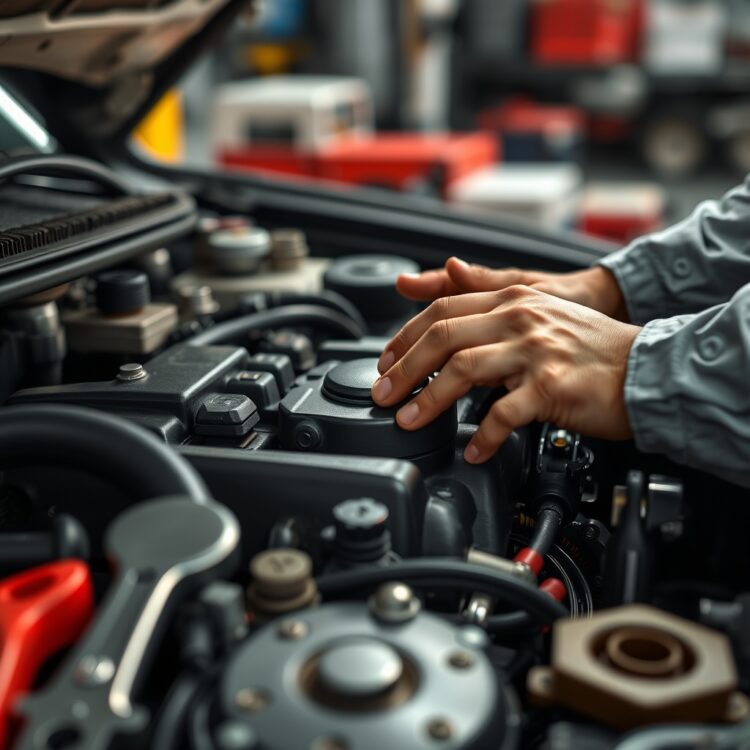
Reliability isn’t just about the car—it’s also about how you care for it. I’ve learned that regular maintenance is the cornerstone of a trouble-free ownership experience. Simple things like oil changes, tyre rotations, and brake inspections can prevent major issues down the line. Neglecting these basics, on the other hand, can turn even the most reliable car into a money pit.
Following the manufacturer’s recommended service schedule is non-negotiable. I’ve spoken to countless owners who skipped routine maintenance, only to face costly repairs later. Investing a little time and money upfront can save you a fortune in the long run. Remember, a reliable car is a well-maintained car.
How Many Years/KM Should You Expect a Car to Run Smoothly For
Average Lifespan of Reliable Cars
When it comes to car reliability, longevity is a key factor. Most well-built cars can last between 150,000 to 200,000 miles (240,000 to 320,000 km) with proper maintenance. Brands like Toyota and Honda are renowned for their durability, often surpassing these figures. For example, the Vauxhall Corsa VXR has a solid reputation for reliability, especially when maintained correctly.
However, the lifespan of a car isn’t just about mileage. Factors like driving conditions, climate, and maintenance routines play a huge role. A car driven in harsh weather or stop-and-go traffic may wear out faster than one cruising on highways. Regular servicing, timely oil changes, and addressing minor issues before they escalate can significantly extend your car’s life.
Extending Your Car’s Life
To get the most out of your car, proactive care is essential. Stick to the manufacturer’s maintenance schedule, and don’t skip routine checks. Simple habits like warming up the engine in cold weather and avoiding aggressive driving can also make a big difference. Investing in quality parts and fluids might cost more upfront, but it pays off in the long run.
Another tip is to keep an eye on the car’s electronics and software updates. Modern cars rely heavily on technology, and outdated software can lead to performance issues. For instance, the Vauxhall Corsa VXR benefits from regular software updates to ensure optimal performance. Treat your car well, and it’ll reward you with years of smooth driving.
Budgeting for Upkeep: How Much Should You Reasonably Budget
Routine Maintenance Costs
Owning a car isn’t just about the initial purchase; upkeep costs add up over time. On average, you should budget around £500 to £1,000 annually for routine maintenance. This includes oil changes, tyre rotations, brake pads, and other wear-and-tear items. Reliable cars like the Suzuki Alto tend to have lower maintenance costs, making them a smart choice for budget-conscious buyers.
It’s also wise to set aside funds for seasonal checks, such as winter tyre changes or air conditioning servicing. Skipping these can lead to costly repairs down the line. Remember, preventive maintenance is always cheaper than major repairs. A well-maintained car not only runs better but also retains its value longer.
Unexpected Repairs
No matter how reliable your car is, unexpected repairs can pop up. It’s a good idea to have an emergency fund of at least £1,000 to cover surprises like a failed alternator or a busted radiator. Some cars, like the Vauxhall Corsa VXR, are known for specific issues, so researching common problems can help you prepare financially.
Consider extended warranties or service plans if you’re worried about high repair costs. These can provide peace of mind, especially for older or high-performance vehicles. At the end of the day, budgeting for both routine and unexpected expenses ensures you’re never caught off guard.

Does a Car’s Reliability Impact Insurance Premiums
Insurance Companies’ Perspective
Insurance providers love reliable cars because they’re less likely to break down or be involved in accidents. This often translates to lower premiums for models with a strong reliability record. For example, the Suzuki Alto is a favourite among insurers due to its low repair costs and solid track record. On the flip side, high-performance or luxury cars often come with higher premiums due to their expensive parts and higher risk profiles.
Insurers also consider theft rates and safety ratings when calculating premiums. A car with advanced safety features and a low theft rate will generally cost less to insure. It’s worth checking reliability ratings and safety scores before buying a car, as these can significantly impact your insurance costs.
How to Lower Your Premiums
There are several ways to reduce your insurance premiums, regardless of your car’s reliability. Installing a dashcam or an alarm system can lower your risk profile and earn you discounts. Opting for a higher excess can also reduce your premium, but make sure you can afford the out-of-pocket cost if you need to claim.
Another strategy is to bundle your car insurance with other policies, like home insurance, for a multi-policy discount. Finally, maintaining a clean driving record is one of the best ways to keep premiums low. Safe driving not only saves you money but also keeps you and others safe on the road.
Consumer Reviews and Feedback
TrustPilot Reviews
When it comes to gauging a car’s reliability, TrustPilot reviews are a goldmine of real-world experiences. I’ve spent hours sifting through feedback, and one thing’s clear: brands like Toyota and Honda consistently earn high marks for dependability. Owners rave about their longevity, often mentioning how their vehicles run smoothly for years with minimal issues. It’s no surprise these brands dominate the automotive blog discussions.
On the flip side, some models—especially those from less reliable brands—draw complaints about frequent breakdowns and costly repairs. TrustPilot’s unfiltered reviews highlight patterns that manufacturers might not advertise, making it a must-check resource before buying. If a car has recurring electrical or mechanical problems, you’ll likely find them documented here.
Personal Testimonies
Beyond formal reviews, personal testimonies from friends, family, and online forums add another layer of insight. I’ve heard countless stories of drivers swearing by their Corsa VXR for its balance of performance and reliability. These anecdotes often reveal nuances that stats alone can’t capture, like how a car handles daily wear and tear or unexpected road conditions.
One standout theme is the importance of maintenance. Even the most reliable cars can falter if neglected. Many owners emphasise sticking to service schedules and using quality parts—a small investment that pays off in long-term reliability. It’s a reminder that while brand reputation matters, how you care for your car is equally critical.
Expert Opinions on Car Reliability
Industry Analysts
Industry analysts bring a data-driven perspective to car reliability. Firms like J.D. Power and What Car? publish annual rankings based on extensive surveys and testing. Their findings often align with consumer feedback, highlighting brands like Lexus and Suzuki for their low problem rates. These reports are invaluable for cutting through marketing hype and focusing on hard evidence.
Analysts also track emerging trends, such as how newer technologies like hybrid systems impact reliability. While innovations can introduce teething issues, brands with a strong track record tend to adapt faster. It’s a reminder that reliability isn’t static—it evolves with the industry.
Automotive Engineers
Automotive engineers offer a behind-the-scenes look at what makes a car reliable. I’ve spoken to a few who stress the importance of robust design and quality materials. For example, Vauxhall’s Corsa VXR earns praise for its durable engine components, a key factor in its longevity. Engineers also highlight the role of manufacturing consistency—brands with tight quality control tend to produce fewer lemons.
One engineer’s advice stuck with me: “Reliability starts on the drawing board.” It’s a reminder that a car’s dependability is baked into its design, not just a happy accident. This insight is especially useful when evaluating newer models without extensive real-world data.
Making an Informed Decision
Balancing Cost and Reliability
Finding the sweet spot between affordability and reliability can be tricky. I’ve learned that while budget cars might save upfront, their higher maintenance costs can negate the savings. Brands like Kia and Hyundai offer a compelling middle ground, blending reasonable prices with solid reliability. It’s worth checking Suzuki Alto’s reliability for budget-friendly options.
Leasing or buying certified pre-owned (CPO) vehicles are other ways to balance cost and reliability. CPO cars often come with warranties and rigorous inspections, reducing the risk of unexpected issues. It’s a strategy I’ve seen many savvy buyers use to get more bang for their buck.
Final Recommendations
After weighing all the factors—consumer reviews, expert opinions, and personal needs—I’d recommend prioritising brands with proven reliability records. Toyota, Honda, and Lexus are perennial favourites, but don’t overlook rising stars like Kia and Hyundai. For performance enthusiasts, the Corsa VXR offers a rare mix of thrills and dependability.
Ultimately, the best car for you depends on your priorities. Whether it’s fuel efficiency, low maintenance costs, or sheer driving pleasure, aligning those goals with reliable models ensures a satisfying ownership experience. Happy driving!
Frequently Asked Questions
What is the most reliable car brand in 2024?
Toyota and Lexus consistently top reliability rankings due to their durable engineering and low reported issues. Brands like Honda and Mazda also perform well, offering a balance of affordability and dependability. Always check the latest industry reports for up-to-date insights.
How does maintenance impact car reliability?
Regular maintenance is crucial for longevity. Skipping oil changes or ignoring warning signs can turn even the most reliable car into a money pit. Stick to the manufacturer’s service schedule and use quality parts to keep your vehicle running smoothly.
Are newer cars more reliable than older models?
Not always. While newer cars benefit from advanced technology, they can also have unproven components. Older models with a track record of reliability and simpler designs often outperform flashy but untested newcomers.
Does car reliability affect insurance premiums?
Yes, insurers often charge lower premiums for reliable cars because they’re less likely to break down or be involved in accidents. Models with high safety ratings and low repair costs typically enjoy the best rates.
What’s the best way to check a car’s reliability before buying?
Combine multiple sources: read consumer reviews on TrustPilot, consult expert rankings from J.D. Power, and seek personal testimonies. A pre-purchase inspection by a trusted mechanic can also uncover hidden issues.