Introduction
If you’ve ever owned a Ford Focus or are considering one, you know it’s a car with a lot to offer—but it’s not without its quirks. From engine hiccups to electrical gremlins, the Focus has its share of common problems. I’ve spent years digging into these issues, and today, I’m sharing what I’ve learned. Whether you’re a current owner or a prospective buyer, understanding these pitfalls can save you time, money, and headaches. Let’s dive in.
Key Takeaways
- Engine misfires and overheating control modules are frequent headaches for Focus owners.
- Transmission issues, especially in automatic models, can lead to costly repairs.
- Electrical faults, like battery drain and touchscreen failures, are widespread.
- Cooling system leaks and overheating are common but preventable with regular checks.
- Early identification of problems can significantly reduce repair costs.
Introduction to Ford Focus Common Problems
Overview of Ford Focus reliability
The Ford Focus has long been a favourite for its balance of affordability and performance. However, reliability can be hit or miss, depending on the model year. While some owners swear by their Focus, others face recurring issues that tarnish the car’s reputation. Understanding these patterns is key to making an informed decision. For more insights on car reliability, check out our automotive blog.
Importance of identifying common problems early
Catching problems early can mean the difference between a minor fix and a major repair. For instance, addressing a coolant leak promptly can prevent engine overheating, saving you thousands. Regular maintenance and awareness of common issues are your best defences. If you’re curious about how other cars stack up, our guide on common UK cars offers valuable comparisons.
Engine-Related Issues in Ford Focus
When it comes to the Ford Focus, engine misfires are a frequent headache for owners. These misfires often stem from faulty spark plugs, ignition coils, or even fuel injectors. The result? A rough idle, poor acceleration, and that dreaded check engine light. If you’re experiencing this, don’t ignore it—what starts as a minor hiccup can escalate into a costly repair if left unchecked. We’ve seen it too often, and trust us, it’s not worth the gamble.
Another common issue is the engine cutting out unexpectedly. This can be terrifying, especially at higher speeds. The culprit is usually a failing throttle body or a malfunctioning mass airflow sensor. Replacing these components isn’t always cheap, but it’s far better than risking a breakdown. And let’s not forget the overheating control module—this little gremlin can cause your engine to overheat without warning. Regular coolant checks and timely replacements are your best defence here.
Common Engine Misfires and Their Causes
Misfires in the Ford Focus are often linked to worn-out spark plugs or failing ignition coils. These components are critical for smooth engine operation, and when they fail, the engine stutters. We recommend replacing spark plugs every 30,000 miles and keeping an eye on ignition coils. A diagnostic scan can pinpoint the exact issue, saving you time and money in the long run.
Solutions for Engine Cuts Out
If your Focus’s engine cuts out, start by checking the throttle body and mass airflow sensor. These parts are notorious for causing such issues. Cleaning or replacing them can often resolve the problem. For persistent issues, a professional diagnostic is advisable. Don’t let a minor fault turn into a major headache—address it early.
Addressing Overheating Control Module Issues
The overheating control module is another weak spot. Symptoms include erratic temperature readings and sudden overheating. Replacing the module is usually the fix, but ensure your coolant levels are topped up to prevent further damage. Regular maintenance is key to avoiding these issues altogether.
Transmission Problems Specific to Ford Focus
The Ford Focus is no stranger to transmission woes, especially in automatic models. Slipping gears are a telltale sign of trouble, often caused by low transmission fluid or worn clutch plates. This isn’t just annoying—it’s a safety hazard. If your Focus hesitates or jerks during gear changes, it’s time for a check-up. Ignoring it could lead to a complete transmission failure.
Jerky behaviour in automatic transmissions is another common complaint. This is often due to a faulty transmission control module or dirty fluid. A fluid flush might help, but if the problem persists, the module may need replacing. And let’s talk about leaks—a leaking transmission is a disaster waiting to happen. The repair costs can be steep, but driving with a leak is a gamble you don’t want to take.
Identifying Slipping Gears in Automatic Transmissions
Slipping gears usually indicate low fluid levels or worn components. Check your transmission fluid first—if it’s dark or smells burnt, a flush is overdue. For persistent slipping, a mechanic should inspect the clutch plates and other internal parts. Early intervention can save you from a costly rebuild.
Solutions for Jerky Automatic Transmission Behaviour
Jerky shifts are often caused by a malfunctioning transmission control module or dirty fluid. A fluid change might solve the issue, but if not, the module may need replacing. Don’t delay—this problem won’t fix itself.
Cost and Repair for Leaking Transmission
Transmission leaks are serious business. The repair cost depends on the leak’s source, but it’s rarely cheap. Seals and gaskets are common culprits, but internal damage can also cause leaks. Either way, get it fixed ASAP to avoid further damage.
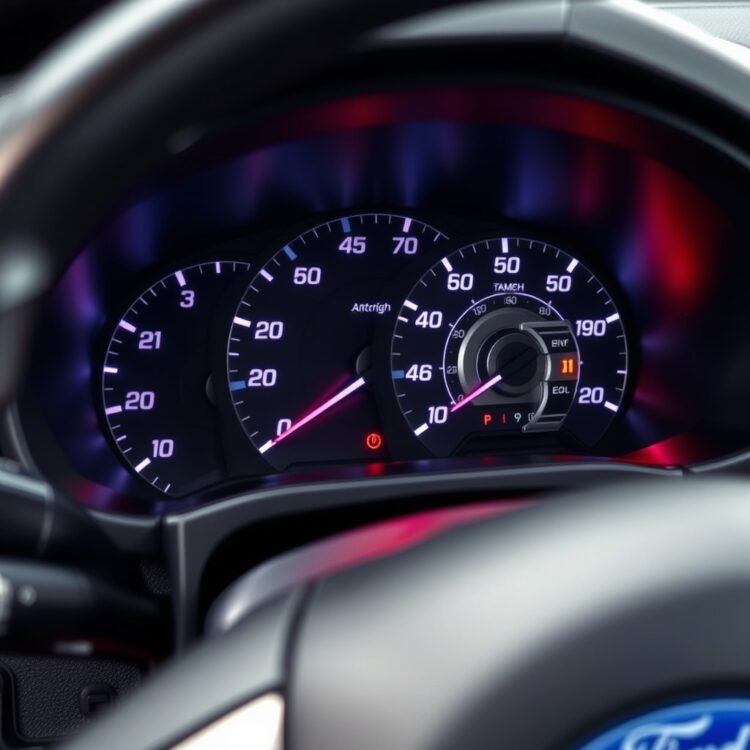
Electrical System Faults
Electrical gremlins plague many Ford Focus models, starting with excessive battery discharge. This is often due to a parasitic drain—something is drawing power even when the car is off. Tracking down the culprit can be tricky, but common suspects include faulty alternators or aftermarket accessories. A professional diagnostic is your best bet here.
Alternator problems are another headache. A failing alternator can leave you stranded with a dead battery. Symptoms include dim lights and a weak start. If you notice these signs, test the alternator immediately. And then there’s the touchscreen—many Focus owners report unresponsive or glitchy screens. This is often a software issue, but sometimes a hardware replacement is needed.
Excessive Battery Discharge Causes and Fixes
Parasitic drains are the usual suspects for battery discharge. Start by checking for aftermarket devices or faulty wiring. If the problem persists, a mechanic can perform a drain test to pinpoint the issue. Replacing the battery or alternator might be necessary, but don’t skip the diagnostic—it’s worth every penny.
Alternator Problems and Their Impact
A failing alternator can’t keep the battery charged, leading to frequent dead batteries. If your lights dim or the battery warning light comes on, test the alternator ASAP. Replacement is often the only solution, but it’s better than being stranded.
Faulty Touchscreen and Electrical Gremlins
Touchscreen issues are frustrating but common. A software update might fix it, but if not, the screen may need replacing. For other electrical gremlins, a systematic approach is key—check fuses, wiring, and connections before diving into major repairs.
For more in-depth guidance on electrical faults, check out this authoritative resource from Ford Owners Club.
Cooling System Complications
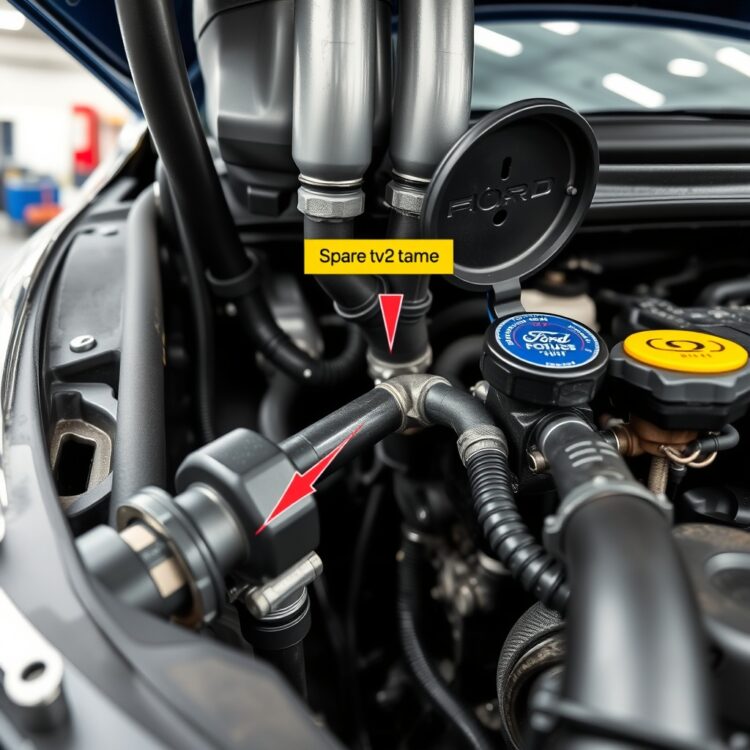
One of the most frequent issues we encounter with the Ford Focus is coolant leaks. These leaks often stem from worn-out hoses or a failing radiator. If you notice a puddle of bright green or orange fluid under your car, it’s likely coolant. Ignoring this can lead to overheating, which is a recipe for engine disaster. Regular inspections of the cooling system can save you from costly repairs down the line.
Overheating is another common problem, especially in older models. The Focus’s cooling system can struggle under heavy loads or in hot weather. If your temperature gauge spikes, pull over immediately to avoid engine damage. Simple fixes like flushing the coolant or replacing the thermostat can often resolve the issue. For more severe cases, a professional mechanic might need to step in.
Coolant leaks identification and repair
Identifying a coolant leak early is crucial. Look for stains under the car or a sweet smell inside the cabin. The most common leak points are the radiator, water pump, and hoses. Replacing a cracked hose is straightforward, but a leaking radiator might require professional attention. Always use the correct coolant type to prevent further damage.
Repairing coolant leaks isn’t just about fixing the immediate issue. It’s about preventing future problems. Regularly check your coolant levels and inspect the system for signs of wear. A well-maintained cooling system ensures your Focus runs smoothly, even in the harshest conditions.
Preventing overheating in Ford Focus models
Preventing overheating starts with routine maintenance. Ensure your coolant is topped up and free of contaminants. The Focus’s cooling fan should also be checked regularly, as a faulty fan can lead to overheating in traffic. If your car overheats frequently, consider upgrading to a higher-capacity radiator for better performance.
Driving habits play a role too. Avoid pushing your Focus too hard in extreme temperatures. If you’re towing or carrying heavy loads, monitor the temperature gauge closely. A little caution goes a long way in keeping your engine cool and your Focus on the road.
Braking System Concerns
The Ford Focus isn’t immune to braking issues. A common warning sign is the brake warning light illuminating on your dashboard. This could indicate low brake fluid or a more serious problem like worn brake pads. Don’t ignore it—your safety depends on a fully functional braking system.
A stiff brake pedal is another frequent complaint. This often points to a vacuum leak in the brake booster or a failing master cylinder. While some drivers adapt to the stiffness, it’s a sign that your brakes aren’t operating at peak efficiency. Addressing it early can prevent more expensive repairs later.
Brake warning light what it signifies
When the brake warning light comes on, it’s time to act. Low brake fluid is the most common cause, but it could also signal worn brake pads or a hydraulic issue. Check the fluid level first. If it’s low, top it up and inspect for leaks. If the light stays on, a professional diagnosis is essential.
Ignoring the brake warning light is a gamble you don’t want to take. Brake failure is a real risk, and the consequences can be catastrophic. Regular brake inspections are a small price to pay for peace of mind and safety on the road.
Stiff brake pedal causes and solutions
A stiff brake pedal can make driving your Focus feel like a workout. The usual suspects are a faulty brake booster or a clogged brake line. Replacing the booster is a job for a mechanic, but checking the vacuum hose for cracks is something you can do at home.
If the pedal feels stiff but the brakes still work, don’t delay repairs. The problem will only worsen over time. A smooth, responsive brake pedal is key to safe driving, so don’t settle for anything less.
Brake hose problems and safety implications
Brake hoses are often overlooked until they fail. Cracks or bulges in the hoses can lead to brake fluid leaks, reducing stopping power. If you notice a soft pedal or fluid under the car, inspect the hoses immediately. Replacing them is relatively inexpensive but vital for safety.
Brake hose failure isn’t just inconvenient—it’s dangerous. A sudden loss of braking power can lead to accidents. Regular inspections and timely replacements ensure your Focus stops when you need it to.
Suspension and Steering Issues
Creaking noises from the front axle are a telltale sign of suspension problems in the Ford Focus. Worn-out bushings or ball joints are usually to blame. While the noise might seem minor, it indicates components that are nearing the end of their lifespan. Addressing it early can prevent more severe damage.
Power steering issues are another headache, particularly in newer models. A whining noise or heavy steering could mean low fluid or a failing pump. Regular checks of the power steering fluid level can help you catch problems before they escalate.
Creaking front axle diagnosis and repair
Diagnosing a creaking front axle starts with a visual inspection. Look for worn bushings or damaged ball joints. Replacing these parts can restore smooth, quiet operation. If you’re unsure, a mechanic can pinpoint the issue quickly. Don’t let a small noise turn into a big repair bill.
Ignoring suspension noises can lead to uneven tire wear or even loss of control. The Focus’s suspension is robust, but it needs regular attention to stay in top shape. A quiet, smooth ride is worth the effort.
Power steering problems in newer models
Newer Focus models sometimes suffer from power steering glitches. Electric power steering systems can fail unexpectedly, leaving you with heavy steering. Software updates or component replacements often fix the issue. If your steering feels off, don’t wait—get it checked.
Power steering problems aren’t just annoying; they’re a safety hazard. Difficulty steering can make avoiding obstacles or navigating tight spaces challenging. Regular maintenance and prompt repairs keep your Focus easy to handle.
Fuel System and Emissions
Fuel pipe leaks are a serious concern in the Ford Focus. These leaks not only waste fuel but also pose a fire hazard. If you smell petrol or notice a drop in fuel efficiency, inspect the pipes immediately. Small leaks can often be repaired, but severe damage might require a full replacement.
The oil filler cap problem is another quirk of the Focus. A faulty cap can lead to oil leaks and increased emissions. Replacing the cap is a simple fix, but ignoring it can cause bigger issues. Always use a genuine Ford part to ensure a proper seal.
Fuel pipe leaks risks and repairs
Fuel pipe leaks are more than just messy—they’re dangerous. Petrol is highly flammable, and even a small leak can lead to a fire. Inspect the pipes regularly for cracks or loose connections. If you find a leak, address it immediately. For complex repairs, trust a professional.
Preventing fuel leaks starts with using quality parts and proper installation. Cheap aftermarket pipes might save money upfront but can cost you more in the long run. Invest in durability to keep your Focus running safely.
Oil filler cap problem and its effects
A faulty oil filler cap might seem trivial, but it can cause significant issues. Oil leaks from a loose cap can damage engine components and create a mess under the hood. Replace the cap if it’s cracked or doesn’t seal properly. It’s a small part with a big job.
Regularly checking the oil filler cap is a simple habit that pays off. It ensures your engine stays clean and efficient. Don’t overlook this small but critical component.
For more detailed guidance on common car issues, check out our comprehensive resources. If you’re interested in performance comparisons, we’ve got you covered. Learn about custom modifications or explore speed insights. For authoritative advice on fuel pipe leaks, visit YourMechanic.
Interior and Exterior Build Quality
One of the most frustrating issues we’ve encountered with the Ford Focus is water leaks. These often stem from poorly sealed door seals or clogged drainage channels. If you notice damp carpets or a musty smell, it’s time to inspect the seals and clear any blockages. Ignoring this can lead to mould growth and electrical damage, so addressing it early is crucial.
Another common headache is the door latch problem, which can cause doors to fail to close properly or even open unexpectedly while driving. This isn’t just an inconvenience—it’s a safety hazard. Replacing the faulty latch is usually the fix, but regular lubrication can help prevent the issue. For more details on common Ford issues, check out our guide.
Safety Features and Recalls
Recent recalls have highlighted airbag problems in certain Ford Focus models, particularly those from 2011-2018. Faulty inflators can deploy incorrectly, increasing the risk of injury. If your vehicle is affected, Ford will replace the airbag module free of charge. Always check the manufacturer’s website or our recall database for updates.
Beyond recalls, some owners report issues with the Focus’s stability control system, which can activate unnecessarily on smooth roads. This often stems from faulty sensors or software glitches. A dealership can recalibrate the system, but it’s worth noting that this isn’t always covered under warranty. For a deeper dive into repair costs, we’ve got you covered.
Models Year Specific Problems
The 2004-2011 Focus models are notorious for rusting around the wheel arches and undercarriage. Regular inspections and rust-proofing treatments can mitigate this, but once rust sets in, repairs can be costly. Additionally, these older models often suffer from failing ignition coils, leading to misfires and rough idling.
For 2011-2018 models, the dual-clutch transmission is the Achilles’ heel. Jerky shifts and premature wear are common complaints. Ford extended the warranty for this issue, but many owners still face repeated repairs. Newer models (2018-present) have fewer reported problems, but early signs suggest potential issues with the infotainment system freezing or rebooting unexpectedly.
Cost of Ownership and Maintenance
Owning a Ford Focus isn’t just about the purchase price—it’s the ongoing costs that add up. Repairing common issues like transmission faults or electrical gremlins can range from £500 to £2,000, depending on severity. Regular servicing is key to avoiding these hefty bills, and sticking to the manufacturer’s schedule can save you thousands over time.
To reduce maintenance costs, consider sourcing parts from reputable suppliers and tackling minor fixes yourself. However, for complex issues like transmission or electrical faults, professional help is non-negotiable. For more tips on managing running costs, explore our detailed analysis. Additionally, this external guide offers valuable insights into long-term reliability.
DIY Fixes vs Professional Repairs
When to attempt a DIY fix
We’ve all been there—staring at a problem and wondering if we can tackle it ourselves. For minor issues like replacing a blown fuse or fixing a squeaky door hinge, a DIY approach can save time and money. The Ford Focus, like any car, has its quirks, but some fixes are straightforward. If you’re comfortable with basic tools and have a reliable guide, tasks like changing the air filter or topping up fluids are manageable. Just remember, safety first—always disconnect the battery before working on electrical components.
However, not every problem is a DIY candidate. If you’re unsure, it’s better to consult a professional. For example, while replacing brake pads might seem simple, improper installation can lead to serious safety risks. We recommend starting with small projects and building confidence. Websites like Lowes Auto’s blog offer great tips for beginners. But if the issue involves complex systems like the transmission or engine, it’s best to leave it to the experts.
Problems that require professional attention
Some problems are simply too complex or risky for a DIY fix. The Ford Focus’s notorious PowerShift transmission issues, for instance, demand specialised knowledge and tools. Jerking or shuddering during gear changes often indicates deeper problems that only a trained mechanic can diagnose and repair. Similarly, electrical gremlins—like a malfunctioning touchscreen—can stem from intricate wiring issues that require professional expertise.
Overheating or coolant leaks are another red flag. These can lead to engine damage if not addressed correctly. We’ve seen too many owners attempt fixes only to worsen the problem. If your Focus is experiencing persistent issues like these, don’t hesitate to visit a trusted garage. Investing in professional repairs now can save you from costly breakdowns later. For more insights, check out this authoritative guide on Ford Focus reliability.
Preventative Measures and Best Practices
Regular maintenance schedule for Ford Focus
Prevention is always better than cure, and the Ford Focus is no exception. We recommend sticking to a strict maintenance schedule to keep your car running smoothly. Regular oil changes—every 5,000 to 7,500 miles—are crucial for engine health. Don’t overlook the timing belt; replacing it every 60,000 miles can prevent catastrophic engine failure. The Focus’s cooling system also needs attention—flush the coolant every 30,000 miles to avoid overheating.
Brakes and tyres are another priority. Inspect brake pads every 10,000 miles and rotate tyres every 5,000 miles to ensure even wear. The Focus’s suspension components, especially in older models, can wear out quickly. Regular checks for creaks or uneven tyre wear can catch problems early. For a detailed maintenance plan, refer to your owner’s manual or consult a professional. A little effort now can save you from expensive repairs down the road.
How to avoid common problems before they start
Many Ford Focus issues can be avoided with proactive care. For example, the infamous transmission problems often stem from neglecting fluid changes. We suggest checking the transmission fluid every 20,000 miles and replacing it as needed. Electrical issues, like battery drain, can be mitigated by ensuring all accessories are turned off when the car isn’t in use. A trickle charger can also help if the car sits idle for long periods.
Rust is another enemy, especially in older models. Regularly washing the undercarriage and applying rust-proofing treatments can extend your Focus’s lifespan. Pay attention to recalls and service bulletins—Ford often addresses common problems through free repairs. Staying informed and proactive is the key to avoiding headaches. For more tips, explore Lowes Auto’s guide on common issues.
Comparing Ford Focus to Competitors
Reliability comparison with similar models
When stacked against rivals like the Volkswagen Golf or Honda Civic, the Ford Focus has its pros and cons. We’ve found the Focus offers a sportier drive and better handling, but reliability can be hit or miss. The Golf, for instance, boasts a more robust build and fewer transmission woes, while the Civic is renowned for its bulletproof engine. However, the Focus often undercuts them on price, making it a tempting choice for budget-conscious buyers.
That said, the Focus’s reliability varies by model year. Earlier models (2004-2011) are known for rust and electrical issues, while later ones (2018-present) fare better but still face transmission hiccups. If reliability is your top priority, the Civic or Golf might be safer bets. But if you’re willing to stay on top of maintenance, the Focus delivers a fun, affordable ride. For a deeper dive, check out this comparison.
Cost-benefit analysis of owning a Ford Focus
Owning a Ford Focus can be a mixed bag financially. On the plus side, parts are affordable and widely available, and insurance costs are typically lower than rivals like the Golf. Fuel efficiency is another strong suit—the Focus’s EcoBoost engines deliver impressive mileage. However, potential transmission repairs can quickly eat into savings, especially if you’re out of warranty.
Resale value is another consideration. The Focus tends to depreciate faster than competitors, so leasing or buying used might be smarter. Weighing the pros and cons, the Focus shines for drivers who prioritise driving dynamics and upfront savings. But if long-term reliability is your goal, it’s worth exploring alternatives. For more on cost comparisons, visit Lowes Auto’s analysis.
Frequently Asked Questions
What is the most common problem with the Ford Focus?
The most common issue is the PowerShift transmission, known for jerking and shuddering. Many owners report rough gear changes, especially in 2012-2016 models. Electrical problems, like battery drain and faulty touchscreens, are also frequent complaints. Regular maintenance can mitigate some of these issues, but transmission repairs often require professional help.
How much does it cost to repair a Ford Focus transmission?
Transmission repairs can range from £500 to £2,000, depending on the issue. A full replacement might cost upwards of £3,000. We recommend getting multiple quotes and checking if your car is still under warranty. Some owners have had success with Ford’s extended warranty programs for transmission issues.
Is the Ford Focus a reliable car?
Reliability varies by model year. Earlier models (2004-2011) have more reported issues, while newer ones (2018-present) are generally better but still face some transmission quirks. Regular maintenance and timely repairs can improve reliability, but it’s not as bulletproof as a Honda Civic or Toyota Corolla.
How often should I service my Ford Focus?
We recommend servicing your Focus every 10,000 miles or annually, whichever comes first. Key tasks include oil changes, brake inspections, and fluid top-ups. Following the manufacturer’s schedule in your owner’s manual is the best way to keep your car running smoothly and avoid costly repairs.