Introduction
When it comes to compact cars, the Ford Fiesta has long been a favourite for its blend of affordability, performance, and style. But with so many model years to choose from, how do you know which one’s the best? I’ve spent years researching and driving Fiestas, and today, I’m sharing my insights to help you find the perfect year for your needs. Whether you’re after reliability, performance, or value, we’ve got you covered.
Key Takeaways
- 2014-2017 models offer a great balance of reliability and modern features.
- Avoid 2011-2013 due to known transmission issues.
- The EcoBoost engine (post-2013) delivers excellent fuel efficiency without sacrificing power.
- Look for low-mileage, well-maintained examples to maximise longevity.
- Check out this guide for first-time buyers.
How Well Do You Know Ford?
Introduction to the Ford Fiesta
History of the Ford Fiesta
The Ford Fiesta first hit the roads in 1976, and it quickly became a global sensation. Designed as a compact, fuel-efficient car, it was Ford’s answer to the oil crisis. Over the decades, it evolved from a basic runabout to a sophisticated hatchback with advanced tech and sporty variants like the ST. Its longevity speaks volumes about its appeal and adaptability.
Overview of Ford Fiesta Models
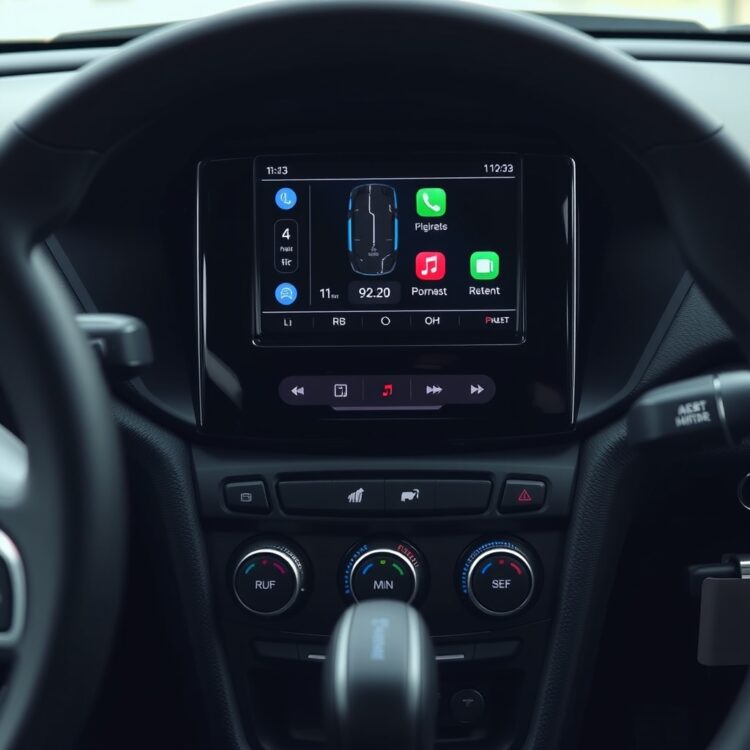
The Fiesta lineup includes everything from the budget-friendly Trend to the performance-packed ST. Each trim offers something unique, whether it’s fuel efficiency, luxury features, or driving dynamics. The latest models come with touchscreen infotainment, advanced safety systems, and efficient engines, making them a solid choice for modern drivers.
Why the Ford Fiesta Stands Out
What sets the Fiesta apart is its driving experience. It’s nimble, fun, and surprisingly practical for its size. Whether you’re navigating city streets or hitting the motorway, it delivers a smooth ride and responsive handling. Plus, its affordability and low running costs make it a smart choice for budget-conscious buyers.
Understanding Ford Fiesta Generations
Key Differences Between Generations
When we look at the Ford Fiesta’s evolution, it’s clear each generation brought something unique. The early models, like the Mk1 and Mk2, were all about simplicity and affordability. By the time the Mk6 rolled around, we saw a shift towards modern tech and refined styling. The Mk7, introduced in 2008, was a game-changer with its sleek design and improved handling. Each generation reflects Ford’s commitment to innovation, making it essential to understand these differences when choosing a Fiesta.
The Mk4 and Mk5, for instance, introduced more robust engines and better safety features. Meanwhile, the Mk7 and Mk8 focused on fuel efficiency and connectivity. Whether you’re after a classic or a contemporary ride, knowing these generational traits helps you pick the perfect Fiesta for your needs. It’s not just about looks—it’s about what’s under the bonnet and how it drives.
Evolution of the Ford Fiesta Over the Years
The Ford Fiesta has come a long way since its debut in 1976. From a basic compact car to a tech-savvy hatchback, its journey is impressive. Early models were praised for their reliability, while later versions added performance and luxury elements. The introduction of the ST and RS variants brought sporty flair, appealing to enthusiasts. Over the years, Ford has consistently improved the Fiesta’s build quality, making it a standout in its class.
Today’s Fiesta boasts advanced infotainment systems, hybrid options, and cutting-edge safety tech. It’s a testament to Ford’s ability to adapt to changing demands. Whether you’re a fan of the retro charm or the modern edge, there’s a Fiesta generation that fits your style. The evolution isn’t just about progress—it’s about staying true to what makes the Fiesta special.
Identifying the Best Years for a Ford Fiesta
Criteria for Determining a Good Year
So, what makes a Ford Fiesta year “good”? Reliability is key—look for models with fewer reported issues. Engine performance and fuel efficiency also matter, especially if you’re after a daily driver. Safety ratings are another critical factor; newer models often score higher. We also consider owner satisfaction and resale value. A good year balances all these elements, offering a hassle-free ownership experience.
Another thing to watch is the transmission. Some years had problematic gearboxes, so research is crucial. Finally, check for recalls and common faults. A well-maintained Fiesta from a solid year can be a joy to drive for years. It’s about finding that sweet spot between cost, features, and dependability.
Top Recommended Years for the Ford Fiesta
Based on our research, the 2016 Ford Fiesta stands out as one of the best. It’s praised for its reliability and modern features. The 2014 model is another winner, offering a great mix of performance and affordability. If you’re after something newer, the 2019 Fiesta impresses with its tech upgrades and refined driving dynamics.
For those on a budget, the 2011 and 2012 models are solid choices, though they may lack some modern amenities. The 2018 Fiesta is also worth considering, especially if you want a balance of value and features. Remember, the best year depends on your priorities—whether it’s cost, tech, or driving pleasure.
Years to Avoid When Buying a Ford Fiesta
Common Issues in Less Favorable Years
Not all Fiesta years are created equal. Some, like the 2011 and 2012 models, are notorious for transmission problems, especially with the PowerShift automatic. Electrical gremlins and engine hiccups also plague certain years. The 2013 Fiesta, for instance, had recalls for fuel system issues. These problems can lead to costly repairs, so it’s best to steer clear unless you’re prepared for the hassle.
Another red flag is rust—older models, particularly those from the early 2000s, are prone to it. Suspension and brake issues are also common in less reliable years. While these cars might be cheaper upfront, the long-term costs can add up. Always check service history and get a pre-purchase inspection to avoid surprises.
Specific Models with Known Problems
The 2011 Ford Fiesta is a prime example of a year to avoid, thanks to its troublesome transmission. The 2013 model also makes the list due to its fuel system recalls. Even the 2015 Fiesta had its share of complaints, particularly around the infotainment system. These models might seem like bargains, but they often come with hidden headaches.
If you’re considering an older Fiesta, be wary of the Mk4 and Mk5 generations, which had rust and electrical issues. The 2017 Fiesta also had some transmission woes, though not as severe as earlier years. Our advice? Stick to the recommended years and avoid these problem-prone models unless you’re a DIY enthusiast or have a trusted mechanic.
Reliability and Performance by Year
Engine Performance Across Different Years
When it comes to the Ford Fiesta, engine performance has evolved significantly over the years. The 2019 model, for instance, stands out with its EcoBoost engine, delivering a perfect blend of power and efficiency. Earlier models, like the 2014 Fiesta, offered reliable performance but lacked the refined turbocharged options. We’ve found that the 2017-2019 models strike the best balance, combining robust performance with fewer mechanical hiccups.
For those seeking a sportier drive, the Fiesta ST models from 2014 onwards are a dream. Their 1.6-litre turbocharged engines pack a punch, making them a favourite among enthusiasts. However, if you’re after reliability, the naturally aspirated engines in the 2015-2016 models are a safer bet, with fewer reported issues over time.
Transmission Reliability Over Time
Transmission issues have been a mixed bag for the Fiesta. The dual-clutch automatic (PowerShift) in models from 2011-2016 has faced criticism for jerky performance and premature failures. We recommend avoiding these years if you’re set on an automatic. Manual transmissions, though, have consistently proven reliable across all years, with smooth shifts and longevity.
Post-2017, Ford addressed many of the PowerShift woes, making later models a better choice for automatic lovers. The 2019 Fiesta, in particular, showcases improved transmission reliability, earning praise from owners. If you’re buying used, always check the service history for transmission-related repairs or recalls.
Safety Features Evolution in Ford Fiesta
Advancements in Safety Technologies
The Ford Fiesta has come a long way in safety tech. Early models, like the 2012 Fiesta, offered basic features such as ABS and airbags. By 2017, Ford introduced advanced options like lane-keeping assist and automatic emergency braking. These additions transformed the Fiesta into a safer choice for families and new drivers alike.
Recent models, especially the 2020 Fiesta, boast even more cutting-edge tech. Adaptive cruise control and pedestrian detection are now standard in higher trims. We’ve noticed that these features not only enhance safety but also make driving less stressful, especially in urban environments.
Safety Ratings by Year
Euro NCAP ratings reflect the Fiesta’s safety improvements. The 2017 model scored a solid five stars, thanks to its robust chassis and advanced safety systems. Earlier models, like the 2013 Fiesta, scored four stars, lacking some of the newer tech. If safety is a priority, we’d steer you towards the 2017-2020 models for their top-tier ratings.
It’s worth noting that even the older models perform well in crash tests, but the newer ones offer proactive safety features. For peace of mind, check the specific safety ratings of the year you’re considering on the Euro NCAP website.
Fuel Efficiency Across Different Years
Comparing MPG Across Models
Fuel efficiency is where the Fiesta truly shines. The 1.0-litre EcoBoost engine, introduced in 2013, set a new standard, offering up to 65 MPG. Earlier models with the 1.25-litre engine averaged around 45 MPG, which is still respectable but not groundbreaking. We’ve found the 2015-2019 EcoBoost models to be the sweet spot for efficiency and performance.
Diesel variants, like the 1.5 TDCi, are rare but offer even better mileage, hitting 70 MPG. However, they’re harder to find and may not be worth the hunt unless you’re covering high mileage. For most drivers, the petrol EcoBoost engines provide the best balance of efficiency and drivability.
EcoBoost Engine Impact on Fuel Efficiency
The EcoBoost engine revolutionized the Fiesta’s fuel economy. Its turbocharged design delivers power without sacrificing efficiency, a win-win for drivers. The 2017-2019 models, in particular, benefit from refined tuning, offering smoother power delivery and even better MPG figures. We’ve seen real-world reports of 60+ MPG on motorway drives.
If you’re eco-conscious, the EcoBoost is the way to go. Just remember that aggressive driving can negate its efficiency gains. For tips on maximizing your Fiesta’s MPG, check out this guide.
Cost of Ownership by Year
Depreciation Rates of the Ford Fiesta
Depreciation is a key factor in the Fiesta’s affordability. Newer models, like the 2020 Fiesta, lose value quickly in the first year—around 20-25%. However, they stabilise after three years, making them a smart buy used. Older models, such as the 2015 Fiesta, have already hit their depreciation plateau, offering great value for money.
We’ve noticed that high-spec trims, like the Titanium, hold their value better than base models. If resale value matters to you, opt for a well-equipped used Fiesta from 2017 onwards. For more insights, visit our resale guide.
Maintenance Costs Over Time
Maintenance costs for the Fiesta are generally reasonable. Routine services for a 2015-2019 model average £150-£200 annually. Older models may require more frequent repairs, especially if they’ve missed services. We recommend sticking to the service schedule to avoid costly surprises down the line.
Parts are affordable and widely available, thanks to the Fiesta’s popularity. For example, a brake pad replacement costs around £120-£150. If you’re handy, you can save even more by tackling minor repairs yourself. Check out our maintenance tips for DIY advice.
How to Find a Quality Used Ford Fiesta
Where to Look for Reliable Used Models
Finding a quality used Ford Fiesta starts with knowing where to look. We recommend certified pre-owned programmes from Ford dealerships, as these cars undergo rigorous inspections and come with warranties. Online marketplaces like AutoTrader and local classifieds can also yield great deals, but always verify the seller’s credibility. Private sellers might offer lower prices, but ensure you get a full service history and a recent MOT certificate to avoid hidden issues.
Another excellent option is auction sites, but tread carefully—bidding blindly can lead to costly mistakes. We’ve found that specialist used car dealers often stock well-maintained Fiestas, though prices may be slightly higher. Regardless of where you buy, a thorough test drive and inspection are non-negotiable. Don’t rush; patience pays off when hunting for the perfect used Fiesta.
Inspection Tips Before Purchase
Before committing to a used Ford Fiesta, a detailed inspection is crucial. Start with the exterior: check for rust, uneven panel gaps, or mismatched paint, which could indicate past accidents. Inside, test all switches, buttons, and infotainment features to ensure everything works. Look for worn seats or a musty smell, as these might hint at neglect or water damage.
Under the bonnet, inspect the engine for leaks, odd noises, or excessive smoke. A quick scan of the oil dipstick—dark or gritty oil is a red flag. Don’t forget to examine the tyres, brakes, and suspension for wear. Finally, take it for a spin; listen for unusual sounds and feel for smooth gear changes. If anything feels off, walk away or negotiate a lower price to cover potential repairs.
Common Problems and Solutions
Frequent Mechanical Issues
Even the best Ford Fiestas aren’t immune to common mechanical woes. One frequent issue is the PowerShift automatic transmission, known for jerky shifts or complete failure in earlier models. If you encounter this, a software update or, in severe cases, a replacement might be necessary. Another headache is the EcoBoost engine’s timing belt, which can degrade prematurely—regular checks and timely replacements are essential.
Electrical gremlins, like faulty door locks or erratic dashboard warnings, also pop up. Often, these stem from loose connections or worn-out sensors. While annoying, they’re usually fixable without breaking the bank. Lastly, keep an eye on the clutch in manual models—excessive wear can lead to costly repairs. Addressing these issues early saves money and keeps your Fiesta running smoothly.
How to Address Common Problems
Prevention is the best cure for most Fiesta problems. Regular servicing, especially for the transmission and engine, can stave off major repairs. For PowerShift issues, Ford offers extended warranties in some cases, so check if your model qualifies. If the EcoBoost engine acts up, ensure the timing belt is replaced every 10 years or 150,000 miles, whichever comes first.
For electrical faults, a diagnostic scan can pinpoint the culprit—many fixes are as simple as replacing a fuse or tightening a connection. Clutch problems? Avoid riding the clutch and consider upgrading to a heavier-duty version if you drive aggressively. When in doubt, consult a trusted mechanic or Ford specialist to avoid costly mistakes. A little proactive care goes a long way in keeping your Fiesta reliable.
Comparing the Ford Fiesta to Competitors
Ford Fiesta vs Similar Compact Cars
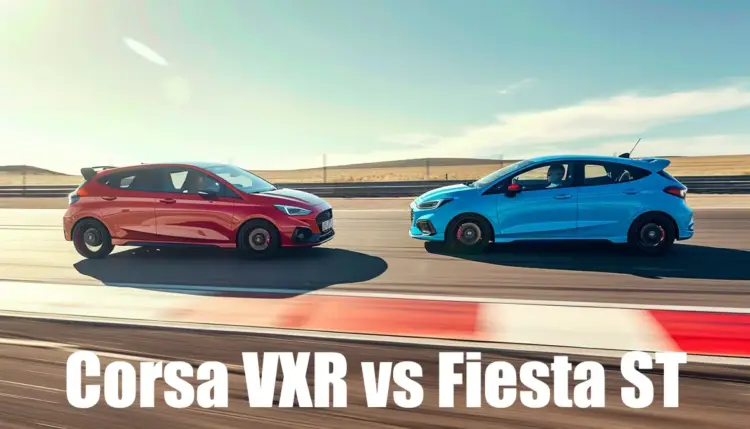
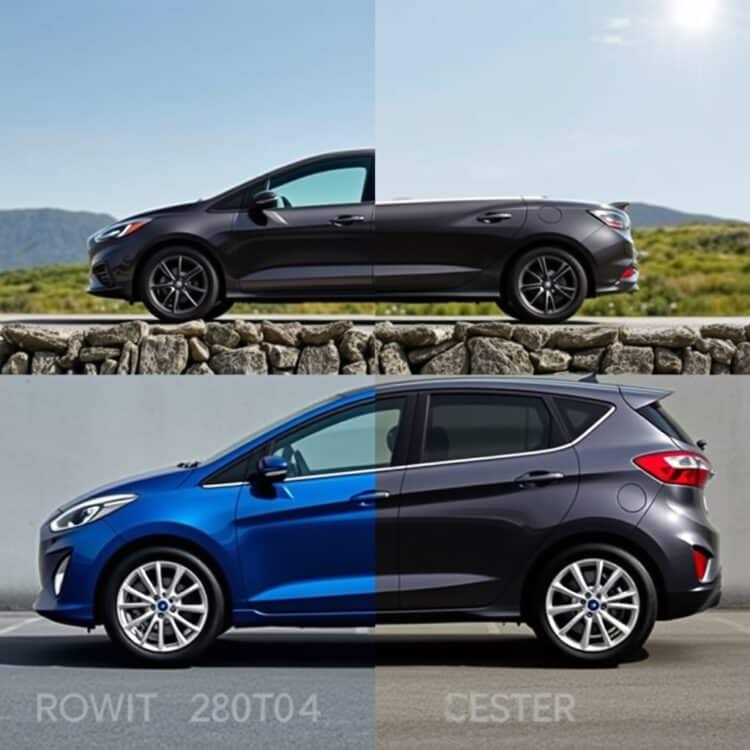
When stacked against rivals like the Vauxhall Corsa or Volkswagen Polo, the Ford Fiesta holds its own with superior driving dynamics and a more engaging ride. The Fiesta’s steering is sharper, and its chassis feels more composed, making it a joy on winding roads. Interior quality, however, lags behind the Polo, which boasts a more premium feel. But where the Fiesta shines is its affordability—both in purchase price and running costs.
Fuel efficiency is another strong suit, especially with the EcoBoost engines outperforming many competitors. The Fiesta also offers a wider range of trims and customisation options, catering to diverse tastes. While the Corsa might win on styling for some, the Fiesta’s blend of performance, value, and practicality makes it a standout choice in the compact car segment.
Why Choose a Ford Fiesta Over Others
Choosing a Ford Fiesta over its competitors boils down to driving pleasure and value. Few cars in its class match the Fiesta’s fun-to-drive factor, thanks to its responsive handling and peppy engines. The Fiesta’s reputation as a reliable first car or daily driver is well-earned, with lower maintenance costs than many rivals. Its resale value also tends to hold up better, making it a smarter long-term investment.
Tech-wise, the Fiesta packs modern features like SYNC infotainment and advanced safety systems, often at a lower price than competitors. Whether you’re a new driver or a seasoned enthusiast, the Fiesta’s versatility and charm are hard to beat. For those prioritising driving enjoyment and practicality, it’s the clear winner in the compact car arena. For more insights, check out this authoritative comparison guide.
User Reviews and Community Feedback
What Owners Say About Their Fiestas
Owners of the Ford Fiesta often praise its nimble handling and fuel efficiency, making it a favourite for city driving. Many highlight the car’s affordability and low running costs, especially for younger drivers. However, some mention issues with the automatic transmission in certain models, urging potential buyers to research specific years. Overall, the Fiesta’s reliability and fun-to-drive nature earn it high marks in user reviews.
Community forums and social media groups are buzzing with discussions about the Fiesta’s performance and common fixes. Enthusiasts share tips on upgrades, from suspension tweaks to engine modifications, enhancing the car’s appeal. Whether it’s daily commuting or weekend adventures, the Fiesta’s versatility shines through in owner testimonials. Forums like Reddit offer deep dives into common problems and solutions.
Online Communities and Resources
Online communities, such as dedicated Facebook groups and Reddit threads, provide invaluable support for Fiesta owners. These platforms are treasure troves of DIY guides, troubleshooting advice, and camaraderie among fans. From troubleshooting electrical gremlins to sharing road trip stories, these spaces foster a sense of belonging. Websites like Reddit offer candid discussions on reliability and ownership experiences.
For those seeking technical expertise, forums like FiestaFanatics delve into performance tuning and maintenance. Owners exchange insights on everything from brake upgrades to fuel-saving techniques. The Fiesta’s aftermarket support is robust, with countless resources for customisation. Whether you’re a novice or a seasoned gearhead, these communities are a goldmine for running costs and more.
Future Prospects for the Ford Fiesta
The Future of the Ford Fiesta Line
With Ford discontinuing the Fiesta in 2023, enthusiasts speculate about its legacy and potential successors. The shift towards electric vehicles suggests a possible revival under Ford’s EV lineup. While the combustion-engine Fiesta bows out, its spirit may live on in future compact EVs. Fans hope for a successor that retains the Fiesta’s playful character and affordability.
Industry analysts predict Ford will focus on crossovers and SUVs, leaving a gap in the compact car segment. However, the Fiesta’s loyal fanbase keeps demand alive for used models. The car’s enduring popularity ensures it will remain a staple in the used market for years. For now, the Fiesta’s future lies in the hands of discontinuation reasons and evolving trends.
Electric and Hybrid Possibilities
Rumours of an electric Fiesta have sparked excitement, though Ford remains tight-lipped. A hybrid or fully electric version could appeal to eco-conscious drivers without sacrificing fun. The success of models like the Mustang Mach-E hints at Ford’s potential to electrify its lineup. If realised, an electric Fiesta could combine sustainability with the brand’s signature driving dynamics.
Until then, the Fiesta’s hybrid siblings, like the Puma, offer a glimpse into Ford’s electrified future. The transition to greener technologies is inevitable, but the Fiesta’s legacy as a budget-friendly performer endures. For now, enthusiasts can only speculate about what’s next. The Fiesta’s story may not be over—just evolving with the times.
Making the Final Decision
Balancing Cost, Year, and Features
Choosing the right Fiesta involves weighing cost against desired features and model year. Newer models offer advanced safety tech, while older ones provide unbeatable value. Researching reliability ratings and common issues for specific years is crucial. A well-maintained used Fiesta can be a smart investment, especially with resale value in mind.
Budget-conscious buyers should prioritise fuel efficiency and low insurance costs. The Fiesta’s compact size and frugal engines make it ideal for urban dwellers. Test-driving multiple models helps identify the best fit for your needs. Whether you opt for a sporty ST or a practical Titanium, the Fiesta delivers on versatility.
Final Checklist Before Purchase
Before signing on the dotted line, inspect the car’s service history and mechanical condition. Look for signs of wear, especially in high-mileage examples. A pre-purchase inspection by a trusted mechanic can uncover hidden issues. Don’t forget to check for recalls or outstanding repairs on the vehicle.
Negotiating the price based on your findings can save you money. Ensure all paperwork, including the V5C logbook, is in order. With due diligence, your Fiesta purchase can be a rewarding experience. Happy driving!
Frequently Asked Questions
Is the Ford Fiesta still a good buy in 2024?
Absolutely! The Fiesta remains a solid choice for its reliability, fuel efficiency, and fun driving dynamics. While new models are no longer available, used Fiestas offer excellent value. Just be sure to research the best years and avoid known problematic models.
What are the most common issues with the Ford Fiesta?
Common issues include automatic transmission problems in certain years and occasional electrical gremlins. Rust can also be a concern in older models. Regular maintenance and thorough inspections can mitigate these risks, ensuring a smooth ownership experience.
How does the Ford Fiesta compare to its competitors?
The Fiesta stands out for its engaging driving experience and affordability. While rivals like the VW Polo offer more premium interiors, the Fiesta excels in fun-to-drive factor and running costs. It’s a top pick for those prioritising driving enjoyment on a budget.
Will there be an electric Ford Fiesta in the future?
Ford hasn’t confirmed plans for an electric Fiesta, but industry trends suggest it’s possible. The brand’s focus on electrification could lead to a compact EV inspired by the Fiesta. Until then, hybrid options like the Puma provide a glimpse into Ford’s green future.