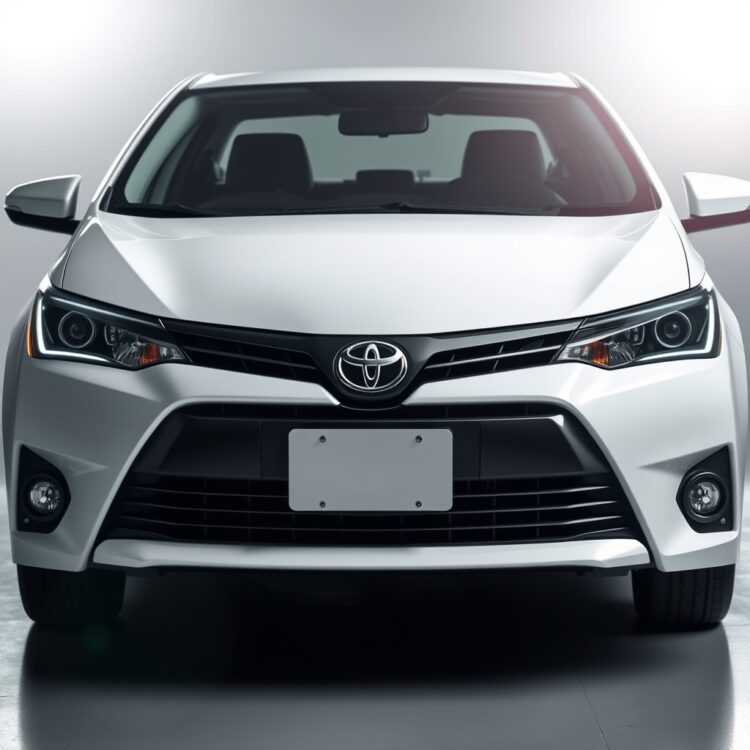
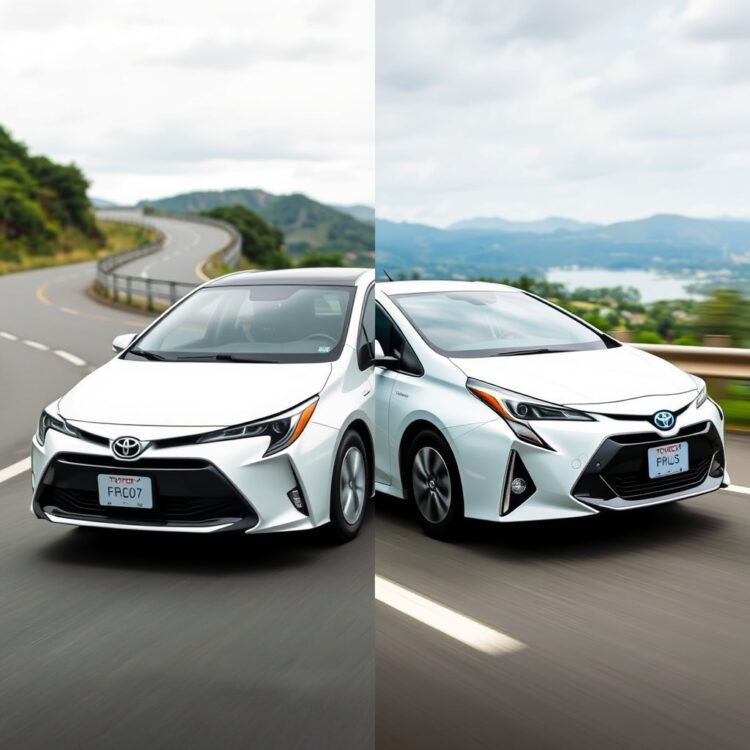
Understanding the Toyota Corolla Hybrid’s Fuel System
When it comes to fuel efficiency, the Toyota Corolla Hybrid stands out as a game-changer. I’ve always been fascinated by how its hybrid system seamlessly combines a petrol engine with an electric motor to deliver impressive mileage. But how does this affect the cost of filling up? Let’s dive into the mechanics and uncover the secrets behind its fuel consumption.
Key Takeaways
- The Toyota Corolla Hybrid’s dual-power system reduces fuel consumption, especially in city driving.
- Regenerative braking boosts efficiency by converting kinetic energy into electricity.
- A smaller gas tank is offset by the car’s superior fuel efficiency.
- Hybrids offer long-term savings despite a higher initial cost.
- For more insights, check out why the Toyota Corolla Hybrid is a smart choice.
How Well Do You Know Toyota Cars?
How the Hybrid System Affects Fuel Consumption
The magic of the Corolla Hybrid lies in its ability to switch between petrol and electric power. I’ve noticed that during city driving, the electric motor takes over, reducing fuel usage significantly. On highways, the petrol engine kicks in, but even then, the system optimises fuel efficiency. This dual-power approach means fewer trips to the pump and more savings in the long run.
What’s even more impressive is the regenerative braking system. Every time I hit the brakes, the car converts kinetic energy into electricity, storing it in the battery. This not only boosts efficiency but also reduces wear on the brakes. It’s a win-win for both my wallet and the environment.
The Role of the Gas Tank in a Hybrid Vehicle
Unlike traditional cars, the Corolla Hybrid’s gas tank works in tandem with the electric battery. I’ve found that the tank’s capacity—around 43 litres—is designed to complement the hybrid system, ensuring optimal performance. The smaller tank size might seem limiting, but the car’s efficiency more than makes up for it.
One thing I’ve learned is that the hybrid system prioritises electric power for short trips, reserving petrol for longer journeys. This smart distribution means I rarely need to fill up, even with a smaller tank. It’s a clever design that maximises every drop of fuel.
Comparing Hybrid and Traditional Fuel Systems
Comparing the Corolla Hybrid to a traditional petrol car is like night and day. My old car guzzled fuel, especially in stop-and-go traffic. The hybrid, on the other hand, thrives in these conditions. The electric motor handles low-speed driving, while the petrol engine only engages when needed.
What’s even better is the long-term savings. While hybrids might have a higher upfront cost, the reduced fuel expenses quickly add up. For example, exploring the self-charging Toyota Corolla Hybrid reveals how its innovative design cuts costs over time. It’s a no-brainer for anyone looking to save on fuel.
Factors Influencing the Cost to Fill Up
Current Gas Prices and Their Impact
When I think about filling up my Toyota Corolla Hybrid, the first thing that comes to mind is the ever-fluctuating gas prices. These prices can swing wildly based on global oil markets, geopolitical events, and even local taxes. For instance, a sudden spike in crude oil prices can make a noticeable dent in my wallet. It’s not just about the cost per litre; it’s about how these changes add up over time. Keeping an eye on trends helps me plan my refuels better, ensuring I’m not caught off guard by sudden hikes.
Another aspect is the regional variations. In some areas, fuel prices are higher due to transportation costs or local regulations. I’ve found that filling up in urban centres often costs more than in rural areas. This is something to consider if you’re planning a long trip. By understanding these factors, I can make smarter decisions about when and where to fill up, saving both time and money. For more tips on fuel efficiency, check out our automotive blog.
The Effect of Driving Habits on Fuel Efficiency
My driving style plays a huge role in how often I need to fill up. Aggressive acceleration and sudden braking can drain the tank faster than a smooth, steady drive. I’ve learned that adopting a more relaxed approach not only saves fuel but also reduces wear and tear on the car. It’s a win-win. The hybrid system in the Corolla rewards gentle driving by maximising electric mode usage, which means fewer trips to the pump.
Another habit I’ve changed is idling. Sitting with the engine running wastes fuel, especially in traffic. The Corolla’s hybrid system automatically switches off the engine when stationary, but being mindful of this helps too. Small adjustments, like reducing speed on highways, can also make a big difference. For more insights on driving habits, explore our guide on hybrid cars built to last.
Geographic Variations in Fuel Costs
Where I live and drive significantly impacts my fuel expenses. Cities with higher living costs often have pricier fuel, while rural areas might offer cheaper rates. I’ve noticed that motorway service stations charge a premium, so I avoid filling up there unless absolutely necessary. Planning my refuels around cheaper locations has become second nature, and it’s saved me a fair bit over time.
Seasonal changes also affect fuel costs. In winter, fuel blends are adjusted for colder temperatures, which can be more expensive. Summer road trips, on the other hand, might see higher demand driving prices up. By staying aware of these patterns, I can budget more effectively. For a deeper dive into regional fuel trends, visit our Toyota Corolla Hybrid review.
Calculating the Cost to Fill Up Your Toyota Corolla Hybrid
Understanding Your Vehicle’s Fuel Tank Capacity
Before I can calculate the cost to fill up, I need to know my Corolla Hybrid’s fuel tank capacity. It holds around 43 litres, which gives me a clear starting point. This capacity, combined with the current fuel price, helps me estimate the total cost. For example, at £1.50 per litre, a full tank would cost roughly £64.50. Knowing this helps me budget my monthly fuel expenses more accurately.
It’s also worth noting that the hybrid system’s efficiency means I don’t need to fill up as often as I would with a traditional car. The electric motor supplements the petrol engine, stretching each litre further. This is one of the reasons I love driving a hybrid—it’s kinder to both my wallet and the environment. For more details on hybrid efficiency, check out our mileage guide.
How to Calculate Fuel Costs Based on Local Prices
Calculating fuel costs is straightforward once I have the local price per litre. I multiply the tank capacity (43 litres) by the current price to get the total cost. But I don’t always fill up from empty, so I adjust based on how much fuel is left. For instance, if I have a quarter tank remaining, I’ll only need about 32 litres to fill up. This simple math helps me avoid overspending.
I also use apps to track fuel prices in real-time. These tools show me the cheapest stations nearby, so I can fill up at the best rate. Over time, these savings add up, making a noticeable difference in my annual fuel budget. It’s a small effort for a big reward. For more tools and tips, visit our automotive blog.
Tools and Apps to Help Estimate Fuel Expenses
There are plenty of apps designed to make fuel cost estimation easier. I use a few that not only show current prices but also predict trends. This helps me decide whether to fill up now or wait for a potential price drop. Some apps even let me log my fuel purchases, giving me a clear picture of my spending over time. It’s like having a personal fuel accountant in my pocket.
Another handy tool is the Corolla Hybrid’s onboard computer, which calculates my average fuel consumption. By combining this data with local prices, I can forecast my monthly fuel costs with surprising accuracy. It’s all about using technology to stay ahead of the game. For more on tech tools, explore our hybrid car guide.
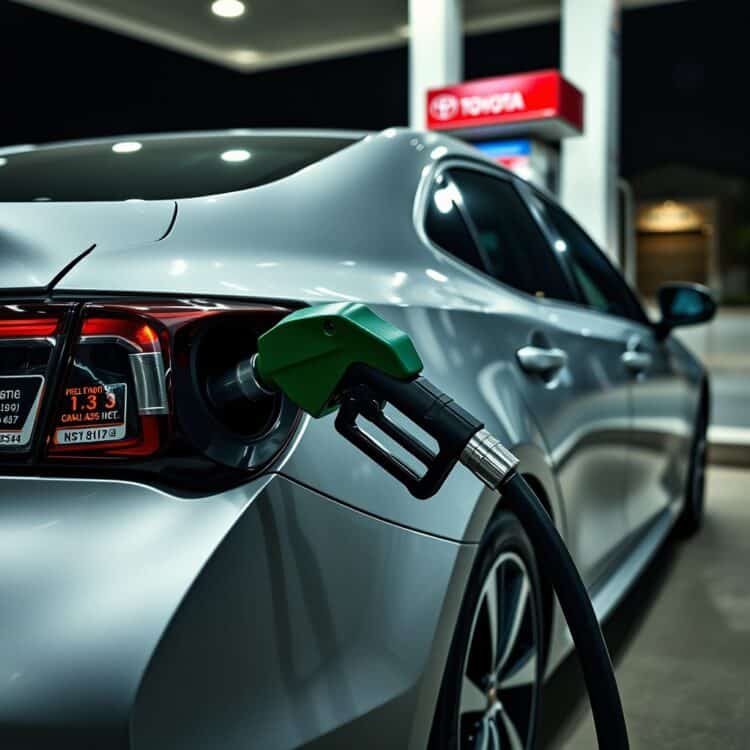
The Impact of Fuel Type on Cost
Regular vs. Premium Gasoline What’s Best for Your Hybrid
One question I often hear is whether premium gasoline is worth the extra cost for a hybrid like the Corolla. The answer isn’t always straightforward. While premium fuel can offer better performance in some high-performance engines, the Corolla Hybrid is designed to run efficiently on regular unleaded. Using premium might not provide any noticeable benefits, but it will definitely cost more. I stick to regular unleaded and let the hybrid system do its magic.
That said, it’s always good to check the owner’s manual. Some hybrids might recommend premium fuel under certain conditions. For the Corolla Hybrid, though, regular unleaded is perfectly fine. It’s a small way to keep costs down without compromising performance. For more on fuel types, visit our Toyota Corolla Hybrid review.
The Cost-Benefit Analysis of Different Fuel Types
When it comes to fuel choices, it’s all about balancing cost and benefit. Ethanol blends, for example, might be cheaper but can offer lower mileage. I’ve found that sticking to standard unleaded gives me the best balance of cost and efficiency. The Corolla Hybrid’s engine is optimised for this fuel type, so I’m not tempted to experiment with alternatives that might not deliver the same value.
Another consideration is the environmental impact. While hybrids are already eco-friendly, choosing cleaner fuel options can further reduce my carbon footprint. It’s a personal choice, but for me, the combination of regular unleaded and the hybrid system strikes the perfect balance. For more insights, check out our mileage guide.
Maximizing Fuel Efficiency to Reduce Costs
When it comes to saving money on fuel, the Toyota Corolla Hybrid is already a step ahead. But there’s always room for improvement. I’ve found that small adjustments in driving habits can make a big difference. Smooth acceleration and braking, for example, help the hybrid system work more efficiently. It’s not about driving slower—just smarter. And trust me, your wallet will thank you.
Regular maintenance is another key factor. Keeping your tyres properly inflated and ensuring your engine is in top condition can boost your miles per gallon (MPG). I also recommend using the Toyota Corolla Hybrid’s eco-driving modes to optimise fuel use. These features are designed to help you get the most out of every drop of fuel, whether you’re cruising on the motorway or navigating city streets.
Tips for Improving Your Hybrid’s MPG
One of the best ways to improve your MPG is to avoid unnecessary idling. The hybrid system is designed to switch off the engine when stationary, but you can help by minimising idle time. Another tip is to plan your routes to avoid heavy traffic. Fewer stops and starts mean better fuel efficiency. And don’t forget—lightening your load by removing unnecessary items from the boot can also help.
The Importance of Regular Maintenance for Fuel Efficiency
A well-maintained car is a fuel-efficient car. Regular oil changes, air filter replacements, and spark plug checks ensure your engine runs smoothly. I’ve noticed that neglecting these basics can lead to a noticeable drop in MPG. It’s worth investing in scheduled maintenance to keep your Corolla Hybrid performing at its best.
How Driving Conditions Affect Your Fuel Usage
Driving conditions play a huge role in fuel consumption. Cold weather, for instance, can reduce efficiency because the engine takes longer to warm up. On the other hand, summer driving with the air conditioning on full blast can also increase fuel use. The key is to adapt—use seat warmers instead of blasting the heater, or roll down the windows at lower speeds to save on AC.
The Role of Battery Usage in Fuel Costs
The hybrid battery is the unsung hero of the Toyota Corolla Hybrid. It works seamlessly with the petrol engine to optimise fuel use. I’ve found that understanding how the battery operates can help you save even more. For example, the battery kicks in during low-speed driving, reducing reliance on the engine. This is why city driving often yields better MPG than highway driving in a hybrid.
How the Hybrid Battery Complements the Gas Engine
The battery doesn’t just assist the engine—it also recharges through regenerative braking. Every time you brake, energy that would otherwise be wasted is captured and stored. This means you’re essentially getting free energy to power your car. It’s a brilliant system that keeps fuel costs down. And the more you drive, the more you’ll appreciate how well it works.
Strategies for Maximising Battery Use to Save on Gas
To get the most out of your hybrid battery, try to maintain a steady speed whenever possible. Sudden acceleration or deceleration forces the engine to work harder. Another strategy is to use the EV mode for short trips. The self-charging feature means you don’t need to plug in, but you can still enjoy electric-only driving for short distances.
Seasonal Variations in Fuel Consumption and Costs
Fuel efficiency isn’t static—it changes with the seasons. I’ve noticed that my Corolla Hybrid’s MPG drops slightly in winter. This is partly due to the engine taking longer to warm up and partly because of increased use of heating systems. But don’t worry—there are ways to mitigate this. Preheating the cabin while the car is still plugged in (if you have a plug-in hybrid) can help.
How Cold Weather Affects Hybrid Fuel Efficiency
Cold weather affects hybrids more than traditional cars because the battery’s performance can dip in low temperatures. However, the Toyota Corolla Hybrid is designed to handle this. Keeping your car garaged or using a block heater in extreme cold can help maintain efficiency. And remember, gentle driving in winter conditions is safer and more fuel-efficient.
Summer Driving and Its Impact on Fuel Costs
Summer brings its own challenges. Air conditioning can increase fuel consumption, especially on long trips. To counter this, I recommend using the AC sparingly and parking in the shade to keep the cabin cooler. Another tip is to plan your trips during cooler parts of the day to reduce the need for AC.

Long-Term Cost Savings of Driving a Hybrid
Owning a Toyota Corolla Hybrid isn’t just about saving money at the pump—it’s about long-term financial benefits. Over time, the savings on fuel, taxes, and maintenance add up. I’ve compared the costs with non-hybrid models, and the difference is staggering. The initial premium you pay for a hybrid is often offset within a few years through lower running costs.
Comparing the Toyota Corolla Hybrid to Non-Hybrid Models
The Corolla Hybrid consistently outperforms its non-hybrid counterparts in fuel efficiency. While the upfront cost might be higher, the savings on fuel and lower emissions make it a smarter choice. Plus, hybrids often retain their value better, which is a bonus if you decide to sell later. It’s a win-win for your wallet and the environment.
The Break-Even Point When Savings Offset the Hybrid Premium
Calculating the break-even point depends on your driving habits and fuel prices. On average, most hybrid owners recoup the extra cost within 3-5 years. If you drive a lot or fuel prices rise, this period shortens. Tools like hybrid cost calculators can help you estimate your savings. For me, the peace of mind knowing I’m spending less on fuel is priceless.
Government Incentives and Fuel Savings
Tax Credits and Rebates for Hybrid Vehicle Owners
Owning a Toyota Corolla Hybrid isn’t just about saving on fuel—it’s also about tapping into government incentives designed to reward eco-conscious drivers. In the UK, hybrid vehicle owners can benefit from tax credits and rebates that significantly reduce the overall cost of ownership. These incentives vary depending on local policies, but they often include reduced road tax rates and exemptions from congestion charges in cities like London. By taking advantage of these schemes, we can offset the initial premium of a hybrid and enjoy long-term savings. It’s worth checking the latest government updates to ensure you’re not missing out on any financial perks.
Beyond tax breaks, some regions offer grants for installing home charging points, even for hybrids with plug-in capabilities. These incentives make the transition to greener driving even more appealing. For example, the UK’s Plug-in Car Grant (PiCG) has historically supported hybrid buyers, though eligibility criteria evolve. Staying informed about these programmes ensures we maximise our savings while contributing to a cleaner environment. Remember, every penny saved on taxes or rebates is another step toward making hybrid ownership even more cost-effective.
How Incentives Can Lower Your Overall Fuel Costs
Government incentives don’t just reduce upfront costs—they also play a crucial role in lowering our day-to-day fuel expenses. For instance, reduced road tax rates mean more money stays in our pockets each year. Additionally, exemptions from congestion charges in urban areas can save hundreds of pounds annually, especially for commuters. These savings compound over time, making the Toyota Corolla Hybrid an even smarter financial choice. By combining these incentives with the car’s inherent fuel efficiency, we can achieve a significant reduction in our total cost of ownership.
Another overlooked benefit is the potential for lower insurance premiums. Some insurers offer discounts for hybrid vehicles, recognising their advanced safety features and eco-friendly credentials. When paired with government incentives, these savings create a compelling case for hybrid ownership. It’s not just about the price at the pump—it’s about the holistic financial advantages that come with driving a Toyota Corolla Hybrid. By leveraging every available incentive, we can make our fuel budget stretch further and enjoy a more economical driving experience.
The Future of Fuel Costs for Hybrid Vehicles
Predicting Changes in Gas Prices
Gas prices are notoriously volatile, influenced by global markets, geopolitical events, and environmental policies. For Toyota Corolla Hybrid owners, this uncertainty underscores the value of fuel efficiency. While we can’t predict exact price fluctuations, trends suggest a gradual shift toward higher costs as fossil fuels become scarcer and carbon taxes increase. Hybrids, with their ability to sip fuel rather than guzzle it, offer a buffer against these rising expenses. By relying on both petrol and electric power, we’re less vulnerable to price spikes, ensuring more predictable monthly budgets.
Experts also anticipate tighter emissions regulations, which could further drive up traditional fuel costs. Hybrids, already aligned with greener standards, are well-positioned to avoid additional penalties or surcharges. This forward-thinking design means our Toyota Corolla Hybrid isn’t just a smart choice today—it’s a safeguard against tomorrow’s fuel market uncertainties. As petrol prices climb, the hybrid’s dual-power system becomes an even more valuable asset, blending efficiency with peace of mind.
The Impact of Electric Vehicles on Hybrid Fuel Costs
The rise of electric vehicles (EVs) is reshaping the automotive landscape, but hybrids like the Toyota Corolla remain a practical middle ground. While EVs dominate headlines, hybrids continue to offer unmatched flexibility, especially in areas with limited charging infrastructure. As EV adoption grows, petrol demand may decrease, potentially stabilising or even reducing fuel costs for hybrid drivers. However, this shift could also lead to higher taxes on traditional fuels to incentivise full electrification. For now, hybrids strike a balance, allowing us to benefit from lower fuel consumption without the range anxiety of pure EVs.
Another factor to consider is the evolving energy grid. As renewable energy sources expand, the environmental footprint of charging EVs will shrink, but hybrids will still hold an edge in terms of convenience and versatility. The Toyota Corolla Hybrid’s ability to refuel anywhere ensures we’re never stranded, even as the world transitions toward cleaner energy. In this dynamic landscape, hybrids offer a reliable, cost-effective solution, blending the best of both worlds while keeping our fuel expenses in check.
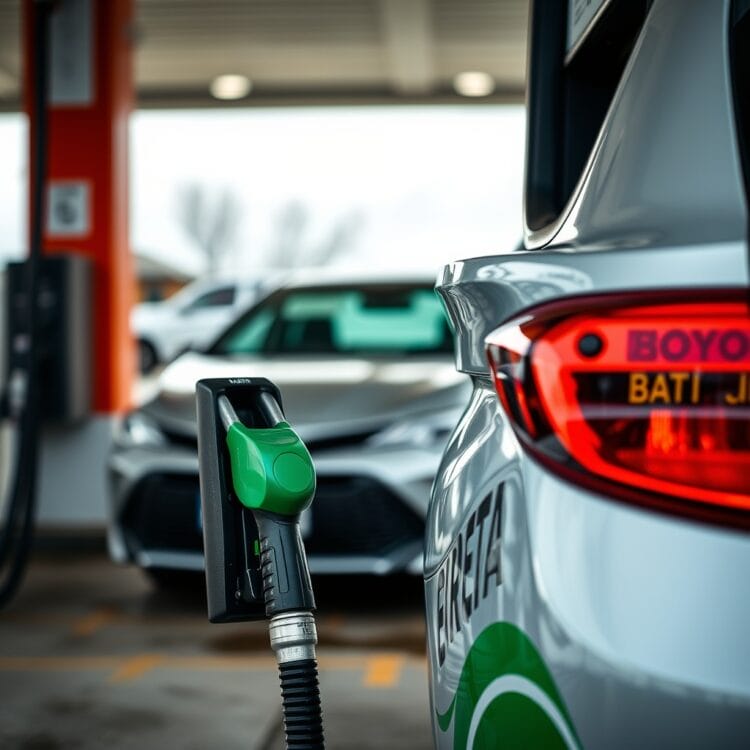
Alternative Fuel Options for the Toyota Corolla Hybrid
Exploring Ethanol and Other Biofuels
While the Toyota Corolla Hybrid is designed for petrol, alternative fuels like ethanol blends offer intriguing possibilities. Ethanol, derived from renewable sources, can reduce emissions and lower our carbon footprint. However, not all hybrids are compatible with high-ethanol blends, so it’s essential to consult the owner’s manual or a trusted mechanic before experimenting. In regions where biofuels are readily available, they can be a cost-effective and eco-friendly supplement to traditional petrol. By exploring these options, we can further enhance the sustainability of our driving habits without compromising performance.
Biofuels also present an opportunity to support local agriculture, as many are produced from crops like corn or sugarcane. While their energy density is lower than petrol, advancements in biofuel technology are closing the gap. For Toyota Corolla Hybrid owners, blending small amounts of ethanol into the fuel tank might be a viable way to reduce reliance on fossil fuels. It’s a small step toward greener driving, but every litre of biofuel used is a litre of petrol saved—contributing to both environmental and financial savings over time.
The Feasibility of Converting Your Hybrid to Use Alternative Fuels
Converting a Toyota Corolla Hybrid to run entirely on alternative fuels is a complex and costly endeavour, often impractical for most owners. The hybrid system is finely tuned for petrol, and modifications could void warranties or harm performance. Instead, we’re better off focusing on incremental changes, like using approved biofuel blends or adopting driving habits that maximise efficiency. For those passionate about alternative fuels, plug-in hybrid or full-electric models might be a more suitable long-term goal. Until then, the Corolla Hybrid’s existing efficiency makes it a standout choice for reducing fuel consumption without drastic alterations.
That said, the future may bring more hybrid-compatible alternative fuels, and staying informed about these developments is key. For now, the best approach is to leverage the car’s existing hybrid technology to minimise fuel use while keeping an eye on emerging options. The Toyota Corolla Hybrid is already a leader in efficiency, and by pairing it with smart fuel choices, we can further optimise its environmental and economic benefits. Alternative fuels are an exciting frontier, but the hybrid’s current capabilities are more than enough to deliver significant savings today.
How to Budget for Fuel Costs Effectively
Creating a Monthly Fuel Budget
Budgeting for fuel starts with understanding our driving patterns and the Toyota Corolla Hybrid’s efficiency. By tracking mileage and fuel consumption over a few weeks, we can establish a realistic monthly estimate. Tools like fuel-tracking apps simplify this process, providing insights into how driving habits impact costs. Once we have a baseline, setting aside a fixed amount for fuel ensures no surprises at the pump. This proactive approach not only helps manage expenses but also encourages more efficient driving, further stretching each tank of petrol.
Another tip is to factor in seasonal variations—cold weather can slightly reduce hybrid efficiency, while summer driving might see improved MPG. Adjusting our budget accordingly prevents shortfalls. Additionally, taking advantage of loyalty programmes or cashback offers from fuel stations can stretch our budget further. The key is consistency: by treating fuel costs as a fixed expense and planning ahead, we avoid the stress of unpredictable spikes and keep our finances on track. The Toyota Corolla Hybrid’s efficiency is a great starting point, but a well-planned budget ensures we maximise its potential.
Tracking Fuel Expenses to Identify Savings Opportunities
Regularly reviewing fuel receipts and app data reveals patterns that can lead to savings. For example, we might notice that certain routes or times of day yield better mileage. Small adjustments, like avoiding heavy traffic or using cruise control on highways, can add up over time. The Toyota Corolla Hybrid’s onboard efficiency metrics are invaluable here, providing real-time feedback on how our driving affects fuel use. By analysing this data, we can fine-tune our habits to squeeze every possible mile from each litre.
Another opportunity lies in consolidating trips or carpooling, reducing the number of miles driven overall. Apps like Toyota’s hybrid efficiency guides offer tailored advice for optimising fuel use. Over time, these tweaks can lead to substantial savings, making the hybrid even more economical. The goal isn’t just to spend less on fuel—it’s to drive smarter, leveraging the car’s technology to its fullest. With a little effort, we can turn fuel tracking into a powerful tool for cutting costs and enhancing our hybrid ownership experience.
The Environmental Impact of Your Fuel Choices
The Carbon Footprint of Filling Up Your Hybrid
Every time we fill up our Toyota Corolla Hybrid, we’re not just paying for fuel—we’re contributing to its carbon footprint. Hybrids like ours are designed to reduce emissions, but the type of fuel we choose plays a significant role. Petrol combustion still releases CO2, though hybrids offset this with electric power. By opting for cleaner fuels or driving efficiently, we can minimise our impact. It’s a small step, but it adds up over time.
Calculating the exact carbon footprint depends on factors like fuel type and driving habits. For instance, premium petrol might burn cleaner but isn’t always necessary for hybrids. We can also use tools to track our emissions and adjust our habits accordingly. The goal? To balance cost savings with environmental responsibility. After all, reducing our footprint starts with awareness and ends with action.
How Choosing the Right Fuel Can Reduce Environmental Impact
Not all fuels are created equal, and our choices matter. Ethanol blends, for example, can lower emissions compared to pure petrol. While our Corolla Hybrid isn’t flex-fuel compatible, understanding the options helps us make informed decisions. Even small changes, like avoiding idling or combining trips, can reduce fuel consumption and emissions. It’s about working smarter, not harder, to protect the planet.
Beyond fuel, maintenance plays a role too. A well-tuned engine runs more efficiently, emitting fewer pollutants. Regular checks on tyre pressure and oil quality can make a difference. We’re not just saving money—we’re ensuring our hybrid operates at its greenest. It’s a win-win for our wallets and the environment. Every little effort counts in the bigger picture of sustainability.
Advanced Technologies That Could Lower Future Fuel Costs
Innovations in Hybrid Fuel Systems
The future of hybrid technology is bright, with innovations aimed at cutting fuel costs and emissions. Toyota is already exploring solid-state batteries, which promise longer ranges and faster charging. These advancements could reduce our reliance on petrol even further. Imagine a Corolla Hybrid that spends more time running on electricity and less at the pump. It’s not science fiction—it’s the next frontier.
Other breakthroughs include regenerative braking systems that capture more energy and lighter materials to improve efficiency. These tweaks might seem minor, but they add up to significant savings. We’re on the cusp of a revolution where hybrids could outperform traditional cars in every way. The key is staying informed and ready to adapt as these technologies hit the market.
The Potential of Solar and Other Renewable Energy Sources
Solar panels on hybrids? It’s not as far-fetched as it sounds. Some prototypes already feature solar roofs to extend battery life. While our Corolla Hybrid doesn’t have this yet, the idea is gaining traction. Renewable energy integration could slash fuel costs and emissions, making hybrids even greener. It’s an exciting glimpse into a future where our cars are powered by the sun.
Beyond solar, hydrogen fuel cells are another promising avenue. Toyota’s Mirai hints at what’s possible, though infrastructure remains a hurdle. For now, we can focus on maximising our hybrid’s efficiency while keeping an eye on emerging tech. The road ahead is full of possibilities, and we’re just getting started.
Personalizing Your Fuel Strategy for Maximum Savings
Assessing Your Personal Driving Needs
No two drivers are alike, and neither are their fuel needs. If you’re commuting daily in stop-and-go traffic, your hybrid’s electric mode will shine. But for long highway drives, petrol efficiency becomes key. Understanding your patterns helps tailor your fuel strategy. Tools like mileage trackers can provide insights into your consumption. It’s about finding what works best for your lifestyle.
Consider factors like trip frequency and cargo load. Heavy loads or roof racks can dent fuel efficiency, while smooth acceleration preserves it. We can’t control traffic, but we can control how we respond to it. Small adjustments, like avoiding rush hour or using cruise control, add up. The goal is to make every drop of fuel count.
Customizing Your Approach to Fuel Consumption Based on Lifestyle
Your lifestyle dictates your fuel strategy. City dwellers might prioritise electric mode, while rural drivers focus on petrol efficiency. Hybrids like ours offer flexibility, but it’s up to us to use it wisely. Apps like MPG calculators can help optimise routes and driving habits. It’s about aligning your car’s strengths with your daily routine.
Seasonal changes also play a role. Cold weather can reduce battery efficiency, while summer trips might demand more petrol. By adapting our habits, we can maintain consistent savings year-round. The key is staying proactive and informed. After all, a personalised approach is the secret to maximising your hybrid’s potential.
Frequently Asked Questions
How does the Toyota Corolla Hybrid reduce emissions compared to traditional cars?
The Corolla Hybrid combines a petrol engine with an electric motor, allowing it to switch between or blend both power sources. This reduces fuel consumption and CO2 emissions, especially in city driving where electric mode excels. Regular cars rely solely on petrol, making hybrids a cleaner alternative without sacrificing performance.
Is premium petrol worth the extra cost for a hybrid?
Most hybrids, including the Corolla, are designed to run efficiently on regular petrol. Premium fuel offers minimal benefits unless specified by the manufacturer. Stick to the recommended fuel grade to avoid unnecessary expenses. The real savings come from driving habits and maintenance, not fuel upgrades.
Can I use ethanol blends in my Toyota Corolla Hybrid?
The Corolla Hybrid isn’t flex-fuel compatible, so ethanol blends like E85 aren’t recommended. Stick to standard petrol to ensure optimal performance and efficiency. Always check your owner’s manual for specific fuel requirements to avoid potential engine issues.
How often should I service my hybrid to maintain fuel efficiency?
Regular maintenance, such as oil changes and tyre rotations, should follow Toyota’s recommended schedule—typically every 10,000 miles or annually. A well-maintained hybrid runs more efficiently, saving you money on fuel and reducing emissions. Don’t skip those service appointments!
What’s the best way to track my hybrid’s fuel consumption?
Use built-in tools like the car’s trip computer or apps that log fill-ups and mileage. These can help identify patterns and areas for improvement. For deeper insights, check out range calculators to optimise your driving strategy.