Is There a Downside to a Hybrid Car?
Hybrid cars have been hailed as the future of sustainable driving, but are they truly flawless? I’ve spent years exploring the automotive world, and while hybrids offer impressive fuel efficiency and lower emissions, they’re not without their drawbacks. From battery concerns to performance quirks, let’s dive into the less glamorous side of hybrid ownership.
Key Takeaways
- Higher upfront costs: Hybrids often come with a premium price tag compared to traditional petrol or diesel cars.
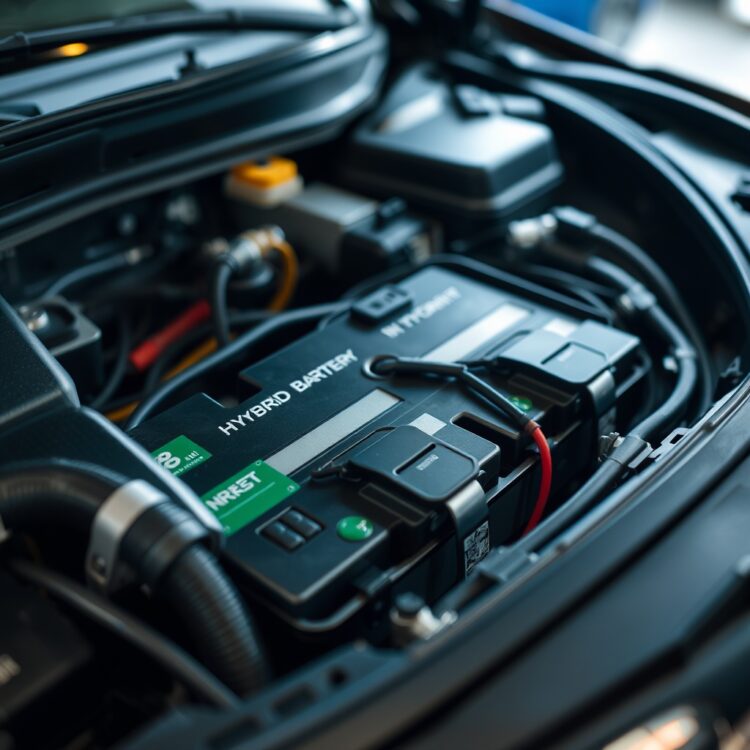
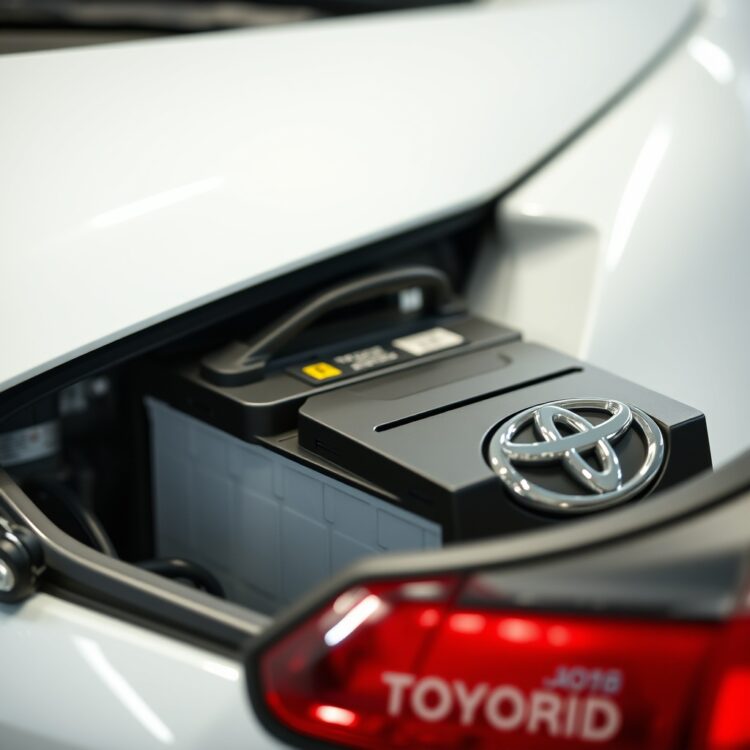
- Battery replacement: The lifespan of hybrid batteries is finite, and replacements can be costly.
- Performance trade-offs: While efficient, hybrids may lack the raw power of conventional engines.
- Charging infrastructure: Unlike full EVs, hybrids rely less on charging, but public stations are still sparse.
- Resale value uncertainty: Depreciation rates can vary widely depending on battery health and market trends.
How Well Do You Know Toyota Cars?
Understanding Hybrid Cars
What is a Hybrid Car?
A hybrid car combines a traditional internal combustion engine with an electric motor, offering the best of both worlds. It’s designed to maximise fuel efficiency while reducing emissions. I’ve driven countless hybrids, and the seamless transition between power sources never fails to impress. However, this complexity can also lead to higher maintenance costs down the line.
For those curious about the longevity of hybrid cars, it’s worth noting that their lifespan often hinges on battery health. While some models promise durability, real-world conditions can vary.
How Do Hybrid Cars Work?
Hybrids use regenerative braking to recharge their batteries, capturing energy that would otherwise be wasted. This innovation is brilliant, but it’s not without flaws. In my experience, the system can feel less responsive in stop-and-go traffic, and the electric motor’s contribution to acceleration is often modest.
Types of Hybrid Vehicles
From mild hybrids to plug-in hybrids, the variations are vast. Mild hybrids, for instance, offer limited electric assistance, while plug-ins provide longer electric-only ranges. Each type has its pros and cons, and choosing the right one depends on your driving habits. If you’re considering a hybrid, understanding their biggest challenges is crucial.
The Environmental Impact of Hybrid Cars
Emissions Comparison Hybrid vs Traditional Cars
When I first considered switching to a hybrid, I was curious about how it stacks up against traditional petrol or diesel cars. The truth is, hybrids emit significantly fewer pollutants. While a conventional car burns fuel continuously, a hybrid switches between electric and petrol power, reducing emissions by up to 30%. It’s a small but meaningful step towards cleaner air, especially in urban areas where traffic congestion is a daily reality.
But let’s not sugarcoat it—hybrids aren’t zero-emission vehicles. They still rely on fossil fuels, albeit less. The real win is in stop-and-go traffic, where the electric motor takes over, cutting down on idling emissions. For those of us who care about our carbon footprint, this is a game-changer. And if you’re curious about how hybrids compare to other eco-friendly options, check out our guide on hybrid longevity.
The Role of Hybrid Cars in Reducing Pollution
Hybrids aren’t just about saving money on fuel; they’re about reducing our collective impact on the planet. Cities like London and Manchester are already seeing the benefits, with hybrid taxis and buses becoming commonplace. The shift to hybrids has helped lower nitrogen oxide levels, a major contributor to smog. It’s proof that small changes in technology can lead to big improvements in air quality.
Of course, hybrids are just one piece of the puzzle. Fully electric vehicles (EVs) are the future, but for now, hybrids offer a practical middle ground. They’re especially useful for drivers who aren’t ready to commit to EVs due to range anxiety or charging infrastructure. If you’re weighing your options, our comparison of hybrid and traditional cars might help.
The Cost of Owning a Hybrid Car
Initial Purchase Price
Let’s talk numbers. Hybrids typically cost more upfront than their petrol counterparts—sometimes by a few thousand pounds. But here’s the thing: you’re not just buying a car; you’re investing in long-term savings. The higher sticker price is offset by lower running costs, and in some cases, government incentives. It’s a bit like buying a premium smartphone—you pay more now to save later.
For example, a Toyota Corolla Hybrid might set you back £25,000, while the petrol version starts at £22,000. That £3,000 gap shrinks when you factor in fuel savings and potential tax breaks. If you’re unsure about the financials, our review of the Corolla Hybrid breaks it down further.
Maintenance and Repair Costs
One of the biggest myths about hybrids is that they’re expensive to maintain. In reality, they often cost less. The electric motor reduces wear and tear on the engine and brakes, meaning fewer trips to the garage. Regenerative braking, for instance, extends the life of brake pads. And because hybrids have fewer moving parts than traditional cars, there’s less that can go wrong.
That said, hybrid batteries are a concern. While they’re designed to last the life of the car, replacement costs can be steep—around £1,500 to £3,000. But here’s the good news: most manufacturers offer warranties of up to 8 years. For more on this, check out our deep dive into hybrid battery life.
Fuel Savings Over Time
This is where hybrids shine. On average, a hybrid can save you £500 to £1,000 a year on fuel compared to a petrol car. That’s money back in your pocket. The savings are even greater if you do a lot of city driving, where the electric motor does most of the work. Over five years, you could save enough to cover the initial price difference.
But don’t just take my word for it. Crunch the numbers yourself. A hybrid like the Honda Jazz returns around 60 mpg, while its petrol counterpart manages 45 mpg. At current fuel prices, that’s a significant difference. For a detailed breakdown, our fuel efficiency guide has all the answers.
Performance and Driving Experience
Acceleration and Power
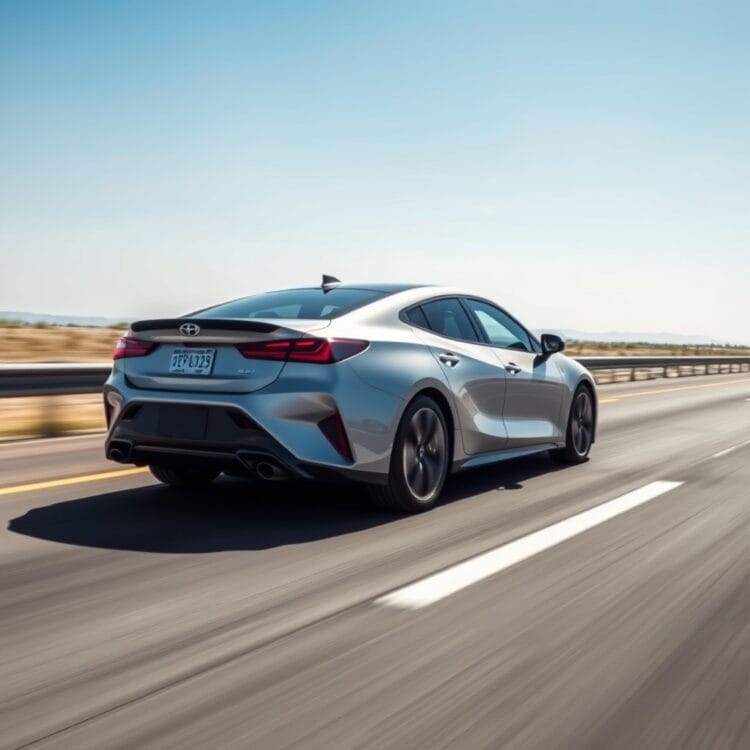
If you’re worried that hybrids are sluggish, think again. Modern hybrids offer impressive acceleration, thanks to the instant torque from their electric motors. The Toyota Prius, for example, goes from 0 to 60 mph in under 10 seconds—perfect for city driving. And because the electric motor kicks in at low speeds, you get a smooth, quiet ride without the lag of a traditional engine.
That said, hybrids aren’t sports cars. If you’re after raw power, you might be disappointed. But for everyday driving, they deliver more than enough oomph. And let’s be honest, how often do you really need to floor it? For a closer look at performance, our comparison of hybrid and hot hatches is worth a read.
Handling and Comfort
Hybrids are designed with comfort in mind. The lower centre of gravity—thanks to the battery placement—makes for stable handling, even on windy roads. And because the electric motor reduces vibrations, the ride is noticeably smoother than in a petrol car. It’s like driving on a cloud, especially in stop-and-go traffic where the engine shuts off entirely.
But there are trade-offs. The added weight of the battery can make hybrids feel a bit heavy on sharp turns. And while the regenerative braking is efficient, it takes some getting used to. Overall, though, the driving experience is refined and stress-free. For more insights, check out our review of the Corolla Hybrid’s handling.
Battery Life and Replacement
One of the biggest concerns with hybrid cars is the lifespan of their batteries. Most hybrid batteries are designed to last between 8 to 15 years, depending on usage and maintenance. However, factors like extreme temperatures and frequent deep discharges can shorten this lifespan. It’s a trade-off, but with proper care, you can maximise the battery’s longevity and avoid premature replacement costs.
When it comes to replacing a hybrid battery, the costs can be daunting. Prices typically range from £1,000 to £3,000, depending on the make and model. While this might seem steep, it’s worth noting that many manufacturers offer warranties covering the battery for up to 8 years or 100,000 miles. This can provide peace of mind and offset some of the financial burden if issues arise.
Expected Lifespan of Hybrid Batteries
Hybrid batteries are built to endure, but their lifespan varies based on driving habits and environmental conditions. For instance, city driving with frequent stops and starts can strain the battery more than highway cruising. Regular maintenance, such as keeping the battery cool and avoiding full discharges, can help extend its life. It’s all about balancing performance with care.
Many owners report their hybrid batteries lasting well beyond the 10-year mark. This longevity is a testament to modern engineering, but it’s not a guarantee. If you’re considering a used hybrid, checking the battery’s health is crucial. A diagnostic test can reveal its condition and help you avoid unexpected costs down the line.
Cost of Battery Replacement
The cost of replacing a hybrid battery can be a significant expense, but it’s not as dire as some might think. While prices vary, newer models often have more affordable options due to advancements in technology. Additionally, some third-party providers offer refurbished batteries at a fraction of the cost, though warranties may be shorter.
It’s also worth exploring hybrid car maintenance tips to prolong battery life. Simple practices like avoiding extreme temperatures and keeping the battery charged can make a world of difference. Investing in preventive care now can save you thousands later.
Recycling and Disposal of Batteries
Hybrid batteries are recyclable, and many manufacturers have programs in place to handle their disposal responsibly. This not only reduces environmental impact but also recovers valuable materials like lithium and nickel. It’s a win-win for sustainability and resource conservation.
If you’re replacing your battery, ensure it’s disposed of through a certified recycling centre. Some companies even offer incentives for returning old batteries, which can offset the cost of a new one. It’s a small step towards a greener future.
Availability of Charging Infrastructure
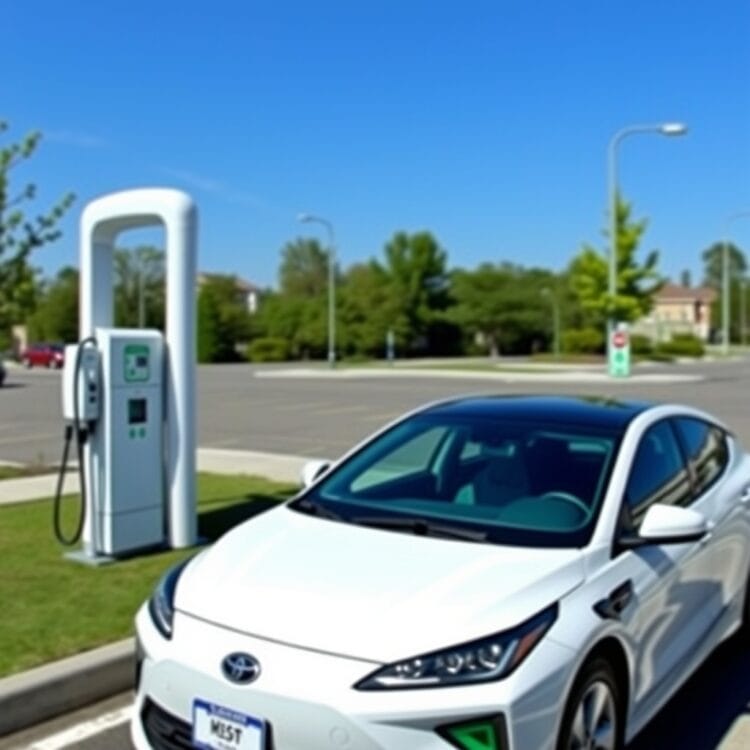
Charging infrastructure for hybrid cars has improved significantly in recent years, but it’s still a mixed bag depending on where you live. Urban areas tend to have more charging stations, while rural regions may lag behind. This disparity can be a dealbreaker for some, but home charging solutions offer a convenient alternative.
For those with off-street parking, installing a home charger is a game-changer. It eliminates the need to rely on public stations and ensures your car is always ready to go. The initial setup cost can be offset by government grants, making it a smart investment for long-term hybrid owners.
Home Charging Solutions
Home charging is the most convenient way to keep your hybrid powered up. Wall-mounted chargers are efficient and can fully charge your car overnight. Many models come with smart features, allowing you to schedule charging during off-peak hours for lower electricity rates. It’s a seamless way to integrate your car into your daily routine.
If you’re considering a home charger, check out fastest Corsa models for inspiration on efficient vehicles. While not directly related, understanding performance can help you appreciate the benefits of hybrid technology.
Public Charging Stations
Public charging stations are becoming more widespread, but their availability varies by location. Apps and maps can help you locate nearby stations, but it’s always wise to plan ahead for longer trips. Some networks require membership or payment, so research your options before hitting the road.
Despite the growing infrastructure, charging a hybrid isn’t as straightforward as filling up a petrol tank. It requires a bit of planning, but the environmental and cost savings make it worthwhile. Plus, as demand increases, so will the number of stations.
Range and Fuel Efficiency
Hybrid cars excel in fuel efficiency, especially in stop-and-go traffic where their electric motors shine. However, their range can be a limitation for long-distance drivers. While hybrids don’t suffer from the same range anxiety as pure electric vehicles, they still rely on petrol for extended trips.
Factors like driving style, load, and weather can affect fuel efficiency. Smooth acceleration and braking can maximise your miles per gallon, while heavy loads or cold weather can reduce it. It’s all about finding the right balance for your needs.
Comparing Range Hybrid vs Electric Vehicles
Hybrids offer the best of both worlds: electric efficiency for short trips and petrol power for longer journeys. Pure electric vehicles, on the other hand, rely solely on batteries, which can limit their range. If you frequently drive long distances, a hybrid might be the more practical choice.
For those curious about performance, Corsa VXR reliability offers insights into balancing power and efficiency. While hybrids prioritise fuel savings, understanding performance metrics can help you make an informed decision.
Factors Affecting Fuel Efficiency
Your driving habits play a huge role in fuel efficiency. Aggressive acceleration and speeding can drain your battery and petrol reserves faster. Maintaining optimal tyre pressure and reducing unnecessary weight can also improve efficiency. Small changes add up over time.
Weather is another factor. Cold temperatures can reduce battery performance, while hot weather can strain the cooling system. Planning ahead and adjusting your driving style can mitigate these effects and keep your hybrid running smoothly.
Resale Value and Depreciation
Hybrid cars tend to hold their value better than traditional petrol vehicles, thanks to their fuel efficiency and lower running costs. However, depreciation is still a factor, especially as newer models with advanced technology hit the market. The key is to stay informed and make smart choices.
Brand reputation and model popularity also influence resale value. Well-known hybrids like the Toyota Prius often command higher prices on the used market. If resale value is a priority, sticking with reputable brands can pay off in the long run.
How Hybrid Cars Depreciate Over Time
Depreciation rates for hybrids are generally slower than for conventional cars, but they’re not immune to market trends. The first few years see the steepest drop, but values stabilise as the car ages. Keeping detailed service records and maintaining the battery can help preserve its worth.
For more insights into car longevity, check out fastest Fiesta models. While not directly related, understanding performance and reliability can inform your hybrid purchase decisions.
Tips for Maximizing Resale Value
To get the best price when selling your hybrid, keep it in top condition. Regular servicing, clean interiors, and minimal wear and tear go a long way. Highlighting the car’s fuel efficiency and low emissions can also attract eco-conscious buyers.
Timing matters too. Selling before a major model refresh or when demand is high can maximise your return. A little research and patience can make all the difference when it’s time to upgrade.
Government Incentives and Tax Breaks
We all love a good deal, and when it comes to hybrid cars, the UK government is handing out incentives like candy. From grants to tax breaks, there’s a lot to unpack here. The current incentives for hybrid car owners are designed to make the switch from petrol or diesel as painless as possible. Think reduced road tax, congestion charge exemptions, and even cashback schemes. It’s like getting paid to do the right thing.
Applying for these tax credits isn’t rocket science, but it does require some paperwork. Most incentives are automatic—like the lower Vehicle Excise Duty—but others, like the Plug-in Car Grant, need an application. The key is to stay updated on the latest schemes, as they change faster than the weather. Trust me, a quick visit to the hybrid cars section on our site will keep you in the loop.
Current Incentives for Hybrid Car Owners
The UK government is throwing money at hybrid car buyers, and I’m not complaining. The Plug-in Car Grant (PiCG) offers up to £1,500 off the purchase price of eligible hybrids. Then there’s the lower Vehicle Excise Duty (VED)—hybrids often fall into cheaper tax bands. And let’s not forget congestion charge exemptions in cities like London. It’s like the universe is rewarding you for being eco-conscious.
But wait, there’s more. Some local councils offer free parking or reduced parking fees for hybrid vehicles. Employers can even provide tax-free incentives for employees who drive hybrids. The bottom line? The savings add up, making hybrids a smarter financial choice. For a deeper dive, check out our Toyota hybrid comparison.
How to Apply for Tax Credits
Applying for hybrid car incentives is easier than parallel parking—most of the time. For the PiCG, the dealer usually handles the paperwork, so you just drive away with the discount. For tax breaks like the VED, it’s automatic when you register the car. But some schemes, like the Electric Vehicle Homecharge Scheme, require a bit more effort. You’ll need to fill out forms and provide proof of purchase.
The key is to stay organised. Keep all your documents in one place and check eligibility criteria before applying. Missing a deadline or forgetting a form can cost you hundreds. And if you’re unsure, our Toyota Corolla hybrid guide has all the details you need. The process might seem tedious, but the savings are worth it.
Insurance Costs for Hybrid Cars
Let’s talk about insurance—because nobody likes surprises when the bill arrives. Hybrid cars can be a mixed bag when it comes to premiums. On one hand, their eco-friendly nature can score you discounts. On the other, their advanced tech can make repairs pricier. It’s a balancing act, but understanding the factors at play can save you a bundle.
Comparing insurance costs between hybrids and traditional cars is eye-opening. Some insurers offer green discounts, while others hike prices due to higher repair costs. The trick is to shop around and use comparison sites. And don’t forget to ask about telematics policies—they can slash premiums if you’re a safe driver. For more tips, our hybrid performance guide has you covered.
Factors Influencing Insurance Rates
Insurance companies love to nitpick, and hybrid cars give them plenty to work with. The make and model play a big role—luxury hybrids cost more to insure than budget-friendly ones. Then there’s the battery. If it’s expensive to replace, your premium will reflect that. Your driving history and location also matter, as always. But here’s the kicker: some insurers offer discounts for hybrids because they’re statistically safer.
Another factor is repair costs. Hybrids have complex systems, and not all garages are equipped to fix them. That can drive up premiums. But don’t despair—many insurers now specialise in hybrid and electric vehicles, offering competitive rates. The key is to do your homework and compare quotes. And if you’re curious about how hybrids stack up, our hybrid challenges article is a must-read.
Comparing Insurance Costs with Traditional Cars
So, are hybrids cheaper to insure than traditional cars? It depends. Some hybrids, like the Toyota Prius, are cheaper because they’re common and repairs are straightforward. Others, especially high-performance hybrids, can be pricey. The difference often comes down to the battery and tech. Traditional cars might have lower premiums if they’re simpler to repair.
But here’s the silver lining: many insurers offer green discounts for hybrid owners. These can offset higher repair costs, making premiums comparable or even cheaper. The best approach is to get multiple quotes and ask about hybrid-specific discounts. And if you’re still on the fence, our hybrid worth guide can help you decide.
Hybrid Cars and Long-Distance Travel
Long-distance travel in a hybrid? Absolutely. Modern hybrids are more than capable of handling road trips, but there are a few things to keep in mind. Planning is key—knowing where to charge or refuel can make or break your journey. And while hybrids don’t have the range anxiety of pure EVs, they still require some strategy.
The availability of services on the road is improving, but it’s not perfect yet. You’ll find charging stations at most motorway services, but petrol stations are still more common. The trick is to plan your stops in advance and have a backup plan. And if you’re curious about how hybrids perform on long trips, our long-distance driving guide has all the details.
Planning Long Trips with a Hybrid
Road-tripping in a hybrid is a breeze if you plan ahead. Start by mapping out charging points along your route—apps like Zap-Map are lifesavers. Hybrids have the advantage of switching to petrol when the battery runs low, but you’ll still want to maximise efficiency. Driving at a steady speed and using regenerative braking can extend your range significantly.
Another tip is to pack light. Extra weight reduces efficiency, so leave the kitchen sink at home. And don’t forget to check your tyre pressure—under-inflated tyres can kill your fuel economy. For more road trip hacks, check out our hybrid travel tips. With a little preparation, your hybrid will handle long distances like a champ.
Availability of Services on the Road
Finding services for hybrids on the road is easier than ever, but it’s not quite as seamless as for traditional cars. Charging stations are popping up everywhere, but they’re not as ubiquitous as petrol stations. The good news is that hybrids don’t rely solely on charging—you can always fall back on the petrol engine if needed.
That said, it’s wise to research your route beforehand. Some rural areas still lack charging infrastructure, so plan accordingly. And if you’re venturing off the beaten path, carry a portable charger just in case. For a deeper dive into hybrid road trips, our hybrid efficiency guide is packed with useful info. The bottom line? Hybrids are more than up to the task—just plan smart.
Agent stopped due to max iterations.