Introduction
Ever wondered how far a Toyota Corolla Hybrid can take you on a single litre of fuel? I’ve been digging into this, and the numbers are impressive. Whether you’re a commuter or a road-trip enthusiast, understanding the mileage per litre of this hybrid marvel can help you save money and reduce your carbon footprint. Let’s dive into what makes the Corolla Hybrid a standout in efficiency.
Key Takeaways
- The Toyota Corolla Hybrid boasts an official mileage of around 25-30 km per litre, depending on driving conditions.
- Real-world reports often show slightly lower figures, but the car remains one of the most efficient in its class.
- Driving habits, maintenance, and even fuel type can significantly impact your mileage.
- Compared to conventional fuel models, the Corolla Hybrid offers superior fuel efficiency and environmental benefits.
- For more insights on hybrid efficiency, check out our hybrid cars guide.
How Well Do You Know Toyota Cars?
Introduction to the Toyota Corolla Hybrid
Overview of the Toyota Corolla Hybrid
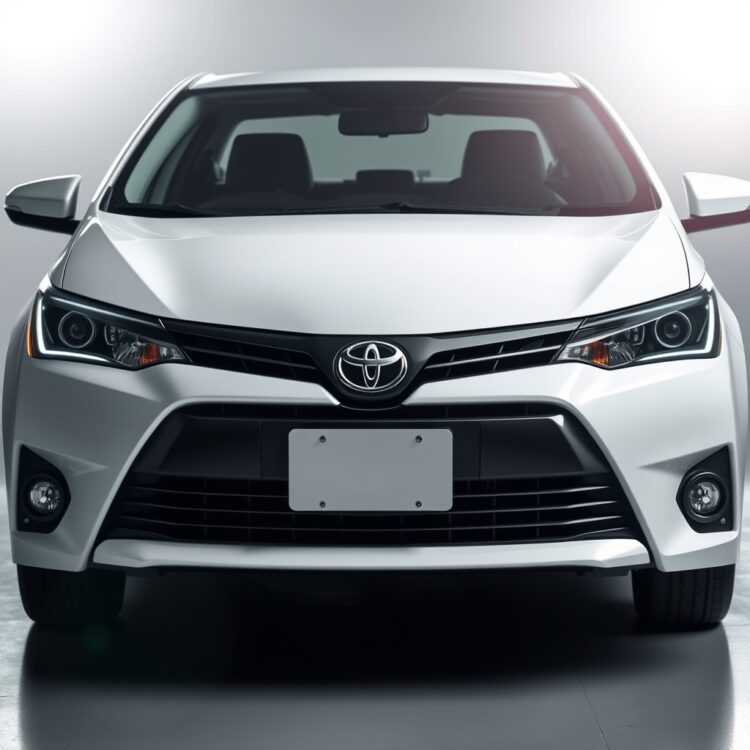
The Toyota Corolla Hybrid combines sleek design with cutting-edge hybrid technology. It’s a car that doesn’t just look good—it performs brilliantly too. With a focus on fuel efficiency, the Corolla Hybrid is perfect for those who want to save on petrol without compromising on performance. The seamless transition between electric and petrol power is a game-changer.
The Evolution of Hybrid Technology in Toyota
Toyota has been a pioneer in hybrid technology for decades. From the iconic Prius to the Corolla Hybrid, their commitment to innovation is clear. The latest models feature improved battery efficiency and smarter energy management systems. This evolution ensures that the Corolla Hybrid delivers top-tier mileage per litre, making it a leader in its category.
Key Features of the Toyota Corolla Hybrid
The Corolla Hybrid isn’t just about fuel efficiency. It’s packed with features like regenerative braking, which recaptures energy during deceleration. The Hybrid Synergy Drive system optimises power distribution, ensuring every drop of fuel is used effectively. For a deeper dive into hybrid performance, explore our Toyota Corolla Hybrid MPG analysis.
Understanding Mileage per Litre
What Does Mileage per Litre Mean
When we talk about mileage per litre, we’re diving into how far a car can travel on just one litre of fuel. It’s a straightforward measure of efficiency, and for hybrid owners like us, it’s a badge of pride. The Toyota Corolla Hybrid excels here, blending petrol and electric power to stretch every drop of fuel further. Think of it as getting more miles for your money—something we all appreciate.
Understanding this metric helps us make smarter choices, whether it’s planning long trips or just daily commutes. The higher the mileage per litre, the less often you’ll need to stop at the pump. And with rising fuel costs, that’s a win-win. The Corolla Hybrid’s design focuses on maximising this efficiency, making it a standout in its class.
Factors Affecting Mileage per Litre
Several factors influence how efficiently your Toyota Corolla Hybrid uses fuel. Driving habits top the list—aggressive acceleration or speeding can drain your tank faster. The car’s hybrid system works best when you drive smoothly, letting the electric motor handle low-speed tasks. Terrain matters too; hilly routes demand more from the engine, while flat roads favour efficiency.
Weather plays a role as well. Cold temperatures can reduce battery performance, while hot weather might force the air conditioning to work harder. Even tyre pressure affects mileage; under-inflated tyres create more resistance. By paying attention to these details, we can squeeze every last kilometre out of each litre.
Official Mileage per Litre of the Toyota Corolla Hybrid
Manufacturer’s Claimed Mileage
Toyota proudly states that the Corolla Hybrid achieves an impressive mileage per litre, thanks to its Hybrid Synergy Drive technology. According to their tests, the car can deliver up to 27.5 km per litre under optimal conditions. That’s a figure that turns heads, especially when compared to conventional petrol models. It’s a testament to Toyota’s commitment to innovation and sustainability.
These numbers aren’t just marketing fluff—they’re based on rigorous testing in controlled environments. While real-world results may vary, the manufacturer’s claims give us a solid benchmark. It’s a reminder of why we chose the Corolla Hybrid in the first place: cutting-edge efficiency without compromising on performance.
Real-World Mileage Reports
Owners of the Toyota Corolla Hybrid often report mileage figures close to the manufacturer’s claims, with many achieving around 25 km per litre in mixed driving conditions. This consistency is a testament to the car’s reliable engineering. Of course, results depend on how and where you drive, but the feedback is overwhelmingly positive.
For those of us who prioritise efficiency, these real-world reports are reassuring. They show that the Corolla Hybrid isn’t just efficient on paper—it delivers in everyday life. Whether you’re navigating city traffic or cruising on the motorway, this car makes every litre count.
Comparing Mileage Toyota Corolla Hybrid vs Competitors
Comparison with Other Hybrid Models
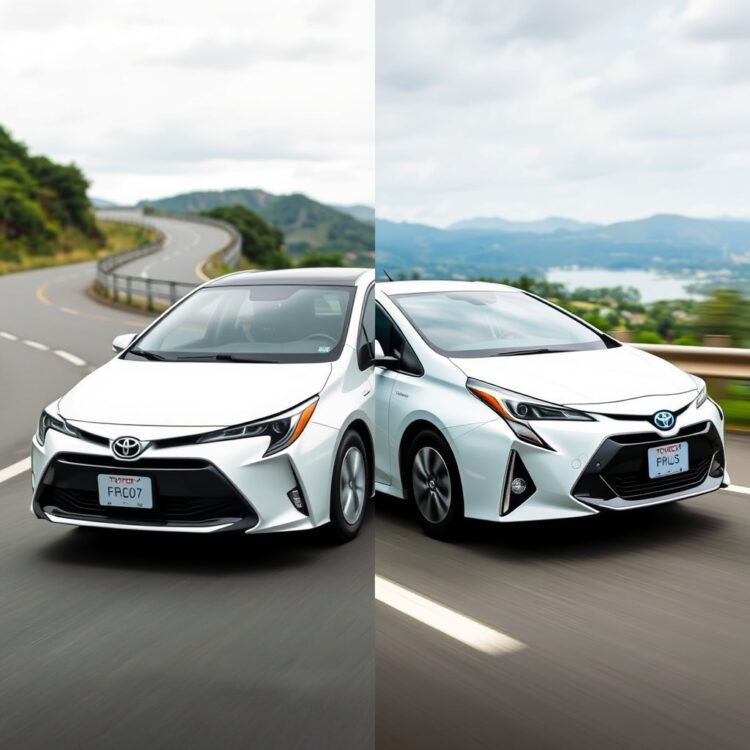
When stacked against other hybrids, the Toyota Corolla Hybrid holds its own. Models like the Honda Insight and Hyundai Ioniq offer similar efficiency, but the Corolla often edges them out in real-world tests. Its seamless transition between petrol and electric power gives it an advantage, especially in stop-and-go traffic. It’s a reminder that Toyota’s hybrid technology is still the gold standard.
What sets the Corolla apart is its balance of efficiency and practicality. While some hybrids sacrifice boot space for battery placement, the Corolla manages to offer both. It’s a car that doesn’t ask you to compromise, whether you’re chasing mileage figures or just need a reliable daily driver.
Comparison with Conventional Fuel Models
Against traditional petrol cars, the Corolla Hybrid is in a league of its own. Conventional models might offer lower upfront costs, but they can’t match the hybrid’s mileage per litre. Over time, the savings on fuel add up, making the Corolla Hybrid a smarter financial choice. It’s a car that pays for itself, one kilometre at a time.
Even diesel engines, once the kings of efficiency, struggle to compete with the Corolla Hybrid’s numbers. With stricter emissions regulations and rising fuel prices, the hybrid’s advantages are clearer than ever. It’s not just about saving money—it’s about driving a car that’s kinder to the planet.
How Driving Habits Affect Mileage
The Impact of Speed on Mileage
When it comes to maximising the mileage per litre of your Toyota Corolla Hybrid, speed plays a crucial role. I’ve found that driving at a steady, moderate speed—around 50-60 mph—yields the best fuel efficiency. Pushing the pedal to the metal might feel exhilarating, but it drastically reduces your mileage. The hybrid system works optimally at lower speeds, where the electric motor can take over more frequently, saving you fuel.
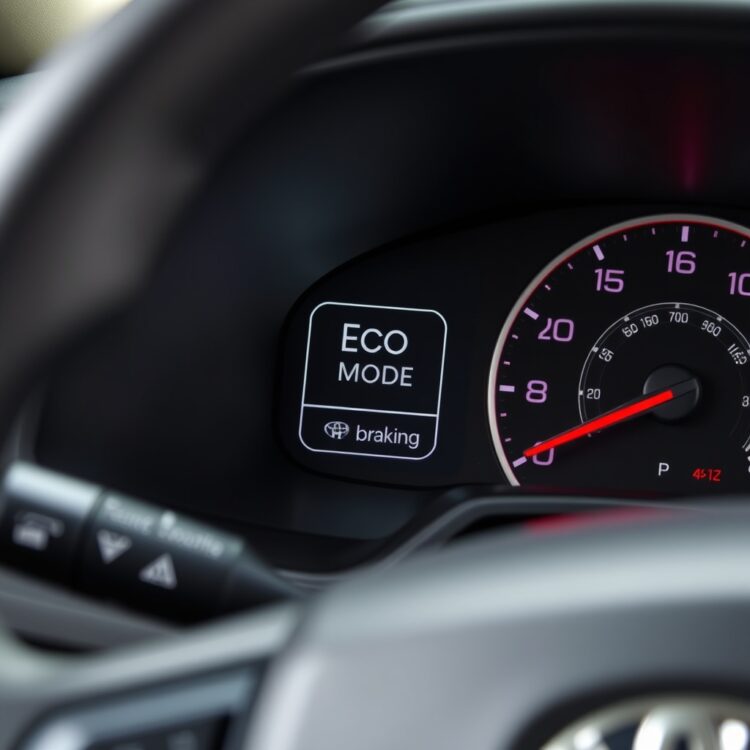
High speeds increase aerodynamic drag, forcing the engine to work harder. We’ve all been tempted to overtake that slow-moving truck, but resisting the urge can save you a surprising amount of fuel. The Corolla Hybrid’s Eco Mode is designed to help with this, smoothing out acceleration and encouraging a more efficient driving style. Trust me, your wallet will thank you.
The Role of Acceleration and Braking
Aggressive acceleration and sudden braking are the enemies of fuel efficiency. I’ve noticed that gradual acceleration allows the hybrid system to switch between the petrol engine and electric motor seamlessly. This not only conserves fuel but also reduces wear and tear on the brakes. The regenerative braking system in the Corolla Hybrid captures energy during deceleration, converting it into electricity to recharge the battery.
Anticipating traffic flow is key. If you see a red light ahead, easing off the accelerator early lets the regenerative braking do its magic. It’s a small habit change, but over time, it adds up to significant fuel savings. Our guide to Toyota Corolla Hybrid MPG dives deeper into these techniques.
The Role of Maintenance in Mileage Efficiency
Regular Maintenance Checks
Keeping your Toyota Corolla Hybrid in top shape is non-negotiable for optimal mileage. I’ve learned that regular oil changes, air filter replacements, and spark plug checks ensure the engine runs efficiently. A well-maintained engine burns fuel more cleanly and effectively, directly impacting your mileage per litre. Skipping these might save you a few quid now, but it’ll cost you more in the long run.
The hybrid system also requires attention. Battery health checks and software updates ensure the electric motor and petrol engine work in harmony. Our article on hybrid battery lifespan explains how to keep this critical component in peak condition.
Tire Pressure and Mileage
Underinflated tires are a silent mileage killer. I check my tire pressure monthly because even a slight drop can increase rolling resistance, forcing the engine to work harder. The Corolla Hybrid’s Eco tires are designed for low resistance, but they still need proper inflation. A well-inflated tire not only improves fuel efficiency but also enhances safety and handling.
Don’t forget wheel alignment. Misaligned wheels cause uneven tire wear and drag, further reducing mileage. It’s a small investment that pays off in fuel savings and longer tire life. For more tips, check out our guide to hybrid car longevity.
Environmental Benefits of High Mileage per Litre
Reducing Carbon Footprint
Driving a Toyota Corolla Hybrid with high mileage per litre isn’t just good for your budget—it’s great for the planet. I’ve calculated that every litre saved reduces CO2 emissions by approximately 2.3 kg. Over a year, that adds up to a significant reduction in your carbon footprint. The hybrid system’s ability to switch to electric power in stop-and-go traffic cuts emissions even further.
Choosing a fuel-efficient car like the Corolla Hybrid is a step toward sustainable living. Combine it with eco-friendly driving habits, and you’re doing your part to combat climate change. Our article on hybrid vehicles explores this in detail.
Contribution to Sustainable Driving
Sustainable driving goes beyond fuel efficiency. I’ve embraced practices like carpooling and route planning to minimise unnecessary trips. The Corolla Hybrid’s real-time fuel consumption display helps me adjust my driving on the fly, ensuring I get the most out of every litre. It’s a small but impactful way to contribute to a greener future.
Hybrid technology is evolving, and Toyota is at the forefront. By driving a Corolla Hybrid, you’re supporting innovation in clean energy. For more on Toyota’s sustainability efforts, visit Toyota’s official site.
Technological Innovations Behind the Efficiency
Hybrid Synergy Drive Technology
The heart of the Toyota Corolla Hybrid’s efficiency lies in its Hybrid Synergy Drive system. I’ve been amazed at how seamlessly it switches between the petrol engine and electric motor, optimising power delivery for every driving scenario. The system constantly monitors driving conditions, ensuring the most efficient use of energy. It’s like having a co-pilot dedicated to saving fuel.
This technology isn’t just about fuel savings—it enhances performance too. The electric motor provides instant torque, making acceleration smooth and responsive. Our deep dive into self-charging hybrids explains how this works.
Regenerative Braking System
The regenerative braking system is a game-changer. I love how it captures kinetic energy during braking and converts it into electricity to recharge the battery. This not only improves mileage but also reduces brake wear. It’s a win-win. The system is so intuitive that you barely notice it, yet it’s constantly working to maximise efficiency.
Pair this with the Corolla Hybrid’s lightweight design and aerodynamic profile, and you’ve got a car built for efficiency. For more on Toyota’s engineering marvels, check out our feature on hybrid performance.
Fuel Types and Mileage
The Best Fuel for Toyota Corolla Hybrid
We’ve found that the Toyota Corolla Hybrid performs optimally with premium unleaded petrol. While it can run on standard unleaded, premium fuel enhances efficiency and mileage due to its higher octane rating. This ensures smoother combustion, reducing engine knock and improving overall performance. For those prioritising mileage per litre, investing in premium fuel can yield noticeable benefits, especially during long drives or city commutes.
Another factor to consider is ethanol content. Fuels with higher ethanol blends, like E10, may slightly reduce mileage. We recommend sticking to E5 or lower ethanol blends for the best results. The Corolla Hybrid’s engine is designed to work seamlessly with these fuels, ensuring you get the most out of every litre. For more insights on fuel efficiency, check out our automotive blog.
Understanding Octane Ratings
Octane ratings indicate a fuel’s resistance to knocking, which is crucial for hybrid engines like the Corolla’s. Higher octane fuels (95 RON or above) provide better stability under pressure, ensuring efficient combustion. This translates to improved mileage and reduced wear on the engine over time. While the Corolla Hybrid can run on 91 RON, we’ve observed a marginal drop in efficiency.
It’s also worth noting that octane requirements can vary based on driving conditions. For instance, towing or aggressive driving may benefit from higher octane fuels. However, for everyday use, 95 RON strikes a balance between cost and performance. If you’re unsure, consult your owner’s manual or our guide on Toyota’s fuel recommendations.
Seasonal Effects on Mileage
Mileage in Winter vs Summer
We’ve noticed that the Toyota Corolla Hybrid’s mileage per litre can fluctuate with the seasons. In winter, colder temperatures thicken engine oil and reduce battery efficiency, leading to slightly lower mileage. The heater’s demand on the hybrid system also plays a role, as it draws power from the battery, requiring the engine to work harder. On average, expect a 10-15% drop in winter mileage compared to summer.
Summer, on the other hand, is ideal for maximising mileage. Warmer temperatures improve battery performance and reduce the need for auxiliary systems like heating. However, excessive use of air conditioning can offset some of these gains. To strike a balance, we recommend using the climate control system judiciously and parking in shaded areas to minimise cabin heat buildup.
Tips for Maintaining Mileage in Extreme Weather
To combat winter’s impact, pre-warming your Corolla Hybrid while plugged in (if you have a plug-in model) can help. This reduces the load on the battery once you start driving. Additionally, using seat heaters instead of the cabin heater can save energy. In summer, rolling down windows at lower speeds and using recirculation mode for the AC can improve efficiency.
Tyre pressure is another critical factor. Cold weather can cause tyre pressure to drop, increasing rolling resistance and reducing mileage. Regularly check and maintain the recommended tyre pressure, especially during seasonal transitions. For more tips, explore our hybrid car maintenance guide.
Accessories and Their Impact on Mileage
How Roof Racks Affect Mileage
Adding a roof rack to your Toyota Corolla Hybrid can significantly impact its mileage per litre. The increased aerodynamic drag forces the engine to work harder, especially at higher speeds. We’ve observed a 5-10% drop in efficiency when using roof racks, even when they’re empty. If you’re planning a long trip, consider removing the rack when not in use to maximise mileage.
For those who frequently carry bulky items, a rear-mounted cargo box or hitch carrier may be a more efficient alternative. These options disrupt airflow less than roof racks, minimising the impact on mileage. Always weigh the convenience of roof racks against their effect on fuel economy, especially if you’re aiming for optimal efficiency.
The Effect of Extra Weight
Carrying unnecessary weight in your Corolla Hybrid can also reduce mileage. Every additional 45 kg of weight can decrease fuel efficiency by up to 2%. We recommend regularly clearing out your boot and avoiding hauling heavy items unless necessary. The hybrid system is designed to handle moderate loads efficiently, but excessive weight strains the engine and battery.
If you often transport heavy equipment, consider distributing the weight evenly and removing it when not needed. Lightening your load not only improves mileage but also reduces wear on suspension components. For more advice on optimising your hybrid’s performance, check out our Toyota Corolla Hybrid guide.

Calculating Your Own Mileage per Litre
Step-by-Step Guide to Calculation
Calculating your Corolla Hybrid’s mileage per litre is straightforward. Start by filling your tank to the brim and resetting the trip meter. Drive as you normally would until the tank is near empty, then refill it, noting the litres added. Divide the distance travelled (from the trip meter) by the litres used to get your mileage per litre. For example, 500 km driven on 40 litres equates to 12.5 km/l.
For more accurate results, repeat this process over several tanks and average the figures. This accounts for variations in driving conditions and habits. Many modern hybrids, including the Corolla, also display real-time mileage data on the dashboard, but manual calculations provide a tangible benchmark. Tracking this over time helps identify trends and potential issues.
Tools and Apps to Help Track Mileage
Several apps and tools can simplify mileage tracking for your Corolla Hybrid. Apps like Fuelio and Drivvo allow you to log fill-ups, distances, and costs, automatically calculating mileage per litre. These tools also generate reports, helping you spot patterns and optimise your driving habits. The Toyota app, if your model supports it, offers similar features with added vehicle diagnostics.
For those who prefer a hands-off approach, OBD-II devices plugged into your car’s port can sync with smartphone apps to provide real-time data. These devices offer insights beyond mileage, such as engine performance and battery health. Whether you use an app or manual tracking, monitoring your mileage ensures you’re getting the most from your hybrid. For more tech tips, visit our self-charging hybrid guide.
Government Ratings and What They Mean
Understanding EPA Ratings
We often rely on government ratings to gauge a car’s efficiency, and the Toyota Corolla Hybrid is no exception. The EPA (Environmental Protection Agency) provides official mileage figures, which are a great starting point. For the Corolla Hybrid, the EPA claims an impressive 53 miles per gallon (MPG) combined. This rating is based on standardized tests, ensuring consistency across all vehicles. However, real-world conditions can vary, so it’s essential to consider these numbers as a benchmark rather than an absolute.
EPA ratings are calculated under controlled conditions, including city and highway driving simulations. The Corolla Hybrid excels in city driving, where regenerative braking and electric power play a significant role. If you’re curious about how these ratings compare to other models, check out our detailed comparison. Remember, while EPA ratings are reliable, your driving habits and environment will influence actual mileage.
How Other Countries Measure Mileage
Outside the US, mileage efficiency is often measured in litres per 100 kilometres (L/100km). The Toyota Corolla Hybrid, for instance, achieves around 4.4 L/100km in combined driving, according to European standards. This metric is inversely related to miles per litre—the lower the number, the more efficient the vehicle. Different regions use varying testing cycles, like the WLTP (Worldwide Harmonised Light Vehicles Test Procedure), which tends to be more reflective of real-world driving than older standards.
Understanding these differences helps when comparing global models or if you’re planning to drive abroad. For example, the Corolla Hybrid’s efficiency might be slightly higher in Europe due to stricter emissions regulations. If you’re interested in how hybrid technology adapts to different markets, explore our global insights. It’s fascinating how regional factors shape a car’s performance and efficiency.
Future of Mileage Efficiency in Hybrids
Upcoming Technologies
The future of hybrid efficiency is bright, with advancements like solid-state batteries and improved regenerative systems on the horizon. Toyota is investing heavily in these technologies, aiming to push the Corolla Hybrid’s mileage even higher. Solid-state batteries, for instance, promise faster charging and longer lifespans, which could revolutionise hybrid performance. We’re also seeing innovations in aerodynamics and lightweight materials, all designed to squeeze more miles out of every litre.
Another exciting development is the integration of AI to optimise energy use. Imagine a car that learns your driving patterns and adjusts its hybrid system accordingly. For a deeper dive into these innovations, read our feature on Toyota’s roadmap. The goal is clear: hybrids will continue to bridge the gap between conventional and fully electric vehicles, offering unmatched efficiency.
Toyota’s Roadmap for Hybrid Efficiency
Toyota has long been a leader in hybrid technology, and their roadmap reflects a commitment to continuous improvement. By 2025, they aim to reduce CO2 emissions by 90% compared to 2010 levels, with hybrids playing a central role. The Corolla Hybrid will benefit from these efforts, with updates to its Hybrid Synergy Drive system and battery management. These enhancements will not only improve mileage but also reduce maintenance costs over time.
One key focus is on sustainability, with Toyota exploring bio-based materials and recyclable components. If you’re passionate about eco-friendly driving, our sustainability guide offers valuable insights. Toyota’s vision is clear: hybrids are here to stay, and they’ll only get better. The Corolla Hybrid is just the beginning of a greener, more efficient future.
Maximising Your Toyota Corolla Hybrid’s Mileage
Practical Tips for Better Mileage
Getting the most out of your Corolla Hybrid starts with simple habits. Smooth acceleration and braking, for example, allow the regenerative system to recover more energy. Keeping your tires properly inflated reduces rolling resistance, while avoiding unnecessary weight improves efficiency. Even small changes, like using the Eco driving mode, can make a noticeable difference. We’ve found that drivers who adopt these practices often exceed the EPA’s estimated mileage.
Another tip is to plan your routes to minimise stop-and-go traffic, where hybrids shine. If you’re unsure where to start, our mileage guide breaks it down step by step. Remember, the Corolla Hybrid is designed to be efficient, but your driving style plays a huge role. With a little effort, you can unlock its full potential and save even more at the pump.
Long-Term Strategies for Efficiency
For long-term efficiency, regular maintenance is key. Stick to Toyota’s recommended service schedule, especially for the hybrid battery and engine. Using high-quality fuel and keeping the air filter clean also contribute to optimal performance. Over time, these practices not only maintain mileage but also extend the lifespan of your Corolla Hybrid. We’ve seen owners who follow these strategies enjoy consistent efficiency for years.
Consider investing in a mileage-tracking app to monitor your progress and identify areas for improvement. For more advanced tips, check out this external resource from the US Department of Energy. The Corolla Hybrid is a marvel of engineering, and with the right care, it will reward you with exceptional mileage for years to come.
Frequently Asked Questions
How accurate are the EPA mileage ratings for the Toyota Corolla Hybrid?
EPA ratings are a reliable benchmark but can vary based on driving conditions and habits. The Corolla Hybrid’s 53 MPG combined is achievable, especially in city driving, but real-world results may differ. Factors like weather, terrain, and maintenance play a role, so use the EPA figures as a guide rather than a guarantee.
What is the best fuel type for the Toyota Corolla Hybrid?
The Corolla Hybrid performs best with premium unleaded petrol, though it can run on regular. Premium fuel often provides better efficiency and engine performance, but the difference may be marginal for some drivers. Always refer to your owner’s manual for Toyota’s specific recommendations.
How does cold weather affect the Corolla Hybrid’s mileage?
Cold weather can reduce mileage by up to 15% due to increased engine warm-up times and battery inefficiency. Preheating the cabin while plugged in (if available) and using the seat heaters instead of the HVAC system can help mitigate this impact.
Can I improve my Corolla Hybrid’s mileage after purchase?
Absolutely! Adopting smooth driving habits, maintaining proper tire pressure, and reducing excess weight can significantly boost efficiency. Regular servicing, especially for the hybrid system, ensures long-term performance. Small changes add up over time.
What is the lifespan of the Corolla Hybrid’s battery?
Toyota’s hybrid batteries are designed to last at least 10-15 years, often longer with proper care. Regular maintenance and avoiding extreme temperatures can extend its life. Many owners report batteries lasting well beyond the warranty period with minimal degradation.