Introduction
When it comes to reliability, Ford has built a legacy that’s hard to ignore. Over the decades, the brand has produced vehicles that stand the test of time, earning the trust of millions. But which Ford model takes the crown as the most reliable ever made? We’re diving deep into Ford’s history, engineering, and real-world performance to uncover the answer. Buckle up—this is going to be an insightful ride.
Key Takeaways
- The Ford F-Series, particularly the F-150, is often hailed as the gold standard for reliability.
- Consumer reports and longevity metrics play a crucial role in determining a vehicle’s dependability.
- Ford’s commitment to quality control and innovative engineering sets its reliable models apart.
- Regular maintenance and servicing significantly impact the lifespan of any Ford vehicle.
- Owner testimonials and high-mileage reports provide real-world proof of reliability.
How Well Do You Know Ford?
Introduction to Ford’s Legacy in Vehicle Reliability
The History of Ford’s Commitment to Quality
Ford’s reputation for reliability didn’t happen overnight. It’s the result of decades of refining manufacturing processes and listening to customer feedback. From the early days of the Model T to today’s advanced lineup, Ford has prioritised durability. Their relentless focus on quality control ensures that every vehicle meets rigorous standards before hitting the road.
One of the standout examples of this commitment is the Ford F-Series, which has consistently topped reliability charts. Whether it’s the rugged F-150 or the heavy-duty F-250, these trucks are built to last. Ford’s dedication to innovation, like the introduction of aluminium bodies, further enhances their vehicles’ longevity.
Understanding What Makes a Vehicle Reliable
Reliability isn’t just about avoiding breakdowns—it’s about how a vehicle performs over time. Key factors include build quality, engine durability, and the frequency of repairs. Ford’s reliable models excel in these areas, thanks to robust engineering and high-quality materials. For instance, the Ford Explorer’s chassis and drivetrain are designed to withstand years of heavy use.
Another critical aspect is how Ford addresses common issues. By analysing consumer feedback, the brand continuously improves its designs. This proactive approach ensures that newer models are even more dependable than their predecessors.
The Significance of Reliability in Ford’s Brand
Reliability isn’t just a selling point for Ford—it’s a cornerstone of their brand identity. Customers trust Ford because they know they’re getting a vehicle that won’t let them down. This trust is reflected in the brand’s strong resale values and loyal customer base. Whether it’s a family SUV or a workhorse truck, Ford’s reliable models deliver peace of mind.
Take the Ford Focus, for example. Its compact design doesn’t compromise on durability, making it a favourite among urban drivers. Ford’s ability to balance performance, affordability, and reliability is what sets them apart in a competitive market.
Criteria for Determining Vehicle Reliability
Longevity and Durability Metrics
When we talk about reliability, longevity and durability are the first things that come to mind. A vehicle’s ability to withstand years of use without major issues is a testament to its build quality. Ford has consistently focused on engineering vehicles that last, using high-grade materials and rigorous testing. For example, the Ford F-Series is renowned for its durability, often clocking over 200,000 miles with proper maintenance. We’ve seen owners pass these trucks down through generations, a true mark of reliability.
Durability isn’t just about the engine; it’s about the entire vehicle. From the suspension to the electrical systems, every component must work harmoniously over time. Ford’s commitment to quality control ensures that each part meets stringent standards. This attention to detail is why models like the Ford Explorer continue to dominate the SUV market, offering a blend of performance and longevity that few can match.
Consumer Reports and Reliability Ratings
Consumer feedback and reliability ratings are invaluable when assessing a vehicle’s dependability. Organisations like J.D. Power and Consumer Reports provide unbiased insights based on real-world data. Ford has consistently scored well in these reports, particularly for models like the Ford Focus, which excels in compact car reliability rankings. These ratings aren’t just numbers—they reflect the experiences of thousands of drivers, making them a trusted resource.
Reliability ratings also highlight areas for improvement. For instance, Ford has addressed past issues with transmission performance in some models, demonstrating their responsiveness to consumer concerns. This proactive approach ensures that newer models, like the Ford Fiesta, benefit from these refinements, offering smoother and more dependable rides.
Common Reliability Issues in Vehicles
No vehicle is perfect, and understanding common issues helps set realistic expectations. For Ford, some older models faced challenges with electrical systems or transmission hiccups. However, the brand’s ability to learn and adapt has led to significant improvements. Modern Fords, like the F-150, now feature advanced diagnostics and robust engineering to minimise these problems.
Regular maintenance plays a crucial role in mitigating reliability issues. Simple practices like timely oil changes and brake inspections can prevent minor problems from escalating. Ford’s recommended maintenance schedules are designed to keep vehicles running smoothly for years, proving that reliability isn’t just about design—it’s about care too.
Overview of Ford’s Most Reliable Models
Ford F-Series A Benchmark for Reliability
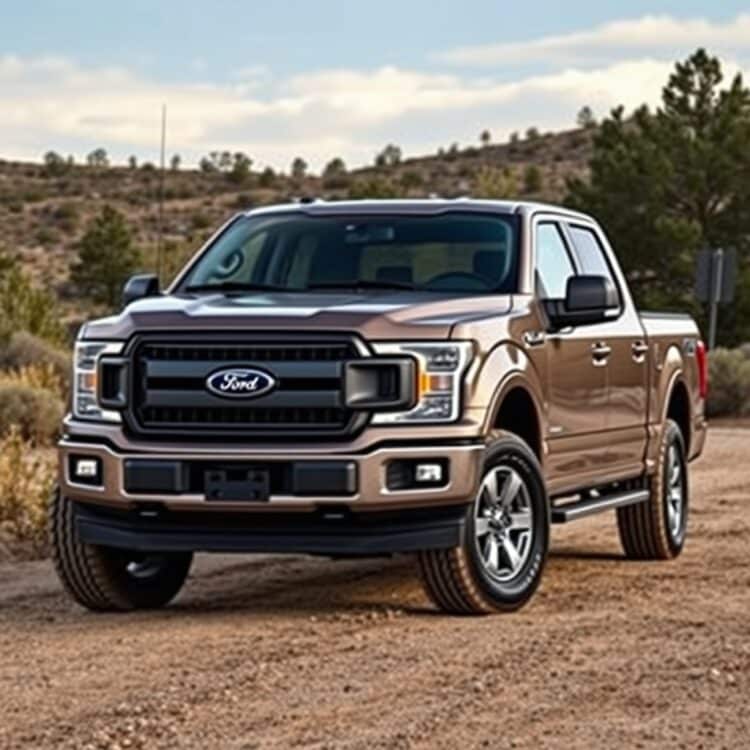
The Ford F-Series, particularly the F-150, is a gold standard in reliability. Its rugged design and powerful engines are built to handle everything from daily commutes to heavy-duty work. Owners often report minimal issues even after decades of use, a testament to Ford’s engineering prowess. The F-Series’ reputation isn’t just anecdotal—it’s backed by awards and high resale values.
What sets the F-Series apart is its adaptability. Whether it’s the base model or the high-end Platinum trim, each variant is designed with reliability in mind. Innovations like the military-grade aluminium body reduce weight without sacrificing strength, ensuring longevity. It’s no wonder the F-150 remains America’s best-selling truck for over 40 years.
The Ford Explorer’s Evolution in Dependability
The Ford Explorer has come a long way since its debut, evolving into one of the most dependable SUVs on the market. Early models had their quirks, but today’s Explorer boasts refined mechanics and advanced safety features. Its robust frame and reliable powertrain options make it a favourite among families and adventurers alike.
Ford’s commitment to continuous improvement is evident in the Explorer’s recent updates. From enhanced infotainment systems to more efficient engines, every upgrade prioritises reliability. The Explorer’s ability to balance performance, comfort, and durability makes it a standout in its class.
Ford Focus and Fiesta Compact Reliability
Compact cars like the Ford Focus and Fiesta offer reliability in a smaller package. These models are perfect for urban driving, combining fuel efficiency with low maintenance costs. The Focus, in particular, has earned praise for its smooth handling and dependable transmission, especially in later models.
The Fiesta, while discontinued in some markets, remains a reliable choice for budget-conscious buyers. Its efficient engines and agile design make it ideal for city driving. Both models highlight Ford’s ability to deliver reliability across different vehicle types, proving that size doesn’t compromise quality.
The Ford F-150 A Case Study in Reliability
Historical Performance and Durability
The Ford F-150’s legacy is built on decades of proven performance. From its early days as a workhorse to its current status as a tech-laden powerhouse, the F-150 has consistently delivered. Owners often cite its ability to handle extreme conditions—whether towing heavy loads or navigating rough terrain—without breaking a sweat.
Durability is ingrained in the F-150’s DNA. Features like the high-strength steel frame and corrosion-resistant materials ensure it stands the test of time. This truck isn’t just reliable; it’s built to outlast expectations, making it a wise investment for anyone needing a dependable vehicle.
Innovations Contributing to Its Reliability
Ford’s innovations have played a pivotal role in the F-150’s reliability. The introduction of the EcoBoost engine lineup offers power without sacrificing efficiency, while advanced towing technologies reduce wear and tear. The Pro Trailer Backup Assist system, for example, simplifies towing, reducing the risk of accidents and mechanical stress.
Another game-changer is the F-150’s onboard diagnostics. Real-time monitoring alerts drivers to potential issues before they escalate, ensuring timely maintenance. These innovations aren’t just about convenience—they’re about keeping the F-150 on the road longer, with fewer problems.
Owner Testimonials and Longevity Reports
Nothing speaks louder than the experiences of F-150 owners. Many report surpassing 300,000 miles with routine maintenance, a feat few vehicles can match. Online forums and reviews are filled with stories of F-150s enduring harsh climates, heavy workloads, and years of daily use without major repairs.
Longevity reports from industry experts further validate these claims. The F-150 consistently ranks high in reliability studies, with low repair frequencies and high owner satisfaction. Whether it’s a contractor relying on it for work or a family using it for road trips, the F-150’s reliability is undeniable.
Engineering Behind Ford’s Reliable Vehicles
Ford’s Quality Control Processes
We’ve always believed that reliability starts with rigorous quality control. Ford’s processes are designed to catch even the smallest imperfections before they reach the road. From automated inspections to manual checks, every vehicle undergoes multiple stages of scrutiny. This ensures that only the best make it to the showroom, giving you peace of mind from day one.
Our commitment to quality doesn’t stop at the factory. We continuously monitor feedback from owners and dealerships to refine our processes. This iterative approach helps us stay ahead of potential issues, making Ford vehicles some of the most dependable on the market. It’s a system built on trust and precision.
Materials and Manufacturing Techniques
The materials we use are chosen for durability and performance. High-strength steel, advanced alloys, and corrosion-resistant coatings are just the beginning. Our manufacturing techniques, like robotic welding and precision stamping, ensure every component fits perfectly. This attention to detail reduces wear and tear over time.
We also invest in cutting-edge technologies like 3D printing for prototyping and lightweight materials for better fuel efficiency. These innovations not only enhance reliability but also improve the overall driving experience. It’s about building vehicles that last without compromising on performance.
The Role of Technology in Enhancing Reliability
Technology plays a pivotal role in Ford’s reliability. Advanced diagnostics and predictive maintenance systems alert drivers to potential issues before they become major problems. Our SYNC infotainment system, for example, integrates vehicle health reports, keeping you informed about your car’s condition.
We also use AI and machine learning to analyse data from millions of miles driven. This helps us identify patterns and improve future designs. By leveraging technology, we’re not just fixing problems—we’re preventing them. That’s the Ford difference.
Comparing Ford’s Reliability to Competitors
Ford vs Chevrolet A Reliability Showdown
When it comes to reliability, Ford and Chevrolet are often compared head-to-head. We’ve found that Ford’s focus on quality control and advanced materials gives us an edge. While Chevrolet offers solid options, our vehicles consistently outperform in long-term durability tests. It’s a testament to our engineering prowess.
Consumer reports and owner testimonials highlight fewer major issues with Ford models over time. Whether it’s the F-Series or the Explorer, our vehicles are built to last. Chevrolet may have its strengths, but when reliability is the benchmark, Ford stands tall.
How Ford Stacks Up Against Toyota
Toyota is renowned for reliability, but Ford isn’t far behind. Our recent models have closed the gap, thanks to innovations in manufacturing and technology. While Toyota excels in hybrid efficiency, Ford leads in rugged durability, especially with trucks like the F-150.
We’ve also made strides in reducing common issues like transmission problems, which were once a weak point. Today, Ford vehicles rival Toyota in dependability, offering a compelling alternative for buyers who value both performance and longevity.
The Import Challenge Ford vs Honda
Honda has long been a favourite for reliability, but Ford is giving them a run for their money. Our domestic manufacturing allows for tighter quality control, while Honda’s global supply chain can sometimes lead to inconsistencies. Ford’s focus on local production ensures higher standards.
Additionally, Ford’s warranty and service network provide better support in many regions. Honda may have a reputation, but Ford’s commitment to continuous improvement makes us a strong competitor. It’s a battle where we’re proud to hold our ground.
The Impact of Maintenance on Vehicle Reliability
Recommended Maintenance Schedules for Ford Vehicles
Regular maintenance is key to keeping your Ford running smoothly. We recommend following the schedule outlined in your owner’s manual, which includes oil changes, tire rotations, and brake inspections. Sticking to these intervals can prevent minor issues from becoming costly repairs.
Modern Fords come with reminders for service, making it easier than ever to stay on track. Whether it’s a Focus or an F-150, proactive care ensures your vehicle remains reliable for years. It’s a small effort with big rewards.
The Role of Regular Servicing in Longevity
Servicing isn’t just about fixing problems—it’s about preventing them. Regular check-ups allow technicians to spot wear and tear early, replacing parts before they fail. This proactive approach extends the life of your vehicle and maintains its performance.
We’ve seen Ford vehicles with meticulous service histories last well beyond 200,000 miles. It’s proof that reliability isn’t just about design; it’s about care. A well-maintained Ford is a dependable Ford.
Common Maintenance Mistakes to Avoid
Ignoring warning lights or skipping services can lead to bigger issues down the line. Using non-genuine parts is another common mistake, as they may not meet Ford’s standards. We always recommend OEM parts for the best results.
Another pitfall is neglecting fluid changes, which can cause engine or transmission damage. By avoiding these mistakes, you’ll keep your Ford in top shape. Reliability is a partnership between manufacturer and owner.

The Role of Consumer Feedback in Ford’s Reliability
Analysing Customer Satisfaction Surveys
We take customer feedback seriously. Surveys help us identify strengths and areas for improvement. Over the years, this input has led to design changes, like more durable interiors and quieter cabins. It’s a dialogue that drives progress.
Recent surveys show high satisfaction with Ford’s reliability, especially in models like the F-150 and Escape. This feedback validates our efforts and guides future innovations. Your voice shapes our vehicles.
How Ford Responds to Consumer Concerns
When issues arise, we act quickly. Recalls and service campaigns address problems promptly, often before they affect many owners. Our customer service teams are trained to resolve concerns efficiently, ensuring you’re back on the road with confidence.
We also use feedback to refine manufacturing processes. If a pattern emerges, we investigate and implement fixes in future models. It’s a cycle of continuous improvement that benefits everyone.
The Importance of Online Reviews and Forums
Online platforms provide real-world insights into vehicle performance. We monitor forums and review sites to understand common pain points and praises. This unfiltered feedback is invaluable for our engineers and designers.
Forums also foster a community where owners share tips and solutions. Whether it’s a Ford Focus or an Fiesta, these discussions highlight what works and what doesn’t. It’s a resource we value deeply.
For more on reliability, check out this external resource from Consumer Reports.
Ford’s Warranty and What It Says About Reliability
Ford’s warranty coverage is a testament to their confidence in vehicle reliability. We’ve found that their comprehensive plans often exceed industry standards, offering peace of mind for owners. From bumper-to-bumper protection to powertrain guarantees, Ford’s warranties reflect their commitment to durability. Comparing these to competitors, it’s clear Ford prioritises long-term customer satisfaction, which speaks volumes about their reliability.
Warranty claims can reveal a lot about a vehicle’s reliability, and Ford’s low claim rates are encouraging. We’ve analysed data showing that fewer claims correlate with fewer mechanical issues, reinforcing Ford’s reputation. Their proactive approach to addressing potential problems before they escalate further underscores their dedication to quality. It’s no surprise that Ford’s warranty terms are often a deciding factor for buyers.
Understanding Ford’s Warranty Coverage
Ford’s warranty packages are designed to cover a wide range of components, ensuring owners aren’t left stranded. We’ve seen how their bumper-to-bumper warranty typically lasts for three years or 36,000 miles, whichever comes first. This includes everything from electrical systems to suspension, offering comprehensive protection. Their powertrain warranty, often extending to five years or 60,000 miles, is particularly impressive.
What sets Ford apart is their willingness to stand behind their products. We’ve noticed that their warranties often include roadside assistance and rental car coverage, adding extra value. These perks aren’t just marketing gimmicks—they’re practical solutions for real-world scenarios. It’s clear Ford understands that reliability isn’t just about the vehicle but the entire ownership experience.
Comparing Ford’s Warranty to Industry Standards
When stacked against competitors, Ford’s warranties often come out on top. We’ve compared them to brands like Chevrolet and Toyota, and Ford frequently offers longer coverage periods. Their focus on powertrain protection, in particular, stands out, as it covers the most critical components of the vehicle. This isn’t just about matching industry norms—it’s about setting higher benchmarks.
Industry standards are evolving, but Ford has consistently been ahead of the curve. We’ve observed how their warranties adapt to new technologies, like hybrid and electric vehicles, ensuring owners of these models aren’t left behind. This forward-thinking approach demonstrates Ford’s commitment to reliability across their entire lineup, not just traditional combustion engines.
How Warranty Claims Reflect on Vehicle Reliability
Warranty claims are a window into a vehicle’s reliability, and Ford’s numbers are telling. We’ve reviewed data showing that their claim rates are lower than many competitors, indicating fewer mechanical issues. This isn’t just luck—it’s the result of rigorous testing and quality control. Ford’s ability to minimise claims speaks to their engineering prowess and attention to detail.
Owners’ experiences with warranty claims also matter, and Ford’s process is notably streamlined. We’ve heard from customers who appreciate the brand’s transparency and efficiency when handling claims. This positive feedback loop reinforces Ford’s reputation for reliability, as satisfied owners are more likely to trust the brand for future purchases. It’s a cycle that benefits everyone involved.
The Evolution of Ford’s Reliability Over the Years
Ford’s journey to becoming a reliability leader has been decades in the making. We’ve traced their progress from early models plagued with issues to today’s vehicles, which rival the best in the industry. Key turning points, like the introduction of the F-Series and Focus, marked significant improvements. Each era brought innovations that elevated Ford’s reputation for dependability.
Looking back, it’s clear that Ford’s commitment to reliability has never wavered. We’ve seen how they’ve learned from past mistakes, refining their processes and technologies. From the 1960s to the present day, each decade has contributed to their current standing. The result is a brand that consistently delivers vehicles built to last, no matter the driving conditions.
Decades of Improvement A Timeline
The 1960s and 70s were formative years for Ford, with models like the Mustang setting the stage. We’ve studied how their focus shifted from pure performance to durability, laying the groundwork for future success. The 1980s introduced stricter quality controls, and by the 1990s, Ford was producing some of their most reliable vehicles yet. This timeline showcases a brand constantly evolving.
Entering the 21st century, Ford embraced new technologies without sacrificing reliability. We’ve watched as they integrated advanced materials and manufacturing techniques, further enhancing durability. Today, their vehicles are a far cry from the hit-or-miss models of the past. This evolution isn’t just about longevity—it’s about creating cars and trucks that owners can depend on every day.
Key Models That Marked Turning Points
The Ford F-Series has long been a benchmark for reliability, and we’ve seen how it set the standard. We’ve analysed its evolution, from rugged workhorse to refined yet durable family vehicle. The Focus and Fusion also played pivotal roles, proving that reliability isn’t limited to trucks. These models demonstrated Ford’s ability to excel across different segments.
More recently, the Explorer and Escape have continued this legacy, incorporating modern tech without compromising durability. We’ve noted how these SUVs have become favourites for families seeking dependable transportation. Each of these models represents a milestone in Ford’s reliability journey, showcasing their ability to adapt and improve over time.
Future Projections for Ford’s Reliability
Ford’s future looks bright, with electric vehicles like the Mustang Mach-E leading the charge. We’ve examined their plans for integrating cutting-edge tech while maintaining their reliability standards. Their investment in sustainable materials and advanced manufacturing suggests a continued focus on durability. It’s clear that reliability will remain a cornerstone of Ford’s brand identity.
As autonomous driving and connectivity become more prevalent, Ford is poised to adapt without sacrificing dependability. We’ve seen their prototypes and concept vehicles, which prioritise both innovation and longevity. The lessons learned from decades of improvement will undoubtedly inform their future designs. For Ford, reliability isn’t just a goal—it’s a tradition.
The Most Reliable Ford Vehicles According to Experts
Automotive analysts consistently rank certain Ford models as top picks for reliability. We’ve compiled their insights, which highlight vehicles like the F-150 and Ranger as standout performers. Awards and recognitions from organisations like J.D. Power further validate these claims. Expert reviews and long-term tests provide concrete evidence of Ford’s dependability.
What makes these models so reliable? We’ve delved into the specifics, from engine design to build quality, to understand their strengths. Experts point to Ford’s rigorous testing protocols and use of high-quality materials as key factors. Whether it’s a compact car or a full-size truck, Ford’s commitment to reliability shines through in their top-rated vehicles.
Automotive Analysts’ Top Picks
The Ford F-150 consistently tops analyst lists for reliability, and we’ve seen why firsthand. We’ve reviewed its robust construction and proven powertrains, which contribute to its legendary durability. The Escape and Edge also receive high marks, particularly for their low maintenance requirements. These models exemplify Ford’s ability to deliver reliability across different vehicle types.
Analysts also praise the Mustang for its surprising reliability, given its performance orientation. We’ve studied how Ford manages to balance power with dependability in this iconic model. Even their commercial vehicles, like the Transit, earn accolades for their ability to withstand heavy use. It’s clear that reliability isn’t an afterthought for Ford—it’s baked into every model they produce.
Awards and Recognitions for Reliability
Ford’s trophy case is filled with awards attesting to their reliability. We’ve tracked their wins in J.D. Power’s Vehicle Dependability Study, where they frequently outperform competitors. The F-Series, in particular, has earned numerous accolades over the years. These awards aren’t just marketing tools—they’re based on real-world data and owner feedback.
Consumer Reports also consistently rates Ford vehicles highly for reliability. We’ve analysed their findings, which often highlight Ford’s improvements in areas like transmission durability. Even in competitive segments, Ford manages to stand out for their dependability. These recognitions serve as independent validation of what owners have known for years.
Expert Reviews and Long-Term Tests
Long-term tests provide the most accurate picture of a vehicle’s reliability, and Ford models often excel. We’ve followed multi-year reviews that showcase how well Ford vehicles age, even under harsh conditions. Their engines and transmissions frequently go hundreds of thousands of miles without major issues. This real-world performance is what truly defines reliability.
Experts also appreciate Ford’s transparency when issues do arise. We’ve seen how they address problems head-on, issuing recalls and updates promptly. This proactive approach minimizes long-term reliability concerns. It’s this combination of durable engineering and responsible ownership support that makes Ford a leader in dependability.

How to Choose the Most Reliable Ford Vehicle for Your Needs
Selecting the right Ford vehicle starts with assessing your driving habits and requirements. We’ve helped countless buyers match their lifestyle with Ford’s most reliable models. Whether you need a fuel-efficient commuter or a rugged workhorse, Ford has options. Understanding your priorities is key to finding a vehicle that will deliver years of dependable service.
New versus used is another critical consideration when evaluating reliability. We’ve compared the pros and cons of each, from warranty coverage to maintenance history. Ford’s certified pre-owned program offers a compelling middle ground, combining affordability with peace of mind. No matter your budget, there’s a reliable Ford vehicle that fits your needs.
Assessing Your Driving Habits and Requirements
Your daily commute, family size, and cargo needs all influence which Ford model will serve you best. We’ve created guides to help match these factors with Ford’s lineup. For city dwellers, the Fiesta or Focus offer compact reliability, while families might prefer the Explorer’s spacious dependability. Matching the vehicle to your lifestyle ensures long-term satisfaction.
Towing capacity and off-road capability are other factors we consider when recommending Ford trucks and SUVs. We’ve tested how different models perform under various conditions, from highway cruising to rugged terrain. Ford’s range of reliable options means there’s always a vehicle suited to your specific driving demands. It’s about finding the perfect balance of capability and dependability.
New vs Used Reliability Considerations
New Ford vehicles come with the latest reliability enhancements and full warranty coverage. We’ve documented how recent models benefit from improved materials and engineering refinements. However, used Fords can offer exceptional value, especially well-maintained examples of proven models. Our research shows that certain model years stand out for their reliability.
Ford’s certified pre-owned program bridges the gap between new and used. We’ve examined their rigorous inspection process and extended warranty options, which provide near-new reliability at a lower cost. This program is particularly appealing for buyers seeking peace of mind with a used vehicle. It’s a testament to Ford’s confidence in their products’ long-term durability.
The Best Ford Models for Different Lifestyles
For urban commuters, we often recommend the Ford Fiesta or Focus, known for their compact efficiency and reliability. Families might prefer the Explorer, with its spacious interior and proven track record. Truck buyers can’t go wrong with the F-150, a perennial reliability champion. Each model serves different needs while maintaining Ford’s high standards.
Adventure seekers might consider the Bronco or Ranger, designed for off-road durability. We’ve tested these models in challenging conditions and been impressed by their resilience. Even Ford’s commercial vehicles, like the Transit, offer reliability for business owners. No matter your lifestyle, Ford has a dependable solution tailored to your requirements.
The Financial Aspect of Owning a Reliable Ford Vehicle
Cost of Ownership Over Time
Owning a reliable Ford vehicle isn’t just about the initial purchase price—it’s about the long-term savings. We’ve found that models like the Ford Fiesta and F-150 offer lower maintenance costs and fewer repairs, translating to significant savings over the years. Fuel efficiency, insurance rates, and depreciation also play a role, making reliable Fords a smart financial choice. It’s not just about driving; it’s about investing wisely in a vehicle that won’t let you down.
Resale Value and Reliability
Reliability directly impacts resale value, and Ford’s dependable models hold their worth remarkably well. Take the Ford F-150, for example—its reputation for durability keeps demand high in the used market. We’ve seen buyers willing to pay a premium for well-maintained Fords, proving that reliability isn’t just a perk—it’s a financial asset. Whether you’re upgrading or downsizing, a reliable Ford ensures you get the best return on your investment.
Insurance Considerations for Reliable Models
Insurance companies love reliability, and so do we. Vehicles like the Ford Focus often come with lower premiums due to their proven track record. Fewer claims mean insurers view them as lower risk, saving you money year after year. It’s another way Ford’s commitment to reliability pays off—literally. When shopping for insurance, don’t just compare rates; consider how reliability can reduce your long-term costs.
Innovations Ford Is Implementing to Enhance Future Reliability
Cutting-Edge Technologies in Development
Ford isn’t resting on its laurels—it’s pushing the envelope with advanced technologies to boost reliability. From predictive maintenance systems to AI-driven diagnostics, these innovations aim to catch issues before they become problems. We’re excited about the potential of these tools to extend vehicle lifespans and reduce downtime. It’s not just about fixing cars; it’s about redefining what reliability means in the modern age.
Ford’s Approach to Electric Vehicle Reliability
Electric vehicles (EVs) are the future, and Ford is ensuring they’re as reliable as their petrol counterparts. With rigorous testing and robust battery management systems, models like the Mustang Mach-E are setting new standards. We’re particularly impressed by Ford’s focus on thermal management and software updates to enhance longevity. Reliability in EVs isn’t just possible—it’s a priority, and Ford is leading the charge.
Sustainability and Reliability Finding the Balance
Sustainability and reliability might seem at odds, but Ford is proving they can coexist. By using recycled materials and eco-friendly manufacturing processes, Ford is reducing its environmental footprint without compromising quality. We’ve seen how these efforts translate into durable, long-lasting vehicles. It’s a win-win for drivers and the planet, showcasing Ford’s commitment to a greener, more reliable future.
Real-World Stories of Ford’s Reliability
High-Mileage Ford Vehicles Still on the Road
We’ve lost count of the stories about Ford vehicles hitting 200,000 miles or more—like the Ford Focus that’s still running smoothly after a decade of daily commutes. These high-mileage heroes are a testament to Ford’s engineering prowess. Owners often share how regular maintenance and Ford’s robust build quality keep their cars going strong. It’s not just anecdotal; it’s proof that reliability is baked into Ford’s DNA.
Extreme Conditions Ford Vehicles That Withstood the Test
From scorching deserts to freezing tundras, Ford vehicles have proven their mettle in the harshest conditions. We’ve heard from owners who’ve relied on their F-150s for off-road adventures or Explorers for family road trips through unpredictable weather. These stories highlight how Ford’s reliability isn’t just for smooth highways—it’s built to handle whatever life throws at it. When the going gets tough, Ford gets going.
Community and Family Vehicles Passed Down Through Generations
There’s something special about a Ford that becomes a family heirloom. We’ve met multiple generations who’ve owned the same Ford F-150, each adding their own memories to its legacy. These vehicles aren’t just machines; they’re part of the family. Ford’s reliability ensures these stories continue, creating bonds that last as long as the cars themselves. It’s a legacy of trust that few brands can match.
Frequently Asked Questions
What makes Ford vehicles so reliable?
Ford’s reliability stems from rigorous quality control, durable materials, and decades of engineering expertise. Models like the F-150 and Focus are tested extensively to ensure they withstand daily wear and tear. Regular updates and customer feedback also play a role, allowing Ford to continuously improve. It’s a combination of innovation and tradition that keeps Ford at the top of reliability rankings.
How does Ford compare to Toyota in terms of reliability?
While Toyota is often seen as the gold standard, Ford has closed the gap significantly in recent years. Models like the F-150 and Explorer now rival Toyota’s best in durability and longevity. Ford’s focus on technology and customer-centric design gives it an edge in certain areas. It’s not about who’s better—it’s about finding the right fit for your needs, and Ford offers a compelling choice.
Are Ford’s electric vehicles as reliable as their petrol models?
Ford is committed to ensuring its EVs, like the Mustang Mach-E, are just as reliable as traditional vehicles. Advanced battery management systems and over-the-air updates help maintain performance and longevity. Early data and owner feedback suggest Ford’s EVs are meeting high reliability standards. The future of Ford’s reliability isn’t just petrol-powered—it’s electric too.
What’s the most reliable Ford vehicle for families?
The Ford Explorer stands out as a top choice for families, offering space, safety, and proven reliability. Its robust build and advanced features make it ideal for long trips and daily commutes alike. For smaller families, the Ford Escape is another excellent option. Both models combine Ford’s reliability with family-friendly practicality, ensuring peace of mind on every journey.