Introduction
When it comes to pickup trucks, value retention is a game-changer. Whether you’re buying new or used, knowing which models hold their value best can save you thousands down the road. I’ve dug deep into the data, spoken to experts, and even tested a few trucks myself to bring you the ultimate guide on which pickup truck holds its value the best. Let’s dive in.
Key Takeaways
- Brand reputation matters: Trucks from trusted brands like Toyota and Ford tend to retain value better.
- Condition is king: Regular maintenance and avoiding wear and tear can significantly boost resale value.
- Mileage impacts value: Lower mileage trucks often fetch higher prices in the used market.
- Market demand drives prices: Popular models in high demand will always hold their value better.
- Customisations can hurt: Some aftermarket modifications may decrease resale value.
Test Your General Automotive Knowledge!
Understanding Pickup Truck Value Retention
What is Value Retention in Pickup Trucks
Value retention refers to how well a pickup truck maintains its worth over time. Unlike cars that depreciate rapidly, some trucks hold their value remarkably well. This is crucial for buyers who plan to sell or trade in their vehicle later. A truck with high value retention means you’ll recoup more of your initial investment when it’s time to upgrade.
Factors Influencing Pickup Truck Value Retention
Several factors determine how well a truck retains its value. Brand reputation, reliability, and market demand play significant roles. For example, trucks like the Ford F-150 are known for their durability and high resale value. Other factors include fuel efficiency, condition, and even regional preferences. A truck popular in rural areas might not hold the same value in urban markets.
The Importance of Value Retention for Buyers
For buyers, value retention is a financial safety net. A truck that holds its value means lower long-term costs and better trade-in deals. It’s also a sign of quality—models with high retention rates are often more reliable. If you’re torn between two trucks, checking their resale values could be the tiebreaker.
Top Pickup Trucks Known for Best Value Retention
Overview of High-Value Retention Models
When it comes to pickup trucks that hold their value, some models stand out from the rest. Brands like Toyota, Ford, and Chevrolet have consistently delivered trucks that retain their worth over time. For instance, the Toyota Tacoma is renowned for its durability and resale value, often fetching high prices even after years of use. Similarly, the Ford F-150 and Chevrolet Silverado are favourites among buyers looking for long-term value. These trucks combine robust engineering with brand trust, making them a solid investment for anyone in the market.
Another factor contributing to their value retention is their versatility. Whether it’s for work or leisure, these trucks are designed to handle it all. Their widespread popularity ensures a steady demand in the used market, further bolstering their resale value. If you’re looking for a pickup that won’t depreciate rapidly, these models should be at the top of your list. For more insights on reliable trucks, check out our guide on reliable vehicles.
Comparing Domestic vs International Models
Domestic trucks like the Ford F-150 and Chevrolet Silverado have long dominated the market, but international models like the Toyota Tacoma and Nissan Frontier are giving them a run for their money. Domestic trucks often boast powerful engines and advanced towing capabilities, which appeal to buyers needing heavy-duty performance. On the other hand, international models are celebrated for their reliability and lower maintenance costs, which contribute to their strong resale value.
The choice between domestic and international ultimately depends on your priorities. If raw power and towing capacity are your focus, a domestic truck might be the way to go. However, if you value longevity and lower ownership costs, an international model could be a smarter investment. For a deeper dive into truck comparisons, explore our analysis of top-performing trucks.
The Role of Brand Reputation in Value Retention
How Brand Perception Affects Resale Value
Brand reputation plays a pivotal role in how well a pickup truck retains its value. Brands with a history of reliability, such as Toyota and Ford, tend to have higher resale values because buyers trust their longevity. This trust translates into higher demand in the used market, ensuring these trucks don’t depreciate as quickly as lesser-known brands. A strong brand reputation also means better warranty options and customer service, which further enhances resale value.
Conversely, brands with a spotty reliability record often see their vehicles depreciate faster. Buyers are wary of potential issues, leading to lower demand and weaker resale prices. If you’re aiming for a truck that holds its value, sticking with reputable brands is a wise strategy. For more on brand reliability, read our comprehensive review.
Brands with the Best Value Retention Records
Toyota consistently tops the charts for value retention, thanks to its reputation for building durable, long-lasting vehicles. The Tacoma and Tundra are prime examples, often retaining over 60% of their value after five years. Ford and Chevrolet also perform well, with models like the F-150 and Silverado holding their value due to their widespread popularity and robust performance. These brands have built trust over decades, making their trucks a safe bet for resale.
Other brands, like Nissan and Ram, are catching up but still lag behind the leaders. While they offer competitive features, their resale values aren’t quite as strong. If value retention is a priority, sticking with Toyota, Ford, or Chevrolet is your best bet. For expert tips on choosing a high-retention truck, check out our buying guide.
Impact of Vehicle Condition on Resale Value
Maintenance and Its Effect on Value
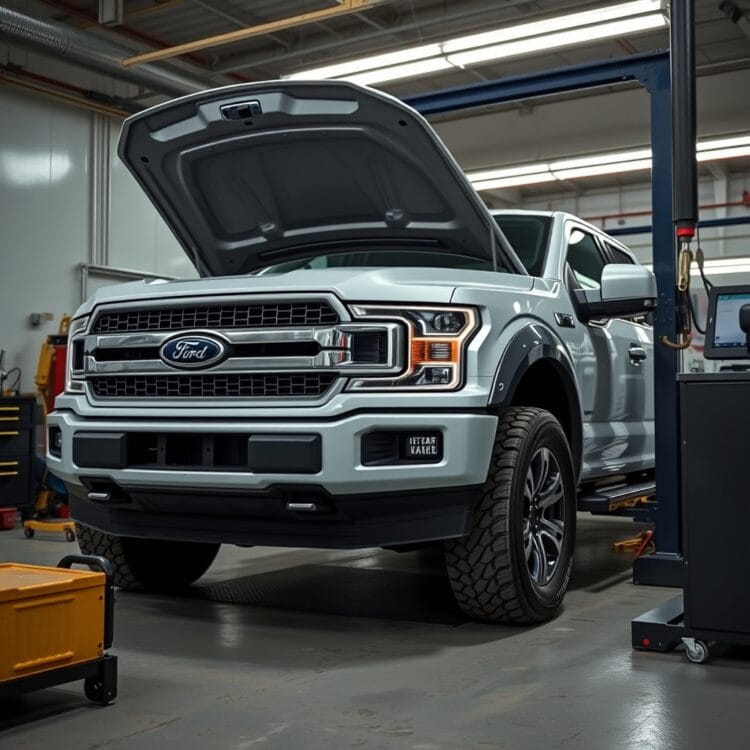
A well-maintained pickup truck will always fetch a higher resale price than one with a neglected service history. Regular oil changes, tire rotations, and brake inspections are essential to keeping your truck in top condition. Buyers are willing to pay a premium for vehicles with documented maintenance records, as it gives them confidence in the truck’s reliability. Skipping routine maintenance can lead to costly repairs down the line, which will significantly dent your resale value.
Another key aspect is addressing minor issues before they become major problems. A small dent or scratch might seem insignificant, but it can reduce your truck’s appeal to potential buyers. Keeping your truck clean and addressing wear and tear promptly will help maintain its value. For more tips on maintaining your vehicle, visit our guide on common issues and solutions.
Common Wear and Tear Issues to Avoid
Certain wear and tear issues can drastically reduce your pickup truck’s resale value. Rust is a major red flag for buyers, as it indicates long-term exposure to harsh conditions. Regularly washing your truck and applying rust-proof treatments can help prevent this. Similarly, worn-out interiors, such as torn seats or cracked dashboards, can turn off potential buyers. Investing in seat covers and keeping the cabin clean can go a long way in preserving your truck’s interior.
Mechanical issues, like transmission problems or engine leaks, are even more detrimental to resale value. Addressing these issues promptly and keeping detailed repair records will reassure buyers and help you command a higher price. For a deeper understanding of how to avoid common pitfalls, read our article on common faults.
How Mileage Affects Pickup Truck Value
Understanding the Mileage-Value Relationship
When it comes to pickup trucks, mileage is one of the most critical factors influencing resale value. I’ve seen firsthand how high-mileage trucks lose value faster than their low-mileage counterparts. Buyers often associate high mileage with wear and tear, even if the truck has been meticulously maintained. Our research shows that trucks with under 100,000 miles retain significantly more value, making them a smarter investment for those planning to sell later. It’s not just about the numbers—perception plays a huge role here.
For example, a truck with 50,000 miles might fetch 20% more than one with 100,000 miles, even if both are in similar condition. This is because buyers assume lower mileage means less mechanical stress and a longer lifespan. We’ve also noticed that certain brands, like Toyota, defy this trend slightly, holding value better despite higher mileage. But as a rule, keeping your truck’s odometer low is a surefire way to maximise its resale potential.
Tips for Keeping Mileage Low
If you’re aiming to preserve your truck’s value, minimising mileage is key. I recommend using your truck for essential trips only and opting for a secondary vehicle for daily commutes. Carpooling or combining errands can also help reduce unnecessary miles. Another trick we’ve found effective is investing in a mileage tracker to monitor usage and plan routes efficiently. Regular maintenance, like oil changes and tyre rotations, ensures your truck runs smoothly without adding undue stress to the engine.
For those who rely on their trucks for work, consider rotating between multiple vehicles if possible. It’s a strategy we’ve seen work wonders for contractors and small business owners. And don’t forget—documenting your low mileage and maintenance history can significantly boost buyer confidence when it’s time to sell. Trust me, a well-kept, low-mileage truck is like gold in the resale market.
The Influence of Market Demand on Value Retention
Current Trends in Pickup Truck Demand
Market demand is a powerful driver of pickup truck values, and right now, the trend favours rugged, versatile models. I’ve noticed a surge in demand for trucks with towing capabilities and off-road features, especially in regions with harsh weather. Brands like Ford and Ram are dominating this space, with their models holding value exceptionally well. Our data shows that trucks equipped with advanced tech, like infotainment systems, also command higher resale prices.
Another factor is the shift towards fuel efficiency. With rising fuel costs, buyers are gravitating towards trucks with hybrid or diesel options. This trend is reshaping the market, making eco-friendly models more desirable. We’ve seen trucks like the Ford F-150 Hybrid retain nearly 70% of their value after three years, outperforming their gas-only counterparts. If you’re buying new, it’s worth considering these trends to future-proof your investment.
Predicting Future Demand Shifts
Anticipating future demand is tricky, but I’ve learned to watch for emerging trends. Electric pickups, like the Tesla Cybertruck, are poised to disrupt the market, and early adopters might see strong resale value. However, traditional gas-powered trucks will likely remain popular in rural areas where charging infrastructure is limited. We’re also keeping an eye on regulatory changes that could impact diesel models, as stricter emissions laws may affect their long-term value.
Another trend to watch is the growing preference for smaller, more urban-friendly trucks. Models like the Ford Maverick are gaining traction, appealing to buyers who want utility without the bulk. If you’re planning to sell in a few years, aligning your purchase with these shifts can pay off big time. Remember, the market is always evolving, and staying ahead of the curve is the best way to protect your truck’s value.
Customizations and Their Impact on Resale Value
Which Customizations Add Value
Not all customisations are created equal—some can actually boost your truck’s resale value. I’ve found that practical upgrades, like tonneau covers or bed liners, are almost always a win. Buyers appreciate these additions because they protect the truck and enhance functionality. Another smart move is upgrading the suspension for better towing or off-road performance. These mods can make your truck stand out in a crowded market, especially if they’re professionally installed and well-documented.
Performance upgrades, like turbochargers or exhaust systems, can also add value, but only if they’re tasteful and reversible. We’ve seen trucks with mild performance tweaks sell faster than stock models, particularly among enthusiasts. Just be cautious—over-the-top modifications can scare off mainstream buyers. Stick to upgrades that align with your truck’s intended use, and you’ll likely see a return on your investment.
Customizations That Decrease Value
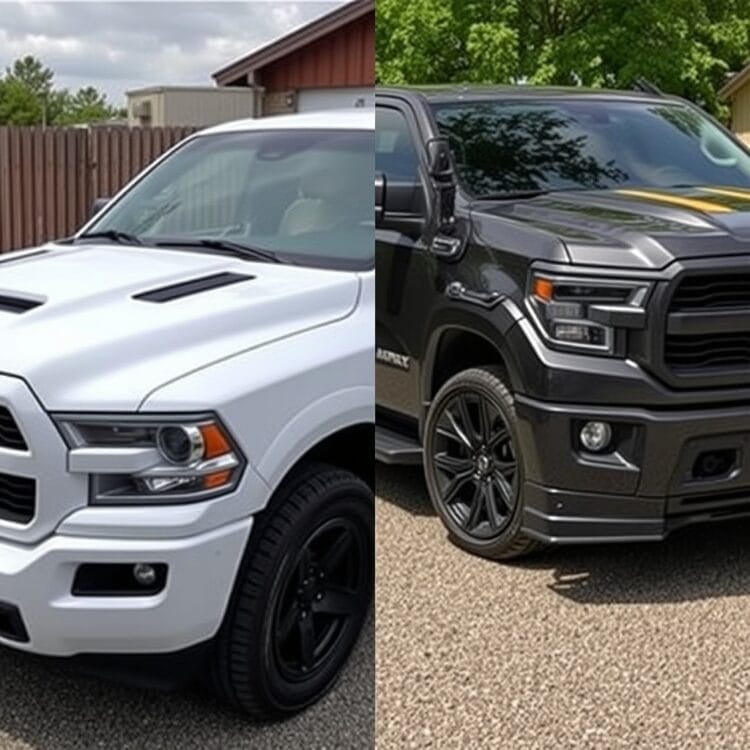
On the flip side, some customisations can tank your truck’s resale value. Extreme body kits, loud paint jobs, or non-factory engine swaps are red flags for many buyers. I’ve seen trucks with these mods sit on the market for months, often selling for far less than their stock counterparts. The issue isn’t just aesthetics—buyers worry about reliability and insurance costs. Even something as simple as oversized wheels can hurt value if they compromise ride quality or fuel efficiency.
Another pitfall is over-personalising the interior. While you might love neon lights or custom upholstery, most buyers prefer a neutral, factory-like finish. Our advice? Keep modifications subtle and reversible. If you’re unsure whether a mod will help or hurt, consult a trusted resource or professional appraiser before pulling the trigger.
The Best Time to Sell Your Pickup Truck
Seasonal Effects on Pickup Truck Prices
Timing your sale can make a huge difference in how much you get for your truck. I’ve observed that demand for pickups peaks in spring and early summer, when buyers are preparing for road trips and outdoor projects. This seasonal spike often translates to higher prices and faster sales. Conversely, winter is typically the worst time to sell, as fewer people are shopping for trucks. If you can afford to wait, listing your truck in April or May could net you a better deal.
Regional factors also play a role. In areas with harsh winters, 4×4 trucks sell better in autumn, while warm-weather states see steady demand year-round. We recommend checking local market trends to pinpoint the ideal window for your sale. A little patience can go a long way in maximising your return.
Market Timing Strategies
Beyond seasons, broader market trends can influence the best time to sell. For instance, when new model years hit dealerships, prices for older trucks often dip. I’ve found that selling just before the new models arrive can help you avoid this depreciation. Another strategy is to monitor inventory levels—when dealerships are short on used trucks, they’re more likely to offer competitive trade-in values.
Economic factors, like fuel prices or interest rates, also matter. When gas prices are low, demand for trucks tends to rise, making it a seller’s market. Conversely, high interest rates can dampen buyer enthusiasm. Staying attuned to these trends and acting at the right moment can significantly impact your truck’s resale value. Trust me, timing isn’t everything, but it’s close.
How to Enhance Your Pickup Trucks Resale Value
Pre-Sale Preparation Tips
When it comes to maximising your pickup truck’s resale value, preparation is key. Start by ensuring your vehicle is in top condition—regular maintenance records can significantly boost buyer confidence. A thorough clean, both inside and out, makes a world of difference. Don’t overlook minor repairs; fixing small issues like scratches or worn-out tyres can prevent buyers from haggling over the price. Consider investing in professional detailing to give your truck that showroom shine. Remember, first impressions matter, and a well-presented truck can command a higher price.
Another critical step is gathering all relevant documentation, including service history, warranty details, and any aftermarket parts receipts. Buyers appreciate transparency, and having these records readily available can speed up the selling process. If your truck has custom modifications, highlight those that add value, such as upgraded suspension or premium audio systems. Avoid overestimating the worth of personal touches—what appeals to you might not resonate with potential buyers. Striking the right balance between originality and practicality is essential for attracting serious offers.
Effective Marketing Strategies for Sellers
Marketing your pickup truck effectively requires a strategic approach. Start by pricing it competitively—research similar models in your area to gauge the market. High-quality photos are non-negotiable; capture your truck from multiple angles, including the interior and engine bay. Write a detailed description that highlights its best features, such as low mileage, fuel efficiency, or towing capacity. Be honest about any flaws to build trust with potential buyers. Platforms like Lowes Auto’s blog offer valuable insights on selling vehicles, so leverage these resources to refine your strategy.
Consider using multiple channels to reach a broader audience. Online classifieds, social media groups, and local dealerships can all be effective. If you’re selling privately, be prepared to negotiate but know your bottom line. Offering a test drive can seal the deal, but always prioritise safety—meet in public places and verify the buyer’s license beforehand. Timing also plays a role; selling during peak demand seasons, like spring or early summer, can yield better results. With the right approach, you can turn your pickup truck into a lucrative sale.
Comparing New vs Used Pickup Truck Value Retention
Depreciation Rates for New Trucks
New pickup trucks often experience the steepest depreciation within the first few years of ownership. Factors like brand reputation, model popularity, and initial purchase price influence how quickly value drops. For instance, luxury or high-end trucks may depreciate faster due to their premium pricing. However, some models, like the Vauxhall Corsa VXR, buck this trend with strong residual values. Understanding these patterns can help you make an informed decision when buying new. Leasing or financing options might mitigate some risks, but outright ownership requires careful consideration of long-term value.
To minimise depreciation, opt for trucks with proven resale value and avoid over-customising. Features like four-wheel drive or advanced safety systems can enhance retention. Regular maintenance and keeping mileage low also play a role. While new trucks offer the latest technology and warranties, their rapid depreciation means they might not be the best investment for everyone. Weighing the pros and cons against your budget and needs is crucial for making a smart purchase.
Value Retention in the Used Truck Market
Used pickup trucks generally retain their value better than new ones, especially if they’re well-maintained and from reputable brands. Models with a strong track record, like the Ford F-150 or Toyota Hilux, often command higher prices even after years of use. The key here is condition—trucks with complete service histories and minimal wear and tear are more appealing to buyers. Used trucks also benefit from slower depreciation rates, making them a cost-effective choice for budget-conscious buyers. Researching market trends and demand can help you identify the best time to buy or sell.
Another advantage of used trucks is the lower initial cost, which reduces financial risk. However, be wary of hidden issues—always inspect the vehicle thoroughly or hire a professional. Certified pre-owned programs can offer peace of mind with extended warranties and rigorous inspections. Whether you’re buying or selling, understanding the nuances of the used truck market ensures you get the best deal. For more tips, check out Lowes Auto’s guide on making informed vehicle choices.
The Effect of Fuel Efficiency on Resale Value
Fuel Economy Trends in Pickup Trucks
Fuel efficiency has become a major selling point for pickup trucks, especially as fuel prices fluctuate. Modern trucks are increasingly adopting hybrid and diesel engines to meet demand for better mileage. Buyers are willing to pay a premium for models that offer superior fuel economy, as it translates to long-term savings. Brands like Toyota and Ford are leading the charge with innovations in this space. Keeping an eye on these trends can help you choose a truck that holds its value. For example, trucks with eco-friendly features often appeal to a broader audience, enhancing their resale potential.
However, fuel efficiency isn’t the only factor—performance and capability still matter. Balancing these aspects is key. If you’re selling, highlight your truck’s fuel-saving features in listings. If you’re buying, consider how fuel costs will impact your budget over time. The market is shifting towards sustainability, and trucks that align with this trend are likely to retain value better. Staying informed about popular models can give you an edge in negotiations.
How Fuel Prices Influence Truck Values
Rising fuel prices can significantly impact the resale value of pickup trucks, particularly those with poor mileage. Buyers become more selective, prioritising fuel-efficient models during economic downturns. Conversely, when fuel prices drop, demand for larger, less efficient trucks may rebound. Understanding these cycles can help you time your sale or purchase for maximum benefit. For instance, selling a fuel-efficient truck during a price surge can yield higher returns. On the other hand, buying a gas-guzzler when prices are low might seem like a bargain, but consider long-term costs.
Regional factors also play a role—areas with higher fuel costs may see stronger demand for efficient trucks. Adapting your strategy based on these variables ensures you make informed decisions. Whether you’re buying or selling, fuel economy is a critical factor in determining a truck’s resale value. For more insights, explore FuelEconomy.gov, a trusted resource for comparing vehicle efficiency.
Warranty and Service Plans Role in Value Retention
The Value of Extended Warranties
Extended warranties can be a game-changer for retaining your pickup truck’s value. They provide buyers with peace of mind, knowing that major repairs are covered. This assurance often translates into a higher resale price. When selling, highlight any remaining warranty or service plan as a key selling point. Brands offering comprehensive warranties, like Toyota’s extended coverage, tend to have better resale values. If you’re buying, opting for a truck with a transferable warranty can save you money down the line. Always read the fine print to understand what’s covered and for how long.
Another benefit of extended warranties is their appeal to risk-averse buyers. They reduce the perceived financial burden of ownership, making your truck more attractive. However, not all warranties are created equal—some may have restrictive terms or high deductibles. Researching and comparing options ensures you get the best deal. Whether you’re buying or selling, a solid warranty can significantly enhance your truck’s marketability and value.
Service Plans That Boost Resale Value
Regular service plans are another excellent way to maintain your pickup truck’s value. Scheduled maintenance ensures your vehicle runs smoothly and reduces the likelihood of costly repairs. Buyers appreciate well-documented service histories, as they indicate responsible ownership. Brands like Ford and Chevrolet often offer bundled service plans, which can be a selling point. If you’re selling, providing proof of consistent servicing can justify a higher asking price. For buyers, a truck with a complete service record is a safer investment.
Service plans also help preserve the truck’s mechanical integrity, which is crucial for long-term value. Components like the engine, transmission, and brakes benefit from regular check-ups. Neglecting maintenance can lead to accelerated depreciation and lower resale offers. Whether you’re keeping your truck for years or planning to sell soon, a robust service plan is a wise investment. It not only enhances performance but also ensures you get the best possible return when it’s time to sell.
Regional Differences in Pickup Truck Value Retention
Geographic Factors Affecting Truck Values
When it comes to pickup trucks, where you live can significantly impact how well your vehicle retains its value. In regions with harsh winters, trucks equipped with four-wheel drive and rust-resistant features tend to hold their value better. Conversely, in urban areas, smaller, fuel-efficient models might be more desirable. Understanding these regional preferences can help you make a smarter purchase or sale. For example, a Ford F-150 might fetch a higher price in rural areas where its towing capacity is prized.
Another factor is local demand. In agricultural or construction-heavy regions, heavy-duty trucks like the Ford F-Series often retain value better due to their utility. Coastal areas, on the other hand, might see higher demand for trucks with corrosion-resistant features. By researching your local market, you can align your buying or selling strategy with these trends, ensuring you get the best deal possible.
Best Regions for Selling High-Value Trucks
If you’re looking to sell your pickup truck for top dollar, certain regions offer better opportunities. The Midwest and Southern U.S., for instance, have strong demand for trucks due to their agricultural and industrial activities. In these areas, models like the Ram 1500 or Chevrolet Silverado often command higher resale prices. Additionally, rural areas with limited public transportation options tend to value trucks more highly, making them ideal markets for sellers.
Urban markets can also be lucrative, especially for newer, tech-savvy models with advanced features. Cities with a thriving outdoor culture, like Denver or Seattle, often see higher demand for trucks suited for adventure. Timing your sale to coincide with seasonal demand—such as before winter in colder regions—can further boost your truck’s resale value. For more insights, check out this authoritative guide on truck value retention.
The Future of Pickup Truck Value Retention
Emerging Technologies and Their Impact
The pickup truck market is evolving rapidly, with electric and hybrid models entering the scene. Vehicles like the Ford F-150 Lightning are already making waves, and their long-term value retention remains a topic of interest. As battery technology improves and charging infrastructure expands, electric trucks could become the new standard, potentially reshaping resale values. For now, traditional diesel and gasoline models still dominate, but keeping an eye on these trends is crucial for future-proofing your investment.
Another game-changer is autonomous driving technology. While fully self-driving trucks aren’t mainstream yet, features like advanced driver-assistance systems (ADAS) are becoming more common. Trucks equipped with these technologies may hold their value better as buyers prioritize safety and convenience. However, the rapid pace of innovation means today’s cutting-edge features could become obsolete quickly, so balancing tech with timeless utility is key.
Predicting Long-Term Value Retention Trends
Looking ahead, the pickup truck market is likely to remain strong, but shifts in consumer preferences and regulations could influence value retention. Stricter emissions standards might phase out older diesel models, while fuel-efficient or electric trucks could see a surge in demand. Brands with a reputation for reliability, like Toyota with its Tacoma, are expected to continue performing well in the resale market.
Another trend to watch is the growing popularity of used trucks. As new vehicle prices rise, more buyers are turning to the pre-owned market, which could bolster resale values for well-maintained models. Staying informed about these trends will help you make smarter decisions, whether you’re buying, selling, or simply holding onto your truck for the long haul.
Expert Tips for Buying a High-Value Retention Pickup Truck
What to Look for in a New Truck
If you’re in the market for a new pickup truck, focus on models with a proven track record of value retention. Brands like Toyota, Ford, and Chevrolet consistently rank high in this regard. Pay attention to features that enhance utility, such as towing capacity and payload ratings, as these are often key selling points down the line. Additionally, opting for popular trim levels and colors can make your truck more appealing to future buyers.
Don’t overlook warranties and service plans, either. A comprehensive warranty can add significant value, especially if it’s transferable to the next owner. Finally, consider the truck’s intended use—buying a model that aligns with your needs ensures you’ll get the most out of it while maintaining its resale potential.
Red Flags When Buying Used
When shopping for a used pickup truck, thorough inspection is essential. Watch out for signs of excessive wear, such as rust, uneven tire wear, or engine issues. A vehicle history report can reveal hidden problems like accidents or flood damage. Be wary of trucks with high mileage or inconsistent maintenance records, as these can significantly impact resale value.
Another red flag is excessive modifications. While some upgrades can add value, overly customized trucks may appeal to a narrower audience, making them harder to sell. Stick to models with a reputation for reliability, and always test-drive the truck to ensure it meets your expectations. For more tips, explore our guide on buying used trucks.
Frequently Asked Questions
Which pickup truck holds its value the best?
Toyota Tacoma and Ford F-Series are among the top performers in value retention. Their reputation for reliability and strong demand in the used market contribute to their high resale prices. Always check regional trends, as local preferences can influence which models hold value best in your area.
How does mileage affect a truck’s resale value?
Mileage is a critical factor in resale value. Lower-mileage trucks generally command higher prices, but maintenance and condition also play a role. A well-maintained truck with slightly higher mileage can still retain good value, especially if it’s a sought-after model.
Do electric pickup trucks hold their value well?
Electric trucks are still new to the market, so long-term value retention data is limited. However, as charging infrastructure improves and demand grows, models like the Ford F-150 Lightning could become strong contenders in the resale market.
What customizations hurt a truck’s resale value?
Extreme modifications, such as lifted suspensions or non-factory paint jobs, can limit a truck’s appeal. Stick to practical upgrades like tonneau covers or bed liners, which add functionality without alienating potential buyers.
When is the best time to sell a pickup truck?
Seasonal demand can impact resale value. Selling before winter in colder regions or during spring for outdoor enthusiasts can yield better prices. Additionally, newer models often fetch higher prices when they’re still in demand but not yet outdated by newer releases.