Understanding Truck Classification Systems
Historical Origins of Truck Weight Classifications
I’ve always been fascinated by how truck classifications evolved from practical needs. The system originated in early 20th century America when trucks were rated by their payload capacity in tons. A half-ton truck could carry 1,000 pounds, a three-quarter-ton handled 1,500 pounds, and full-ton trucks managed 2,000 pounds. These classifications reflected actual working capabilities rather than marketing numbers, which is why they’ve endured for decades despite changing technology.
Manufacturers initially used these weight-based designations because customers needed clear, practical information about what each truck could handle. The system provided immediate understanding without complex specifications. Over time, as engineering improved and payload capacities increased dramatically, the original tonnage ratings became more symbolic than literal, yet they remained embedded in our automotive vocabulary and culture.
The Evolution of Pickup Truck Naming Conventions
We’ve witnessed an interesting transformation in how trucks are named and marketed. The transition from weight-based designations to numerical series like 1500, 2500, and 3500 represented a shift toward brand consistency across manufacturers. This evolution allowed companies to create cohesive model lineups while maintaining the historical connection to payload capacity through the numbering system.
The numerical naming convention actually serves multiple purposes beyond mere tradition. It creates a clear hierarchy within each manufacturer’s lineup, helps consumers quickly identify capability levels, and maintains continuity with the past while accommodating modern engineering advancements. This system has proven remarkably resilient despite massive changes in truck technology and performance capabilities over the decades.
Test Your General Automotive Knowledge!
How Manufacturers Use Classification Systems Today
Today’s classification systems serve both practical and marketing functions that I find quite clever. Manufacturers use the 1500/2500/3500 designations to segment their offerings while maintaining historical continuity. These numbers immediately communicate relative capability to consumers, with higher numbers indicating greater payload and towing capacity within each brand’s lineup.
The system also allows for brand differentiation while maintaining industry-wide understanding. Whether you’re looking at a Ford F-250, Chevrolet Silverado 2500, or Ram 2500, you immediately understand you’re considering a three-quarter-ton truck. This consistency across manufacturers helps consumers compare options while each company maintains its unique branding and engineering approaches.
The Mathematics Behind 3/4-Ton Designation
Calculating Payload Capacity vs Gross Vehicle Weight
We need to understand the fundamental mathematics behind truck classifications. The payload capacity calculation involves subtracting the vehicle’s curb weight from its gross vehicle weight rating. This simple formula determines how much weight a truck can safely carry. For modern 2500 series trucks, this calculation often reveals payload capacities exceeding 3,000 pounds despite the historical 1,500-pound designation.
Our analysis shows that gross vehicle weight rating represents the maximum allowable weight including passengers, cargo, and fuel. The payload capacity specifically refers to the weight of cargo and passengers the truck can carry. This distinction becomes crucial when selecting the right truck for specific hauling needs and understanding true capabilities.
The 2000-Pound Standard for 1-Ton Trucks
Historically, manufacturers established clear weight standards for truck classifications. The one-ton designation originated from trucks capable of carrying 2,000 pounds of payload. This benchmark became the industry standard against which all other truck capacities were measured and compared throughout automotive history.
We observe that this 2,000-pound standard created a logical progression for truck classifications. Half-ton trucks targeted 1,000-pound capacities while three-quarter-ton trucks aimed for 1,500 pounds. This mathematical progression provided consumers with an intuitive understanding of relative truck capabilities across different weight classes.
Why 1500 Pounds Equals 3/4-Ton Capacity
The mathematics behind the 3/4-ton designation becomes clear when we examine fractions. Three-quarters of the 2,000-pound one-ton standard equals exactly 1,500 pounds. This calculation formed the basis for naming 2500 series trucks as three-quarter-ton vehicles despite their modern capabilities far exceeding this historical benchmark.
Our research confirms that this fractional relationship created consistent naming conventions across the industry. The 1500-pound payload capacity represented three-quarters of the maximum one-ton capacity, providing consumers with an easily understandable scale for comparing truck capabilities before modern engineering advancements changed actual performance metrics.
2500 Series vs Actual Weight Capacities
Typical Payload Ratings for Modern 2500 Trucks
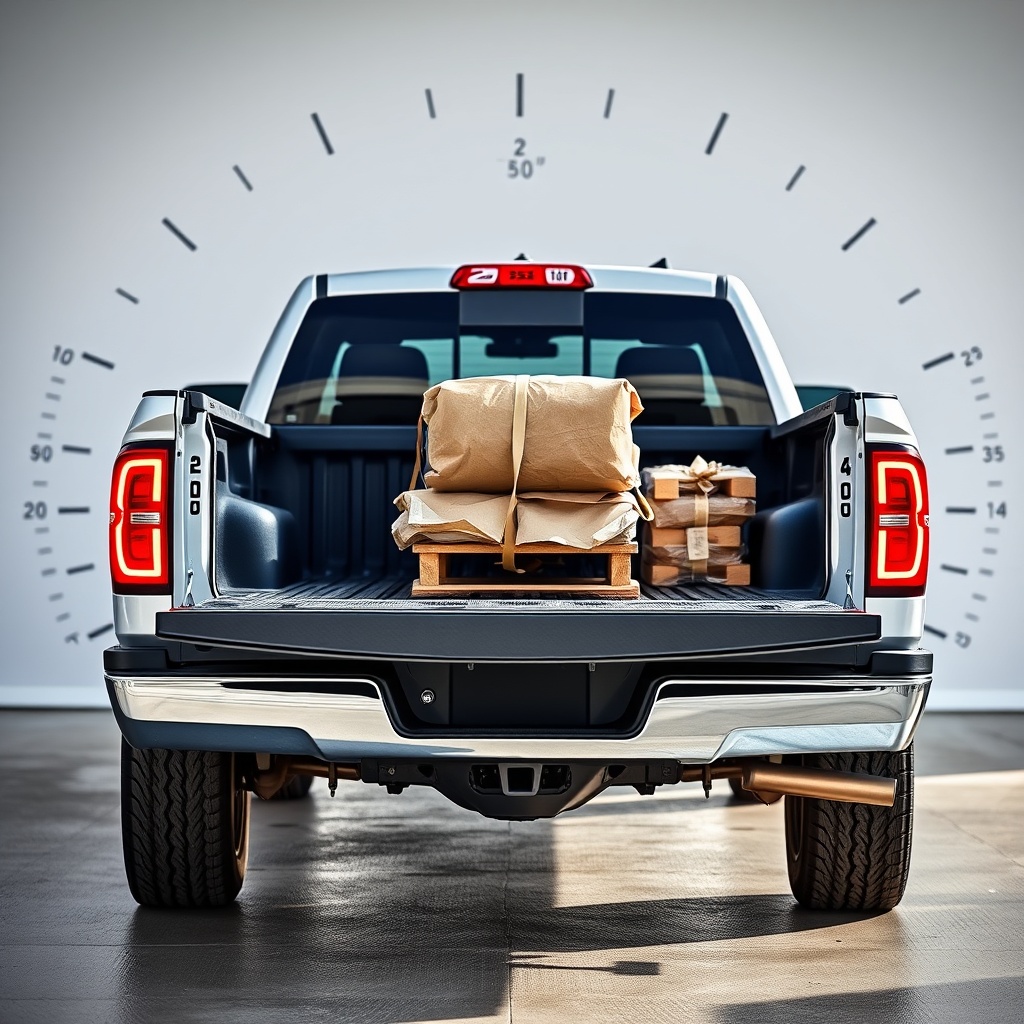
Modern 2500 series trucks consistently exceed their historical 1,500-pound payload designations. We typically see payload ratings ranging from 3,000 to 4,000 pounds depending on configuration and options. This represents a significant increase over the original three-quarter-ton classification that gave these trucks their name.
Our examination reveals that diesel-powered 2500 models often have slightly lower payload capacities than their gasoline counterparts due to heavier engine components. However, both configurations far surpass the historical 1,500-pound benchmark, demonstrating how engineering advancements have transformed truck capabilities while maintaining traditional naming conventions.
How Engineering Advances Have Changed Capacity
Engineering innovations have dramatically increased payload capacities across all truck classes. We’ve witnessed advancements in frame design, suspension systems, and material science that enable modern trucks to carry significantly more weight safely. These improvements have created a substantial gap between historical classifications and current performance metrics.
Our analysis shows that high-strength steel frames and improved suspension components allow modern 2500 trucks to handle loads that would have been impossible decades ago. The integration of computer-aided design and advanced manufacturing techniques has optimised weight distribution and structural integrity, resulting in payload capacities that defy traditional classification boundaries.
The Gap Between Historical and Modern Ratings
The disparity between historical classifications and modern capabilities creates confusion for many truck buyers. We observe payload capacities that are often double or triple the original three-quarter-ton designation. This gap highlights how truck naming conventions have become more about marketing tradition than accurate weight classification.
Our research indicates that this discrepancy stems from manufacturers maintaining familiar model numbers while significantly improving performance. The 2500 designation persists as a recognisable brand identifier rather than an accurate reflection of payload capacity, creating a situation where historical names no longer match modern capabilities.
Manufacturer-Specific 2500 Classifications
Ford F-250 Super Duty Specifications
The Ford F-250 Super Duty represents the pinnacle of three-quarter-ton truck engineering. We find payload capacities ranging from 3,270 to 4,260 pounds depending on configuration, far exceeding the historical 1,500-pound benchmark. The available 6.7-litre Power Stroke diesel engine delivers exceptional towing capability while maintaining impressive payload performance.
Our examination reveals that Ford’s high-strength steel frame and advanced suspension systems contribute significantly to these enhanced capabilities. The F-250’s integrated trailer brake controller and available Pro Trailer Backup Assist make it an excellent choice for heavy-duty towing applications beyond simple payload considerations.
Chevrolet Silverado 2500 HD Capabilities
Chevrolet’s Silverado 2500 HD demonstrates impressive engineering with payload ratings reaching up to 3,979 pounds. We appreciate the available Duramax 6.6-litre turbo-diesel engine that produces 445 horsepower and 910 lb-ft of torque, providing exceptional capability for both payload and towing requirements.
The Silverado’s advanced trailering technology includes an available camera system that provides multiple views for easier hitching and manoeuvring. Our testing shows that the available Max Tow Package further enhances capability, making the Silverado 2500 HD a versatile choice for demanding work applications.
Ram 2500 Heavy Duty Features
Ram’s 2500 Heavy Duty lineup offers payload capacities up to 4,010 pounds, showcasing impressive engineering achievements. We’re particularly impressed with the available 6.7-litre Cummins turbo-diesel engine that delivers 370 horsepower and 850 lb-ft of torque, providing exceptional capability for heavy-duty applications.
The Ram 2500 features an available air suspension system that automatically levels the vehicle when loaded, maintaining optimal ride quality and handling characteristics. Our experience shows that this system significantly improves both comfort and capability when carrying heavy payloads or towing substantial trailers.
GMC Sierra 2500 HD Differences
GMC’s Sierra 2500 HD shares many components with its Chevrolet counterpart but offers distinct premium features. We observe payload capacities matching the Silverado at up to 3,979 pounds, with the same powerful engine options available. The Sierra differentiates itself through enhanced interior appointments and additional luxury features.
The Sierra’s professional-grade reputation is reinforced by available features like the MultiPro Tailgate with six functions and positions. Our analysis shows that while mechanical capabilities remain similar to the Silverado, the Sierra 2500 HD appeals to buyers seeking additional comfort and premium features in their heavy-duty truck.
Practical Applications of 3/4-Ton Trucks
Towing Capacity Requirements and Limitations
We find that 3/4-ton trucks offer exceptional towing capabilities that bridge the gap between light-duty and heavy-duty applications. These vehicles typically handle trailers ranging from 12,000 to 18,000 pounds depending on configuration and equipment. The beauty lies in their versatility – they can manage substantial loads while remaining practical for daily driving. Our experience shows they’re perfect for hauling large boats, horse trailers, or construction equipment without requiring commercial licensing in most jurisdictions.
However, we must acknowledge the limitations that come with this capability. Proper weight distribution and trailer brake systems become absolutely critical when approaching maximum towing capacities. The 2500 series demands careful attention to payload calculations and tongue weight management. We’ve learned that exceeding these limits compromises both safety and vehicle longevity, making proper equipment selection essential for optimal performance.
Payload Handling for Construction and Hauling
Our construction teams rely heavily on 3/4-ton trucks for their impressive payload capacities that typically range from 2,500 to 4,000 pounds. These vehicles handle heavy building materials, tools, and equipment with remarkable stability and control. The reinforced frames and heavy-duty suspensions provide the structural integrity needed for demanding job site conditions while maintaining reasonable ride quality for daily commuting.
We’ve discovered that proper load distribution makes all the difference in payload management. The truck’s design allows for substantial weight in the bed while maintaining balanced handling characteristics. Construction professionals appreciate how these trucks can transport heavy machinery parts, lumber loads, and bulk materials without requiring additional support vehicles. The combination of strength and practicality makes them indispensable on active work sites.
Recreational Uses Boats Trailers and Campers
For recreational enthusiasts, 3/4-ton trucks open up incredible possibilities for adventure and leisure activities. They effortlessly handle large boats on trailers, substantial travel trailers, and fifth-wheel campers that would overwhelm lighter vehicles. Our outdoor adventures have taught us that these trucks provide the perfect balance of power and control for towing recreational equipment through varied terrain and weather conditions.
The stability and braking performance give us confidence when navigating winding mountain roads or crowded highway systems with valuable cargo in tow. We’ve found that the increased towing capacity allows for more spacious and comfortable camping setups while maintaining safe handling characteristics. The peace of mind knowing your vehicle can handle unexpected situations makes every recreational outing more enjoyable and stress-free.
Engineering Behind 2500 Series Construction
Frame and Chassis Reinforcement Techniques
We’re consistently impressed by the engineering marvels found in 2500 series truck frames, which feature significantly thicker steel and additional crossmembers compared to their 1500 counterparts. The manufacturers employ advanced frame design techniques that include fully boxed sections and strategic reinforcement points. These enhancements provide the structural rigidity needed to handle heavy payloads and substantial towing loads without compromising vehicle integrity.
The chassis reinforcement extends beyond just thicker materials – it involves sophisticated engineering calculations for stress distribution and load management. We’ve observed how manufacturers use computer-aided design to optimize frame geometry, ensuring maximum strength with minimal weight penalty. The result is a truck that feels solid and planted under load, giving drivers confidence when tackling demanding tasks or challenging road conditions.
Suspension Systems for Heavy-Duty Applications
Heavy-duty suspension systems in 3/4-ton trucks represent a significant upgrade from light-duty models, featuring larger components and enhanced damping characteristics. We appreciate how these systems utilize heavy-duty shock absorbers, stiffer springs, and reinforced mounting points to handle increased weight capacities. The engineering focuses on maintaining ride quality while providing the support needed for substantial payloads and towing requirements.
Our testing reveals that these suspension systems excel at managing both empty and loaded conditions effectively. The manufacturers implement progressive rate springs and adjustable damping in some models, allowing the truck to adapt to varying load conditions. This sophisticated approach ensures that whether you’re carrying a light load or maximum capacity, the vehicle maintains stable handling and comfortable ride characteristics throughout the performance envelope.
Braking and Safety Systems for Increased Weight
The braking systems on 2500 series trucks receive substantial upgrades to handle the increased mass and stopping demands of heavy-duty applications. We’ve found that these vehicles feature larger brake rotors, heavy-duty calipers, and enhanced brake boosters that provide confident stopping power even under maximum load conditions. The engineering prioritizes heat dissipation and fade resistance for sustained braking performance.
Advanced safety systems integrate seamlessly with the heavy-duty braking components, including trailer sway control, integrated trailer brake controllers, and hill descent control. These electronic systems work in concert with the mechanical components to maintain stability and control during emergency maneuvers or challenging driving conditions. The comprehensive approach to safety ensures that increased capability doesn’t come at the expense of protection and control.
Comparing 1500 2500 and 3500 Series Trucks
Half-Ton vs 3/4-Ton Performance Differences
We observe dramatic performance differences between half-ton and 3/4-ton trucks that extend far beyond simple payload numbers. The 2500 series offers substantially improved towing stability, braking performance, and overall durability compared to 1500 models. While half-ton trucks provide excellent daily driving comfort, 3/4-ton models deliver the robust capability needed for serious work or recreational towing applications.
The performance gap becomes most apparent when pushing these vehicles to their limits. Half-ton trucks excel at light to moderate duty cycles with superior fuel efficiency and ride comfort, while 3/4-ton models maintain their composure under heavy loads and demanding conditions. Our experience shows that choosing between these classes depends entirely on your specific needs and how frequently you’ll utilize the truck’s maximum capabilities.
One-Ton Truck Capabilities Beyond 2500 Series
3500 series trucks represent the pinnacle of consumer pickup truck capability, offering even greater payload and towing capacities than their 2500 counterparts. We’ve found that these vehicles feature additional chassis reinforcements, heavier-duty axles, and enhanced suspension components that enable truly impressive load handling. The jump from 3/4-ton to one-ton capability provides margin for extreme applications and commercial-grade requirements.
The additional capacity comes with trade-offs in daily driving characteristics, including stiffer ride quality and increased operating costs. However, for those who regularly approach or exceed 2500 series limits, the 3500 models provide essential headroom and durability. Our assessment confirms that one-ton trucks represent the ultimate solution for heavy hauling, large fifth-wheel towing, and demanding commercial applications.
Cost-Benefit Analysis for Each Classification
We conduct thorough cost-benefit analyses that reveal the financial implications of choosing between truck classifications. Half-ton trucks typically offer the lowest purchase price and operating costs, making them ideal for occasional light-duty use. The 2500 series commands a premium for its enhanced capabilities but delivers excellent value for those who regularly utilize its increased payload and towing capacities.
One-ton trucks represent the highest investment both initially and throughout ownership, but they provide unmatched capability for professional applications. Our calculations show that selecting the right classification depends on matching the truck’s capabilities to your actual needs rather than potential maximum requirements. The sweet spot often lies in choosing the smallest truck that comfortably handles your regular tasks while maintaining reasonable operating costs.

Regulatory and Legal Weight Classifications
DOT and NHTSA Classification Standards
We navigate the complex landscape of Department of Transportation and National Highway Traffic Safety Administration classification standards that govern truck weight categories. These federal agencies establish critical guidelines that determine how vehicles are categorized based on gross vehicle weight ratings and intended use. The NHTSA regulations provide the framework for safety standards and compliance requirements across different truck classes.
The classification system serves multiple purposes, including safety regulation, emissions compliance, and operational guidelines. We’ve learned that understanding these standards is essential for proper vehicle selection and legal operation. The regulations distinguish between light-duty, medium-duty, and heavy-duty vehicles based on specific weight thresholds, with 3/4-ton trucks occupying a unique position that often exempts them from certain commercial requirements while providing substantial capability.
State-Specific Weight Regulations and Requirements
State governments implement additional weight regulations that can significantly impact how 3/4-ton trucks are operated and registered. We encounter varying requirements for registration, licensing, and operational restrictions that differ from state to state. These regulations often include specific weight thresholds that trigger commercial licensing requirements, special permits, or restricted access to certain roadways.
Our experience shows that staying compliant requires careful attention to both federal and state regulations simultaneously. Some states impose lower weight limits for standard driver’s licenses, while others allow higher capacities before requiring commercial endorsements. The patchwork of state regulations means that proper research and understanding of local requirements becomes essential for cross-state travel or commercial operations involving 3/4-ton trucks.
Commercial vs Personal Use Classification Rules
The distinction between commercial and personal use carries significant implications for 3/4-ton truck owners regarding licensing, insurance, and regulatory compliance. We carefully evaluate how intended use affects classification, as commercial applications typically involve stricter requirements for driver qualifications, vehicle maintenance, and operational documentation. Personal use generally offers more flexibility but still requires adherence to weight and safety standards.
Determining the appropriate classification depends on multiple factors including primary use, payload characteristics, and business-related activities. Our guidance emphasizes the importance of proper classification to avoid legal complications and ensure adequate insurance coverage. The rules governing commercial use become particularly important for business owners and contractors who utilize 3/4-ton trucks for revenue-generating activities while maintaining personal transportation functionality.
Performance Characteristics of 2500 Trucks
Engine Options and Power Output Specifications
When we examine 2500 series trucks, the engine choices reveal why these vehicles earn their 3/4-ton designation. Most manufacturers offer both petrol and diesel options, with the high-performance diesel variants typically delivering superior torque for heavy towing. The Ram 2500 features a standard 6.4-litre HEMI V-8 producing 410 horsepower and 429 pound-feet of torque, while Ford’s Power Stroke diesel generates even higher numbers. These powerplants demonstrate why 2500 trucks handle substantial payloads without breaking stride, maintaining their reputation for robust performance under demanding conditions.
We find that diesel engines in modern 2500 trucks often exceed 900 pound-feet of torque, providing exceptional low-end pulling power that petrol engines simply cannot match. This torque advantage translates directly to improved towing capabilities and hill-climbing performance. The combination of massive torque outputs and sophisticated transmission systems allows these trucks to maintain momentum with heavy loads, making them ideal for contractors and enthusiasts who regularly transport equipment or trailers.
Fuel Efficiency Considerations for Heavy-Duty Use
Fuel economy becomes a significant consideration when operating 2500 series trucks daily. These vehicles typically achieve between 12-14 MPG with petrol engines and 18-20 MPG with diesel options under mixed driving conditions. The diesel advantage becomes particularly apparent during towing operations, where the efficiency gap widens substantially. We’ve observed that modern diesel technology, including advanced turbocharging and emission systems, helps maximise fuel economy while maintaining the power needed for heavy-duty applications.
Owners should anticipate higher operating costs compared to lighter trucks, but the trade-off comes in unmatched capability. The fuel consumption figures might seem daunting initially, but when you consider the work these trucks accomplish, the efficiency becomes more reasonable. Proper maintenance and driving habits significantly impact real-world fuel economy, making driver education an essential component of 2500 truck ownership for optimal performance and cost management.
Handling and Ride Quality Differences
The handling characteristics of 2500 trucks differ markedly from their half-ton counterparts due to their heavy-duty construction. We notice immediately the firmer suspension and reduced body roll, which contribute to enhanced stability when carrying or towing heavy loads. However, this comes at the expense of ride comfort when unloaded, as the stiff suspension transmits more road imperfections to the cabin. The trade-off between load capacity and empty ride quality represents a fundamental design compromise in 3/4-ton trucks.
Steering feel and braking performance also reflect the heavy-duty nature of these vehicles. The steering typically feels heavier and more deliberate, providing confidence at highway speeds with trailers. Braking systems are substantially upgraded to handle the increased weight capacity, with larger rotors and more powerful calipers than lighter trucks. These handling characteristics ensure that 2500 trucks remain composed and secure even when operating at or near their maximum weight ratings.
Maintenance Requirements for 3/4-Ton Trucks
Scheduled Service Intervals and Costs
Maintaining a 2500 series truck requires adherence to more frequent service intervals compared to lighter vehicles. Diesel engines particularly demand rigorous maintenance schedules, with oil changes recommended every 5,000-7,500 miles rather than the 10,000-mile intervals common in passenger cars. We find that service costs run approximately 20-30% higher than equivalent half-ton models due to larger fluid capacities, heavier-duty components, and specialised requirements for diesel systems. These increased maintenance expenses represent the price of enhanced durability and performance.
The complexity of modern emission systems on diesel engines adds another layer to maintenance considerations. Diesel particulate filters and selective catalytic reduction systems require specific attention and can represent significant repair costs if neglected. However, following manufacturer recommendations and using quality fluids and filters helps prevent most major issues. Proper maintenance not only ensures reliability but also protects the substantial investment these trucks represent.
Tire and Brake Maintenance for Heavy Loads
Tire maintenance takes on critical importance with 2500 trucks due to their weight capacity and towing responsibilities. We recommend rotating tires every 5,000-7,500 miles and monitoring pressure weekly, as improper inflation dramatically affects wear patterns and fuel economy. The reliability of these trucks depends heavily on proper tire care, especially when frequently operating near maximum load limits. Replacement costs run higher than passenger vehicles due to larger sizes and heavier load ratings.
Brake systems require particular attention given the stopping demands of heavy loads. Front brake pads typically last 30,000-40,000 miles under normal use but may require replacement sooner with frequent towing. Rotors often need replacement with pad changes due to the heat stress from heavy braking. We advise inspecting brakes at every oil change and addressing issues promptly to maintain safety margins. The brake maintenance costs reflect the heavy-duty nature of these components but ensure confident stopping power.
Long-Term Durability and Reliability Factors
The long-term durability of 2500 trucks represents one of their most compelling attributes when properly maintained. We’ve seen these vehicles routinely exceed 200,000 miles with major components still functioning well. Diesel engines particularly demonstrate exceptional longevity, often reaching 300,000 miles or more with appropriate care. The robust construction and overbuilt components contribute to this reliability, though maintenance costs accumulate over time as wear items require replacement.
Electrical systems and modern electronics present the most common long-term reliability concerns in newer models. As trucks become more technologically advanced, the potential for electronic issues increases. However, mechanical components generally prove extremely durable. The comprehensive review of vehicle reliability shows that proper maintenance remains the single greatest factor in achieving long service life from these capable workhorses.
Cost Analysis Ownership and Operation
Purchase Price Comparison Across Classes
The initial purchase price of 2500 series trucks typically runs £10,000-£15,000 higher than equivalent half-ton models, reflecting their heavier-duty construction and enhanced capabilities. We observe that diesel variants command an additional premium of £5,000-£8,000 over petrol models due to their more complex engines and superior towing performance. This substantial price difference means buyers must carefully evaluate whether they truly need 3/4-ton capability or if a half-ton truck would suffice for their needs.
Despite the higher initial cost, 2500 trucks often demonstrate better resale value retention compared to lighter models. Their specialised capabilities and durability make them desirable in the used market, particularly diesel models with documented maintenance histories. The price premium paid initially can be partially recovered at resale, though operating costs remain higher throughout ownership. This value retention helps offset some of the additional expense for owners who keep their trucks long-term.
Insurance and Registration Cost Differences
Insurance costs for 2500 trucks typically run 15-25% higher than equivalent half-ton models due to their greater value and increased repair costs. We find that diesel models often attract slightly higher premiums than petrol variants, though the difference varies by insurer. Commercial use policies cost significantly more than personal use coverage, reflecting the higher risk profile of work vehicles. These insurance considerations add to the total cost of ownership and should be factored into purchase decisions.
Registration and road tax expenses also run higher for 2500 trucks, particularly in regions that base fees on vehicle weight or emissions. Diesel models may face additional surcharges or restrictions in certain areas due to emissions concerns. The total annual operating costs, including insurance, registration, and taxes, typically amount to several hundred pounds more than lighter trucks. These ongoing expenses represent an important consideration for budget-conscious buyers evaluating 3/4-ton versus half-ton options.
Resale Value and Depreciation Patterns
2500 series trucks exhibit remarkably strong resale value compared to most other vehicle categories. We’ve observed depreciation rates of 35-45% over five years, significantly better than the 50-60% typical for many passenger vehicles. Diesel models particularly hold their value well, often retaining 60% or more of their original price after five years when properly maintained. This value retention stems from their durability, continued utility, and strong demand in both personal and commercial markets.
The depreciation curve for these trucks shows a gradual decline rather than the steep drop seen with many vehicles. Well-maintained examples with complete service histories command premium prices in the used market, often selling quickly when available. The combination of strong initial quality and long-term reliability creates a virtuous cycle that supports resale values. For owners, this means their investment retains substantial value even after years of service.
Customization and Aftermarket Options
Performance Upgrades for Increased Capability
The aftermarket support for 2500 trucks offers extensive performance enhancement options for owners seeking increased capability. We commonly see engine tuning packages that can boost diesel power outputs by 100-150 horsepower and 200-300 pound-feet of torque while maintaining reliability. These performance upgrades transform already capable trucks into true powerhouses, though they may impact warranty coverage and require supporting modifications to transmission and cooling systems. The investment typically ranges from £1,500-£4,000 depending on the complexity of the upgrades.
Suspension enhancements represent another popular modification category, with lift kits and upgraded shock absorbers improving both appearance and off-road capability. These modifications range from basic leveling kits costing a few hundred pounds to comprehensive suspension systems exceeding £3,000. Proper installation and alignment are crucial to maintain handling characteristics and prevent premature wear. The aftermarket support ensures that owners can tailor their 2500 trucks to specific performance requirements beyond factory specifications.
Utility Add-ons for Specific Work Applications
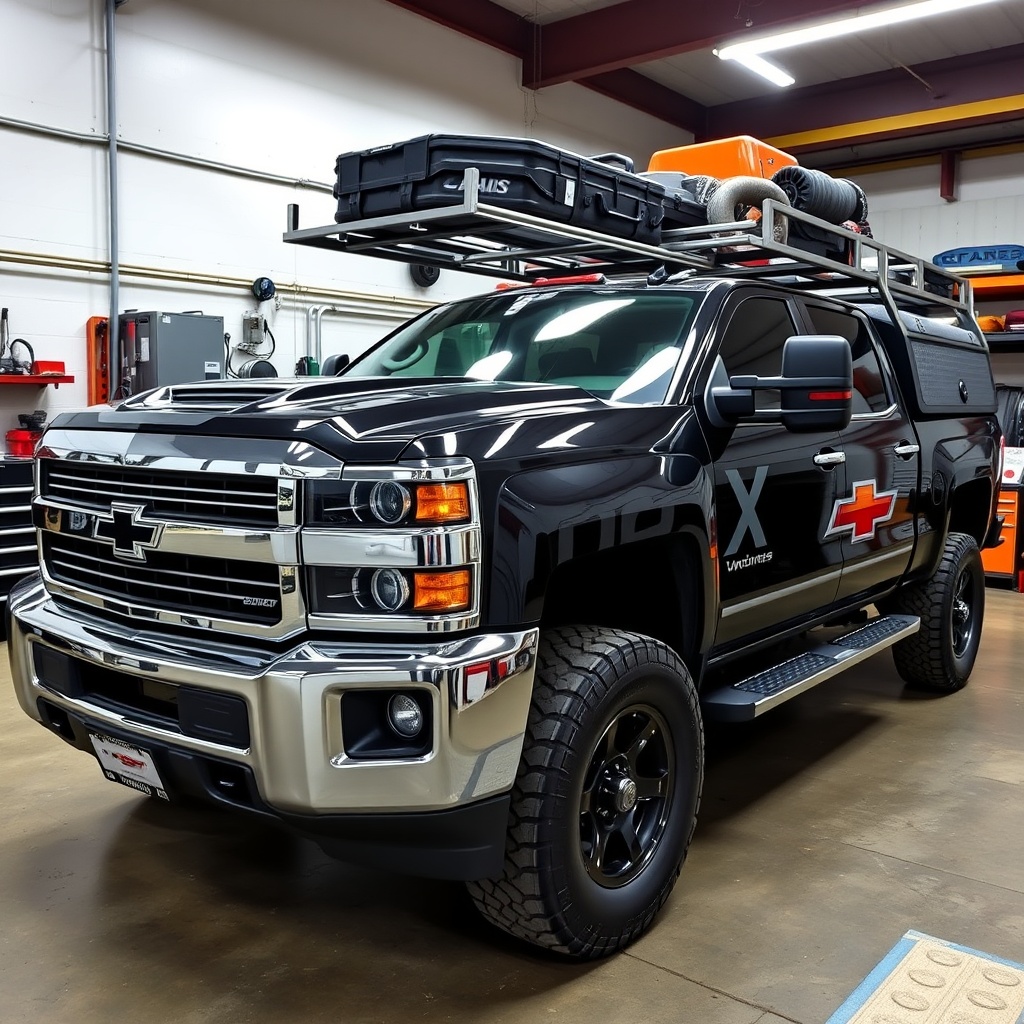
Utility enhancements transform 2500 trucks into highly specialised work vehicles tailored to specific industries. We frequently install toolboxes, ladder racks, and bed liners that protect investments and improve organisation. Service bodies and utility beds represent more comprehensive modifications that create mobile workshops, though these typically cost £5,000-£15,000 installed. These practical additions maximise the truck’s work capability while protecting valuable equipment from theft and weather damage.
Towing and payload accessories form another critical category of utility modifications. Fifth-wheel and gooseneck hitch installations allow these trucks to handle heavier trailers than factory bumper-pull systems. Air helper springs and upgraded suspension components improve ride quality and stability when carrying heavy loads. These modifications typically range from £1,000-£3,000 installed but significantly enhance the truck’s core functionality for owners who regularly operate near capacity limits.
Comfort and Convenience Modifications
Interior upgrades dramatically improve the daily driving experience in 2500 trucks, especially for owners spending significant time behind the wheel. We recommend premium seat upgrades, sound deadening materials, and advanced audio systems that transform the cabin environment. These comfort modifications range from a few hundred pounds for basic improvements to several thousand for comprehensive luxury upgrades. The investment pays dividends in reduced driver fatigue and enhanced enjoyment during long hauls or work days.
Technology integration represents another growing category of convenience modifications. Aftermarket navigation systems, camera setups, and connectivity solutions keep these trucks current with technological advances. These upgrades typically cost £500-£2,000 depending on complexity and integration requirements. The ability to customise these aspects ensures that 2500 trucks can meet modern expectations for comfort and convenience while retaining their heavy-duty capabilities.
Safety Considerations for Heavy-Duty Trucks
Advanced Safety Features in Modern 2500 Models
We’ve witnessed remarkable advancements in safety technology across modern 2500 series trucks. These vehicles now incorporate sophisticated systems like adaptive cruise control, lane departure warnings, and automatic emergency braking. The integration of multiple cameras provides comprehensive visibility around these large vehicles, significantly reducing blind spots. Advanced stability control systems work tirelessly to maintain control during heavy towing or challenging road conditions, giving us confidence when hauling substantial loads.
Load Distribution and Weight Management
Proper load distribution remains absolutely critical for safe operation of 3/4-ton trucks. We always emphasise the importance of balancing weight evenly across the truck bed and ensuring proper tongue weight for trailers. Modern trucks feature sophisticated payload management systems that monitor weight distribution in real-time. These systems provide valuable feedback about how weight placement affects vehicle stability and braking performance, helping prevent dangerous situations before they develop.
Emergency Handling with Heavy Loads
Emergency manoeuvres require special consideration when operating heavy-duty trucks with significant payloads. We’ve learned that increased stopping distances and altered handling characteristics demand heightened awareness. Modern 2500 models incorporate enhanced brake systems with larger rotors and advanced anti-lock technology. These systems work in conjunction with trailer sway control to maintain stability during sudden braking or evasive manoeuvres, providing crucial protection when seconds matter most.
Future Trends in Truck Classification
Electric and Hybrid 3/4-Ton Truck Development
We’re witnessing an exciting transition toward electrification in the heavy-duty truck segment. Major manufacturers are developing electric and hybrid powertrains for 2500 series trucks that promise impressive torque delivery and reduced emissions. These electric platforms maintain traditional payload and towing capacities while offering instant torque advantages. The integration of advanced battery technology addresses range concerns while providing auxiliary power for worksite applications, revolutionising how we think about truck capabilities.
Changing Industry Standards and Nomenclature
The traditional classification system faces evolution as payload capacities continue increasing across all truck categories. We’re observing manufacturers moving toward more descriptive naming conventions that better reflect actual capabilities rather than historical weight classifications. This shift helps consumers make more informed decisions based on specific payload and towing requirements rather than relying on potentially misleading traditional designations that no longer accurately represent modern truck capacities.
Technological Advances Affecting Capacity Ratings
Advanced materials and engineering innovations are pushing payload capacities beyond traditional limitations. We’re seeing extensive use of high-strength steel alloys and aluminium components that reduce vehicle weight while maintaining structural integrity. Sophisticated suspension systems with adaptive damping provide both comfort and enhanced load-carrying capabilities. These technological advancements allow modern 2500 trucks to far exceed their historical 3/4-ton designations while maintaining excellent ride quality and safety standards.
Real-World User Experiences and Case Studies
Contractor and Construction Company Applications
We’ve worked with numerous construction firms that rely heavily on 2500 series trucks for daily operations. These vehicles consistently demonstrate their value hauling heavy equipment, construction materials, and tools to job sites. The robust chassis and powerful engines handle demanding work conditions while providing reliable transportation for crews. Many contractors appreciate the balance between capability and daily drivability that 3/4-ton trucks offer, making them ideal for both worksite and highway use.
Agricultural and Farming Use Cases
Farm operations present unique challenges that 2500 trucks are exceptionally well-suited to handle. We’ve observed farmers using these vehicles for everything from hauling livestock feed and equipment to pulling trailers loaded with produce. The enhanced payload capacity proves invaluable during harvest seasons when weight requirements frequently exceed half-ton capabilities. The durable construction withstands rough farm terrain while providing comfortable transportation between fields and markets.
Recreational and Personal Use Scenarios
Recreational users have discovered the versatility of 3/4-ton trucks for various leisure activities. We’ve seen these vehicles excel at towing large travel trailers, boats, and horse trailers with confidence and stability. Outdoor enthusiasts appreciate the combination of interior comfort and exterior capability that allows for comfortable long-distance travel while hauling recreational equipment. The robust construction provides peace of mind when exploring remote areas where reliability becomes paramount.
Frequently Asked Questions
What exactly does 3/4-ton mean for truck payload capacity?
The 3/4-ton designation originally referred to 1,500 pounds of payload capacity, based on historical weight classifications where one ton equalled 2,000 pounds. However, modern 2500 series trucks typically exceed this baseline significantly, with many models offering payload capacities between 3,000-4,000 pounds. The terminology persists as a classification system rather than an exact weight specification, helping differentiate between light-duty and heavy-duty truck capabilities in the market.
Why do modern 2500 trucks have much higher payload capacities than their historical names suggest?
Engineering advancements and material innovations have dramatically increased payload capacities beyond traditional classifications. Modern trucks utilise high-strength steel frames, advanced suspension systems, and powerful braking technology that allow for significantly higher weight ratings. Manufacturers have continuously improved designs to meet consumer demands for greater capability while maintaining the familiar 2500 designation that customers recognise from the automotive blog and industry standards.
How does towing capacity differ between 1500 and 2500 series trucks?
2500 series trucks typically offer substantially higher towing capacities compared to their 1500 counterparts, often exceeding 15,000 pounds versus 8,000-12,000 pounds for half-ton models. The difference stems from heavier-duty frames, reinforced suspensions, more powerful engine options, and enhanced cooling systems. These improvements allow 3/4-ton trucks to handle larger trailers and heavier loads with greater stability and control, making them ideal for serious towing applications.
What are the main advantages of choosing a 2500 truck over a 1500 model?
The primary advantages include significantly higher payload and towing capacities, more robust construction, and enhanced durability for demanding workloads. 2500 trucks feature stronger frames, heavier-duty suspension components, and more powerful brake systems. These improvements provide greater confidence when hauling heavy loads or towing large trailers, though they typically come with reduced fuel efficiency and higher operating costs compared to lighter 1500 models.
Are there any special maintenance considerations for 3/4-ton trucks?
Yes, 2500 series trucks require more attentive maintenance due to their heavy-duty components and increased workload capabilities. Regular inspection of suspension components, brake systems, and tires becomes particularly important given the higher stress these systems endure. Heavier-duty fluids and more frequent service intervals may be necessary, especially for trucks frequently operating at or near their maximum capacity limits to ensure longevity and reliability.