Introduction
If you’re eyeing a Ford F-150 in the UK, one of the first things you’ll need to consider is the road tax. Road tax, or Vehicle Excise Duty (VED), is a mandatory fee for all vehicles driven or parked on public roads. The cost varies based on factors like emissions and engine size. Let’s break down what you can expect to pay for your F-150 and why it matters.
Key Takeaways
- Road tax for the Ford F-150 depends on CO2 emissions and engine size.
- Newer models may fall under different tax bands due to updated regulations.
- Paying road tax is a legal requirement; failing to do so can result in fines.
- Some exemptions or discounts may apply, depending on vehicle use and modifications.
- Always check the latest rates on the DVLA website or through your dealer.
Test Your General Automotive Knowledge!
Introduction to Road Tax in the UK
Understanding Road Tax
Road tax, officially known as Vehicle Excise Duty (VED), is a fee charged by the UK government for vehicles using public roads. The amount you pay depends on your vehicle’s CO2 emissions, engine size, and fuel type. For a Ford F-150, this can vary significantly, especially if it’s an imported model.
Importance of Paying Road Tax
Paying road tax isn’t just a legal obligation—it’s a way to contribute to road maintenance and environmental initiatives. Without it, you risk penalties, including fines and even having your vehicle clamped. Plus, untaxed vehicles can’t be insured, leaving you unprotected in case of accidents.
Legal Requirements for Road Tax
In the UK, all vehicles must be taxed unless declared off-road (SORN). The tax must be renewed annually or monthly via direct debit. For the Ford F-150, ensure you’re aware of its tax band, which is determined by its emissions and engine specifications. You can find this information in your vehicle’s logbook or by using the DVLA’s online tool.
Overview of the Ford F-150
Key Features of the Ford F-150
The Ford F-150 is a powerhouse, blending rugged capability with modern sophistication. We love its towing capacity, which can haul up to 13,000 pounds, making it perfect for both work and play. The interior is a haven of comfort, with premium materials and advanced tech like the SYNC 4 infotainment system. Whether you’re navigating city streets or off-road trails, the F-150’s adaptive cruise control and terrain management system ensure a smooth ride. It’s no wonder this truck is a favourite among UK drivers who demand versatility and performance.
Under the hood, the F-150 offers a range of engine options, from the efficient 2.7L EcoBoost V6 to the mighty 5.0L V8. Each engine is designed to balance power and fuel efficiency, though the latter plays a significant role in road tax calculations. The aluminium body reduces weight without sacrificing durability, a clever touch that enhances both performance and efficiency. For those who prioritise eco-friendliness, the hybrid model combines a 3.5L V6 with an electric motor, delivering impressive fuel economy and lower emissions.
Ford F-150 Models Available in the UK
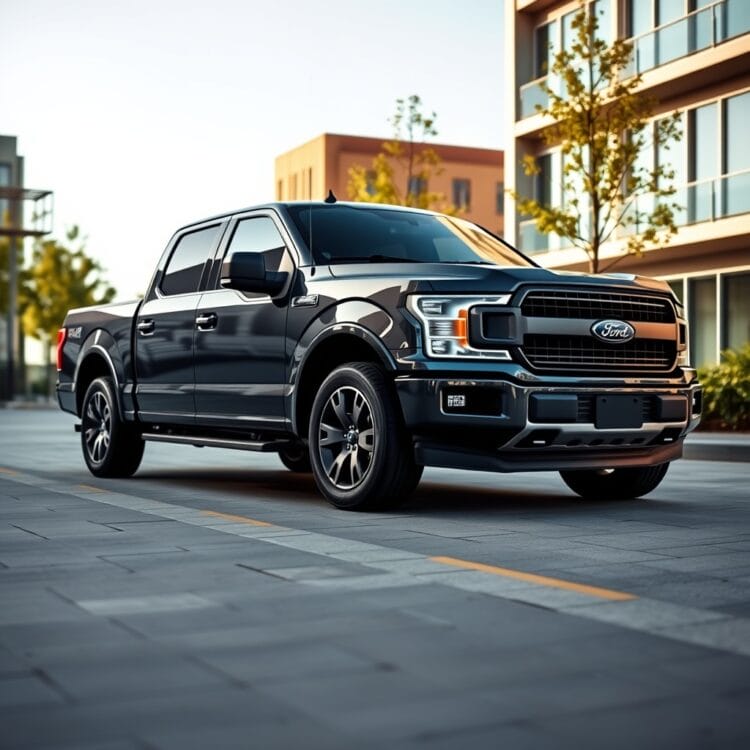
In the UK, the Ford F-150 lineup includes the XL, XLT, Lariat, King Ranch, and Platinum trims. Each model caters to different needs, from the no-nonsense XL to the luxurious Platinum. The Raptor, with its off-road prowess, is also available for adrenaline junkies. While all models share the F-150’s core strengths, their features and engine options vary, impacting their road tax rates. For example, the hybrid Lariat offers lower emissions than the V8-powered Raptor, making it a smarter choice for tax-conscious buyers.
We’ve noticed that UK buyers often gravitate toward the XLT and Lariat trims for their balance of affordability and features. The King Ranch and Platinum models, with their premium finishes, appeal to those seeking luxury in a pickup. Regardless of the trim, the F-150’s adaptability makes it a standout in the UK market. If you’re torn between models, consider how each one’s specs align with your driving habits and budget, especially when it comes to road tax.
How Road Tax is Calculated in the UK
Factors Influencing Road Tax Rates
Road tax in the UK isn’t a one-size-fits-all affair. Several factors come into play, including your vehicle’s CO2 emissions, engine size, and fuel type. For the Ford F-150, these variables can significantly impact your annual tax bill. The UK government uses emissions data to categorise vehicles into tax bands, with higher-emitting models incurring higher costs. Additionally, diesel vehicles often face a premium due to their environmental impact, though this is less relevant for the F-150, which is primarily petrol or hybrid in the UK.
Another key factor is the vehicle’s list price. If your F-150 costs over £40,000, you’ll pay an additional premium for five years after the first registration. This surcharge applies regardless of emissions, so it’s worth considering if you’re eyeing a high-end trim. Lastly, the tax rates change annually, so staying updated on the latest figures is crucial. We recommend checking the DVLA’s official website or consulting a trusted dealer to avoid surprises.
CO2 Emissions and Road Tax
CO2 emissions are the primary determinant of road tax rates, and the Ford F-150’s figures vary by model. The hybrid version, for instance, emits around 250g/km, placing it in a higher tax band compared to smaller, more efficient vehicles. The V8 models, with emissions exceeding 300g/km, fall into the most expensive category. This tiered system incentivises eco-friendly choices, but it also means F-150 owners should be prepared for steeper costs.
It’s worth noting that emissions testing standards have evolved, with WLTP (Worldwide Harmonised Light Vehicle Test Procedure) replacing the older NEDC method. WLTP provides more accurate data but often results in higher CO2 readings. If you’re buying a used F-150, check which standard it was tested under, as this affects its tax band. For new buyers, the hybrid model’s lower emissions might justify its higher upfront cost through long-term tax savings.
Engine Size and Road Tax Implications
Engine size indirectly influences road tax by affecting emissions and fuel efficiency. The Ford F-150’s range includes engines from 2.7L to 5.0L, each with distinct tax implications. Larger engines typically produce more CO2, pushing them into higher tax bands. For example, the 5.0L V8’s thirst for fuel translates to higher emissions and, consequently, a heftier tax bill. In contrast, the 2.7L EcoBoost strikes a balance between power and efficiency, making it a more tax-friendly option.
Hybrid models complicate the picture. While their electric components reduce emissions, their larger engines can still push them into higher tax bands. However, the savings on fuel and potential exemptions for low-emission zones might offset the tax costs. We always advise weighing the total cost of ownership, including tax, fuel, and maintenance, before choosing an engine. For urban drivers, the hybrid’s benefits might outweigh its tax drawbacks, while rural drivers might prefer the raw power of a V8.
Specific Road Tax Rates for the Ford F-150
Current Road Tax Rates for the Ford F-150
As of 2023, the Ford F-150’s road tax rates vary widely based on its emissions. Models emitting over 255g/km, like the V8 Raptor, fall into the highest band, costing £2,605 annually for the first five years. After this period, the rate drops to £165 per year. The hybrid Lariat, with emissions around 250g/km, incurs a slightly lower initial fee of £2,365, followed by the same £165 standard rate. These figures highlight the importance of choosing the right model to align with your budget.
It’s also essential to factor in the £40,000+ premium, which adds £390 per year for five years. This affects higher trims like the Platinum and King Ranch. For example, a £50,000 Platinum hybrid would pay £2,365 + £390 annually for five years, then £165 thereafter. While these costs might seem steep, they’re part of the ownership experience for a full-size pickup in the UK. We recommend using the DVLA’s online calculator to estimate your exact tax liability based on your F-150’s specifics.
How Ford F-150’s Features Affect Its Road Tax
The F-150’s design and features play a direct role in its road tax. For instance, the aluminium body reduces weight, improving fuel efficiency and lowering emissions slightly. However, the truck’s size and power often offset these gains. The hybrid model’s electric motor helps reduce emissions during city driving, but its large engine still places it in a high tax band. Features like stop-start technology and aerodynamic enhancements also contribute marginally to lower emissions, though their impact on tax is minimal.
One often-overlooked factor is the vehicle’s registration date. F-150s registered before April 2017 fall under the older tax system, which bases rates solely on emissions. Newer models face the additional £40,000+ premium. If you’re buying used, this distinction can save you thousands. We’ve seen savvy buyers opt for pre-2017 models to avoid the premium, though they sacrifice modern features. Ultimately, your choice depends on whether you prioritise tax savings or cutting-edge tech.
Comparing Road Tax for the Ford F-150 with Other Vehicles
Ford F-150 vs Other Pickup Trucks
When it comes to road tax, the Ford F-150 stands out among pickup trucks in the UK. Its CO2 emissions and engine size place it in a higher tax band compared to smaller trucks like the Ford Ranger. However, the F-150’s robust performance and towing capacity justify the extra cost for many drivers. We’ve found that while the F-150 may cost more upfront, its long-term value often outweighs the tax differences.
For example, the Toyota Hilux falls into a lower tax band due to its smaller engine and better fuel efficiency. But if you need the power and space of the F-150, the higher road tax is a small price to pay. It’s all about balancing your needs with the costs.
Ford F-150 vs SUVs and Sedans
Comparing the F-150 to SUVs and sedans reveals a stark contrast in road tax rates. Most sedans and smaller SUVs, like the Toyota Corolla Hybrid, benefit from lower emissions and thus lower tax bands. The F-150’s larger engine and higher emissions mean it’s in a league of its own when it comes to tax costs.
That said, if you’re hauling heavy loads or need off-road capability, the F-150’s road tax is a trade-off for its unmatched utility. For urban drivers, a hybrid SUV might be more cost-effective, but for those who need a workhorse, the F-150’s tax is just part of the package.
How to Pay Road Tax for Your Ford F-150
Online Payment Process
Paying road tax for your Ford F-150 online is quick and straightforward. Visit the DVLA website, enter your vehicle details, and choose your payment method. You’ll need your V5C logbook handy. The process takes minutes, and you’ll receive confirmation instantly. We recommend setting a reminder to avoid missing the renewal date.
If you’re unsure about your vehicle’s details, the DVLA’s online checker can help. Just input your registration number, and the system will display your tax band and payment options. It’s a hassle-free way to stay compliant without leaving your home.
Other Payment Methods
Prefer not to pay online? You can also tax your F-150 at a Post Office branch. Bring your V5C, MOT certificate, and insurance details. The staff will process your payment and issue a tax disc on the spot. This method is ideal for those who like face-to-face transactions.
Alternatively, you can call the DVLA’s automated phone service. Follow the prompts to pay over the phone using a debit or credit card. While convenient, this method may involve longer wait times during peak periods.
Setting Up Direct Debit for Road Tax
For ultimate convenience, set up a direct debit. The DVLA offers monthly, biannual, or annual payment plans. Your tax will renew automatically, and you’ll never miss a deadline. We’ve found this option saves time and stress, especially for busy F-150 owners.
Just ensure your bank details are up to date. The DVLA will notify you before each payment, so there are no surprises. It’s the easiest way to manage your road tax without lifting a finger.
Renewing Your Ford F-150’s Road Tax
When to Renew Your Road Tax
Your Ford F-150’s road tax must be renewed annually or biannually, depending on your payment plan. The DVLA sends a reminder letter before your tax expires. Don’t ignore it—driving without valid tax can result in fines or even seizure of your vehicle.
Mark the renewal date on your calendar or set a phone alert. If you’ve opted for direct debit, the process is automatic, but it’s still good to stay informed. We’ve seen too many owners caught off guard by missed deadlines.
Steps to Renew Road Tax
Renewing is as simple as the initial payment. Log in to the DVLA website, confirm your details, and choose your payment method. If your F-150 has passed its MOT and is insured, the process is seamless. You’ll receive a new tax disc or digital confirmation immediately.
If you’ve changed ownership or modified your vehicle, double-check the details. Incorrect information can delay the process. The DVLA’s online portal makes it easy to update your records before renewing.
What Happens If You Forget to Renew
Forgetting to renew your road tax can be costly. The DVLA issues an £80 fine for untaxed vehicles, and persistent offenders may face larger penalties or court action. Your F-150 could also be clamped or impounded, adding to the hassle.
Avoid this by setting reminders or opting for direct debit. If you do forget, act fast—pay online as soon as possible to minimize penalties. The sooner you resolve it, the less you’ll pay.

Exemptions and Discounts on Road Tax for the Ford F-150
Eligibility for Road Tax Exemptions
While the Ford F-150 rarely qualifies for full road tax exemptions, certain scenarios may reduce your bill. For example, if your F-150 is used exclusively for farming or forestry, you might qualify for a reduced rate. Check the DVLA’s guidelines to see if your usage meets the criteria.
Historic vehicles over 40 years old are also exempt, but this rarely applies to modern F-150s. If you’re unsure, consult the DVLA or a tax specialist to explore your options.
How to Apply for Road Tax Discounts
Discounts for the F-150 are limited but worth exploring. If your vehicle has been modified to reduce emissions, you might qualify for a lower tax band. Submit evidence of the modifications to the DVLA for reassessment.
Alternatively, if your F-150 is used for disabled access, you could apply for a tax exemption. The process involves submitting medical proof and vehicle details. While not common, it’s a potential avenue for savings.
Impact of Modifications on Your Ford F-150’s Road Tax
How Modifications Can Increase Road Tax
Modifying your Ford F-150 can significantly impact its road tax. Changes like engine upgrades, exhaust system alterations, or even cosmetic enhancements that affect emissions or weight can push your vehicle into a higher tax band. For example, installing a larger engine or a performance exhaust might increase CO2 emissions, leading to higher tax rates. It’s crucial to understand how these changes could affect your wallet before diving into modifications.
Even seemingly minor tweaks, like lifting the suspension or adding heavy accessories, can alter the vehicle’s weight classification. The DVLA uses these factors to determine tax bands, so any deviation from the factory specifications might result in a higher bill. Always check the potential tax implications before making changes to avoid unexpected costs down the line.
Reporting Modifications to the DVLA
If you’ve modified your Ford F-150, you must report these changes to the DVLA. Failing to do so can lead to fines or even invalidate your insurance. The process involves updating your vehicle’s details, such as engine size or emissions data, through the DVLA’s online portal or by post. This ensures your road tax reflects the current state of your vehicle.
Some modifications, like changing the fuel type or adding a turbocharger, require a new Vehicle Identity Check (VIC). This ensures the vehicle remains roadworthy and compliant with UK regulations. Keep all receipts and documentation handy, as the DVLA may request proof of the modifications. Transparency here saves you from legal headaches later.
Understanding Road Tax Bands for the Ford F-150
How Road Tax Bands Are Determined
Road tax bands for the Ford F-150 are primarily based on CO2 emissions and engine size. The UK government categorises vehicles into bands, with higher emissions resulting in higher tax rates. For diesel and petrol models, the first-year rate (VED) depends on emissions, while subsequent years follow a standard rate. Electric or hybrid variants often benefit from lower or zero tax due to their eco-friendly credentials.
Weight also plays a role, especially for commercial vehicles like the F-150. If your pickup exceeds certain weight thresholds, it may fall into a different tax category. Checking the DVLA’s official guidelines or using their online tool can help you determine the exact band for your specific model and configuration.
Finding Your Ford F-150’s Tax Band
To find your Ford F-150’s tax band, you’ll need its V5C registration document. This lists key details like CO2 emissions and engine size, which directly influence the tax rate. Alternatively, the DVLA’s online vehicle tax checker allows you to input your registration number for instant results. This is especially useful if you’re considering buying a used F-150 and want to budget for road tax.
For imported models, the process may differ slightly. You’ll need to provide additional documentation to the DVLA to confirm the vehicle’s specifications. Once registered, the tax band will be assigned based on the UK’s classification system. Always double-check these details to avoid overpaying or underpaying your road tax.
Tips for Reducing Your Ford F-150’s Road Tax
Choosing a Lower Emission Model
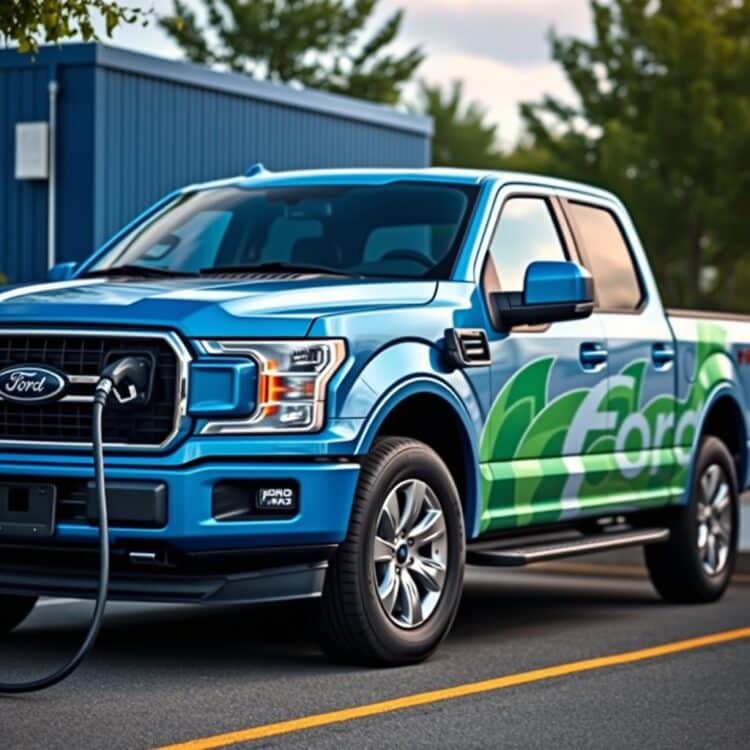
Opting for a lower-emission Ford F-150, such as a hybrid or electric variant, can drastically cut your road tax. These models often qualify for reduced rates or even exemptions, making them a cost-effective choice in the long run. If you’re in the market for a new F-150, compare the CO2 outputs of different trims to find the most tax-efficient option.
Even with traditional petrol or diesel models, selecting one with a smaller engine or advanced emissions technology can lower your tax band. Features like start-stop systems or particulate filters help reduce emissions, potentially saving you hundreds of pounds annually. Research and test-driving can help you balance performance with tax savings.
Other Ways to Lower Your Road Tax Bill
Beyond choosing an eco-friendly model, there are other strategies to reduce your Ford F-150’s road tax. Regular maintenance, such as servicing the engine and ensuring the exhaust system is in top condition, can keep emissions low. Properly inflated tyres and removing unnecessary weight also contribute to better fuel efficiency and lower emissions.
If you use your F-150 for business, explore whether it qualifies for commercial vehicle tax rates, which can be lower than private rates. Additionally, setting up a Direct Debit for road tax payments spreads the cost over 12 months, making it more manageable. Every little adjustment adds up, so stay proactive to keep your tax bill as low as possible.
Common Mistakes When Paying Road Tax for a Ford F-150
Overlooking Renewal Dates
One of the most common mistakes we see is forgetting to renew road tax on time. It’s easy to overlook the renewal date, especially if you’re juggling multiple responsibilities. Missing the deadline can result in fines or even penalties. I recommend setting reminders or opting for a direct debit to ensure you never miss a payment. Trust me, it’s a small step that saves a lot of hassle.
Another issue is not updating your address with the DVLA. If they can’t reach you, you might miss important reminders. Always keep your details current to avoid unnecessary complications. It’s a simple task, but it makes a big difference in staying compliant with road tax regulations.
Incorrectly Reporting Vehicle Details
Mistakes in reporting vehicle details, like engine size or CO2 emissions, can lead to incorrect tax calculations. I’ve seen cases where owners accidentally underpay because of these errors. Double-check your Ford F-150’s specifications before submitting any paperwork. It’s worth the extra minute to ensure everything is accurate.
If you’ve made modifications to your F-150, like upgrading the engine, you must report these changes to the DVLA. Failing to do so can invalidate your road tax and land you in trouble. Transparency is key here—always keep the authorities informed to stay on the right side of the law.
How to Check Your Ford F-150’s Road Tax Status
Using the DVLA’s Online Service
Checking your road tax status is straightforward with the DVLA’s online service. Just enter your vehicle’s registration number, and you’ll get instant access to its tax details. I find this tool incredibly handy, especially when buying a used F-150. It’s a quick way to verify if the seller’s claims about road tax are accurate.
The online service also lets you see when your tax is due for renewal. Bookmark the page or save the link for easy access. It’s a small habit that ensures you’re always ahead of deadlines and avoid last-minute rushes.
What to Do If Your Tax Status Is Incorrect
If you discover discrepancies in your road tax status, don’t panic. Contact the DVLA immediately to resolve the issue. I’ve helped many owners navigate this process, and the key is acting fast. Provide any necessary documentation, like proof of payment or vehicle details, to speed up the resolution.
In some cases, errors might stem from administrative oversights. Stay patient and cooperative with the DVLA—they’re there to help. Keeping records of all communications ensures you have a paper trail if further action is needed.
Navigating Road Tax for Imported Ford F-150s
Special Considerations for Imported Vehicles
Importing a Ford F-150 to the UK comes with unique road tax challenges. The process involves verifying the vehicle’s compliance with UK emissions standards. I’ve worked with importers who underestimated this step, leading to delays. Always research the requirements beforehand to avoid surprises.
Another consideration is the vehicle’s age. Older models might fall under different tax bands, affecting your costs. Consult the DVLA or a specialist to understand how your F-150 will be classified. It’s better to be prepared than caught off guard by unexpected fees.
How to Register an Imported Ford F-150 for Road Tax
Registering an imported F-150 involves submitting paperwork to the DVLA, including proof of ownership and compliance certificates. I recommend starting this process as soon as the vehicle arrives in the UK. Delays can lead to fines if you drive without valid road tax.
Once registered, you’ll receive a UK registration number and can proceed with taxing the vehicle. Keep all documentation organized—it’ll make future renewals and checks much smoother. Importing a vehicle is complex, but with the right approach, it’s entirely manageable.
Frequently Asked Questions
How Often Do I Need to Renew My Ford F-150’s Road Tax?
Road tax must be renewed annually or monthly if you opt for a direct debit. I prefer the annual option for simplicity, but monthly payments can ease budgeting. Always check the DVLA’s reminders to stay on track and avoid penalties.
Can I Transfer Road Tax When Selling My Ford F-150?
No, road tax isn’t transferable between owners. When you sell your F-150, the new owner must tax it in their name. I advise sellers to inform the DVLA immediately to avoid being held responsible for the vehicle’s tax status after the sale.
What Happens If I Drive Without Road Tax?
Driving without valid road tax can result in fines, penalties, or even your vehicle being clamped. I’ve seen cases where owners faced hefty bills due to oversight. Always ensure your tax is up to date before hitting the road—it’s not worth the risk.
Are There Any Discounts for Eco-Friendly Ford F-150 Models?
Currently, the Ford F-150’s size and emissions mean it doesn’t qualify for eco-friendly discounts. However, I recommend checking the DVLA’s latest guidelines, as policies can change. Staying informed ensures you don’t miss out on potential savings.
How Do Modifications Affect My Ford F-150’s Road Tax?
Modifications like engine upgrades can increase your road tax if they raise CO2 emissions. I always advise owners to report changes to the DVLA promptly. Transparency avoids legal issues and ensures your tax reflects your vehicle’s current specifications.