Introduction
Choosing your first car is a rite of passage, but how old should it be? I’ve been there, weighing the pros and cons of new versus used, and trust me, it’s not just about the price tag. The age of your first car impacts everything from safety to running costs. Let’s dive into what really matters when deciding the perfect age for your first set of wheels.
Key Takeaways
- Older cars are cheaper upfront but may cost more in maintenance.
- Newer cars come with advanced safety features but depreciate faster.
- Insurance costs vary significantly based on the car’s age.
- Reliability is key—opt for a model known for longevity.
- Consider first car options that balance age and performance.
Introduction to Choosing Your First Car
The Importance of Selecting the Right First Car
Your first car isn’t just a vehicle; it’s your introduction to independence. I remember the thrill of my first drive, but also the lessons learned from picking the wrong model. The right car balances affordability, safety, and reliability. It’s not just about getting from A to B—it’s about doing so without breaking the bank or compromising on safety.
Factors Influencing the Decision on Car Age
Age isn’t just a number when it comes to cars. A newer model might offer cutting-edge tech, but an older one could save you thousands. I’ve found that budget, insurance, and maintenance play huge roles. For example, best cars for young drivers often strike a balance between age and reliability.
Understanding Car Age and Its Implications
What Does Car Age Really Mean?
Age isn’t just about the year on the registration plate. It’s about mileage, wear and tear, and how well the car’s been maintained. I’ve seen 10-year-old cars run like new and 5-year-old ones with endless issues. It’s all about history—service records and ownership matter more than you think.
How Age Affects Car Performance and Safety
Older cars often lack modern safety features like lane assist or automatic braking. I learned this the hard way when my first car, a 15-year-old hatchback, felt like a tin can on wheels. Newer models offer peace of mind, but they come at a premium. It’s a trade-off between cost and safety.
Understanding Car Age and Its Implications
What Does Car Age Really Mean
When we talk about car age, it’s not just about the number of years since it rolled off the production line. It’s about how those years have been spent—mileage, maintenance, and even climate play a role. A well-maintained 10-year-old car can outperform a neglected 5-year-old one. We’ve seen it time and again in our automotive blog, where real-world examples prove age isn’t the only factor.
Think of car age like human age. A 50-year-old marathon runner might be in better shape than a 30-year-old couch potato. The same logic applies to cars. Regular servicing, gentle driving, and proper storage can keep an older car running like new. It’s all about how you treat it, not just how old it is.
How Age Affects Car Performance and Safety
Older cars often lack the advanced safety features of newer models, like automatic braking or lane-keeping assist. But that doesn’t mean they’re unsafe. Many older vehicles still meet basic safety standards and can be upgraded with aftermarket parts. We’ve covered this in detail in our common faults guide, where we highlight how to enhance older cars.
Performance-wise, wear and tear take their toll. Suspension components degrade, engines lose efficiency, and transmissions may become sluggish. However, a well-maintained older car can still deliver a smooth ride. The key is knowing what to look for—rust, unusual noises, or inconsistent performance are red flags. Always test drive and inspect thoroughly before buying.
The Ideal Age Range for a First Car
Pros and Cons of New Cars for First-Time Owners
New cars come with peace of mind—warranties, the latest tech, and no hidden history. But they’re expensive, both upfront and in depreciation. For first-time buyers, that depreciation can sting. A new car loses about 20% of its value in the first year, as noted in this external guide. That’s a lot of money down the drain for a new driver.
On the flip side, new cars often come with lower maintenance costs and better fuel efficiency. They’re also easier to finance, with manufacturers offering attractive deals. But ask yourself: do you need the latest model, or would a slightly older one serve you just as well? It’s a balancing act between cost and convenience.
Pros and Cons of Used Cars for First-Time Owners
Used cars are cheaper upfront and depreciate slower, making them a smart choice for first-time buyers. You can get a lot more car for your money, especially if you’re willing to go a few years older. Our Corsa VXR review shows how a used performance car can be both affordable and fun.
The downside? Used cars come with unknowns. A poorly maintained vehicle can turn into a money pit. That’s why we always recommend a pre-purchase inspection. Look for service history, check for recalls, and don’t skip the test drive. A used car can be a great deal—if you do your homework.

Budget Considerations When Choosing Car Age
How Car Age Affects Purchase Price
Older cars are cheaper to buy, but the savings don’t always last. A £5,000 used car might need £2,000 in repairs within a year. Newer cars, while pricier upfront, often come with warranties that cover major repairs. It’s a trade-off. We’ve broken down the numbers in our Corsa VXR pricing guide, showing how age impacts cost.
Depreciation is another factor. New cars lose value fast, while older ones stabilise. If you’re planning to sell in a few years, a used car might hold its value better. But if you’re keeping it long-term, a new car’s higher initial cost could pay off in reliability and lower maintenance.
Long-Term Cost Implications of Older vs Newer Cars
Older cars can be cheaper to insure but cost more in repairs. Newer cars have higher insurance premiums but lower maintenance costs. Fuel efficiency also plays a role—newer models often save you money at the pump. It’s a complex equation, but our reliability assessment can help you weigh the options.
Don’t forget about financing. Older cars are harder to finance, with higher interest rates. New cars often come with 0% deals. Crunch the numbers carefully. Sometimes, paying a bit more upfront saves you money in the long run. It’s all about finding the sweet spot for your budget.
Safety Features Across Different Car Ages
Evolution of Safety Features Over the Years
I’ve seen how car safety has evolved dramatically over the years. In the past, basic seatbelts and airbags were considered cutting-edge. Today, we’ve got advanced driver-assistance systems (ADAS), lane-keeping assist, and automatic emergency braking. It’s incredible how technology has transformed safety. If you’re considering an older car, check if it has these features or if they can be retrofitted. Safety should never be compromised.
Newer cars often come with built-in safety tech, but that doesn’t mean older models are unsafe. Many reliable used cars still meet modern safety standards. The key is to research and prioritise models with solid crash-test ratings. We all want peace of mind, especially when it’s your first car. Don’t settle for less—safety is non-negotiable.
Minimum Safety Standards for a First Car
When I bought my first car, I made sure it had ABS, airbags, and a solid chassis. These are the bare minimums. If you’re on a budget, focus on cars with these essentials. Avoid models known for poor crash performance—saving a few quid isn’t worth the risk. A well-chosen first car can be both safe and affordable.
It’s also worth considering Euro NCAP ratings. These give you an objective measure of a car’s safety. Even if you’re drawn to older models, aim for those with at least a 4-star rating. We all start somewhere, but starting safe is the smartest move. Trust me, you’ll thank yourself later.
Reliability and Maintenance of Older Cars
Common Issues with Older Vehicles
Older cars can be a mixed bag. I’ve dealt with my fair share of rusty exhausts, worn-out suspension, and electrical gremlins. These issues aren’t deal-breakers, but they’re something to budget for. Regular wear and tear is inevitable, so factor in maintenance costs. A well-maintained older car can still be a great choice if you’re prepared.
One thing I’ve learned is to avoid cars with a history of major mechanical failures. Research common problems for the model you’re eyeing. Forums and owner reviews are goldmines of info. We’ve all heard horror stories—don’t let your first car become one. A little homework goes a long way.
Maintenance Tips for First-Time Car Owners
Owning an older car means staying on top of maintenance. I religiously check oil levels, tyre pressure, and brake pads. It’s simple stuff, but neglecting it can lead to costly repairs. A trusted mechanic is worth their weight in gold—find one and stick with them. Regular servicing keeps your car running smoothly and saves you money in the long run.
Another tip: keep an eye on the timing belt. If it snaps, it can wreck the engine. Most older cars need it replaced every 60,000 miles or so. It’s not glamorous, but neither is a blown engine. We all want our first car to last, so treat it right.
Insurance Costs Related to Car Age
How Age Affects Insurance Premiums
Insurance can be a shock for first-time buyers. I remember my first quote—ouch! Older cars are often cheaper to insure, but it’s not always straightforward. High-performance or rare models can still attract steep premiums. Younger drivers also pay more, so balance age with other factors. A sensible choice can save you hundreds.
Newer cars with advanced safety features might qualify for discounts. It’s worth checking with insurers. We all want to save money, but don’t skimp on coverage. A comprehensive policy might cost more upfront, but it’s cheaper than paying out of pocket for an accident.
Finding Affordable Insurance for Your First Car
Shop around—I can’t stress this enough. Comparison sites are your best friend. Adding a named driver with experience can also lower your premium. Some insurers offer black box policies, which monitor your driving. If you’re confident behind the wheel, this could slash costs. We’ve all got budgets, but don’t let insurance scare you off driving.
Consider excess levels too. A higher voluntary excess can reduce your premium, but make sure you can afford it if you need to claim. It’s a balancing act. First-time insurance is rarely cheap, but it gets better with time and a clean record.
Depreciation and Resale Value Considerations
Understanding Depreciation Rates
Depreciation is the silent killer of car value. I learned this the hard way. New cars lose value fastest—often 20% in the first year. Older cars depreciate slower, making them a smarter choice for first-time buyers. If you’re planning to upgrade in a few years, a used car will hurt your wallet less. We all want value for money, and depreciation is a big part of that.
Some models hold their value better than others. Research resale values before buying. A popular used car will be easier to sell later. Depreciation isn’t sexy, but it’s a reality. Plan ahead and you’ll come out ahead.
How Car Age Influences Resale Value
Older cars have already taken the biggest depreciation hit. That means you’ll lose less when it’s time to sell. But condition is key—a well-kept older car will fetch more than a neglected one. Regular maintenance and keeping service records boost resale value. We all want to maximise our investment, so treat your car well.
Mileage matters too. Lower-mileage older cars are more desirable. If you’re buying with resale in mind, aim for a balance of age and mileage. It’s not just about the purchase price—think long-term. A little foresight now pays off later.
Technology and Features by Car Age
Technological Advancements in Recent Models
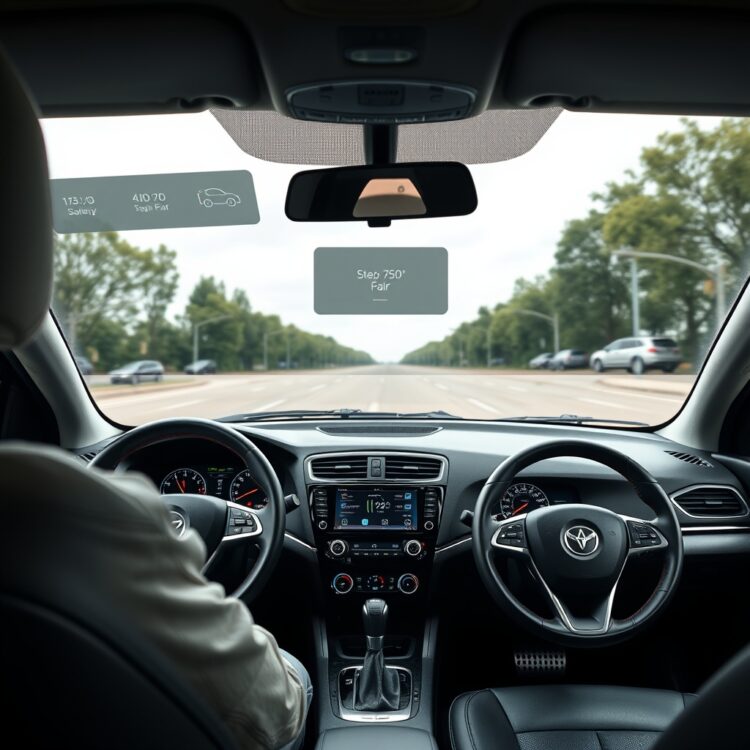
We’ve seen incredible leaps in car tech over the past decade. Newer models come packed with features like adaptive cruise control, lane-keeping assist, and even self-parking capabilities. These aren’t just luxuries—they’re game-changers for first-time drivers. Imagine having a car that helps you stay in your lane or warns you about blind spots. It’s like having a co-pilot, and it’s all thanks to advancements in automotive technology. If you’re considering a new car, these features alone might justify the investment.
But it’s not just about safety. Infotainment systems have evolved too. Touchscreens, Apple CarPlay, and Android Auto are now standard in many new cars. These systems make navigation and music seamless, which is perfect for younger drivers who rely on their smartphones. The downside? All this tech can be overwhelming at first. It’s a lot to learn, but once you get the hang of it, you’ll wonder how you ever drove without it.
Must-Have Features for First-Time Drivers
For first-time drivers, certain features are non-negotiable. A rearview camera, for example, is a lifesaver when parking. Blind-spot monitoring is another must-have, especially for those still getting used to judging distances. And let’s not forget about automatic emergency braking—this feature can prevent accidents before they happen. These are the kinds of features you’ll find in newer cars, but they’re also becoming more common in used models from the last five years.
If you’re looking at older cars, don’t despair. Many can be retrofitted with aftermarket tech like dash cams or Bluetooth adapters. But if you want the latest and greatest, a newer model is the way to go. Just remember, the more tech a car has, the more there is to go wrong. That’s why reliability should always be a top priority. Check out our guide on reliable first cars to make an informed choice.
Environmental Impact of Older vs. Newer Cars
Emissions Standards and Car Age
Older cars are notorious for their higher emissions. If you’re eco-conscious, this is a big deal. Newer models adhere to stricter emissions standards, meaning they pollute less. For example, a car from 2020 will emit far fewer harmful gases than one from 2010. This isn’t just better for the planet—it’s also better for your wallet, as lower emissions often mean lower road tax.
But what if you can’t afford a brand-new car? Look for models with Euro 6 compliance, which became mandatory in 2015. These cars strike a balance between affordability and environmental friendliness. And if you’re really committed to reducing your carbon footprint, consider a hybrid or electric vehicle. They might cost more upfront, but the long-term savings on fuel and tax can make them a smart choice.
Eco-Friendly Options for First-Time Buyers
Hybrids and electric cars are no longer niche products. They’re mainstream, and they’re perfect for first-time buyers who want to do their bit for the environment. The Corsa VXR, for instance, offers a blend of performance and efficiency. But if you’re on a tight budget, a used hybrid like the Toyota Prius is a solid option. These cars are reliable, cheap to run, and kinder to the planet.
Of course, going green isn’t just about the car you drive. It’s also about how you drive it. Smooth acceleration, steady speeds, and proper maintenance can all reduce your environmental impact. And if you’re not ready to commit to a hybrid or electric car, consider offsetting your emissions through a reputable scheme. Every little bit helps.
Financing Options Based on Car Age
Loans and Leases for New Cars
New cars come with attractive financing options. Personal contract purchase (PCP) and leasing deals often have low monthly payments, making them appealing for first-time buyers. With PCP, you pay a deposit followed by monthly instalments, and at the end of the term, you can choose to buy the car or hand it back. Leasing is similar but usually doesn’t include the option to buy.
The downside? These deals often require a good credit score. If you’re young and haven’t built much credit history, you might need a guarantor. And remember, new cars depreciate quickly. You could end up owing more than the car is worth if you’re not careful. Always read the fine print and consider the total cost, not just the monthly payments.
Financing Challenges for Older Vehicles
Older cars are cheaper to buy outright, but financing them can be tricky. Many lenders won’t offer loans for cars over a certain age—usually around 10 years. If you do find a lender, the interest rates are often higher. That’s because older cars are seen as riskier investments. They’re more likely to break down, and their resale value is less predictable.
If you’re set on an older car, consider saving up and paying cash. It might take longer, but you’ll avoid interest payments and the stress of a loan. Alternatively, look for a used car finance deal from a reputable dealer. Some offer low-interest rates on certified pre-owned vehicles. Just make sure you’re not overpaying for a car that’s past its prime.

Personal Stories First Car Experiences
Success Stories with Older First Cars
I’ll never forget my first car—a 15-year-old hatchback that cost me £1,000. It wasn’t glamorous, but it got me from A to B without any major issues. The best part? I learned how to fix minor problems myself, which saved me a fortune in garage bills. Older cars might not have all the bells and whistles, but they teach you responsibility. And let’s be honest, there’s something satisfying about driving a car you’ve nursed back to health.
One of my friends bought a 20-year-old classic as his first car. It broke down constantly, but he loved every minute of it. For him, the car was more than just transport—it was a project. If you’re mechanically inclined or willing to learn, an older car can be a rewarding choice. Just make sure you have a backup plan for when things go wrong.
Lessons Learned from New First Cars
On the flip side, another friend splurged on a brand-new car straight out of university. It was sleek, fast, and packed with tech. But within a year, he was drowning in payments and regret. New cars lose value the moment you drive them off the lot, and the depreciation hit him hard. He learned the hard way that flashy doesn’t always equal practical.
That’s not to say new cars are a bad choice. If you can afford one and plan to keep it for years, they’re a great investment. But for most first-time buyers, a slightly used car is the sweet spot. You get modern features without the steep depreciation. And if you’re lucky, you might even find a fast Corsa that’s still under warranty. Now that’s a win-win.
Legal Restrictions and Car Age
Age-Related Regulations for Vehicles
When choosing your first car, it’s crucial to consider legal restrictions tied to vehicle age. Some regions impose stricter emissions standards on older cars, making them less viable for daily use. For example, cities with low-emission zones may ban pre-2010 models. We always recommend checking local laws to ensure your chosen car complies. Ignoring these rules could lead to fines or even a driving ban, which no first-time owner wants.
Beyond emissions, safety standards have evolved significantly over the years. Older cars might lack essential features like ABS or airbags, which are now mandatory. While these vehicles might be cheaper upfront, they could fail mandatory safety inspections. We’ve seen many first-time buyers regret skipping this step, so always verify your car meets current legal requirements. It’s a small effort that saves big headaches later.
How Local Laws Affect Your First Car Choice
Local laws can drastically narrow your options, especially if you’re on a tight budget. For instance, some areas offer tax breaks for eco-friendly cars, making newer models more affordable long-term. We’ve found that researching these incentives can reveal hidden savings. Additionally, insurance requirements often vary by region, with older cars sometimes costing more to insure due to higher perceived risks.
Another factor is road tax, which can be higher for older, less efficient vehicles. We’ve helped many buyers realise that a slightly newer car might actually cost less annually. Always cross-check local regulations before committing. It’s not just about the purchase price—ongoing costs matter too. A little homework now ensures your first car is both legal and economical.
Expert Recommendations on First Car Age
Mechanics Advice on Choosing a First Car
Mechanics often advise first-time buyers to avoid cars older than 10 years unless they’re prepared for higher maintenance costs. Older vehicles tend to have more wear and tear, leading to frequent repairs. We’ve heard countless stories of buyers lured by low prices, only to spend double on fixes. A reliable first car should balance affordability and dependability.
Another tip from mechanics is to prioritise service history. A well-maintained older car can outperform a neglected newer one. We always suggest getting a pre-purchase inspection to uncover hidden issues. It’s a small investment that can save thousands. Remember, a car’s age isn’t the only factor—how it’s been cared for matters just as much.
What Car Dealers Suggest for First-Time Buyers
Dealers often recommend cars aged 3-5 years for first-time buyers. These vehicles have depreciated significantly but still offer modern features and reliability. We’ve seen many buyers happy with this sweet spot, as it combines value and peace of mind. Dealers also highlight certified pre-owned programs, which include warranties—ideal for those wary of unexpected repairs.
Another dealer tip is to consider popular models, as parts and expertise are more readily available. For example, a Corsa might be easier to maintain than a rare import. We agree—sticking to mainstream choices simplifies ownership. Dealers know the market, so their advice can be invaluable for navigating your first purchase.
Making the Final Decision Age of Your First Car
Weighing All Factors Before Purchase
Choosing the right age for your first car involves balancing multiple factors. Budget is key, but don’t forget about safety, reliability, and legal compliance. We’ve guided many buyers through this process, and the best decisions come from thorough research. For instance, a slightly newer car might cost more upfront but save money on insurance and repairs.
Another consideration is resale value. Newer cars depreciate faster, but older ones might be harder to sell. We recommend thinking about how long you plan to keep the car. If it’s just a few years, a 3-5-year-old model could be ideal. For longer-term ownership, newer might be better. Always weigh your priorities carefully.
Steps to Take Before Buying Your First Car
Before finalising your purchase, take these steps to avoid regrets. First, research local laws and incentives—they can influence your choice significantly. Next, set a realistic budget, including insurance and maintenance. We’ve seen too many buyers stretch their finances on the purchase, only to struggle with ongoing costs.
Finally, test drive multiple cars to compare how they feel. A well-designed older car might surprise you with its comfort and features. Don’t rush the decision; take your time to find the right fit. Buying your first car is a milestone—make it a smart one.
Frequently Asked Questions
What is the ideal age for a first car?
Experts often recommend cars aged 3-5 years for first-time buyers. These vehicles balance affordability, modern features, and reliability. Older cars might be cheaper but come with higher maintenance risks. Always consider your budget and local regulations when deciding.
Are older cars cheaper to insure?
Not always. While older cars have lower values, they might lack safety features, leading to higher premiums. Insurance costs depend on multiple factors, including your location and driving history. We suggest getting quotes for different ages to compare.
How do emissions laws affect my choice?
Stricter emissions laws in some areas may restrict older cars, especially in cities with low-emission zones. Non-compliant vehicles could face fines or driving bans. Always check local regulations before buying to avoid unexpected restrictions.
Should I buy a new car as my first?
New cars offer the latest features and warranties but depreciate quickly. For most first-time buyers, a slightly used car provides better value. However, if budget isn’t a concern, a new car can be a hassle-free option.
What should I prioritise in a first car?
Focus on reliability, safety, and affordability. A well-maintained used car with modern safety features is often the best choice. Don’t forget to factor in insurance, taxes, and maintenance costs. For more insights, check this external guide.