Introduction
Ever wondered if you can own a car at 16 in the UK? I did too, and the answer isn’t as straightforward as you might think. While you can legally own a car at 16, driving it is a different story. Let’s dive into the details and uncover everything you need to know about car ownership at this age. Trust me, it’s more exciting than you’d imagine!
Key Takeaways
- You can legally own a car at 16 in the UK, but driving it requires a provisional licence and supervision.
- Insurance is mandatory, and premiums can be high for young drivers.
- Choosing the right car is crucial—opt for something affordable and insurable.
- Registering and taxing your car is your responsibility as the owner.
- Owning a car at 16 teaches responsibility and independence.
Understanding the Legal Age for Car Ownership in the UK
The legal minimum age to own a car
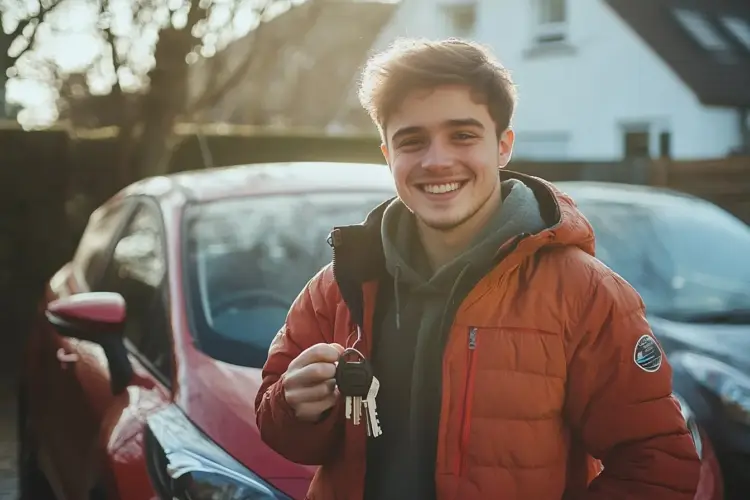
In the UK, there’s no minimum age to own a car. That’s right—you can legally own a car at 16, or even younger! However, driving it is another matter. You’ll need a provisional licence and supervision until you pass your test. But owning a car early gives you a head start on learning responsibility and planning for your driving future.
Differences between owning and driving a car
Owning a car doesn’t mean you can drive it freely. At 16, you can’t legally drive on public roads without a provisional licence and an accompanying adult. The key difference? Ownership is about possession, while driving is about legality. So, you can buy a car, insure it, and even modify it—just don’t hit the road unsupervised!
Types of Vehicles You Can Own at 16
Cars
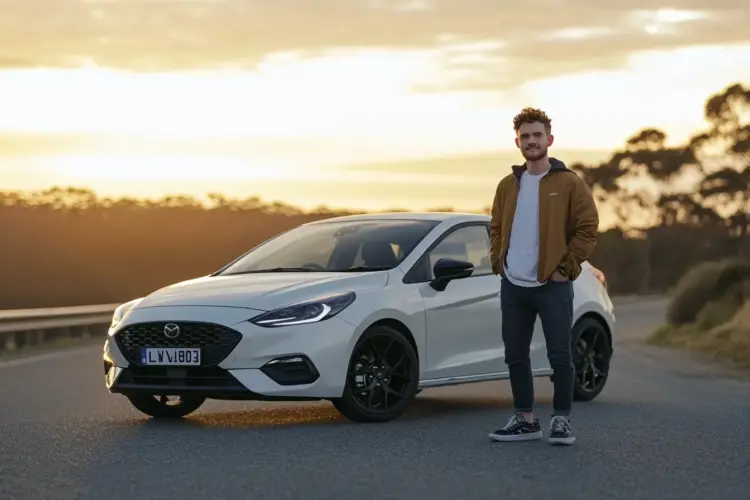
At 16, you can own any car, but choosing wisely is key. Opt for something affordable, reliable, and cheap to insure. Smaller engines and lower insurance groups are your best bet. For example, a best car for a 16-year-old often includes models like the Vauxhall Corsa or Ford Fiesta. These cars balance cost and practicality perfectly.
Motorbikes
If cars aren’t your thing, motorbikes are another option. At 16, you can ride a 50cc moped with a provisional licence. Ownership is straightforward, but remember, safety gear and insurance are non-negotiable. Motorbikes offer freedom, but they come with risks—so always prioritise safety.
Other vehicles
Beyond cars and bikes, you can own quad bikes, tractors, or even electric scooters (though road legality varies). Each has its own rules, so research thoroughly. For instance, electric scooters are legal to own but not to ride on public roads. Ownership opens doors, but always stay within the law.
Types of Vehicles You Can Own at 16
Cars
At 16, you can legally own a car in the UK, but driving it is a different story. We’re talking about models like the Corsa VXR, which is a solid choice for young enthusiasts. The key here is understanding the difference between ownership and driving—you can buy it, but you’ll need to wait until you’re 17 to hit the road legally. It’s a great way to start building your dream garage early.
Owning a car at 16 also means you can personalise it, learn about maintenance, and even save up for insurance. Think of it as a head start. Whether you’re into sporty hatchbacks or classic rides, the options are vast. Just remember, while you can’t drive it yet, you can still enjoy the pride of ownership and plan for the future.
Motorbikes
If cars aren’t your thing, motorbikes are another option. At 16, you can own and even ride certain types of bikes with the right licence. The thrill of two wheels is unmatched, and it’s a fantastic way to embrace independence early. From scooters to lightweight motorcycles, there’s a range of choices tailored for young riders.
Safety is paramount, so investing in proper gear and training is a must. Owning a bike at 16 also teaches responsibility—maintenance, insurance, and road awareness become part of your routine. It’s not just about speed; it’s about building skills and confidence for the years ahead.
Other vehicles
Beyond cars and bikes, there are other vehicles you can own at 16, like quad bikes or even small agricultural vehicles. These might not be your typical dream ride, but they offer unique opportunities. For example, if you live in a rural area, owning a quad bike could be practical and fun.
The rules vary depending on the vehicle type, so it’s essential to research before making a purchase. Whether it’s for work or leisure, owning a vehicle at 16 opens doors to new experiences and responsibilities. Just make sure you’re clued up on the legalities to avoid any surprises.
How to Buy a Car at 16
Finding the right car
Buying your first car is exciting, but it’s crucial to choose wisely. Start by setting a budget and researching models that fit your needs. The best car for a 16-year-old balances affordability, reliability, and insurance costs. Look for cars with a good safety record and low maintenance requirements—trust us, your future self will thank you.
Don’t rush the process. Take your time to test drive (with a licensed adult), inspect the vehicle, and check its history. Online marketplaces and dealerships are great places to start, but always bring someone experienced along. This is your first big purchase, so make it count.
Understanding insurance requirements
Insurance is a non-negotiable part of car ownership, even if you’re not driving yet. At 16, you’ll need to explore options like being added to a family policy or securing your own. Premiums can be steep for young drivers, so shop around and compare quotes. Look for policies that offer discounts for good grades or safe driving courses.
It’s also worth considering telematics insurance, which tracks your driving habits and can lower costs. While you might not be on the road yet, planning ahead ensures you’re ready when the time comes. Insurance might seem boring, but it’s a critical step in your car ownership journey.
Payment options
Paying for a car at 16 can be challenging, but there are ways to make it work. Savings, part-time jobs, or parental support are common routes. If you’re considering financing, remember that most lenders require you to be 18. Instead, focus on saving up or exploring affordable used cars—there are plenty of gems out there.
Don’t forget about additional costs like tax, MOT, and maintenance. Budgeting is key, so create a plan that covers all expenses. Whether you’re paying cash or splitting costs with family, being financially prepared will make the process smoother and more enjoyable.

Insurance for Young Car Owners
Types of insurance available
When it comes to insuring your car at 16, you’ve got options. Third-party, third-party fire and theft, and comprehensive are the main types. Comprehensive might seem expensive, but it offers the best coverage. If you’re not driving yet, you might opt for a laid-up policy, which covers the car while it’s parked. It’s all about finding the right balance between cost and protection.
Another option is being named on a parent’s policy, which can be cheaper than going solo. However, this depends on their insurer’s rules. Always read the fine print and ask questions—insurance jargon can be confusing, but understanding your policy is crucial.
How to find affordable insurance
Affordable insurance for young drivers isn’t a myth—it just takes some effort. Start by comparing quotes from multiple providers. Use comparison sites or work with a broker to explore your options. Adding a cheaper car to insure to your shortlist can also make a big difference. The less powerful the car, the lower the premium.
Consider increasing your excess or opting for a black box policy, which monitors your driving and rewards safe habits. Every little saving helps, so don’t settle for the first quote you get. With patience and research, you can find a policy that fits your budget.
The importance of being named on the policy
If you’re not the primary driver, being named on the policy is still essential. It ensures you’re covered if you ever need to drive the car. Some insurers might penalise you for not being listed, so transparency is key. This is especially important if you’re sharing a car with family members.
Being named on the policy also helps build your no-claims bonus, which can lower future premiums. It’s a small step now that pays off later. Whether you’re the main driver or just an occasional one, make sure you’re properly covered—it’s not worth the risk to skip this step.
Registering a Car in Your Name
The process of registering a car
When you’re ready to register your car, the process is straightforward but requires attention to detail. First, you’ll need to complete a V5C registration form, which you can get from the DVLA. This form confirms you as the legal owner. Once submitted, the DVLA will update their records, and you’ll receive a new V5C logbook in your name. It’s a simple step, but it’s essential for legal ownership.
Documents needed
To register your car, you’ll need a few key documents. These include proof of identity, proof of address, and the car’s current V5C logbook. If the car is new, you’ll also need the New Keeper Supplement from the previous owner. Don’t forget your insurance details—they’re crucial for completing the process. Missing any of these can delay things, so double-check before you start.
Fees involved
Registering a car isn’t free, but the costs are manageable. The standard fee for a V5C is £55, payable to the DVLA. If you’re transferring a private plate, there’s an additional £80 charge. Keep in mind that these fees can change, so always check the latest rates on the government website. Budgeting for these costs ensures no surprises.
Taxing Your Car
Understanding vehicle tax
Vehicle tax, or road tax, is a legal requirement for all cars driven on UK roads. The amount you pay depends on your car’s CO2 emissions, age, and fuel type. Some cars, like electric vehicles, are exempt. You can check your car’s tax band using its registration number on the DVLA website. It’s a small price to pay for the freedom of the road.
How to tax your car
Taxing your car is easy and can be done online, by phone, or at a Post Office. You’ll need your V5C logbook, insurance details, and an MOT certificate if your car is over three years old. Payments can be made monthly or annually, depending on your preference. Just remember, driving without tax can result in fines, so stay on top of it.
Exemptions and discounts
Certain vehicles qualify for tax exemptions or discounts. Electric cars, for example, pay nothing, while hybrids enjoy reduced rates. If your car is classified as a historic vehicle (over 40 years old), it’s also exempt. Always check the latest rules to see if you qualify. Saving money on tax is a bonus, especially when you’re just starting out.
MOT Requirements for Young Car Owners
When your car needs an MOT
Your car needs its first MOT test when it’s three years old, and annually after that. This test ensures your car meets safety and environmental standards. Without a valid MOT, you can’t drive legally, and your insurance may be invalid. It’s a non-negotiable part of car ownership, so mark the date in your calendar.
Booking an MOT test
Booking an MOT is simple—just find a local approved garage and schedule an appointment. You can do this online or by phone. Prices are capped at £54.85, but some garages offer discounts. Bring your car’s V5C logbook and any service records. A little preparation goes a long way in ensuring a smooth test.
Costs involved
The maximum cost for an MOT is £54.85, but this can vary depending on the garage. Additional repairs, if needed, will cost extra. Budgeting for this annual expense is smart, as it keeps your car roadworthy and avoids last-minute financial stress. Think of it as an investment in your car’s longevity.
Learning to Drive at 16
Getting a provisional licence
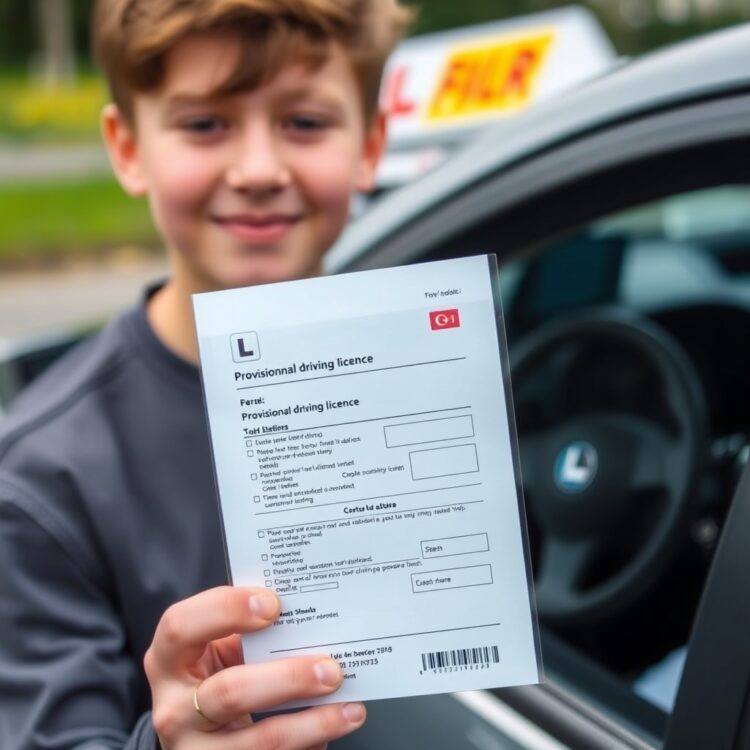
At 16, you can apply for a provisional driving licence, which is your ticket to learning. The application is done online via the DVLA website and costs £34. You’ll need proof of identity and a passport-style photo. Once approved, you’ll receive your licence in about a week. It’s the first step toward independence on the road.
Driving lessons
With your provisional licence, you can start driving lessons. Choose a reputable instructor to ensure you learn safely and effectively. Lessons typically cost around £30 per hour, and most learners need 40-50 hours before they’re test-ready. It’s an investment in your future as a confident driver.
Practicing with family or friends
Practicing outside of lessons is a great way to build confidence. Make sure the person supervising you is over 21 and has held a full licence for at least three years. Their car must also be insured for learner drivers. This hands-on experience is invaluable and can speed up your progress. Plus, it’s a chance to bond over shared goals.
The Theory Test for Young Drivers
Preparing for the theory test
We know the theory test can feel daunting, but trust me, it’s all about preparation. Start by grabbing the official DVSA theory test book or downloading their app. I spent weeks going through mock questions and hazard perception clips, and it paid off. Focus on road signs, rules, and situational awareness. If you’re like me, you’ll find that consistency is key—little and often beats cramming.
Another tip? Don’t just memorise answers. Understand why they’re correct. This isn’t just about passing; it’s about becoming a safer driver. I also recommend pairing up with a friend to quiz each other. It makes learning less tedious and more interactive. And remember, the hazard perception part is about spotting risks early, so practice timing your clicks.
Booking your test
Once you’re confident, it’s time to book your test. Head to the DVSA website and choose a slot that suits you. I picked a morning slot to avoid afternoon fatigue. Make sure you’ve got your provisional licence number handy—you’ll need it. Double-check the test centre location too; you don’t want any last-minute stress.
Fees are around £23 for the theory test, which isn’t too bad. If you need to reschedule, do it at least three days before to avoid losing your fee. I also suggest doing a dry run to the test centre so you know exactly where to go. Nerves are normal, but being prepared helps keep them in check.
What to expect on the day
On the day, arrive early—aim for at least 15 minutes before your slot. Bring your provisional licence; without it, you won’t be allowed in. The test itself has two parts: multiple-choice questions and hazard perception. The multiple-choice section is straightforward if you’ve prepared. For hazard perception, stay calm and click when you see a developing hazard, not just any risk.
Results come straight after. Pass? Celebrate! Fail? Don’t sweat it. I know people who needed a second go. Use the feedback to identify weak spots and try again. Either way, this is just one step toward getting on the road. Keep your eyes on the prize.
The Practical Driving Test
Preparing for your driving test
Now for the big one—the practical test. I spent months with my instructor, fine-tuning everything from parallel parking to roundabouts. The key is to practice in different conditions: rain, traffic, night driving. My instructor also had me drive test routes repeatedly until they felt second nature. Confidence behind the wheel comes from repetition, so don’t skip lessons.
Mock tests are a game-changer. They simulate the real thing, helping you manage nerves. I also made a checklist of common mistakes—like forgetting mirrors or rushing junctions—and worked on them. And don’t forget the “show me, tell me” questions. These are easy marks if you’ve revised. I kept a list on my phone to review daily.
Booking the test
Booking the practical test is similar to the theory test. Use the DVSA website and pick a time when you’re at your best. I avoided rush hour slots to dodge heavy traffic. Test fees are £62 on weekdays and £75 on weekends. If you’re using your instructor’s car, confirm availability early. And yes, bring your provisional licence again—no licence, no test.
Consider booking your test at a quieter centre if you can. Some have higher pass rates simply because the routes are less chaotic. My instructor gave me this tip, and it worked. Also, check cancellation apps if you want an earlier slot. They’re a lifesaver if you’re ready sooner than expected.
Tips for passing first time
On test day, treat it like any other drive—just with an examiner noting things down. Breathe, focus, and don’t overthink. I reminded myself that minor mistakes aren’t fails unless they’re dangerous. Examiners aren’t out to trick you; they just want to see safe driving. Keep conversations light if they chat, but don’t let it distract you.
Listen carefully to instructions and ask for clarification if needed. I also made sure to exaggerate mirror checks so the examiner could see them. And if you make a mistake, move on. Dwelling on it can lead to more errors. Remember, even experienced drivers aren’t perfect. You’ve got this.
What Happens After You Pass Your Test
Getting your full driving licence
Passing the test is an incredible feeling, but the process isn’t over yet. Your examiner will give you a pass certificate, which you’ll use to apply for your full licence. I did mine online the same day—super easy. Just head to the DVLA website, enter your details, and your new licence arrives in about a week. Keep the pass certificate safe until it arrives.
If you’re under 18, your licence will be provisional until your birthday. But don’t worry, you can still drive solo. Just remember the restrictions: no towing, no driving abroad, and no supervising learners. I stuck to local roads at first to build confidence before tackling motorways. It’s all about easing into independence.
Restrictions for new drivers
New drivers face a two-year probation period. Get six or more penalty points in this time, and you’ll lose your licence. I took this seriously—no risky overtakes or speeding. The rules are strict, but they’re there to keep you safe. Also, your insurance will be high initially, so drive carefully to avoid hikes.
Night driving can be tricky, so I limited it until I felt comfortable. And no, you can’t upgrade to a more powerful car straight away. Insurers often restrict engine sizes for new drivers. Stick with your first car for a while; it’s cheaper and safer. Trust me, the freedom is worth the patience.
Upgrading your car
Once you’ve built up no-claims bonus and experience, upgrading becomes an option. I waited a year before switching to something sportier. Research insurance costs before buying—some cars are surprisingly affordable to insure for young drivers. Websites like MoneySavingExpert offer great tips for keeping costs down.
When upgrading, consider reliability and running costs. Flashy cars are fun, but repairs and insurance can sting. I opted for a used Corsa VXR—fast enough to enjoy but practical too. And always test drive before committing. Your first upgrade should feel like a step forward, not a burden.
Maintaining Your Car
Regular checks and services
Owning a car means taking care of it. I made a habit of weekly checks: oil, coolant, tyre pressure, and lights. It takes five minutes but saves headaches later. Servicing is non-negotiable too—stick to the schedule in your manual. I found a local garage with good reviews and stuck with them. Regular servicing keeps your car running smoothly and can prevent costly repairs.
Don’t ignore warning lights, either. I learned the hard way when my engine light came on, and I delayed checking it. A small issue became a big bill. Keep an eye on fluid levels and tyre tread depth. If you’re unsure, ask a mechanic. Better safe than sorry.
Dealing with repairs
Repairs are inevitable, but they don’t have to break the bank. I always get multiple quotes for big jobs. Some garages charge way more than others. For minor fixes, YouTube tutorials can be a lifesaver. I changed my own wiper blades and air filters after watching a few videos. Just know your limits—some jobs need a pro.
If your car’s under warranty, use approved garages to avoid voiding it. And keep receipts for all work done. They’re handy for resale and insurance claims. I also set aside a small monthly budget for repairs. It’s easier to handle unexpected costs when you’re prepared.
Finding a reliable mechanic
A good mechanic is worth their weight in gold. Ask friends or family for recommendations—I found mine through a mate. Look for garages with certified technicians and clear pricing. Avoid places that pressure you into unnecessary work. I always ask for old parts back to see what was replaced.
Build a relationship with your mechanic. They’ll prioritise you if you’re a regular. And don’t be afraid to ask questions. A trustworthy mechanic will explain issues without jargon. Remember, maintaining your car isn’t just about reliability—it’s about safety too.
Selling Your Car
When to Sell
Deciding when to sell your car depends on several factors. If you’re upgrading or no longer need it, timing matters. Selling before major repairs or when the market is strong can maximise returns. We recommend keeping an eye on market trends to make an informed decision. Remember, a well-maintained car always fetches a better price.
How to Price Your Car
Pricing your car correctly is crucial. Research similar models and their prices to set a competitive rate. Consider mileage, condition, and demand. We’ve found that using tools like valuation guides helps. Don’t overprice, but also avoid underselling—balance is key.
Where to Advertise
Choosing the right platform to advertise your car can make all the difference. Online marketplaces, social media, and local classifieds are great options. We’ve had success with specialised car-selling sites. Always include clear photos and honest descriptions to attract serious buyers.
The Costs of Owning a Car at 16
Initial Purchase Costs
Buying your first car involves more than just the sticker price. You’ll need to budget for insurance, tax, and registration. We suggest starting with an affordable model like a Corsa VXR. It’s reliable and won’t break the bank. Always factor in additional costs to avoid surprises.
Ongoing Expenses
Owning a car means ongoing costs like fuel, maintenance, and insurance. These can add up quickly, so budgeting is essential. We recommend setting aside a monthly amount for unexpected repairs. Using money-saving tips can help manage these expenses effectively.
Budgeting Tips
Creating a budget is the best way to stay on top of car expenses. Track your spending and prioritise essentials like insurance and fuel. We’ve found that cutting unnecessary costs, like premium fuel, can save a lot. Always plan ahead to avoid financial stress.
Benefits of Owning a Car at a Young Age
Independence and Freedom
Owning a car at 16 gives you unmatched freedom. You can travel without relying on others, making life easier. We love the convenience it brings, whether for school or social outings. It’s a game-changer for young drivers.
Learning Responsibility
Managing a car teaches valuable life skills. From budgeting to maintenance, it’s a crash course in responsibility. We believe these lessons are priceless and set you up for adulthood. Plus, it’s a great way to build confidence.
Gaining Driving Experience Early
Starting young means more time to hone your driving skills. The earlier you begin, the more experienced you’ll become. We’ve seen how this leads to safer driving habits. It’s an investment in your future on the road.
Frequently Asked Questions
Can I legally own a car at 16 in the UK?
Yes, you can own a car at 16, but you can’t drive it on public roads until you’re 17 and have a provisional licence. Ownership is separate from driving, so you can buy and register a car in your name.
What’s the cheapest car to insure for a 16-year-old?
Small, low-powered cars like the Vauxhall Corsa or Ford Fiesta are often the cheapest to insure. Always compare quotes and consider adding a parent as a named driver to reduce costs.
Do I need an MOT for my car at 16?
If your car is over three years old, it needs an MOT. Even if you’re not driving it yet, the legal requirement applies. Check the MOT status online to stay compliant.
How can I save money on car insurance?
Opt for a black box policy, choose a higher excess, and avoid modifications. Building a no-claims bonus over time also helps. Shopping around for the best deal is always a smart move.