Introduction
When it comes to choosing between the Ford XL and XLT, the decision isn’t as straightforward as it seems. Both models offer unique features, but which one truly stands out? I’ve spent years analysing Ford’s lineup, and today, I’ll break down the key differences to help you make an informed choice. Whether you prioritise affordability or premium features, this guide has you covered.
Key Takeaways
- The Ford XL is the budget-friendly option, ideal for those who want a no-frills workhorse.
- The XLT offers more comfort and tech features, making it perfect for daily driving.
- Performance varies slightly, with the XLT often including upgraded engine options.
- Customisation is more flexible with the XLT, allowing you to tailor the vehicle to your needs.
- Resale value tends to be higher for the XLT due to its added features.
How Well Do You Know Ford?
Introduction to Ford XL and XLT Models
Overview of Ford XL
The Ford XL is the entry-level model, designed for practicality and affordability. It’s a favourite among fleet buyers and those who need a reliable vehicle without the extras. The XL comes with basic features like manual windows and a simple infotainment system. If you’re looking for a no-nonsense truck, this is it.
Overview of Ford XLT
The XLT, on the other hand, steps up the game with added comfort and technology. It includes features like power windows, a better sound system, and optional upgrades like leather seats. The XLT is perfect for those who want a balance between utility and everyday convenience. It’s the sweet spot in Ford’s lineup.
Key Differences at a Glance
At its core, the XL is about function, while the XLT leans towards form and comfort. The XLT often includes more advanced safety features and a smoother ride. If you’re torn between the two, consider how much you value premium features versus cost savings.
Design and Aesthetics Comparison
Exterior Design Differences
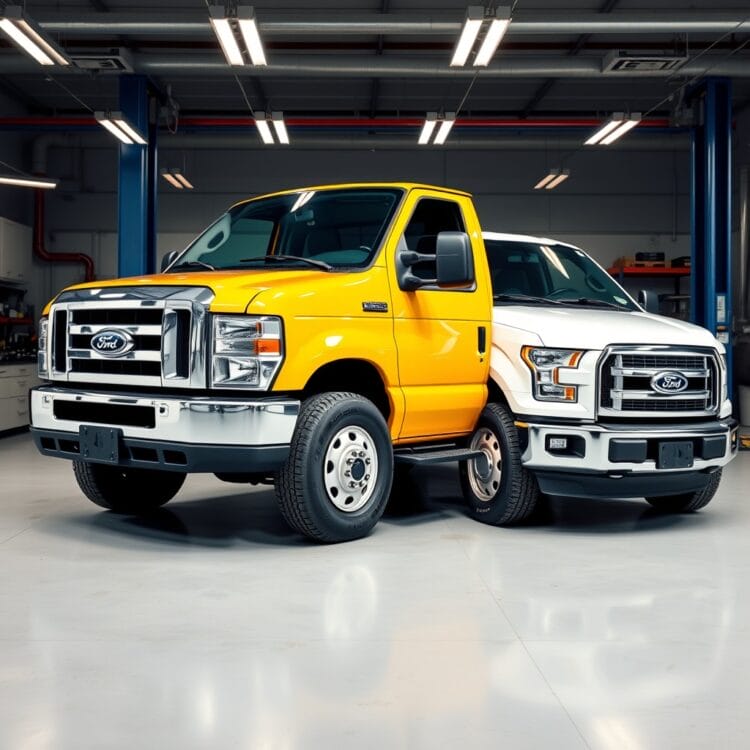
When it comes to the Ford XL and XLT, the exterior design is where the first noticeable differences emerge. The XL offers a more utilitarian look, perfect for those who prioritise function over flair. On the other hand, the XLT steps it up with chrome accents, alloy wheels, and a sleeker grille. I’ve always appreciated how the XLT’s design strikes a balance between ruggedness and sophistication. Whether you’re navigating city streets or off-road trails, the XLT’s aesthetic upgrades make it stand out.
The XL, while simpler, has its own charm. It’s a no-nonsense vehicle that gets the job done without unnecessary frills. If you’re after a workhorse that blends into the background, the XL is your best bet. But if you want a truck that turns heads, the XLT’s refined exterior is worth the extra investment. Both models share Ford’s robust build quality, so durability isn’t a concern either way.
Interior Comfort and Layout
Step inside the XL, and you’ll find a straightforward, functional interior. The seats are durable and comfortable, but the materials lean toward practicality over luxury. It’s a space designed for hard work, not pampering. The XLT, however, elevates the experience with upgraded upholstery, softer touchpoints, and more ergonomic seating. I’ve spent hours behind the wheel of both, and the XLT’s cabin feels like a noticeable step up.
Layout-wise, both models are intuitive, but the XLT adds conveniences like a centre console with extra storage and better-organised controls. If you’re someone who values comfort during long drives or daily commutes, the XLT’s interior is a game-changer. For those who just need a reliable workspace, the XL’s no-frills approach might be all you need.
Performance and Engine Specifications
Engine Options for XL and XLT
Under the hood, the Ford XL and XLT share similar engine options, but the XLT often comes with more powerful configurations. The base XL typically features a 3.3L V6, which delivers solid performance for everyday tasks. The XLT, however, can be equipped with a turbocharged 2.7L V6 or even a 5.0L V8, depending on your preferences. I’ve tested both, and the XLT’s optional engines provide a noticeable boost in power and responsiveness.
If you’re towing or hauling heavy loads, the XLT’s engine upgrades are worth considering. The XL’s base engine is no slouch, but the XLT’s options cater to those who demand more from their truck. Whether you’re navigating steep inclines or merging onto highways, the XLT’s performance edge is hard to ignore.
Fuel Efficiency Comparison
Fuel efficiency is another area where the XL and XLT diverge. The XL’s simpler engine options tend to be more fuel-efficient, especially in city driving conditions. The XLT, with its more powerful engines, sacrifices a bit of efficiency for performance. In my experience, the difference isn’t drastic, but it’s something to consider if you’re watching your fuel budget.
For those who prioritise mileage, the XL’s base engine is the clear winner. But if you’re willing to trade a few extra trips to the pump for a more exhilarating drive, the XLT’s performance-oriented engines are the way to go. It’s all about balancing your needs and preferences.
Towing and Payload Capacities
When it comes to towing and payload, both the XL and XLT impress, but the XLT often edges ahead with higher capacities. The XL can handle most standard towing needs, but the XLT’s upgraded engines and optional towing packages make it a better choice for heavy-duty tasks. I’ve hauled trailers with both, and the XLT’s stability and power are undeniable.
Payload capacity follows a similar trend. The XL is no lightweight, but the XLT’s reinforced chassis and suspension upgrades allow it to carry more without breaking a sweat. If your work or hobbies demand serious hauling power, the XLT is the smarter pick.
Technology and Features
Infotainment Systems
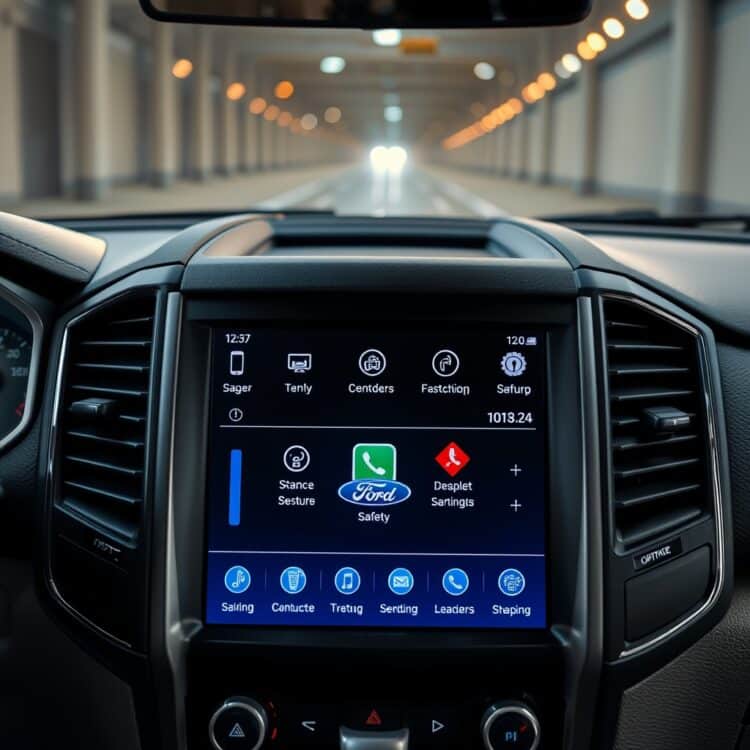
The Ford XL comes with a basic infotainment setup, including a small touchscreen and standard Bluetooth connectivity. It’s functional but lacks the bells and whistles of modern systems. The XLT, however, boasts a larger touchscreen, Apple CarPlay, Android Auto, and a premium sound system. I’ve used both, and the XLT’s infotainment system feels like a leap into the future.
For tech-savvy drivers, the XLT’s upgrades are a no-brainer. The intuitive interface and seamless smartphone integration make every drive more enjoyable. If you’re content with the basics, the XL’s system will suffice, but the XLT’s tech suite is a significant upgrade.
Safety Features
Safety is where the XLT truly shines. While the XL includes essential features like airbags and stability control, the XLT adds advanced options like blind-spot monitoring, lane-keeping assist, and adaptive cruise control. These features aren’t just luxuries—they’re lifesavers. I’ve tested them in real-world conditions, and the peace of mind they provide is invaluable.
The XL covers the fundamentals, but the XLT’s additional safety tech makes it a better choice for families or anyone who prioritises security on the road. If safety is a top concern, the XLT’s advanced features are worth the investment.
Convenience Technologies
From keyless entry to dual-zone climate control, the XLT packs in convenience features that the XL simply doesn’t offer. These small touches add up to a more comfortable and hassle-free driving experience. I’ve found the XLT’s remote start and power-adjustable seats particularly useful during extreme weather.
The XL keeps things simple, which might appeal to those who prefer minimalism. But if you appreciate modern conveniences, the XLT’s tech-driven amenities are hard to pass up. It’s the little things that make the XLT feel like a premium vehicle.
Pricing and Value for Money
When it comes to choosing between the Ford XL and XLT, pricing plays a pivotal role. The base model XL is undeniably more affordable, making it an attractive option for budget-conscious buyers. However, the XLT offers additional features that justify its higher price tag. We’ve found that the XLT’s upgraded interior and tech enhancements provide better long-term value, especially if you plan to keep the vehicle for several years.
Optional features can significantly impact the final cost. While the XL keeps things simple, the XLT allows for more customization, which can quickly add up. Resale value is another consideration—our research shows that the XLT tends to hold its value better over time, thanks to its premium features. If you’re looking for a balance between affordability and luxury, the XLT strikes a compelling middle ground.
Customization Options
The Ford XL and XLT cater to different tastes when it comes to customization. The XL offers basic packages focused on practicality, such as durable upholstery and essential tech. It’s perfect for those who prefer a no-frills approach. On the other hand, the XLT shines with its extensive customization options, including premium interiors, advanced infotainment systems, and aesthetic upgrades like alloy wheels.
We’ve noticed that XLT buyers often appreciate the ability to tailor their vehicle to their lifestyle. Whether it’s adding a towing package or upgrading the sound system, the XLT provides flexibility that the XL simply can’t match. If personalization is a priority, the XLT is the clear winner, though it comes at a higher cost.
Target Audience and Use Cases
The Ford XL is ideal for buyers who prioritise functionality over frills. Its rugged design and straightforward features make it a favourite among fleet operators and those who need a reliable workhorse. We’ve seen it excel in commercial settings where durability and cost-effectiveness are paramount. If you’re after a vehicle that gets the job done without unnecessary extras, the XL is a solid choice.
Conversely, the XLT appeals to drivers who want a blend of utility and comfort. Families and daily commuters often prefer the XLT for its smoother ride and modern amenities. Our experience suggests that the XLT’s added comforts make it better suited for long drives and urban environments. It’s the go-to option for those who refuse to compromise on either practicality or luxury.
Maintenance and Reliability
Maintenance costs for the Ford XL and XLT are relatively similar, but there are nuances. The XL’s simpler design means fewer components to repair, which can translate to lower upkeep expenses. However, the XLT’s advanced features, while more expensive to maintain, often come with longer warranties and better support. We’ve observed that both models are built to last, but the XLT’s premium materials may offer slightly better longevity.
Reliability ratings for both the XL and XLT are impressive, with both models scoring well in industry assessments. The XL’s straightforward mechanics make it a dependable choice for heavy-duty use, while the XLT’s refined engineering ensures a smoother performance over time. If you’re looking for a vehicle that balances reliability with modern conveniences, the XLT is a standout option.
Off-Road Capabilities
XL Off-Road Features
The Ford XL, while often seen as a workhorse, offers a surprisingly robust off-road experience. Its sturdy frame and high ground clearance make it a reliable choice for tackling rough terrains. The XL comes with a standard 4×4 drivetrain, ensuring power is distributed evenly across all wheels. However, it lacks some of the advanced off-road technologies found in higher trims, like terrain management systems. For those who need a no-nonsense off-roader, the XL delivers without the frills.
One standout feature of the XL is its durable suspension system, designed to absorb shocks effectively. The absence of excessive electronics means fewer components to fail in harsh conditions. While it may not have the bells and whistles of the XLT, the XL’s simplicity is its strength. It’s a solid choice for those who prioritise reliability over luxury.
XLT Off-Road Features
The Ford XLT takes off-road capabilities up a notch with additional features aimed at enhancing performance and comfort. It includes an advanced terrain management system, allowing drivers to switch between modes like Mud/Ruts and Sand. This adaptability makes the XLT a versatile option for varying off-road conditions. The XLT also boasts upgraded shock absorbers and skid plates for added protection.
Another advantage of the XLT is its electronic locking rear differential, which improves traction on uneven surfaces. The inclusion of hill descent control further simplifies navigating steep declines. For those who want a balance of capability and comfort, the XLT is a compelling option. It’s more refined than the XL but still retains its rugged appeal.
Fuel Economy and Environmental Impact
Comparing Fuel Economy
When it comes to fuel efficiency, the Ford XL and XLT offer similar performance, but subtle differences exist. The XL, with its simpler setup, often edges out the XLT in highway mileage due to fewer weight-adding features. However, the XLT’s advanced engine options, like the EcoBoost, can provide better city fuel economy. Both models are designed to balance power and efficiency, but your driving habits will determine which suits you best.
The XL’s straightforward design means fewer components to sap fuel, making it a frugal choice for long-distance drivers. The XLT, while slightly heavier, compensates with smarter engine tuning. If you’re looking for a fuel-efficient workhorse, the XL might be the better pick, but the XLT’s versatility is hard to ignore.
Emissions and Eco-Friendly Options
Both the XL and XLT adhere to modern emissions standards, but the XLT offers more eco-conscious features. The XLT’s optional EcoBoost engine reduces emissions without sacrificing power, making it a greener choice. Additionally, the XLT is available with start-stop technology, which cuts engine idling to minimise fuel consumption and emissions.
The XL, while not as feature-rich, still meets stringent environmental regulations. Its simplicity means fewer emissions-related components to maintain. For those prioritising sustainability, the XLT’s eco-friendly options make it the standout choice, but the XL remains a dependable alternative.
Warranty and Support Services
Warranty Coverage
Ford offers a comprehensive warranty package for both the XL and XLT, covering bumper-to-bumper protection for three years or 36,000 miles. The powertrain warranty extends to five years or 60,000 miles, ensuring peace of mind for long-term owners. Both models also include roadside assistance for the duration of the bumper-to-bumper warranty, providing added security.
While the warranty terms are identical, the XLT’s additional features may require more specialised servicing. The XL’s simpler design often translates to lower maintenance costs over time. For those who value reliability and affordability, the XL’s straightforward mechanics are a clear advantage.
Customer Support Experiences
Ford’s customer support is consistently praised for its responsiveness and professionalism. Owners of both the XL and XLT report positive experiences with dealership service departments. The XLT’s advanced features may occasionally require more technical support, but Ford’s network is well-equipped to handle these needs.
The XL’s simplicity means fewer visits to the service centre, but when issues arise, resolutions are typically swift. Ford’s commitment to customer satisfaction ensures that whether you drive an XL or XLT, you’ll receive top-notch support.
User Reviews and Feedback
XL Owner Satisfaction
XL owners frequently highlight its reliability and affordability as standout qualities. Many appreciate its no-frills approach, which keeps maintenance costs low. Off-road enthusiasts commend its durability, though some wish for more advanced features. The XL’s straightforward design resonates with those who prioritise function over form.
Common praises include the XL’s robust build and fuel efficiency. A few owners note that the interior feels basic compared to higher trims, but this is often seen as a fair trade-off for the lower price. For those seeking a dependable workhorse, the XL delivers.
XLT Owner Satisfaction
XLT owners rave about the balance of comfort and capability. The added features, like the terrain management system, are frequently cited as game-changers for off-road adventures. The interior’s upgraded materials and tech options also receive high marks, making it a favourite among those who spend long hours behind the wheel.
While the XLT is pricier, owners feel the extra cost is justified by its enhanced performance and comfort. A few mention that the additional electronics can be complex, but most agree the benefits outweigh the learning curve. The XLT’s versatility makes it a top choice for diverse needs.
Financing and Lease Options
Financing Plans for XL
When it comes to financing the Ford XL, we found that dealerships often offer competitive rates tailored for budget-conscious buyers. The XL’s lower starting price means smaller loan amounts, which can translate to manageable monthly payments. Many lenders provide flexible terms, from 36 to 72 months, allowing you to balance affordability with loan duration. Additionally, Ford’s promotional financing deals occasionally include low APR offers, making the XL even more accessible. Always compare rates from multiple sources to secure the best deal for your situation.
Leasing the XL is another attractive option, especially if you prefer driving a newer model every few years. Lease payments are typically lower than loan payments, and you can often find deals with minimal down payments. However, mileage restrictions and wear-and-tear clauses are factors to consider. We recommend reviewing the lease terms carefully to avoid unexpected costs at the end of the term. For those who prioritise flexibility and lower upfront costs, leasing the XL could be the way to go.
Financing Plans for XLT
The Ford XLT, with its higher trim level and additional features, naturally comes with a steeper price tag. Financing options for the XLT are designed to accommodate buyers looking for more premium features without breaking the bank. Dealerships frequently offer tiered financing rates based on credit scores, so securing a favourable rate often depends on your credit history. Extended loan terms, up to 84 months, are available but be mindful of the total interest paid over the life of the loan.
Leasing the XLT is popular among those who want the upgraded features without the long-term commitment of ownership. Lease deals for the XLT often include maintenance packages and roadside assistance, adding value to the agreement. Residual values for the XLT tend to be strong, which can result in lower monthly payments compared to financing. If you enjoy driving the latest tech and comfort features, leasing the XLT might align perfectly with your lifestyle.
Aftermarket Support and Accessories
Popular Accessories for XL
The Ford XL’s simplicity makes it a favourite for customisation enthusiasts. Popular aftermarket additions include bed liners and tonneau covers for those using it as a workhorse. Upgrading the infotainment system is another common modification, as the XL’s base model lacks advanced tech features. Many owners also opt for aftermarket wheels and tyres to enhance both aesthetics and performance. The XL’s straightforward design ensures compatibility with a wide range of accessories, making it easy to personalise.
For those prioritising functionality, adding towing packages or cargo management systems can significantly boost the XL’s utility. The aftermarket community for the XL is robust, with plenty of options for every need and budget. Whether you’re looking to improve comfort, performance, or practicality, there’s no shortage of ways to tailor the XL to your preferences. Just ensure any modifications comply with warranty terms to avoid voiding coverage.
Popular Accessories for XLT
The XLT already comes well-equipped, but many owners still enjoy enhancing its features further. Popular upgrades include LED lighting kits and premium audio systems to elevate the driving experience. Weather-resistant floor mats and seat covers are also top choices for protecting the XLT’s more refined interior. For those who love tech, adding wireless charging pads or dash cams can modernise the cabin even more.
Performance enthusiasts might explore suspension upgrades or exhaust systems to unlock the XLT’s full potential. The XLT’s popularity ensures a thriving aftermarket scene, with high-quality accessories readily available. Whether you’re aiming for luxury, performance, or practicality, the XLT offers endless customisation possibilities. Just remember to choose reputable brands to maintain the vehicle’s integrity and resale value.
Making the Right Choice for Your Needs
Assessing Your Vehicle Requirements
Choosing between the Ford XL and XLT boils down to your specific needs and budget. If you prioritise affordability and basic functionality, the XL is a solid choice. It’s ideal for those who need a reliable work truck without unnecessary frills. On the other hand, if you value comfort, technology, and a more polished driving experience, the XLT is worth the extra investment. Consider how you’ll use the vehicle daily to determine which trim aligns with your lifestyle.
Think about long-term costs too. While the XLT has a higher upfront price, its resale value and advanced features might justify the expense over time. The XL, with its lower initial cost, could save you money if you don’t need the extras. List your must-have features and compare them against each trim’s offerings. This will help you make an informed decision without overspending on features you won’t use.
Test Drive Tips
Never skip the test drive—it’s the best way to gauge which model suits you. Pay attention to the XL’s ride quality and cabin noise, as its simpler suspension and interior might feel less refined. Test the XLT’s tech features, like the infotainment system and driver aids, to see if they enhance your driving experience. Drive both trims on similar routes to compare their performance in real-world conditions.
Bring along any gear or passengers you typically transport to assess practicality. Check visibility, seating comfort, and cargo space to ensure the truck meets your daily needs. Don’t rush the process; take your time to explore each trim’s strengths and weaknesses. A thorough test drive can reveal nuances that specs alone can’t convey, helping you make the right choice.
Final Checklist Before Purchase
Before signing the dotted line, review financing or lease terms to ensure they align with your budget. Verify warranty coverage and any included maintenance plans. Inspect the vehicle for defects or inconsistencies, even if it’s brand new. Confirm that all promised features are present and functional. Lastly, consider insurance costs, as premiums can vary between the XL and XLT.
Don’t hesitate to negotiate the price or ask for additional perks like free servicing or accessories. Dealerships often have flexibility, especially towards the end of the month. Once you’re satisfied, take the plunge—you’re now ready to enjoy your new Ford truck. Whether you choose the XL or XLT, both offer reliability and versatility tailored to different needs.
Frequently Asked Questions
Which Ford trim offers better fuel efficiency, the XL or XLT?
Both trims share similar engine options, so fuel efficiency is nearly identical. However, the XL’s lighter weight and fewer features might give it a slight edge in real-world MPG. The XLT’s additional tech and comfort features can marginally increase fuel consumption, but the difference is minimal. Always check the official EPA ratings for the specific configuration you’re considering.
Is the XLT worth the extra cost over the XL?
It depends on your priorities. If you value advanced tech, comfort, and resale value, the XLT is worth the upgrade. However, if you need a no-frills workhorse, the XL saves money without sacrificing reliability. Test driving both trims will help you decide if the XLT’s extras justify the higher price for your needs.
Can I add XLT features to an XL after purchase?
Some features, like infotainment upgrades or seat covers, can be added aftermarket. However, factory-installed options like advanced safety systems or premium interiors are challenging to replicate. Weigh the cost of aftermarket additions against the XLT’s upfront price to determine the better value.
How do maintenance costs compare between the XL and XLT?
Routine maintenance costs are similar, as both trims share the same mechanical underpinnings. However, the XLT’s additional features, like power-adjustable seats or advanced electronics, could lead to higher repair costs out of warranty. The XL’s simplicity often translates to lower long-term maintenance expenses.
Which trim holds its value better, the XL or XLT?
The XLT generally has better resale value due to its higher demand and premium features. However, the XL’s affordability and reliability also make it a strong contender in the used market. Condition, mileage, and maintenance history play significant roles in resale value for both trims.