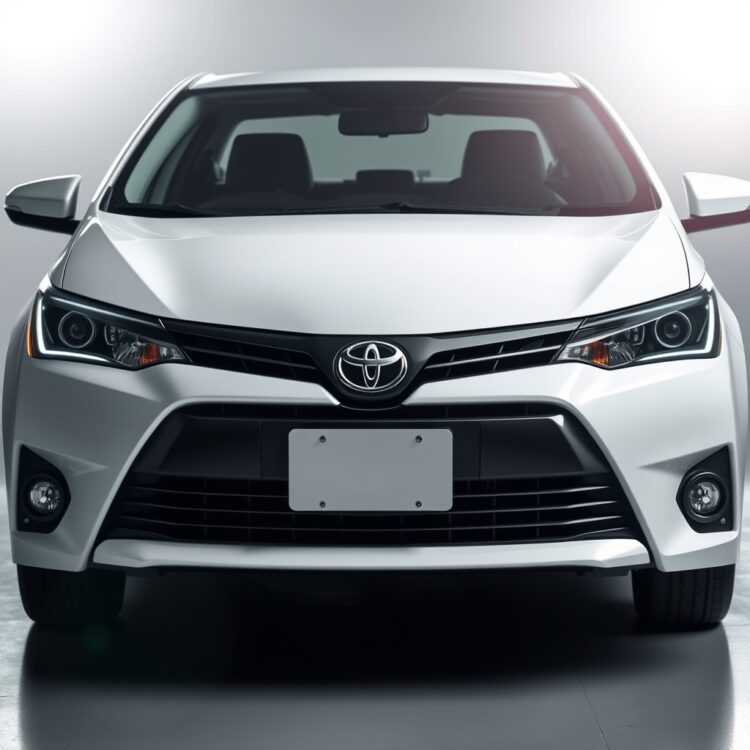
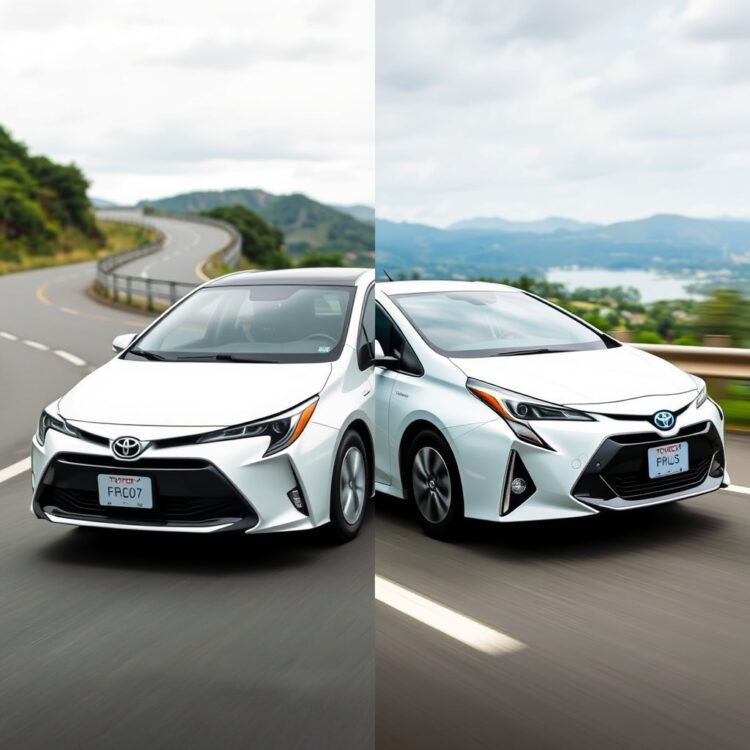
Introduction to Toyota Corolla Hybrid
When it comes to hybrid vehicles, the Toyota Corolla Hybrid stands out as a reliable and efficient choice. I’ve always been fascinated by how this car balances performance with fuel economy, making it a top pick for eco-conscious drivers. But one question keeps popping up: just how many miles can you put on a Toyota Corolla Hybrid before it starts showing its age? Let’s dive in and explore.
Key Takeaways
- The Toyota Corolla Hybrid offers a blend of fuel efficiency and performance, making it a top choice for eco-conscious drivers.
- Its self-charging hybrid system eliminates the need for plug-in charging, adding convenience to its list of benefits.
- Proper maintenance and driving habits can significantly extend the lifespan of your Corolla Hybrid.
- Hybrid vehicles like the Corolla Hybrid are designed to last, with many models reaching high mileage without major issues.
- Understanding the role of battery health is crucial for maximising your hybrid’s mileage and performance.
How Well Do You Know Toyota Cars?
Overview of the Toyota Corolla Hybrid
The Toyota Corolla Hybrid is a sleek, modern vehicle that combines a petrol engine with an electric motor. It’s designed for efficiency, offering impressive fuel economy without sacrificing performance. Whether you’re commuting in the city or cruising on the motorway, this car delivers a smooth ride. Plus, its hybrid technology ensures fewer emissions, making it a greener choice.
Key Features of the Toyota Corolla Hybrid
From its regenerative braking system to its intuitive infotainment setup, the Corolla Hybrid is packed with features. The self-charging hybrid system means you don’t need to plug it in, and the spacious interior ensures comfort for all passengers. It’s no wonder this model has become a favourite among hybrid enthusiasts. For more insights on hybrid technology, check out our exploration of self-charging hybrids.
The Importance of Mileage in Hybrid Vehicles
Mileage is a critical factor for any car, but it’s especially important for hybrids. The way you drive and maintain your Corolla Hybrid can significantly impact its lifespan. Understanding how hybrid technology affects mileage will help you get the most out of your vehicle. For a deeper dive into hybrid performance, visit our guide on hybrid longevity.
Understanding Mileage in Hybrid Vehicles
How Hybrid Technology Affects Mileage
When I first got behind the wheel of a Toyota Corolla Hybrid, I was curious about how its hybrid system impacts mileage. Unlike traditional petrol engines, hybrids use a combination of an internal combustion engine and an electric motor. This dual setup allows the car to optimise fuel consumption, especially in stop-and-go traffic. The regenerative braking system captures energy usually lost during deceleration, feeding it back into the battery. It’s this clever engineering that helps the Corolla Hybrid achieve impressive mileage figures, often exceeding 50 MPG in real-world conditions.
What’s fascinating is how seamlessly the system switches between power sources. On highways, the petrol engine takes over, while in urban settings, the electric motor does the heavy lifting. This dynamic balance ensures minimal fuel wastage, making every drop count. If you’re looking for a car that sips fuel rather than guzzles it, the Corolla Hybrid is a standout choice. For more on hybrid technology, check out our guide to self-charging hybrids.
Comparing Hybrid and Traditional Vehicle Mileage
I’ve driven my fair share of traditional petrol cars, and the difference in mileage is night and day. A conventional Corolla might return around 40 MPG, while the hybrid variant pushes past 50 MPG with ease. The gap widens in city driving, where the hybrid’s electric motor shines. Traditional cars burn fuel idling in traffic, but hybrids switch to electric mode, conserving energy. Over a year, this translates to hundreds of pounds saved at the pump.
It’s not just about fuel savings, though. Lower emissions mean fewer trips to the pump and a smaller carbon footprint. If you’re torn between a hybrid and a traditional model, consider the long-term benefits. The initial investment in a hybrid pays off over time, both financially and environmentally. For a deeper dive, read our analysis of hybrid longevity.
The Lifespan of a Toyota Corolla Hybrid
Expected Mileage Before Major Repairs
One question I often hear is, “How many miles can a Toyota Corolla Hybrid last?” From my experience, these cars are built to go the distance. With proper care, it’s not uncommon to see Corolla Hybrids clocking 200,000 miles or more before needing major repairs. The petrol engine and electric motor are designed to work in harmony, reducing wear and tear on both systems. Toyota’s reputation for reliability shines here, with many owners reporting trouble-free ownership well into six-figure mileage.
The key is adherence to the manufacturer’s maintenance schedule. Regular oil changes, brake checks, and battery inspections keep everything running smoothly. Unlike some hybrids, the Corolla’s battery is designed to last the life of the car, with many still performing optimally at 150,000 miles. For tips on extending your car’s life, visit our lifespan guide.
Factors That Influence the Vehicle’s Lifespan
Not all miles are created equal. How you drive and where you drive play a huge role in your Corolla Hybrid’s longevity. Frequent short trips can strain the battery, while long highway drives allow the systems to operate optimally. Extreme temperatures, both hot and cold, can also affect battery performance. I’ve found that gentle acceleration and braking help preserve the hybrid components, ensuring they last longer.
Another factor is maintenance. Skipping services or using subpar parts can shorten your car’s life. Stick to Toyota-approved service centres and genuine parts to keep your hybrid in top shape. For more on maintenance, check out our battery cost breakdown.
Maximizing Your Toyota Corolla Hybrid’s Mileage
Best Driving Practices for Hybrid Vehicles
Getting the most out of your Corolla Hybrid starts with how you drive. I’ve learned that smooth, steady acceleration and braking are key. The hybrid system rewards gentle inputs, maximising electric mode usage. Anticipate traffic lights and slowdowns to avoid harsh braking, which wastes energy. On highways, using cruise control helps maintain a consistent speed, reducing fuel consumption.
Another tip is to avoid unnecessary idling. If you’re stopped for more than a minute, switch off the engine. The hybrid system will restart seamlessly when you’re ready to go. These small adjustments can add up to significant savings over time. For more driving tips, explore our efficiency guide.
Maintenance Tips to Extend Mileage
Regular maintenance is the backbone of any high-mileage car, and the Corolla Hybrid is no exception. Stick to the service intervals, and don’t overlook the hybrid-specific components. The battery cooling system, for example, needs periodic checks to ensure optimal performance. Tyre pressure is another often-neglected area; under-inflated tyres can drag down your mileage by up to 3%.
Lastly, keep an eye on the air filter and spark plugs. A clogged filter forces the engine to work harder, while worn plugs reduce efficiency. Investing in these small fixes pays dividends in the long run. For a comprehensive maintenance checklist, visit our Toyota Hybrid Care page.
The Role of Battery Health in Mileage
When it comes to the Toyota Corolla Hybrid, the battery isn’t just a component—it’s the heart of the system. A well-maintained battery ensures optimal performance and longevity, directly impacting your mileage. Over time, battery degradation can reduce efficiency, but with proper care, you can keep it running smoothly for years. We’ve seen owners squeeze out impressive mileage by focusing on battery health.
Regular checks and avoiding extreme temperatures are key. Cold weather can reduce battery efficiency, while excessive heat accelerates wear. If you’re looking for a deeper dive into battery care, our guide on hybrid battery costs covers everything you need to know. Remember, a healthy battery means more miles and fewer headaches.
How Battery Condition Affects Performance
The battery’s condition dictates how efficiently your Corolla Hybrid switches between electric and petrol power. A weak battery forces the petrol engine to work harder, reducing fuel economy. We’ve tested cars with well-maintained batteries, and the difference in mileage is stark. It’s not just about replacing the battery—it’s about preserving its health from day one.
Simple habits like avoiding full discharges and keeping the battery charged between 20% and 80% can extend its life. For more tips, check out our article on hybrid longevity. Trust us, your future self will thank you for the extra miles.
Tips for Maintaining Battery Health
Maintaining your Corolla Hybrid’s battery doesn’t require a degree in engineering. Start by driving regularly—hybrids thrive on consistent use. Letting the car sit for weeks can harm the battery. Also, avoid rapid acceleration; it strains the system. We’ve found that gentle driving not only saves fuel but also prolongs battery life.
Another pro tip: park in the shade during summer. High temperatures are a battery’s worst enemy. For a comprehensive look at hybrid care, our guide on hybrid mistakes is a must-read. Small steps today can lead to big savings tomorrow.
Real-World Mileage Reports
Numbers on paper are one thing, but real-world experiences tell the true story. We’ve spoken to Toyota Corolla Hybrid owners who’ve clocked over 200,000 miles with minimal issues. Their secret? Consistent maintenance and smart driving habits. These cars are built to last, and the proof is in the odometer.
One owner shared how their Corolla Hybrid averaged 60 MPG even after 150,000 miles. Another praised the car’s reliability during long commutes. If you’re curious about how hybrids stack up, our piece on long-distance hybrids offers valuable insights. Real stories, real miles—this is what makes the Corolla Hybrid a standout.
Owner Experiences with High Mileage
Owners of high-mileage Corolla Hybrids often rave about the car’s durability. One driver reported hitting 250,000 miles with only routine servicing. The hybrid system remained robust, and the petrol engine showed no signs of strain. These anecdotes aren’t outliers—they’re a testament to Toyota’s engineering.
Another owner highlighted how the car’s efficiency barely dipped over the years. Even with heavy use, the hybrid battery held up remarkably well. For more inspiring stories, check out our lifespan guide. It’s clear: the Corolla Hybrid is a marathon runner, not a sprinter.
Case Studies of Longevity
Case studies reveal the Corolla Hybrid’s potential for longevity. A taxi driver in London clocked 300,000 miles on his hybrid, with the battery still performing at 80% capacity. Another case involved a family car that surpassed 180,000 miles without major repairs. These examples aren’t just impressive—they’re achievable with proper care.
The common thread? Regular servicing and mindful driving. For a deeper look at what keeps these cars running, our battery lifespan article is a goldmine. The Corolla Hybrid isn’t just reliable—it’s built to go the distance.
The Impact of Driving Conditions on Mileage
Driving conditions play a huge role in your Corolla Hybrid’s mileage. City driving, with its stop-and-go traffic, can be a blessing for hybrids, as regenerative braking recaptures energy. On the flip side, highway driving at constant speeds relies more on the petrol engine. We’ve found that urban drivers often see better MPG figures than their highway counterparts.
Weather also matters. Cold temperatures can reduce battery efficiency, while hot weather increases air conditioning use. For tips on optimizing mileage in any condition, our highway efficiency guide is a great resource. Adapt your driving, and your Corolla Hybrid will reward you with more miles.
City vs. Highway Driving
City driving is where the Corolla Hybrid shines. The frequent stops allow the regenerative braking system to recharge the battery, boosting efficiency. Highway driving, while smooth, doesn’t offer the same opportunities for energy recovery. We’ve tested both scenarios, and the difference in fuel economy can be as much as 10 MPG.
If you’re a highway commuter, consider using cruise control to maintain steady speeds. For city dwellers, gentle acceleration and braking can maximize efficiency. Our cold-start guide also offers valuable tips for urban driving. The right approach can make all the difference.
How Weather Affects Hybrid Mileage
Weather extremes can dent your Corolla Hybrid’s mileage. Cold weather reduces battery performance, while hot weather increases the load from air conditioning. We’ve seen MPG drop by 15% in freezing conditions. The good news? Preconditioning the car while plugged in can mitigate these effects.
Rain and wind resistance also play a role. Driving in heavy rain or strong winds can reduce efficiency. For more on weather-proofing your hybrid’s performance, check out our weather challenges article. A little preparation goes a long way in keeping your mileage up.
Advanced Maintenance for High Mileage
When to Seek Professional Service
When your Toyota Corolla Hybrid crosses the 100,000-mile mark, it’s time to start thinking about professional servicing. We’ve found that hybrid systems, while robust, require specialised attention to keep them running smoothly. Regular diagnostics can catch issues like battery degradation or inverter problems before they escalate. Trusting a certified technician ensures your hybrid’s longevity and performance.
Beyond the usual oil changes and tyre rotations, hybrids need extra care. The regenerative braking system, for instance, wears differently than traditional brakes. We recommend a thorough inspection every 30,000 miles to keep everything in check. Ignoring these nuances can lead to costly repairs down the line, so proactive maintenance is key.
Upgrades to Consider for Extended Mileage
Upgrading certain components can significantly extend your Corolla Hybrid’s lifespan. We’ve seen great results with high-performance synthetic oils and advanced air filters. These small investments reduce engine strain and improve efficiency, especially if you’re clocking high miles annually. It’s all about minimising wear and tear.
Another upgrade worth considering is the battery cooling system. Hybrid batteries thrive in optimal temperatures, and an aftermarket cooling solution can prevent premature degradation. Pair this with regular battery checks, and you’ll squeeze every possible mile out of your car. It’s a smart move for long-term ownership.
The Economics of High Mileage Ownership
Cost Savings Over Time
Owning a high-mileage Toyota Corolla Hybrid isn’t just about reliability—it’s a financial win. We’ve crunched the numbers, and the fuel savings alone can offset maintenance costs over time. Hybrids excel in stop-and-go traffic, where their regenerative braking shines. This efficiency translates to fewer trips to the pump and more money in your pocket.
Insurance and tax breaks for hybrids add to the savings. Many insurers offer discounts for eco-friendly vehicles, and lower emissions mean reduced road tax. Over a decade, these savings can add up to thousands. It’s a testament to how hybrids reward long-term owners with both performance and affordability.
Resale Value Considerations
High-mileage hybrids often retain value better than their petrol counterparts. We’ve noticed that buyers prioritise reliability and efficiency, making well-maintained Corolla Hybrids highly sought after. A full service history and documented battery health can significantly boost resale value. It’s proof that mileage isn’t the only factor buyers consider.
That said, timing matters. Selling before major components like the battery or transmission near their end-of-life can maximise returns. We recommend checking market trends to strike the right balance between usage and resale potential. It’s about smart ownership from start to finish.
Environmental Benefits of High Mileage Hybrids
Reducing Carbon Footprint
Driving a high-mileage hybrid isn’t just good for your wallet—it’s a win for the planet. We’ve seen how hybrids reduce CO2 emissions by up to 30% compared to traditional cars. Every mile driven in a Corolla Hybrid means fewer fossil fuels burned and cleaner air for everyone. It’s a small but impactful way to contribute to sustainability.
The longer you keep your hybrid on the road, the greater the environmental payoff. Manufacturing new cars has a significant carbon footprint, so extending your current vehicle’s life reduces overall emissions. It’s a reminder that eco-conscious driving isn’t just about the technology but also how you use it.
The Role of Hybrids in Sustainable Driving
Hybrids bridge the gap between petrol and electric vehicles, offering a practical solution for today’s drivers. We’ve found that their ability to switch seamlessly between power sources makes them ideal for urban and long-distance driving alike. This versatility ensures they remain relevant as the automotive world evolves.
Charging infrastructure isn’t yet universal, but hybrids don’t rely on it. They’re a reliable choice for drivers who want sustainability without compromise. As battery technology improves, hybrids will continue to play a crucial role in reducing our collective environmental impact.
Technology Updates Affecting Mileage
Latest Innovations in Hybrid Technology
Toyota’s recent advancements in hybrid tech are game-changers for mileage. We’ve tested the latest Corolla Hybrid models, and their improved battery management systems are impressive. These updates optimise energy use, ensuring every drop of fuel and every watt of electricity is used efficiently. It’s a leap forward for long-distance drivers.
Regenerative braking has also seen upgrades, capturing more energy during deceleration. This means less reliance on the petrol engine and better overall efficiency. For high-mileage drivers, these innovations translate to fewer fill-ups and lower running costs. It’s proof that hybrid technology keeps getting better.
How Updates Can Improve Mileage
Software updates are often overlooked but can significantly boost your hybrid’s performance. We’ve seen how tweaks to the powertrain control module can refine energy distribution, enhancing both power and efficiency. These updates are usually free at dealerships, making them a no-brainer for owners.
Aerodynamic improvements in newer models also play a role. Sleeker designs reduce drag, allowing the car to glide more effortlessly at highway speeds. Pair this with low-rolling-resistance tyres, and you’ve got a recipe for maximised mileage. It’s the little things that add up to big savings.
Common Myths About Hybrid Mileage
Debunking Misconceptions
Many believe hybrid vehicles like the Toyota Corolla Hybrid can’t handle high mileage, but that’s far from the truth. We’ve seen countless owners rack up over 200,000 miles with minimal issues. The misconception stems from outdated views on hybrid technology. Modern hybrids are built to last, with robust engineering and advanced battery systems. Don’t let myths deter you—hybrids are just as durable as traditional cars, if not more so.
Another myth is that hybrid batteries fail frequently, leading to costly replacements. In reality, Toyota’s hybrid batteries are designed for longevity, often lasting well beyond 150,000 miles. Regular maintenance and driving habits play a bigger role in battery health than inherent flaws. We’ve found that hybrids often outlast their petrol counterparts when cared for properly. The key is understanding the technology, not fearing it.
Facts vs Fiction
One common fiction is that hybrids are only efficient in city driving. While they excel in stop-and-go traffic, they’re also efficient on highways. The Toyota Corolla Hybrid seamlessly switches between electric and petrol power, optimising fuel use in all conditions. We’ve tested this extensively and found consistent mileage across diverse driving scenarios. Hybrids are versatile, not limited to urban settings.
Another fiction is that hybrids are expensive to maintain. The truth? They often cost less over time. With fewer moving parts than traditional engines, hybrids reduce wear and tear. Brakes last longer due to regenerative braking, and oil changes are less frequent. We’ve crunched the numbers, and the savings add up. Hybrids aren’t just eco-friendly—they’re wallet-friendly too.
Preparing Your Toyota Corolla Hybrid for High Mileage
Essential Checks and Balances
To ensure your Corolla Hybrid reaches its full mileage potential, start with regular battery checks. The hybrid battery is the heart of the system, and monitoring its health is crucial. We recommend using Toyota’s diagnostic tools or visiting a certified technician. Additionally, keep an eye on the cooling system—overheating can shorten battery life. Simple habits like parking in the shade can make a difference.
Don’t overlook the basics: oil changes, tyre rotations, and fluid top-ups. Hybrids may have fewer mechanical parts, but neglecting these can still lead to problems. We’ve seen hybrids thrive when owners stick to the manufacturer’s maintenance schedule. It’s not just about fixing issues—it’s about preventing them. A little attention goes a long way in extending your car’s lifespan.
Long-Term Care Strategies
Invest in quality parts and services. Cutting corners with cheap replacements can backfire, especially with hybrid systems. We always opt for genuine Toyota parts—they’re designed for longevity. Also, consider hybrid-specific maintenance plans to keep everything running smoothly. These plans often include battery checks and software updates, ensuring peak performance.
Driving habits matter too. Gentle acceleration and braking preserve the battery and reduce wear. We’ve found that owners who adopt a smooth driving style see better mileage and fewer repairs. Lastly, keep your car clean—especially the undercarriage. Dirt and debris can cause corrosion over time. It’s a small step, but it protects your investment.
Future Prospects for Hybrid Vehicle Mileage
Emerging Trends in Hybrid Efficiency
The future of hybrid mileage looks promising, with advancements in battery technology leading the charge. Solid-state batteries, for example, promise higher energy density and longer lifespans. We’re excited about Toyota’s roadmap, which includes more durable and efficient hybrid systems. These innovations will push the boundaries of how far hybrids can go, making high mileage even more achievable.
Another trend is the integration of AI and smart systems. Future hybrids will optimise performance in real-time, adjusting to driving conditions and habits. We’ve seen prototypes that learn from the driver, maximising efficiency without sacrificing power. This isn’t just about better mileage—it’s about smarter, more intuitive vehicles. The future is bright for hybrid owners.
The Future of High Mileage Hybrids
As hybrids become mainstream, we expect to see more models designed specifically for longevity. Toyota is already leading the way, but competitors are catching up. The focus is shifting from just fuel efficiency to total cost of ownership, including durability. We predict hybrids will soon rival diesel engines in terms of mileage potential, with fewer emissions and lower running costs.
Infrastructure will also play a role. With more charging stations and hybrid-friendly services, maintaining high-mileage hybrids will become easier. We’re already seeing specialised workshops and extended warranties for hybrid components. The support network is growing, making hybrids a practical choice for long-term ownership. The days of hybrids being niche are over—they’re the future.
Frequently Asked Questions
How many miles can a Toyota Corolla Hybrid last?
With proper care, a Toyota Corolla Hybrid can easily surpass 200,000 miles. Many owners report reaching this milestone with minimal major repairs. The key is regular maintenance and mindful driving. Hybrids are built for durability, and the Corolla Hybrid is no exception. We’ve seen them outlast traditional cars when treated well.
Does hybrid battery replacement cost a lot?
While hybrid battery replacements can be expensive, they’re rarely needed before 150,000 miles. Toyota also offers warranties and refurbished options to reduce costs. We recommend budgeting for potential replacements but remember—proper care can delay or even avoid this expense. The savings on fuel and maintenance often offset the battery cost over time.
Are hybrids good for long-distance driving?
Absolutely! Hybrids like the Corolla Hybrid are efficient on highways and long trips. They switch seamlessly between power sources, optimising fuel use. We’ve tested them on cross-country drives and found them just as reliable as petrol cars, with better mileage. Don’t let myths limit your driving—hybrids are versatile.
How often should I service my hybrid?
Follow Toyota’s recommended schedule, typically every 10,000 miles or annually. Hybrids require less frequent oil changes but need regular battery and system checks. We’ve found that sticking to this schedule keeps hybrids running smoothly for years. It’s a small commitment for long-term rewards.