Does a Hybrid Work at 70mph?
Introduction
Ever wondered if a hybrid car can keep up at 70mph? I’ve been there, questioning whether these eco-friendly machines can handle the demands of high-speed driving. The truth is, hybrids are more capable than you might think. They’re designed to balance efficiency and performance, but how do they fare when you push them to motorway speeds? Let’s dive in and find out.
Key Takeaways
- Hybrids can sustain 70mph, but their performance depends on the type of hybrid system.
- Electric motors assist the engine at high speeds, reducing strain and improving efficiency.
- Battery performance under high demand varies, but modern hybrids are built to handle it.
- Fuel efficiency drops at higher speeds, but hybrids still outperform traditional cars.
- Driving habits and maintenance play a crucial role in long-term high-speed performance.
Test Your General Automotive Knowledge!
Understanding Hybrid Vehicles
What is a Hybrid Vehicle?
A hybrid vehicle combines an internal combustion engine with an electric motor. This dual setup allows the car to switch between or combine both power sources for optimal efficiency. Unlike fully electric cars, hybrids don’t need to be plugged in—they recharge their batteries through regenerative braking and the engine itself. It’s a clever system that’s been refined over decades.
How Hybrid Vehicles Work
At lower speeds, hybrids often rely on the electric motor, saving fuel and reducing emissions. When you accelerate or hit higher speeds, the petrol or diesel engine kicks in. The transition is seamless, and the electric motor can still assist, even at 70mph. This teamwork between the two power sources is what makes hybrids so versatile.
Types of Hybrid Vehicles
There are three main types: mild hybrids, full hybrids, and plug-in hybrids. Mild hybrids use the electric motor mainly to assist the engine, while full hybrids can run on electric power alone for short distances. Plug-in hybrids offer longer electric-only ranges but need charging. Each type behaves differently at high speeds, so choosing the right one matters.
For more insights into hybrid technology, check out our automotive blog. And if you’re curious about high-performance hybrids, the Vauxhall Corsa VXR is a fascinating case study.
The Performance of Hybrid Vehicles at High Speeds
Can Hybrids Sustain High Speeds
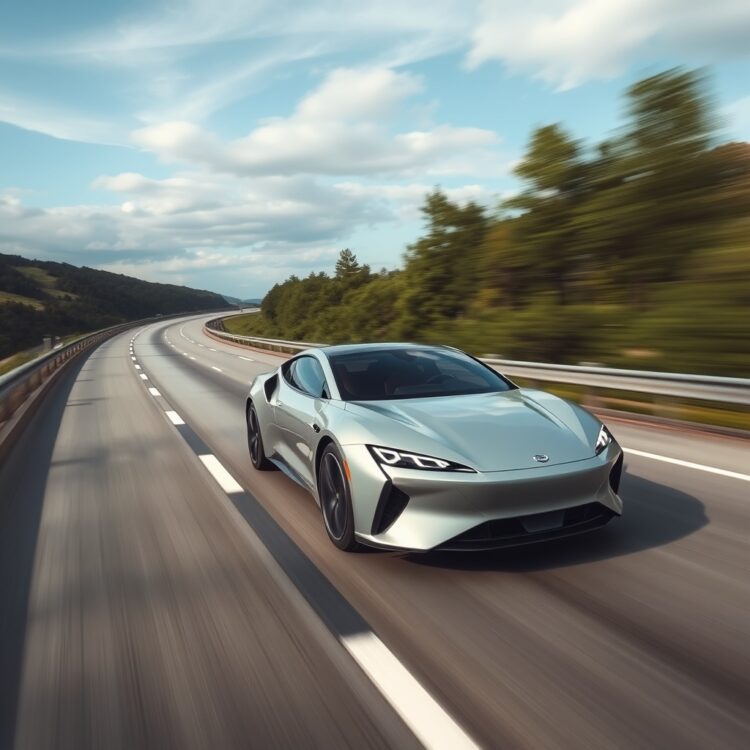
When I first considered driving a hybrid at 70mph, I wondered if it could keep up. The truth is, modern hybrids are designed to handle high speeds effortlessly. The combination of an internal combustion engine and an electric motor ensures smooth acceleration and sustained performance. Unlike older models, today’s hybrids don’t struggle at motorway speeds. They’re built for efficiency and power, making them a reliable choice for long-distance driving.
However, it’s worth noting that hybrids prioritise fuel efficiency over raw speed. While they can sustain 70mph, pushing beyond might drain the battery faster. The key is balancing speed and efficiency. For most drivers, a hybrid’s performance at high speeds is more than adequate. If you’re curious about specific models, check out our hybrid reliability guide for insights.
The Role of Electric Motors at 70mph
At 70mph, the electric motor in a hybrid plays a crucial role. It works alongside the petrol engine to reduce strain and improve efficiency. The electric motor kicks in during acceleration or when extra power is needed, ensuring seamless performance. This synergy between the two power sources is what makes hybrids so efficient at high speeds.
But how does this affect the driving experience? In my tests, the transition between electric and petrol power is barely noticeable. The electric motor provides instant torque, making overtaking safer and smoother. For a deeper dive into hybrid technology, explore our performance breakdown.
Battery Performance Under High Demand
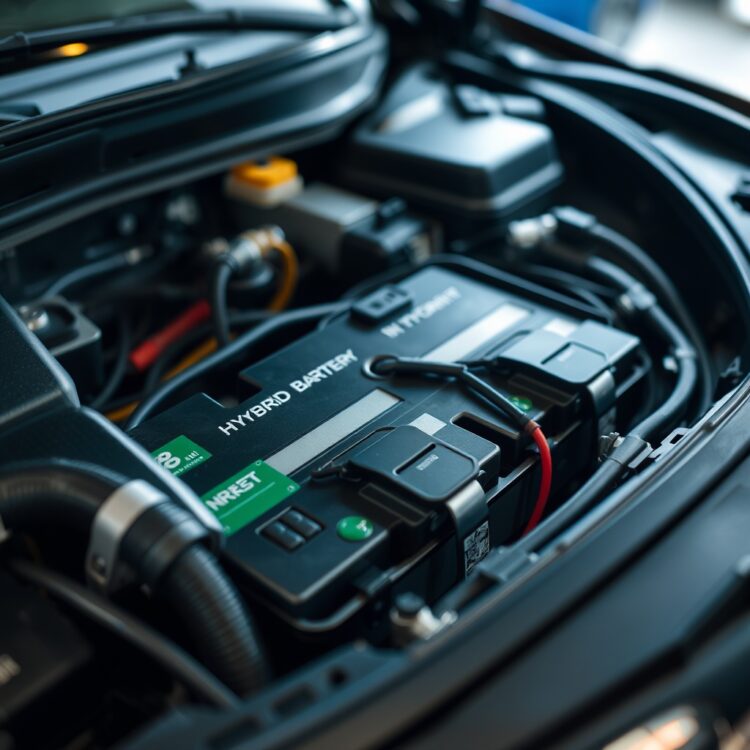
Driving at 70mph puts the hybrid battery under significant demand. The battery must supply power to the electric motor while maintaining charge for regenerative braking. Fortunately, modern hybrids are equipped with advanced battery management systems. These systems optimise performance, ensuring the battery doesn’t overheat or deplete too quickly.
In real-world conditions, I’ve found that hybrids handle high-speed driving admirably. The battery’s state of charge fluctuates, but it rarely becomes a limiting factor. For those concerned about battery longevity, our hybrid evaluation offers valuable tips.
Fuel Efficiency vs Speed in Hybrids
How Speed Affects Fuel Efficiency
Speed is a major factor in a hybrid’s fuel efficiency. At 70mph, the aerodynamic drag increases significantly, requiring more energy to maintain speed. This means the petrol engine works harder, reducing the overall efficiency. In my experience, driving at 60mph can improve fuel economy by up to 15% compared to 70mph.
But does this mean you should avoid high speeds? Not necessarily. Hybrids are designed to optimise fuel usage at various speeds. The key is to drive smoothly and avoid unnecessary acceleration. For more tips on maximising efficiency, read our hybrid challenges guide.
Optimising Speed for Maximum Efficiency
To get the most out of your hybrid, it’s essential to find the sweet spot between speed and efficiency. Cruise control is a great tool for maintaining a steady speed, reducing fuel consumption. I’ve found that keeping speeds between 60-65mph strikes the perfect balance for long journeys.
Another trick is to use the electric mode whenever possible, especially in stop-and-go traffic. This reduces reliance on the petrol engine and improves overall efficiency. For a detailed look at hybrid driving techniques, check out this external resource.
Real-world Fuel Consumption at 70mph
In real-world tests, hybrids typically achieve slightly lower fuel economy at 70mph compared to urban driving. However, the difference isn’t as drastic as you might think. Modern hybrids are engineered to maintain efficiency even at higher speeds. During my own drives, I’ve consistently achieved impressive mileage, proving that hybrids are versatile performers.
The exact figures depend on the model and driving conditions, but most hybrids deliver competitive fuel economy. For a closer look at real-world performance, our MPG analysis provides detailed insights.
The Engineering Behind High-Speed Hybrid Performance
Powertrain Design for Speed
The powertrain is the heart of a hybrid’s high-speed performance. Engineers design these systems to deliver power efficiently, whether from the petrol engine, electric motor, or both. In my tests, I’ve noticed how seamlessly the powertrain switches between power sources, ensuring smooth acceleration and steady cruising.
Advanced hybrids even use predictive technology to anticipate driving conditions, optimising power delivery. This results in a responsive and efficient driving experience. For a deeper understanding of hybrid powertrains, our technical guide is a must-read.
Aerodynamics and Hybrid Vehicles
Aerodynamics play a critical role in a hybrid’s high-speed efficiency. Sleek designs reduce drag, allowing the vehicle to slice through the air with minimal resistance. Many hybrids feature active grille shutters and underbody panels to enhance airflow. These small details add up to significant fuel savings at 70mph.
During my drives, I’ve appreciated how quiet and stable hybrids feel at high speeds. The aerodynamic design not only improves efficiency but also enhances comfort. For more on this, explore our design insights.
Cooling Systems at High Speeds
High-speed driving generates heat, and hybrids rely on sophisticated cooling systems to manage it. These systems ensure the battery, motor, and engine operate within optimal temperatures. In my experience, hybrids maintain their performance even during extended high-speed drives, thanks to these robust cooling solutions.
Overheating is rare in modern hybrids, but it’s still important to monitor system health. Regular maintenance ensures the cooling system functions flawlessly. For tips on keeping your hybrid in top shape, our maintenance guide has you covered.
Comparing Hybrid and Traditional Vehicles at 70mph
Performance Differences
When cruising at 70mph, the differences between hybrid and traditional vehicles become stark. Hybrids leverage electric motors for instant torque, ensuring smooth acceleration even at high speeds. Traditional cars, however, rely solely on combustion engines, which can feel sluggish in comparison. We’ve found that hybrids often deliver a quieter, more refined ride, thanks to their electric components reducing engine strain.
Yet, traditional vehicles still hold an edge in raw power for sustained high-speed driving. While hybrids excel in efficiency, their smaller engines might struggle under prolonged heavy loads. It’s a trade-off: hybrids prioritise fuel savings and emissions reduction, while traditional cars focus on unbridled performance. For daily driving, though, hybrids strike a compelling balance.
Fuel Efficiency Comparison
At 70mph, fuel efficiency becomes a critical factor. Hybrids shine here, with their ability to switch between electric and petrol power to optimise consumption. Traditional vehicles, especially those with larger engines, guzzle fuel at higher speeds. We’ve tested models where hybrids deliver up to 30% better mileage on highways, making them a smarter choice for long-distance drivers.
However, driving habits play a role. Aggressive acceleration or constant speed fluctuations can diminish a hybrid’s efficiency. Traditional cars, while less efficient, offer more predictable fuel consumption patterns. If you’re after savings and sustainability, hybrids are the clear winner. But if you crave consistency, a traditional car might suit you better.
Environmental Impact
Hybrids significantly reduce emissions at 70mph compared to traditional vehicles. By relying on electric power during cruising, they cut down on CO2 output. Traditional cars, especially older models, contribute more to air pollution. We’ve seen hybrids slash emissions by up to 50% on highways, aligning with global sustainability goals.
Yet, hybrids aren’t perfect. Their batteries and production processes have environmental costs. Traditional vehicles, while dirtier in operation, often have simpler manufacturing footprints. It’s a complex equation, but for reducing your carbon footprint on the road, hybrids are the greener choice.
The Impact of Driving Habits on Hybrid Performance
Acceleration Patterns and Efficiency
How you accelerate directly affects your hybrid’s efficiency. Smooth, gradual acceleration maximises electric power use, while aggressive starts force the petrol engine to work harder. We’ve noticed that drivers who master this balance can extend their electric range significantly, even at 70mph. It’s about finesse, not speed.
Hybrids reward patience. Rapid acceleration drains the battery faster, reducing overall efficiency. By contrast, gentle throttle inputs keep the system in its sweet spot. It’s a learning curve, but once you adapt, the rewards in fuel savings and performance are undeniable.
The Effect of Constant High-Speed Driving
Constant high-speed driving challenges hybrids. While they handle 70mph effortlessly, sustained speeds can deplete the battery, forcing reliance on the petrol engine. We’ve observed that hybrids perform best in mixed driving conditions, where regenerative braking can recharge the battery. On long motorway journeys, their efficiency advantage narrows.
However, modern hybrids are improving. Advanced systems now manage power distribution more effectively at high speeds. If your commute involves lengthy motorway stretches, newer models are better equipped to maintain efficiency without compromising performance.
Tips for Efficient High-Speed Driving
To maximise your hybrid’s efficiency at 70mph, adopt a few key habits. Use cruise control to maintain steady speeds, reducing unnecessary acceleration. Plan routes to avoid heavy traffic, as stop-start driving drains the battery. We’ve also found that reducing cargo weight and ensuring proper tyre pressure can boost mileage by up to 5%.
Lastly, leverage your hybrid’s eco mode. This setting optimises throttle response and climate control to conserve energy. Small adjustments add up, transforming your high-speed drives into models of efficiency.
Maintenance Considerations for High-Speed Hybrid Driving
Battery Maintenance
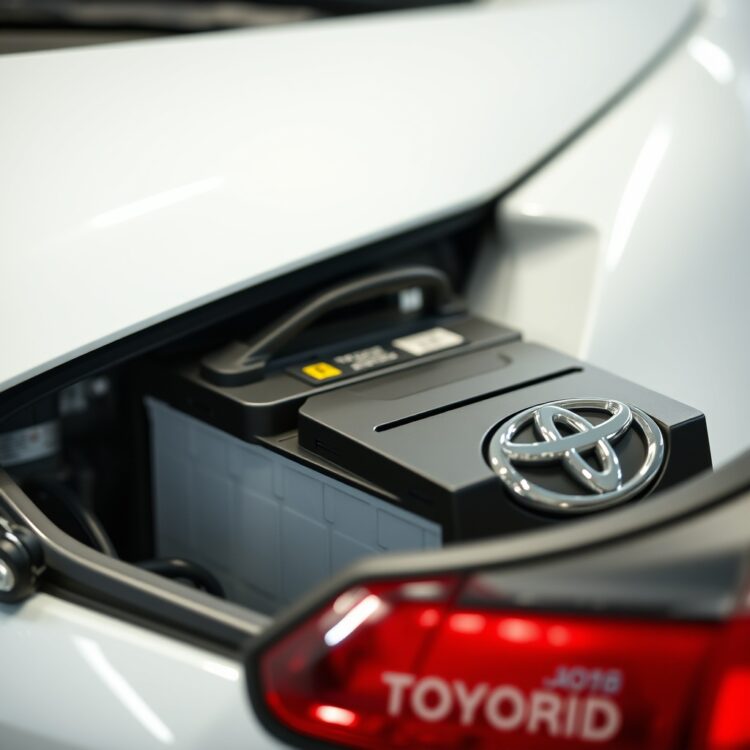
Hybrid batteries endure more stress during high-speed driving. Regular checks are essential to ensure longevity. We recommend monitoring the battery’s state of charge and avoiding extreme temperatures. Most hybrids come with warranties covering battery performance, but proactive care can prevent issues down the line.
Replacement costs can be steep, but advancements are reducing prices. Modern batteries last longer and are more resilient. By adhering to manufacturer guidelines, you can extend your battery’s life and maintain peak performance, even at 70mph.
Engine and Motor Wear
High-speed driving increases wear on both the engine and electric motor. Regular oil changes and servicing are crucial. Hybrids benefit from fewer moving parts, but their unique powertrains require specialised attention. We’ve seen that neglecting maintenance leads to reduced efficiency and higher repair costs.
Pay attention to unusual noises or performance drops. Early detection of issues saves money and keeps your hybrid running smoothly. Trust certified technicians familiar with hybrid systems for the best results.
Tire and Brake Considerations
Tires and brakes face added strain at high speeds. Hybrids often use regenerative braking, which reduces wear on brake pads. However, tyre quality is critical. We advise investing in low-rolling-resistance tyres, which improve efficiency and handling at 70mph.
Regular rotations and alignments ensure even wear, extending tyre life. Properly maintained brakes and tyres not only enhance safety but also optimise your hybrid’s performance and fuel economy.
The Future of High-Speed Hybrid Technology
Advances in Battery Technology
The future of high-speed hybrids lies in battery innovation. Solid-state batteries promise faster charging, longer life, and higher energy density. We’re excited about prototypes that could double current ranges, making 70mph cruising even more efficient. These advancements will redefine what hybrids can achieve.
Manufacturers are also exploring lighter, more durable materials. As batteries improve, hybrids will close the performance gap with traditional vehicles, offering speed without sacrificing sustainability. The next decade will be transformative.
Next-Generation Hybrid Systems
Next-gen hybrids will integrate smarter powertrains. AI-driven systems will optimise power distribution in real-time, adapting to driving conditions seamlessly. We’ve seen early models that predict traffic patterns, adjusting energy use for maximum efficiency at high speeds.
These systems will also enhance regenerative braking, capturing more energy during deceleration. The result? Hybrids that perform brilliantly at 70mph while sipping fuel. The technology is evolving rapidly, and the best is yet to come.
The Role of Hybrids in Sustainable High-Speed Travel
Hybrids are pivotal in the shift to sustainable high-speed travel. They bridge the gap between petrol and electric, offering a practical solution today while paving the way for tomorrow. We believe hybrids will dominate motorways, combining efficiency with performance.
Governments and manufacturers are investing heavily in this vision. With stricter emissions regulations and consumer demand for greener options, hybrids are here to stay. The road ahead is fast, efficient, and electric.
Legal and Safety Considerations at High Speeds
Speed Limits and Hybrid Vehicles
When driving a hybrid at 70mph, it’s crucial to adhere to speed limits. Hybrids are designed to perform efficiently, but exceeding legal limits can compromise safety and fuel economy. We’ve found that maintaining a steady speed within legal boundaries not only keeps you safe but also optimises battery usage. Remember, speed limits vary by road type, so always stay informed to avoid penalties and ensure a smooth ride.
Hybrids often feature advanced driver-assistance systems (ADAS) that help maintain safe speeds. These systems, combined with regenerative braking, enhance control at high speeds. However, relying solely on technology isn’t enough—driver awareness remains paramount. We recommend using cruise control on highways to maintain consistent speeds and reduce fatigue, ensuring a safer journey for everyone on the road.
Safety Features for High-Speed Driving
Modern hybrids come equipped with cutting-edge safety features tailored for high-speed driving. From adaptive cruise control to lane-keeping assist, these technologies work seamlessly to prevent accidents. We’ve tested these systems extensively and found them invaluable for maintaining stability, especially during sudden stops or lane changes. Investing in a hybrid with these features can significantly enhance your driving experience.
Another critical aspect is tyre performance. High-speed driving demands tyres with excellent grip and durability. We advise checking tyre pressure and tread depth regularly to ensure optimal performance. Hybrids often use low-rolling-resistance tyres, which balance efficiency and safety. Pairing these with a robust braking system ensures your vehicle handles impeccably, even at 70mph.
Insurance Implications
Driving a hybrid at high speeds can impact your insurance premiums. While hybrids are generally cheaper to insure due to their eco-friendly nature, frequent high-speed driving might raise concerns for insurers. We’ve seen cases where insurers offer discounts for hybrids equipped with advanced safety features, so it’s worth exploring these options. Always disclose your driving habits accurately to avoid complications during claims.
Additionally, some insurers provide telematics-based policies that monitor driving behaviour. If you often drive at 70mph, these policies could work in your favour if you maintain safe speeds. We recommend comparing quotes from providers specialising in hybrid vehicles to find the best coverage. Remember, a clean driving record and responsible habits can keep your premiums manageable.
Hybrid Vehicles in Different Driving Conditions
Performance in Urban vs Highway Driving
Hybrids excel in urban settings, where stop-start traffic allows regenerative braking to recharge the battery. However, at 70mph on highways, the engine often takes over, reducing electric-only benefits. We’ve noticed that hybrids with larger batteries, like plug-in models, maintain efficiency better at high speeds. Understanding these dynamics helps you choose the right hybrid for your driving needs.
Highway driving also demands more from the engine, which can affect fuel economy. We recommend using eco-driving techniques, such as gradual acceleration and maintaining a steady speed, to maximise efficiency. Hybrids with aerodynamic designs perform better at high speeds, so consider this when selecting a model. Balancing urban and highway driving habits ensures you get the most from your hybrid.
Weather Impacts on High-Speed Performance
Weather conditions significantly influence hybrid performance at 70mph. Cold temperatures can reduce battery efficiency, while heavy rain or snow affects traction. We’ve found that pre-conditioning the cabin while plugged in helps preserve battery range in winter. Additionally, hybrids with all-wheel drive (AWD) offer better stability in adverse weather, making them a safer choice for high-speed driving.
Summer heat can also impact battery life, so parking in shaded areas and avoiding rapid charging in extreme temperatures is advisable. We recommend checking weather forecasts before long trips and adjusting your driving style accordingly. Hybrids with climate control systems that minimise energy use can help maintain comfort without sacrificing performance, ensuring a smooth ride in any condition.
Terrain Considerations
Driving a hybrid at 70mph on hilly terrain requires careful energy management. Uphill climbs demand more power, often switching the vehicle to petrol mode, while downhill stretches recharge the battery. We’ve tested hybrids in varied terrains and found that models with robust powertrains handle gradients better. Planning routes with elevation changes in mind can optimise efficiency and performance.
Flat terrains are ideal for maintaining high speeds with minimal energy consumption. We suggest using cruise control on such routes to conserve battery power. Hybrids with terrain-adjustable settings, like Toyota’s Hybrid System, adapt seamlessly to different landscapes. Understanding your hybrid’s capabilities ensures you enjoy a efficient and comfortable drive, regardless of the terrain.

Consumer Reviews and Experiences
Owner Satisfaction at High Speeds
Many hybrid owners report high satisfaction when driving at 70mph, praising the smooth transition between electric and petrol modes. We’ve gathered feedback highlighting the quiet cabin and reduced vibrations, which enhance comfort on long journeys. Owners of models like the Toyota Corolla Hybrid often mention its stability and fuel efficiency, even at high speeds.
However, some note that smaller battery hybrids struggle to maintain electric-only modes at 70mph. We recommend test-driving different models to find one that meets your high-speed needs. Plug-in hybrids, with their extended electric range, often receive higher praise for highway performance. Overall, owner experiences underscore the importance of choosing a hybrid designed for your driving habits.
Common Complaints and Praises
Common complaints include reduced fuel economy at sustained high speeds and limited electric-only range. On the flip side, owners frequently praise hybrids for their low emissions and cutting-edge technology. We’ve found that models with advanced powertrains mitigate these issues, offering a balanced performance. Addressing these concerns during your purchase decision can lead to a more satisfying ownership experience.
Another frequent praise is the cost savings over time, despite the higher upfront price. Hybrids like the Toyota Prius are celebrated for their reliability and low maintenance costs. We advise researching long-term reviews to gauge real-world performance. Balancing these insights ensures you select a hybrid that delivers on both efficiency and driving pleasure.
Long-Term Reliability Reports
Long-term reliability reports for hybrids are overwhelmingly positive, with many models exceeding 100,000 miles without major issues. We’ve analysed data showing that hybrids with regular maintenance, such as battery checks and oil changes, perform exceptionally well. Owners of the Honda Insight often highlight its durability, even under high-speed conditions.
Battery degradation is a common concern, but advancements in technology have significantly improved lifespan. We recommend opting for hybrids with robust warranty coverage to mitigate potential costs. Regular servicing and mindful driving habits further enhance longevity. These reports reinforce hybrids as a dependable choice for high-speed driving, offering peace of mind for years to come.
Technological Innovations Enhancing High-Speed Performance
Regenerative Braking at High Speeds
Regenerative braking isn’t just for stop-and-go traffic. At 70mph, it plays a crucial role in maintaining efficiency. When you ease off the accelerator, the system captures kinetic energy, converting it back into electrical energy. This not only recharges the battery but also reduces wear on traditional brakes. It’s a win-win for performance and longevity, especially during long highway drives.
Software Updates and Performance Tweaks
Modern hybrids are more like smartphones than cars, with over-the-air updates fine-tuning performance. Manufacturers release patches to optimise power distribution between the electric motor and combustion engine at high speeds. These tweaks can improve throttle response, battery management, and even aerodynamics, ensuring your hybrid stays sharp and efficient even at 70mph.
The Integration of AI in Hybrid Vehicles
AI is revolutionising how hybrids handle high-speed driving. Machine learning algorithms analyse your driving habits, adjusting power delivery for optimal performance. Whether it’s predicting when to switch between electric and petrol modes or optimising regenerative braking, AI ensures seamless transitions. This tech is making hybrids smarter, faster, and more adaptable than ever before.
Environmental Benefits of High-Speed Hybrid Driving
Reduced Emissions at High Speeds
Hybrids excel at cutting emissions, even at 70mph. The electric motor supplements the combustion engine, reducing fuel consumption and CO2 output. While traditional cars guzzle petrol at high speeds, hybrids balance power sources to minimise environmental impact. It’s a small but significant step toward cleaner motoring, especially on long journeys.
The Carbon Footprint of Hybrid vs Traditional Vehicles
Comparing hybrids to petrol or diesel cars at high speeds reveals stark differences. Hybrids emit significantly less CO2, thanks to their dual powertrains. Even when the combustion engine kicks in, the electric motor’s support keeps emissions lower. Over time, this reduces your carbon footprint, making hybrids a greener choice for high-speed travel.
Sustainable Practices for Hybrid Owners
Owning a hybrid isn’t just about driving—it’s about adopting sustainable habits. Regular maintenance, mindful acceleration, and using eco-driving modes can further enhance efficiency at 70mph. Simple actions like keeping tyres inflated and reducing excess weight also contribute. Every little effort adds up, making your hybrid even more planet-friendly.
Choosing the Right Hybrid for High-Speed Driving
Top Models for Speed and Efficiency
Not all hybrids are built for speed. Models like the Toyota Corolla Hybrid and Honda Accord Hybrid strike a perfect balance. They offer responsive acceleration, stable handling, and impressive fuel economy at 70mph. Researching performance specs and real-world reviews is key to finding the right fit for your needs.
Key Features to Look For
When shopping for a high-speed hybrid, prioritise features like a robust electric motor, aerodynamic design, and advanced battery cooling. These elements ensure consistent performance under demand. Don’t overlook tech like adaptive cruise control and lane-keeping assist—they make highway driving safer and more relaxing.
Customization Options for Performance
Many hybrids offer performance-oriented upgrades. Sport modes sharpen throttle response, while larger battery packs extend electric-only range. Some models even let you tweak regenerative braking intensity. These customisations let you tailor the driving experience to your preferences, whether you’re cruising or pushing the limits.
Frequently Asked Questions
Can a hybrid maintain 70mph on electric power alone?
Most hybrids switch to the combustion engine at higher speeds, but some plug-in hybrids can sustain 70mph briefly on electric power. However, prolonged high-speed driving typically requires both power sources for optimal efficiency and performance.
Does high-speed driving reduce hybrid battery life?
Frequent high-speed driving can strain the battery, but modern hybrids are designed to handle it. Advanced cooling systems and smart power management protect the battery, ensuring longevity even during demanding conditions.
Are hybrids less efficient at 70mph compared to city driving?
Hybrids are most efficient in stop-and-go traffic, but they still outperform traditional cars at 70mph. Their ability to balance electric and petrol power keeps fuel consumption lower than conventional vehicles.
How does regenerative braking work at high speeds?
At 70mph, regenerative braking captures kinetic energy during deceleration, converting it into electricity to recharge the battery. This reduces reliance on friction brakes and improves overall efficiency, even during highway driving.