Introduction
I’ve been asked one question more than any other lately Is a hybrid car worth it?” It’s a fair question, especially with the rising cost of fuel and growing environmental concerns. Hybrids promise the best of both worlds—fuel efficiency and lower emissions—but do they deliver? Let’s dive into the details and uncover whether a hybrid is the right choice for you.
Key Takeaways
- Hybrid cars combine petrol and electric power for better fuel efficiency.
- They reduce carbon emissions, making them a greener choice.
- Initial costs are higher, but long-term savings on fuel can offset this.
- Government incentives, like tax credits, make hybrids more affordable.
- Performance and reliability have improved significantly in recent years.
Test Your General Automotive Knowledge!
Understanding Hybrid Cars
What is a Hybrid Car?
A hybrid car blends a traditional petrol engine with an electric motor. This dual system allows the car to switch between power sources or use both simultaneously. The result? Better fuel economy and fewer trips to the pump. It’s a smart solution for those looking to cut costs and reduce their environmental impact.
How Do Hybrid Cars Work?
Hybrids use regenerative braking to recharge their batteries, capturing energy usually lost during deceleration. The electric motor assists the petrol engine, especially during low-speed driving, reducing fuel consumption. Some models, like those featured in our automotive blog, even offer plug-in options for extended electric-only range.
Types of Hybrid Vehicles
There are three main types: mild hybrids, full hybrids, and plug-in hybrids. Mild hybrids use the electric motor to assist the engine but can’t run on electricity alone. Full hybrids can switch between power sources, while plug-ins offer the longest electric-only range. Each type suits different driving needs, so it’s worth exploring which fits your lifestyle best.
The Environmental Impact of Hybrid Cars
Reducing Carbon Footprint
When I first considered switching to a hybrid car, the environmental benefits were a major draw. Hybrids significantly reduce carbon emissions compared to traditional petrol or diesel vehicles. By combining an electric motor with a conventional engine, hybrids consume less fuel and emit fewer greenhouse gases. Over time, this reduction can make a substantial difference in our collective carbon footprint. It’s a small change with a big impact, especially for those of us who drive daily.
Beyond the immediate benefits, hybrids also contribute to a cleaner future. As more drivers adopt this technology, the cumulative effect on air quality and climate change becomes even more pronounced. I’ve found that driving a hybrid isn’t just about saving money—it’s about making a conscious choice for the planet. And with advancements in battery technology, the environmental advantages are only improving.
Hybrid Cars and Air Quality
One of the most noticeable benefits of owning a hybrid is the improvement in local air quality. Traditional vehicles emit pollutants like nitrogen oxides and particulate matter, which are harmful to both health and the environment. Hybrids, on the other hand, produce fewer of these emissions, especially during low-speed driving when the electric motor takes over. This makes them ideal for urban areas where air pollution is often a pressing issue.
I’ve personally experienced the difference when driving in the city. The reduced noise and cleaner exhaust make for a more pleasant journey. Plus, knowing that I’m contributing less to smog and respiratory problems is a rewarding feeling. For those of us who care about our communities, hybrids offer a practical way to drive responsibly without sacrificing performance.
Cost Analysis of Owning a Hybrid Car
Initial Purchase Price vs Long-term Savings
The upfront cost of a hybrid can be higher than a conventional car, but the long-term savings often justify the investment. I was initially hesitant about the price tag, but after crunching the numbers, it became clear that the savings on fuel and maintenance add up over time. Hybrids are incredibly fuel-efficient, and with rising petrol prices, this efficiency translates into significant cost reductions.
Another factor to consider is the resale value. Hybrids tend to hold their value better than traditional cars, especially as demand for eco-friendly vehicles grows. When I factored in the potential resale value and the savings on fuel, the higher initial cost didn’t seem so daunting. It’s a classic case of spending more now to save later—a strategy that’s paid off for me and many other hybrid owners.
Maintenance Costs
One of the pleasant surprises of owning a hybrid has been the lower maintenance costs. Because hybrids rely on regenerative braking, the brake pads and discs wear out more slowly than in conventional cars. The electric motor also reduces the strain on the engine, leading to fewer mechanical issues over time. I’ve found that my visits to the garage are less frequent and less expensive than they were with my previous car.
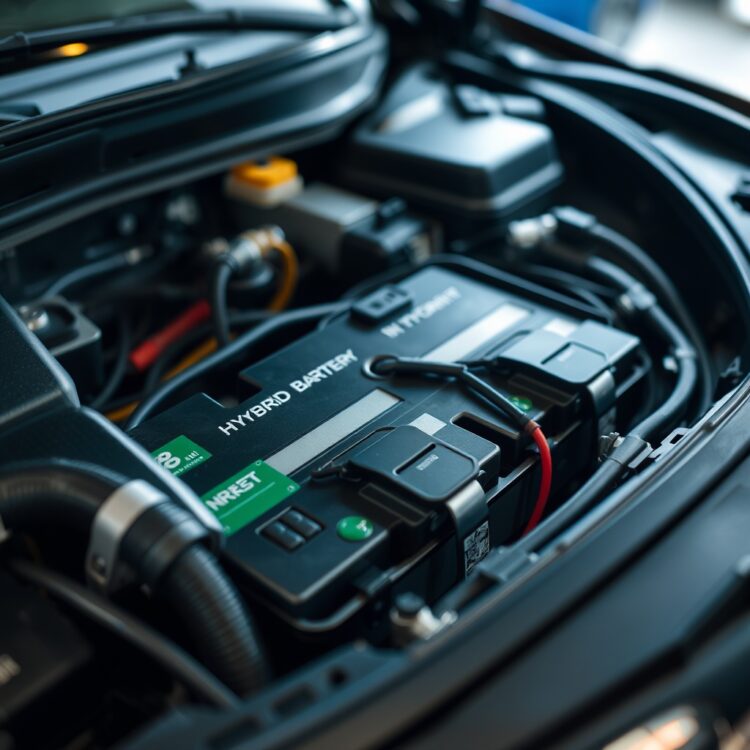
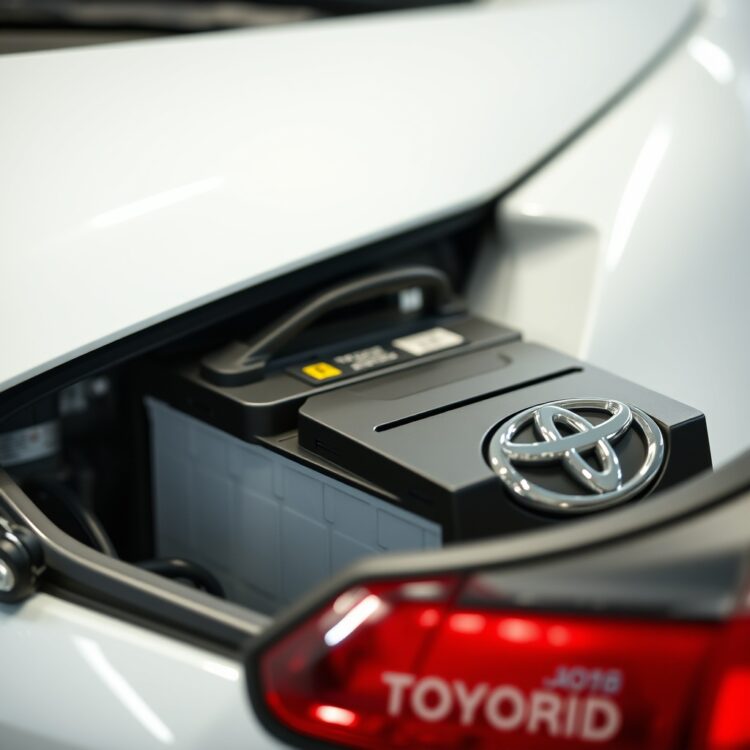
Of course, hybrids do have unique components, like the battery, which can be costly to replace. However, most manufacturers offer lengthy warranties on these parts, providing peace of mind. In my experience, the overall maintenance savings far outweigh any potential battery costs, making hybrids a financially sound choice in the long run.
Fuel Efficiency and Savings
Fuel efficiency is where hybrids truly shine. I’ve been amazed at how much less I spend on petrol compared to my old car. The combination of an electric motor and a petrol engine means that hybrids use significantly less fuel, especially in stop-and-go traffic. For city drivers like me, this efficiency translates into substantial savings at the pump.
Over time, these savings can offset the higher initial purchase price. I’ve calculated that I’m saving hundreds of pounds annually on fuel alone. And with fuel prices continuing to rise, the financial benefits of owning a hybrid are only becoming more compelling. It’s a win-win: I’m saving money while also reducing my environmental impact.
Government Incentives for Hybrid Car Owners
Tax Credits and Rebates
One of the biggest perks of owning a hybrid is the financial incentives offered by the government. When I bought my hybrid, I was pleasantly surprised to learn about the tax credits and rebates available. These incentives are designed to encourage the adoption of eco-friendly vehicles, and they can significantly reduce the overall cost of ownership. For example, the UK government offers reduced road tax for low-emission vehicles, which has saved me a tidy sum each year.
Additionally, some local councils provide grants or discounts for hybrid owners, such as reduced parking fees or exemption from congestion charges. These benefits vary by region, but they’re worth exploring if you’re considering a hybrid. In my case, the savings from these incentives made the decision to switch even easier. It’s a great way to offset the initial investment and enjoy ongoing financial perks.
Other Financial Incentives
Beyond tax credits, there are other financial incentives that make hybrid ownership appealing. Many insurance companies offer lower premiums for hybrid cars, recognising their lower risk profile and reduced environmental impact. I’ve found that my insurance costs are noticeably lower than they were with my previous car, adding to the long-term savings.
Some employers and businesses also provide incentives for hybrid drivers, such as preferential parking or charging stations. If you’re lucky enough to work for a company that supports green initiatives, these perks can further enhance the appeal of owning a hybrid. For me, the combination of government and private-sector incentives has made hybrid ownership not just affordable but also incredibly rewarding.
Performance and Reliability of Hybrid Cars
Acceleration and Power
When I first drove a hybrid, I was pleasantly surprised by its smooth acceleration. Unlike traditional cars, hybrids combine electric and petrol power to deliver instant torque. This means you get a responsive drive, especially in city traffic. While they might not match the raw power of high-performance petrol cars, hybrids offer a balanced experience. The electric motor fills in the gaps, ensuring you never feel underpowered.
One thing I noticed is how hybrids handle uphill drives. The electric motor provides extra push, making steep climbs feel effortless. It’s a testament to how far hybrid technology has come. Whether you’re merging onto a motorway or navigating winding roads, the performance is more than adequate for everyday driving. Plus, the seamless transition between power sources is something you’ll appreciate.
Battery Life and Durability
A common concern I hear is about hybrid battery life. Let me put your mind at ease—modern hybrids are built to last. Most manufacturers offer warranties of up to 8 years or 100,000 miles on their batteries. In my experience, these batteries often outlast the car itself. The key is regular maintenance and avoiding extreme temperatures, which can affect longevity.
I’ve spoken to hybrid owners who’ve clocked over 150,000 miles without battery issues. The technology has evolved to include regenerative braking, which extends battery life by recapturing energy. It’s a clever system that ensures durability. So, if you’re worried about replacing the battery prematurely, rest assured—it’s a rare occurrence.
Comparing Hybrid Cars to Traditional Vehicles
Fuel Consumption Comparison
One of the biggest advantages I’ve found with hybrids is their fuel efficiency. In city driving, hybrids can be up to 50% more efficient than traditional petrol cars. The electric motor handles low-speed driving, reducing fuel consumption significantly. On longer journeys, the petrol engine kicks in, but even then, the overall savings are impressive.
I compared a hybrid to a conventional car on a 100-mile trip, and the hybrid used nearly half the fuel. It’s a game-changer for those who commute daily. The savings add up over time, making hybrids a smart financial choice. Plus, with rising fuel prices, the difference in consumption becomes even more noticeable.
Environmental Benefits Comparison
Beyond fuel savings, hybrids have a smaller environmental footprint. I was amazed to learn that hybrids emit up to 30% fewer greenhouse gases than traditional cars. The reduced reliance on petrol means fewer harmful emissions, contributing to cleaner air. It’s a win-win for your wallet and the planet.
Another aspect I love is the quieter ride. The electric motor operates silently, reducing noise pollution in urban areas. It’s a small but meaningful benefit that enhances the driving experience. When you consider the broader impact, hybrids are a step towards sustainable mobility without compromising performance.
The Future of Hybrid Technology
Innovations on the Horizon
The future of hybrids is incredibly exciting. I’ve been following developments like solid-state batteries, which promise even greater efficiency and longer ranges. These advancements could make hybrids even more appealing. Imagine a car that charges faster, lasts longer, and performs better—it’s not far off.
Another innovation I’m keen on is plug-in hybrids with extended electric-only ranges. These models allow you to drive purely on electricity for longer distances, reducing fuel use further. As charging infrastructure improves, hybrids will become even more versatile. The technology is evolving rapidly, and I can’t wait to see what’s next.
The Role of Hybrids in the Electric Vehicle Market
Hybrids are a bridge to full electrification, and I believe they’ll remain relevant for years. Not everyone is ready to switch to pure electric vehicles, and hybrids offer a practical middle ground. They provide the benefits of electric driving without range anxiety. It’s a balanced approach that suits many drivers.
I’ve seen how hybrids complement the EV market by easing the transition. They’re perfect for those who want to reduce emissions but aren’t ready to go fully electric. As charging networks expand, hybrids will continue to play a vital role in the automotive landscape. They’re not just a stopgap—they’re a smart solution.
How to Choose the Right Hybrid Car for You
Assessing Your Driving Needs
Choosing the right hybrid starts with understanding your driving habits. I always ask myself: Do I mostly drive in the city or on highways? For urban commuters, a standard hybrid is ideal, as it maximises fuel savings in stop-and-go traffic. If you frequently take long trips, a plug-in hybrid might be better, offering extended electric range.
Another factor I consider is parking and charging options. If you have access to a home charger, a plug-in hybrid becomes more convenient. For those without charging facilities, a self-charging hybrid is the way to go. It’s about matching the car to your lifestyle. Take the time to evaluate your needs—it’ll pay off in the long run.
Comparing Models and Features
When comparing hybrids, I look beyond the price tag. Features like regenerative braking, driving modes, and battery warranties matter just as much. I recommend test-driving a few models to get a feel for their performance. Pay attention to how the car handles and how intuitive the controls are.
Don’t forget to check out our automotive blog for detailed reviews. It’s a great resource for comparing specs and real-world experiences. Also, consider reliability ratings and performance benchmarks. And if you’re curious about the latest innovations, this guide offers insights into cutting-edge designs.
For a deeper dive into hybrid technology, check out this external resource. It’s packed with valuable information to help you make an informed decision.
Charging and Fueling Hybrid Cars
Understanding Charging Options
When it comes to hybrid cars, charging options vary depending on the type of hybrid you own. Plug-in hybrids (PHEVs) offer the flexibility of charging at home or public stations, while traditional hybrids rely on regenerative braking and the engine to recharge the battery. I’ve found that investing in a home charger for a PHEV can save time and money, especially if you have off-peak electricity rates. Public charging networks are expanding, but availability can still be hit or miss in some areas. It’s worth checking local infrastructure before committing to a PHEV.
For non-plug-in hybrids, the process is seamless—no need to worry about charging stations. The car handles everything automatically, which is perfect for those who want the benefits of hybrid technology without the hassle of plugging in. We’ve noticed that drivers who cover long distances might prefer traditional hybrids for their convenience, while urban dwellers with shorter commutes could benefit more from PHEVs. Either way, understanding your charging options ensures you make the most of your hybrid’s capabilities.
Maximizing Fuel Efficiency
One of the biggest advantages of hybrid cars is their fuel efficiency, but you can squeeze even more miles out of every tank with a few smart habits. Smooth acceleration and braking help the regenerative system capture more energy, while maintaining a steady speed on highways reduces fuel consumption. I’ve found that using the car’s eco mode, if available, optimises performance for efficiency without sacrificing too much power. Keeping tyres properly inflated and sticking to regular maintenance schedules also plays a crucial role in maximising mileage.
Another tip is to minimise unnecessary weight and avoid roof racks when not in use, as these can drag down efficiency. Hybrids excel in stop-and-go traffic, where their electric motors take over, so planning routes to avoid heavy congestion can further boost savings. We’ve seen drivers achieve impressive fuel economy by combining these practices, proving that a little effort goes a long way. Whether you’re driving a reliable hybrid or a high-performance model, these strategies can help you get the most out of every drop of fuel.
The Resale Value of Hybrid Cars
Factors Affecting Resale Value
Hybrid cars often hold their value better than traditional petrol or diesel models, thanks to their growing popularity and lower running costs. Brand reputation plays a significant role—Toyota and Honda hybrids, for example, tend to depreciate slower due to their proven reliability. Battery health is another critical factor; a well-maintained battery can reassure potential buyers and boost resale prices. I’ve noticed that hybrids with comprehensive service histories and low mileage command higher prices, so keeping detailed records is essential.
Market trends also influence resale value. As demand for eco-friendly vehicles rises, hybrids become more desirable, especially in urban areas with stricter emissions regulations. We’ve seen models like the Toyota Corolla Hybrid retain up to 60% of their value after three years, outperforming many conventional cars. Timing your sale to coincide with peak demand, such as during fuel price spikes, can further maximise your return. Understanding these factors helps you make informed decisions when it’s time to sell or trade in your hybrid.
How Hybrids Compare to Traditional Cars
When comparing resale values, hybrids generally outperform their traditional counterparts, particularly in markets with strong environmental awareness. Diesel cars, for instance, have seen steep depreciation due to emissions scandals and regulatory changes, while hybrids benefit from tax incentives and lower fuel costs. I’ve found that buyers are willing to pay a premium for hybrids, especially if they come with extended battery warranties. This trend is likely to continue as governments push for greener transportation solutions.
That said, not all hybrids are equal. Plug-in hybrids with smaller electric ranges may depreciate faster as technology advances, while full hybrids with robust reputations remain solid investments. We’ve observed that models like the Toyota Prius consistently top resale value charts, proving that longevity and efficiency matter. If you’re considering a hybrid, it’s worth researching which models hold their value best in your region. This foresight can save you thousands when it’s time to upgrade.
Hybrid Cars in Different Climates
Performance in Cold Weather
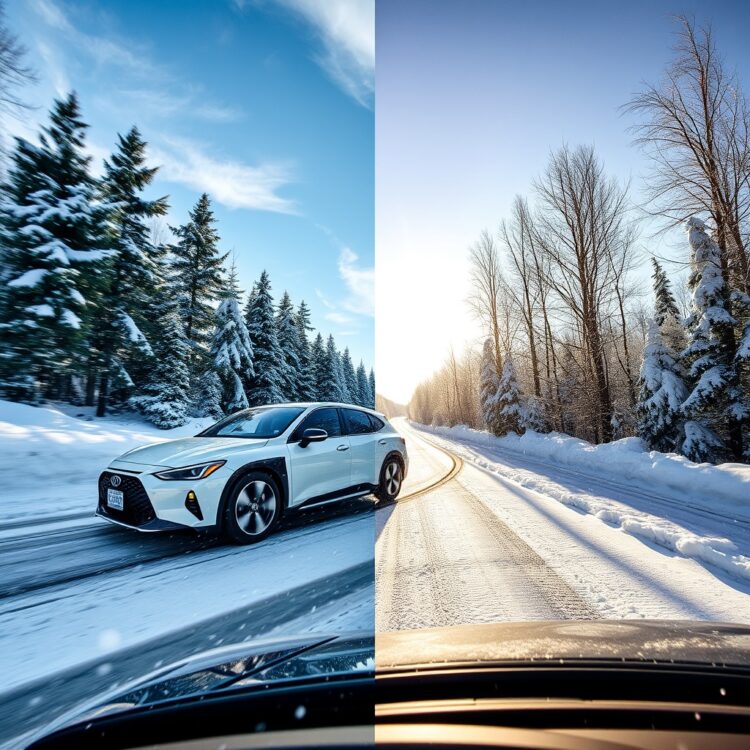
Cold weather can impact hybrid performance, but modern models are designed to handle harsh conditions. Batteries may lose some efficiency in freezing temperatures, reducing electric-only range, but the petrol engine compensates seamlessly. I’ve driven hybrids in snowy conditions and found that regenerative braking systems adapt well, though it’s wise to allow extra stopping distance. Preheating the cabin while plugged in (for PHEVs) can conserve battery power for driving, a trick that’s especially useful in winter.
Another consideration is tyre choice. Winter tyres improve traction and safety, and hybrids benefit just as much as conventional cars. We’ve noticed that drivers in colder climates appreciate the reliability of hybrids, as their dual powertrains provide redundancy if one system is affected by the cold. Regular maintenance, like checking antifreeze levels and keeping the battery charged, ensures optimal performance. While hybrids might not be immune to winter challenges, they’re certainly up to the task with proper preparation.
Performance in Hot Weather
Hybrids excel in hot climates, where their electric components avoid the overheating issues that can plague traditional engines. Air conditioning can drain the battery faster, but the petrol engine kicks in to maintain comfort without straining the system. I’ve found that parking in the shade or using window shades helps keep the interior cool, reducing the need for excessive AC use. Battery cooling systems in modern hybrids are highly effective, ensuring longevity even in scorching temperatures.
One unexpected advantage is that hot weather often improves battery efficiency, unlike cold climates. We’ve seen hybrids achieve better fuel economy in summer, especially during city driving where the electric motor does most of the work. However, it’s still important to monitor battery health and avoid leaving the car parked in extreme heat for extended periods. For those living in warmer regions, hybrids offer a reliable and efficient solution, combining the best of both worlds for year-round driving.
Insurance Costs for Hybrid Cars
Factors Influencing Insurance Rates
When it comes to insuring a hybrid car, several factors come into play. The make and model, your driving history, and even where you live can impact your premiums. Hybrids often have higher initial insurance costs due to their advanced technology and repair expenses. However, their eco-friendly nature can sometimes earn you discounts. We’ve found that comparing quotes is the best way to find a deal that works for you. Don’t settle for the first offer—shop around.
Another key factor is the battery. Insurers may consider the cost of replacing it, which can be pricey. But remember, hybrids are generally safer, with features like regenerative braking, which can lower your risk profile. It’s a balancing act, but one that can pay off in the long run. For more insights, check out our automotive blog.
How to Find the Best Rates
Finding the best insurance rates for your hybrid doesn’t have to be a headache. Start by using comparison websites to get a broad view of what’s available. Look for insurers that specialise in eco-friendly vehicles—they often offer tailored policies. Bundling your home and car insurance can also save you money. We’ve seen drivers save hundreds just by asking for a multi-policy discount.
Don’t forget to ask about green discounts. Some insurers reward hybrid owners for reducing their carbon footprint. And if you’re a low-mileage driver, pay-as-you-go policies might be a perfect fit. For a deeper dive into cost-saving strategies, explore our guide on affordable insurance.
The Role of Hybrid Cars in Urban Environments
Benefits for City Driving
Hybrid cars shine in urban settings, where stop-and-go traffic is the norm. Their regenerative braking systems capture energy that would otherwise be wasted, making them incredibly efficient in city conditions. We’ve noticed that hybrids often outperform traditional cars in fuel economy during urban commutes. Plus, their quieter engines contribute to reducing noise pollution—a win for everyone.
Many cities also offer perks like reduced congestion charges and access to low-emission zones. If you’re a city dweller, these benefits can add up quickly. And let’s not forget the convenience of shorter refuelling stops. For more on urban driving advantages, check out our analysis of popular city cars.
Parking and Accessibility Advantages
Parking in cities can be a nightmare, but hybrids often get a leg up. Some areas offer free or discounted parking for low-emission vehicles. We’ve even seen dedicated hybrid parking spots in busy areas. These small perks can make a big difference in your daily routine. And with their compact designs, many hybrids are easier to manoeuvre in tight spaces.
Accessibility is another plus. Hybrids are increasingly exempt from certain urban restrictions, like diesel bans. This flexibility can save you time and hassle. For tips on navigating city driving, visit our guide to compact cars.
Personal Stories Hybrid Car Owners Share Their Experiences
Long-term Ownership Reviews
Long-term hybrid owners often rave about their vehicles. One driver we spoke to has owned their hybrid for over a decade and still loves it. The savings on fuel and maintenance have been substantial, and the car’s reliability has been impressive. They’ve also appreciated the environmental benefits, knowing they’re doing their part to reduce emissions.
Another owner highlighted the smooth driving experience. The transition between electric and petrol power is seamless, making for a comfortable ride. And with fewer trips to the pump, they’ve saved both time and money. For more real-life stories, explore our community reviews.
Lessons Learned from First-time Hybrid Buyers
First-time hybrid buyers often have a learning curve. One new owner shared that they underestimated the importance of understanding the car’s charging options. But once they got the hang of it, they were hooked. Another learned the value of researching insurance options early on. These lessons can help you avoid common pitfalls.
Many first-time buyers also emphasise the importance of test-driving multiple models. What works for one person might not suit another. And don’t forget to factor in long-term costs—hybrids may have higher upfront prices, but the savings can be significant. For expert advice, check out this comprehensive guide on hybrid cars.
Frequently Asked Questions
Are hybrid cars more expensive to insure?
Hybrid cars can be more expensive to insure initially due to their advanced technology and higher repair costs. However, many insurers offer discounts for eco-friendly vehicles, which can offset the higher premiums. Shopping around and comparing quotes is the best way to find affordable coverage.
Do hybrid cars perform well in cold weather?
Hybrid cars can experience reduced battery efficiency in cold weather, but modern models are designed to handle these conditions. Preheating the cabin while plugged in can help maintain performance. Overall, hybrids remain a reliable choice year-round, even in colder climates.
How long do hybrid car batteries last?
Most hybrid car batteries last between 8 to 15 years, depending on usage and maintenance. Many manufacturers offer warranties of up to 10 years, providing peace of mind. Proper care, like avoiding extreme temperatures, can extend the battery’s lifespan.
Are hybrid cars worth the investment?
Hybrid cars can be a worthwhile investment, especially for city drivers. The savings on fuel and maintenance, combined with potential tax incentives, often outweigh the higher upfront cost. Over time, the environmental and financial benefits make hybrids a smart choice for many drivers.