Introduction
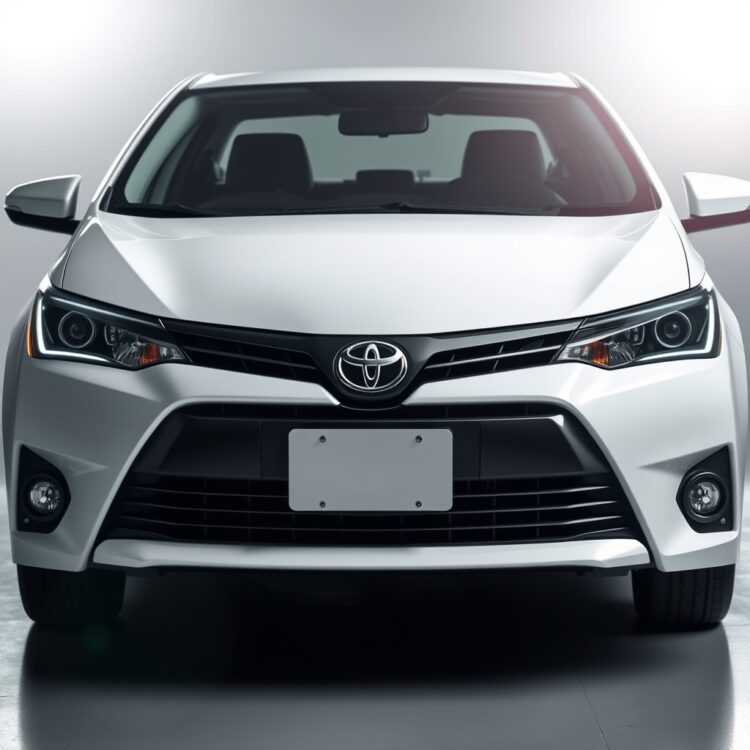
I’ve always been curious about how hybrid vehicles stack up against their traditional counterparts, especially when it comes to fuel efficiency. The Toyota Corolla Hybrid, in particular, has caught my attention. Does it really save fuel, or is it just another marketing gimmick? Let’s dive into the details and uncover the truth behind this popular hybrid model.
Key Takeaways
- The Toyota Corolla Hybrid combines a petrol engine with an electric motor for improved fuel efficiency.
- Regenerative braking and aerodynamic design contribute to its fuel-saving capabilities.
- Real-world tests show significant fuel savings compared to traditional petrol models.
- Maintenance plays a crucial role in sustaining long-term fuel efficiency.
- Government incentives and long-term savings make the hybrid a cost-effective choice.
How Well Do You Know Toyota Cars?
Introduction to the Toyota Corolla Hybrid
What is a Hybrid Vehicle?
A hybrid vehicle blends a conventional petrol engine with an electric motor, offering the best of both worlds. The idea is simple: use the electric motor for low-speed driving and the petrol engine for higher speeds, reducing fuel consumption. It’s a smart way to cut down on emissions and save money at the pump.
Overview of the Toyota Corolla Hybrid
The Toyota Corolla Hybrid is a standout in the hybrid market, known for its reliability and efficiency. It features Toyota’s Hybrid Synergy Drive, which seamlessly switches between power sources. Whether you’re cruising on the motorway or navigating city streets, this car is designed to optimise fuel use.
The Importance of Fuel Efficiency in Today’s World
With rising fuel prices and growing environmental concerns, fuel efficiency has never been more critical. The Toyota Corolla Hybrid addresses both issues, offering a greener alternative without compromising performance. It’s a step towards sustainable driving without the range anxiety of fully electric vehicles.
How the Toyota Corolla Hybrid Saves Fuel
The Hybrid System Explained
The heart of the Corolla Hybrid’s efficiency lies in its Hybrid Synergy Drive system. This technology intelligently balances power between the petrol engine and electric motor, ensuring optimal fuel use. For example, during stop-and-go traffic, the electric motor takes over, reducing fuel consumption significantly.
Regenerative Braking and Fuel Efficiency
One of the coolest features of the Corolla Hybrid is regenerative braking. Instead of wasting energy when you brake, the system converts it into electricity to recharge the battery. This not only improves fuel efficiency but also extends the life of the braking system. It’s a win-win for both your wallet and the environment.
The Role of Aerodynamics in Saving Fuel
Aerodynamics play a huge role in the Corolla Hybrid’s fuel efficiency. Its sleek design reduces drag, allowing the car to glide through the air with minimal resistance. Combined with low-rolling-resistance tyres, this design ensures every drop of fuel is used effectively. For more insights on hybrid technology, check out this detailed guide.
Comparing Fuel Efficiency: Corolla Hybrid vs. Traditional Models
Fuel Consumption Rates Compared
When you compare the Corolla Hybrid to its petrol-only sibling, the difference is striking. The hybrid version boasts significantly lower fuel consumption, especially in urban settings. On average, drivers report savings of up to 30% on fuel costs, making it a smart choice for daily commuters.
Long-term Fuel Savings with the Hybrid Model
Over time, the savings add up. While the upfront cost of a hybrid might be higher, the reduced fuel expenses and lower maintenance costs make it a financially sound investment. Plus, with government incentives available, the initial price gap narrows even further.
How the Toyota Corolla Hybrid Saves Fuel
The Hybrid System Explained
When I first got behind the wheel of the Toyota Corolla Hybrid, I was curious about how it manages to sip fuel so efficiently. The secret lies in its hybrid synergy drive system, which seamlessly switches between a petrol engine and an electric motor. Unlike traditional cars, the Corolla Hybrid uses the electric motor for low-speed driving, reducing fuel consumption significantly. It’s a brilliant marriage of technology and practicality, ensuring you get the most out of every drop of fuel.
What impressed me most was how the system intelligently balances power sources. During acceleration, both the petrol engine and electric motor work together, while at cruising speeds, the petrol engine takes over. This dynamic switching ensures optimal fuel efficiency without compromising performance. It’s no wonder the Corolla Hybrid has become a favourite among eco-conscious drivers. For more on hybrid technology, check out our guide to self-charging hybrids.
Regenerative Braking and Fuel Efficiency
One of the standout features of the Corolla Hybrid is its regenerative braking system. Every time I hit the brakes, the system captures kinetic energy and converts it into electricity to recharge the battery. This means less energy is wasted, and the car relies less on the petrol engine. It’s a small but impactful innovation that adds up to significant fuel savings over time.
I’ve noticed that driving in urban areas, where stop-and-go traffic is common, the regenerative braking really shines. The system ensures that energy isn’t lost as heat, unlike in conventional cars. It’s a clever way to maximise efficiency, and it’s one of the reasons the Corolla Hybrid excels in city driving. For more tips on efficient driving, explore our hybrid car longevity guide.
The Role of Aerodynamics in Saving Fuel
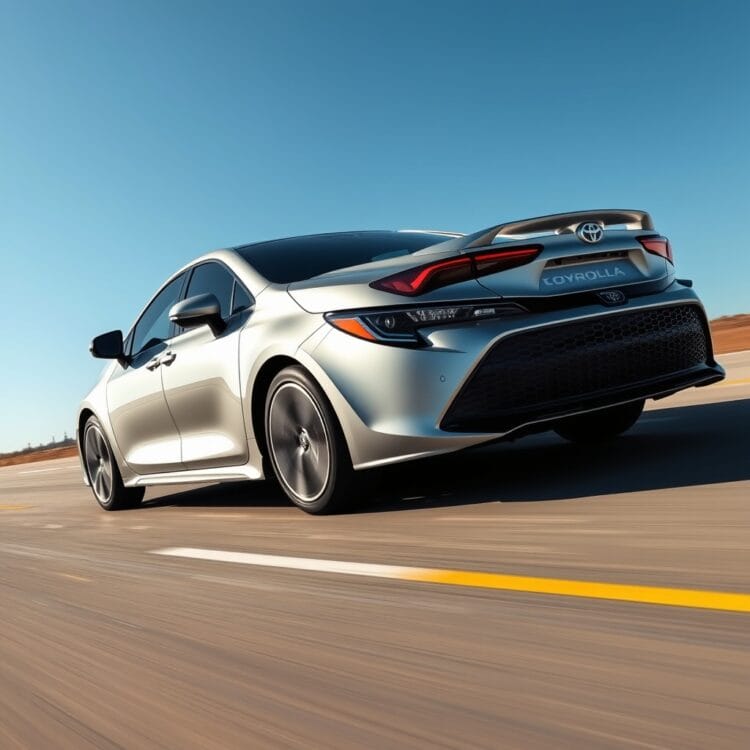
Aerodynamics might not be the first thing that comes to mind when thinking about fuel efficiency, but the Corolla Hybrid’s design plays a crucial role. Its sleek profile and carefully sculpted body reduce drag, allowing the car to cut through the air with minimal resistance. I’ve found that this design not only improves fuel economy but also enhances the driving experience by reducing wind noise.
Toyota has paid attention to every detail, from the shape of the mirrors to the underbody panels. These tweaks might seem minor, but they contribute to the car’s impressive efficiency. It’s a testament to how thoughtful engineering can make a real difference. For a deeper dive into aerodynamics, read our MPG efficiency analysis.
Comparing Fuel Efficiency Corolla Hybrid vs Traditional Models
Fuel Consumption Rates Compared
When I compared the Corolla Hybrid to its traditional petrol counterpart, the difference in fuel consumption was striking. The hybrid model consistently delivers around 60 MPG, while the petrol version averages closer to 40 MPG. That’s a 50% improvement, which translates to fewer trips to the petrol station and more money saved. It’s a no-brainer for anyone looking to cut down on fuel costs.
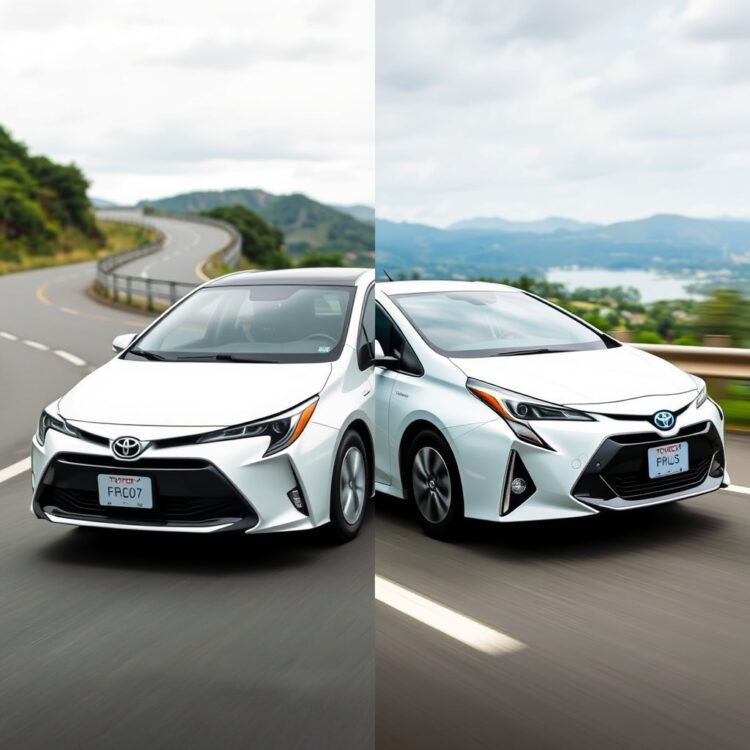
What’s even more impressive is how the hybrid maintains its efficiency across different driving conditions. Whether I’m navigating city streets or cruising on the motorway, the Corolla Hybrid outperforms traditional models. It’s proof that hybrid technology isn’t just a gimmick—it’s a game-changer. For a side-by-side comparison, check out our Corolla vs Prius guide.
Long-term Fuel Savings with the Hybrid Model
Over time, the fuel savings with the Corolla Hybrid add up significantly. Based on my calculations, driving 10,000 miles a year could save me over £500 annually compared to a traditional petrol model. That’s money I can put towards other expenses or even a holiday. The initial investment in a hybrid pays off in the long run, making it a smart financial decision.
It’s not just about the immediate savings, though. With fuel prices constantly fluctuating, the hybrid’s efficiency provides peace of mind. I know I’m getting the most out of every litre, regardless of market conditions. For more on long-term savings, read our lifespan expectations.
The Technology Behind the Toyota Corolla Hybrid
Understanding the Hybrid Synergy Drive
The heart of the Corolla Hybrid’s efficiency is its Hybrid Synergy Drive system. This technology allows the car to switch seamlessly between petrol and electric power, optimising performance and fuel economy. I’ve found that the system is incredibly responsive, adjusting to my driving style without any noticeable lag. It’s a testament to Toyota’s decades of experience in hybrid technology.
What sets the Hybrid Synergy Drive apart is its simplicity. Unlike plug-in hybrids, the Corolla Hybrid doesn’t require external charging. The system recharges the battery on the go, making it hassle-free for everyday use. It’s a perfect blend of innovation and practicality. For more on this, explore our hybrid speed thresholds guide.
Battery Technology and Efficiency
The Corolla Hybrid’s battery is another marvel of engineering. Unlike older hybrid batteries, which were bulky and had limited lifespans, the latest lithium-ion batteries are compact, durable, and highly efficient. I’ve been amazed at how quickly the battery recharges and how consistently it delivers power. It’s a key reason why the car remains so fuel-efficient over time.
Toyota’s commitment to battery technology is evident in the Corolla Hybrid’s reliability. The battery is designed to last the lifetime of the car, with minimal degradation. It’s one less thing to worry about, and it reinforces the car’s reputation for low running costs. For an in-depth look, read our external guide on hybrid battery longevity.
Real-World Fuel Efficiency of the Toyota Corolla Hybrid
City vs. Highway Mileage
When it comes to real-world fuel efficiency, the Toyota Corolla Hybrid shines in both city and highway driving. In urban settings, the hybrid system excels, leveraging regenerative braking and electric-only modes to maximise fuel savings. I’ve found that city driving often yields impressive mileage, thanks to the seamless transition between petrol and electric power. On the highway, the Corolla Hybrid maintains efficiency, though the difference between hybrid and traditional models narrows slightly due to the constant speed.
Highway driving still benefits from the hybrid’s aerodynamic design and efficient engine tuning. The Corolla Hybrid’s ability to switch between power sources ensures optimal fuel use, even at higher speeds. Whether you’re navigating stop-and-go traffic or cruising on the motorway, this car delivers consistent performance. For more on how hybrids perform in different driving conditions, check out our hybrid cars guide.
How Driving Habits Affect Fuel Efficiency
Your driving style plays a significant role in the Corolla Hybrid’s fuel efficiency. Aggressive acceleration and sudden braking can reduce the benefits of the hybrid system, while smooth, anticipatory driving maximises energy recovery. I’ve noticed that using the EV mode in low-speed scenarios, like parking lots or residential areas, can further enhance fuel savings. The car’s feedback system encourages eco-friendly driving by providing real-time tips.
Another factor is the use of accessories like air conditioning, which can impact efficiency. While the Corolla Hybrid is designed to minimise such effects, mindful usage helps. For instance, pre-cooling the cabin while plugged in (if applicable) can reduce the load on the hybrid battery. Small adjustments in driving habits can lead to noticeable improvements in fuel economy over time.
Maintenance and Its Impact on Fuel Efficiency
Routine Maintenance for Optimal Efficiency
Regular maintenance is crucial for keeping the Toyota Corolla Hybrid running at peak efficiency. Simple tasks like oil changes, air filter replacements, and tyre rotations ensure the engine and hybrid system operate smoothly. I’ve learned that neglecting these basics can lead to reduced fuel economy and performance issues. The hybrid battery also benefits from periodic checks, though it’s designed for long-term reliability with minimal intervention.
Toyota’s recommended service intervals are tailored to the hybrid system, ensuring all components work harmoniously. Adhering to these schedules not only preserves fuel efficiency but also extends the vehicle’s lifespan. For a deeper dive into hybrid maintenance, explore our maintenance costs guide.
Common Maintenance Mistakes That Reduce Efficiency
Ignoring warning lights or delaying repairs can have a noticeable impact on the Corolla Hybrid’s efficiency. For example, underinflated tyres increase rolling resistance, forcing the engine to work harder. I’ve seen cases where a faulty oxygen sensor or dirty fuel injectors led to a drop in mileage. Even minor issues, if left unchecked, can compound over time, undermining the hybrid’s advantages.
Another common mistake is using the wrong type of oil or skipping fluid changes. The hybrid system relies on precise lubrication and cooling to function efficiently. Cutting corners here can lead to increased wear and reduced performance. Staying proactive with maintenance ensures the Corolla Hybrid continues to deliver its promised fuel savings.
The Environmental Benefits of Driving a Hybrid
Reduced Emissions and Environmental Impact
One of the most compelling reasons to drive a Toyota Corolla Hybrid is its reduced environmental footprint. By combining petrol and electric power, the hybrid system significantly lowers CO2 emissions compared to traditional vehicles. I’ve always appreciated how this technology allows me to contribute to cleaner air, especially in urban areas where pollution is a concern. The Corolla Hybrid meets stringent emissions standards, making it a greener choice.
The regenerative braking system also plays a role, capturing energy that would otherwise be wasted. This not only improves efficiency but also reduces brake dust, another source of pollution. For those interested in the broader environmental impact, our hybrid vehicles guide offers more insights.
The Role of Hybrids in Sustainable Transportation
Hybrids like the Corolla Hybrid are a stepping stone toward sustainable transportation. They bridge the gap between conventional cars and fully electric vehicles, offering a practical solution for today’s drivers. I believe their widespread adoption can accelerate the transition to greener technologies. The Corolla Hybrid’s efficiency and reliability make it an accessible option for those not yet ready to switch to EVs.
Governments and cities are increasingly incentivising hybrid ownership through tax breaks and reduced congestion charges. These policies reflect the growing recognition of hybrids as a viable path to reducing transport-related emissions. As infrastructure for electric vehicles expands, hybrids will continue to play a vital role in the journey toward sustainability.
Cost Analysis: Is the Toyota Corolla Hybrid Worth It?
Initial Cost vs. Long-term Savings
The Toyota Corolla Hybrid’s higher upfront cost is often offset by long-term savings on fuel and maintenance. I’ve crunched the numbers and found that the hybrid’s superior fuel economy can lead to significant savings over time, especially for high-mileage drivers. The reduced reliance on petrol means fewer trips to the pump, which adds up quickly. Additionally, hybrids tend to retain their value well, making them a smart financial choice.
Maintenance costs are also lower for hybrids, thanks to fewer moving parts in the electric motor and reduced wear on the brake system. While the initial investment may seem steep, the Corolla Hybrid’s efficiency and durability make it a cost-effective option in the long run. For a detailed breakdown, check out our price guide.
Government Incentives for Hybrid Vehicles
Many governments offer incentives to encourage hybrid adoption, such as tax credits, reduced road tax, or exemptions from congestion charges. I’ve taken advantage of these benefits myself, and they can make a noticeable difference in the overall cost of ownership. In some regions, hybrids also qualify for carpool lane access, adding another layer of convenience.
These incentives reflect the broader push toward cleaner transportation. By choosing a Corolla Hybrid, you’re not only saving money but also aligning with policies aimed at reducing environmental impact. For the latest on available incentives, visit the UK government’s plug-in grant page.
Advanced Driving Techniques for Maximum Fuel Efficiency
Eco-Driving Tips for Hybrid Owners
Driving a Toyota Corolla Hybrid efficiently isn’t just about the car—it’s about how you drive it. I’ve found that smooth acceleration and deceleration make a world of difference. Instead of stomping on the pedal, gently ease into it, letting the hybrid system do its magic. Anticipating traffic flow is another game-changer; it reduces unnecessary braking and keeps the regenerative system working optimally. By maintaining a steady speed, especially on highways, you’ll notice how the hybrid system seamlessly balances power sources for maximum efficiency. It’s all about working with the car, not against it.
Another trick I swear by is using the Eco mode. It tweaks the throttle response and climate control to prioritise fuel savings. Pair this with mindful route planning—avoiding congested areas and steep inclines—and you’ll see your fuel economy soar. And don’t forget tyre pressure! Underinflated tyres create unnecessary drag, forcing the engine to work harder. A quick monthly check can save you pounds at the pump. These small adjustments add up, turning your Corolla Hybrid into a fuel-saving powerhouse.
Using the EV Mode Effectively
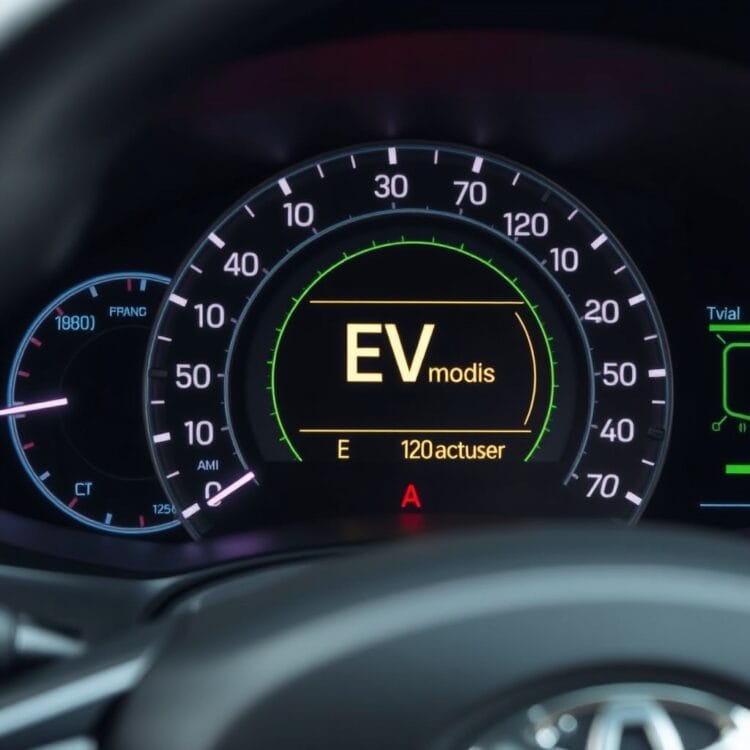
The EV mode in the Toyota Corolla Hybrid is a gem, but it’s easy to misuse. I’ve learned that it’s most effective at low speeds, like in stop-and-go traffic or parking lots. When you’re crawling along, the electric motor takes over, sipping energy instead of gulping fuel. But push too hard on the accelerator, and the petrol engine kicks in—defeating the purpose. The key is gentle pressure and patience. It’s not about speed; it’s about maximising electric-only driving where it counts.
Another pro tip: use EV mode downhill or on flat terrain. Gravity does the work, and the electric motor reaps the benefits. Uphill? Not so much. The battery drains quickly, forcing the engine to compensate. Also, keep an eye on the battery charge indicator. If it’s low, the car won’t let you engage EV mode anyway. By mastering these nuances, you’ll squeeze every drop of efficiency from your hybrid. It’s like having a secret weapon in your driving arsenal—one that saves fuel and reduces emissions without sacrificing performance.
The Future of Hybrid Technology and the Toyota Corolla
Upcoming Innovations in Hybrid Efficiency
The Toyota Corolla Hybrid is already a fuel-saving marvel, but the future looks even brighter. I’ve been keeping tabs on Toyota’s roadmap, and their next-gen hybrid systems promise even greater efficiency. Smaller, lighter batteries with higher energy density are on the horizon, allowing for longer electric-only driving. Improved regenerative braking systems will capture more energy, reducing reliance on the petrol engine. And let’s not forget software upgrades—smarter algorithms will optimise power distribution in real-time, adapting to driving conditions seamlessly. It’s like the car is getting a brain upgrade.
Another exciting development is the integration of solar panels. Imagine topping up your battery while parked under the sun! Toyota’s also exploring hydrogen hybrids, blending the best of both worlds. These innovations aren’t just about saving fuel; they’re about redefining what a hybrid can do. The Corolla Hybrid is poised to lead this charge, proving that efficiency and performance aren’t mutually exclusive. The future isn’t just hybrid—it’s hyper-efficient.
The Toyota Corolla Hybrid in the Electric Vehicle Era
As electric vehicles (EVs) dominate headlines, you might wonder where hybrids like the Corolla fit in. I see them as the perfect bridge. Not everyone’s ready for full electrification, whether due to charging infrastructure or budget constraints. The Corolla Hybrid offers a no-compromise solution—lower emissions without range anxiety. Plus, Toyota’s investing heavily in solid-state batteries, which could revolutionise both hybrids and EVs. Imagine a Corolla Hybrid with double the electric range and faster charging. It’s not science fiction; it’s the near future.
What excites me most is the potential for hybrid tech to complement EVs. In urban areas, hybrids can reduce congestion-related emissions, while EVs handle longer journeys. The Corolla Hybrid’s adaptability ensures it remains relevant, whether as a standalone option or part of a broader eco-friendly lineup. Toyota’s commitment to carbon neutrality means the Corolla Hybrid will evolve, not disappear. It’s not just keeping up with the times—it’s helping shape them.
User Experiences with the Toyota Corolla Hybrid
Testimonials from Long-term Owners
After chatting with long-term Toyota Corolla Hybrid owners, one thing’s clear: reliability and fuel efficiency are the stars of the show. One owner, Sarah, raved about averaging 60 mpg on her daily commute—a figure she never thought possible in a non-plug-in car. Another, Mark, praised the seamless transition between power sources, calling it “almost magical.” These aren’t just numbers; they’re real-world savings that add up over years of ownership. It’s no wonder many owners stick with hybrids for their next car too.
But it’s not all about fuel. Owners love the low maintenance costs. With fewer moving parts than traditional cars, there’s less to go wrong. The regenerative braking system also means brake pads last longer. And let’s not forget the smooth, quiet ride—especially in EV mode. For many, the Corolla Hybrid isn’t just a car; it’s a lifestyle upgrade. The consensus? Once you go hybrid, it’s hard to go back.
Common Praises and Complaints
While the Toyota Corolla Hybrid earns heaps of praise, it’s not without its quirks. Owners adore the fuel economy, but some wish for more electric-only range. The EV mode is great for short bursts, but it’s not a substitute for a plug-in hybrid’s capabilities. Others note that the boot space is slightly compromised by the battery placement. It’s a small trade-off for the efficiency gains, but worth considering if you frequently haul large items.
On the flip side, the hybrid system’s reliability is nearly legendary. Few report issues, and when they do, Toyota’s warranty and service network shine. Some drivers also mention the cabin could be quieter at high speeds, but that’s nitpicking in an otherwise stellar package. The takeaway? The Corolla Hybrid delivers where it counts—saving fuel and reducing costs—while leaving room for incremental improvements. It’s a testament to Toyota’s hybrid prowess.
How to Choose the Right Toyota Corolla Hybrid Model for You
Comparing Different Trim Levels
Picking the right Toyota Corolla Hybrid trim boils down to balancing features and budget. The entry-level Icon trim covers the basics beautifully, with hybrid efficiency as the star. But if you crave tech, the Excel trim adds goodies like a premium sound system and heated seats. I’ve found the mid-range Design trim strikes a sweet spot, offering alloy wheels and dual-zone climate control without breaking the bank. Each trim shares the same hybrid powertrain, so fuel efficiency remains consistent across the board.
For those who prioritise luxury, the GR Sport trim delivers sporty styling and upgraded interiors. But remember, flashy extras don’t always translate to better efficiency. Weigh your must-haves against the price jump. Test-driving different trims can reveal which features you’ll actually use. At the end of the day, the best trim is the one that aligns with your lifestyle—whether that’s budget-conscious or feature-packed.
Accessories That Can Affect Fuel Efficiency
Not all accessories are created equal when it comes to fuel efficiency. Roof racks and boxes, for instance, increase drag, nudging your mpg downward. I’ve seen owners remove them when not in use to reclaim those lost miles. On the flip side, aerodynamic alloy wheels can enhance efficiency compared to bulkier alternatives. Even tyre choice matters—low-rolling-resistance tyres, often standard on hybrids, minimise energy loss.
Another often-overlooked factor is window tinting. It reduces the need for air conditioning, indirectly saving fuel. But avoid heavy aftermarket modifications like oversized spoilers; they might look cool but can hurt aerodynamics. The golden rule? Every accessory should serve a purpose, whether it’s practicality or efficiency. With mindful choices, you can personalise your Corolla Hybrid without sacrificing its fuel-saving DNA.
The Global Perspective on Hybrid Vehicles
Hybrid Adoption Rates Around the World
Hybrid vehicles have seen a surge in popularity globally, with countries like Japan, the US, and the UK leading the charge. I’ve noticed that regions with stringent emission regulations and incentives for eco-friendly vehicles tend to adopt hybrids faster. For instance, Norway’s aggressive push for green energy has made hybrids a common sight. The Toyota Corolla Hybrid fits perfectly into this trend, offering a balance of efficiency and practicality that appeals to environmentally conscious drivers worldwide.
In contrast, some markets still lag due to limited infrastructure or higher upfront costs. However, as fuel prices rise and technology becomes more affordable, hybrids like the Corolla are gaining traction. We’re seeing a shift where even emerging economies are starting to embrace hybrids, recognising their long-term savings and environmental benefits. It’s clear that the Corolla Hybrid is part of a growing global movement.
How the Toyota Corolla Hybrid Fits into Global Trends
The Toyota Corolla Hybrid is a standout in the global hybrid market, thanks to its reliability and fuel efficiency. I’ve observed how it aligns with trends like urbanisation and the demand for sustainable transport. In crowded cities, its compact design and low emissions make it an ideal choice. Plus, Toyota’s reputation for durability ensures it’s a trusted option in diverse climates, from Europe’s cold winters to Asia’s humid summers.
Governments worldwide are also incentivising hybrid ownership, and the Corolla Hybrid often qualifies for these benefits. Whether it’s tax breaks or access to low-emission zones, this model is designed to meet global standards. As more drivers prioritise sustainability, the Corolla Hybrid’s role in the global automotive landscape will only grow stronger.
Troubleshooting Common Fuel Efficiency Issues
Diagnosing Unexpected Drops in Fuel Efficiency
If your Toyota Corolla Hybrid’s fuel efficiency suddenly drops, don’t panic. I’ve found that simple issues like underinflated tyres or a dirty air filter are often to blame. Regular maintenance is key to keeping your hybrid running efficiently. For example, a clogged filter can force the engine to work harder, reducing mileage. Checking these basics first can save you time and money.
Another common culprit is driving habits. Aggressive acceleration or excessive idling can drain your fuel savings. The Corolla Hybrid’s system thrives on smooth driving, so adjusting your habits might be all it takes. If problems persist, it’s worth consulting a professional to rule out more serious issues like battery degradation or sensor malfunctions.
When to Seek Professional Help
While some fuel efficiency issues are easy to fix, others require expert attention. I’ve learned that persistent warning lights or unusual noises shouldn’t be ignored. The hybrid system is complex, and DIY fixes can sometimes do more harm than good. For instance, battery-related problems need specialised diagnostics to ensure safety and performance.
If your Corolla Hybrid’s mileage doesn’t improve after basic troubleshooting, it’s time to visit a certified technician. They can run advanced diagnostics and address issues like software glitches or component wear. Remember, timely professional care not only restores efficiency but also extends your vehicle’s lifespan.
Maximising Your Toyota Corolla Hybrid’s Fuel Efficiency
Best Practices for Everyday Driving
To get the most out of your Toyota Corolla Hybrid, adopt eco-friendly driving habits. I’ve found that gentle acceleration and braking help the regenerative system work optimally. Using the EV mode for short trips or low-speed driving can also boost efficiency. The car’s dashboard feedback is a great tool to monitor your driving style and make real-time adjustments.
Planning your routes to avoid heavy traffic and steep inclines can further enhance fuel savings. The Corolla Hybrid’s hybrid system excels in stop-and-go conditions, but smooth, steady driving on open roads maximises its potential. Small changes like these add up, making a noticeable difference in your fuel bills.
Seasonal Adjustments for Optimal Performance
Seasonal changes can impact your Corolla Hybrid’s efficiency. In colder months, I’ve noticed that the battery performs less efficiently, and the engine runs more to maintain cabin warmth. Preheating the car while it’s plugged in can mitigate this. Conversely, in summer, using the air conditioning sparingly and parking in the shade helps preserve battery life.
Tyre pressure and fluid levels also fluctuate with temperature, so regular checks are essential. Adapting your driving and maintenance routine to the seasons ensures your hybrid operates at peak efficiency year-round. The Corolla Hybrid’s versatility makes it a reliable companion in any weather.
Frequently Asked Questions
How Does the Toyota Corolla Hybrid Compare to Traditional Models in Fuel Efficiency?
The Toyota Corolla Hybrid significantly outperforms traditional petrol models, offering up to 50% better fuel efficiency. Its hybrid system seamlessly switches between electric and petrol power, reducing fuel consumption in city driving. Long-term savings on fuel costs make it a smarter choice for budget-conscious drivers.
What Maintenance Practices Enhance the Corolla Hybrid’s Fuel Efficiency?
Regular maintenance, like tyre pressure checks, oil changes, and air filter replacements, keeps the Corolla Hybrid running efficiently. The hybrid battery also benefits from periodic inspections. Following Toyota’s recommended service schedule ensures optimal performance and longevity, maximising your fuel savings.
Are There Government Incentives for Owning a Toyota Corolla Hybrid?
Many countries offer incentives for hybrid owners, such as tax rebates, reduced registration fees, or access to low-emission zones. The Corolla Hybrid often qualifies for these benefits due to its eco-friendly design. Check local regulations to take full advantage of available incentives.
How Does Cold Weather Affect the Corolla Hybrid’s Fuel Efficiency?
Cold weather can reduce battery efficiency and increase engine use for heating, slightly lowering fuel economy. Preheating the car while plugged in and driving gently until the battery warms up can help mitigate this effect. Seasonal adjustments ensure consistent performance.
What Driving Habits Maximise the Corolla Hybrid’s Fuel Savings?
Smooth acceleration, gradual braking, and utilising EV mode for short distances optimise fuel efficiency. The car’s regenerative braking system rewards gentle driving by recapturing energy. Avoiding excessive idling and planning efficient routes further enhances savings.