Understanding Toyota Hybrid Technology
The Basics of Hybrid Electric Vehicles (HEVs)
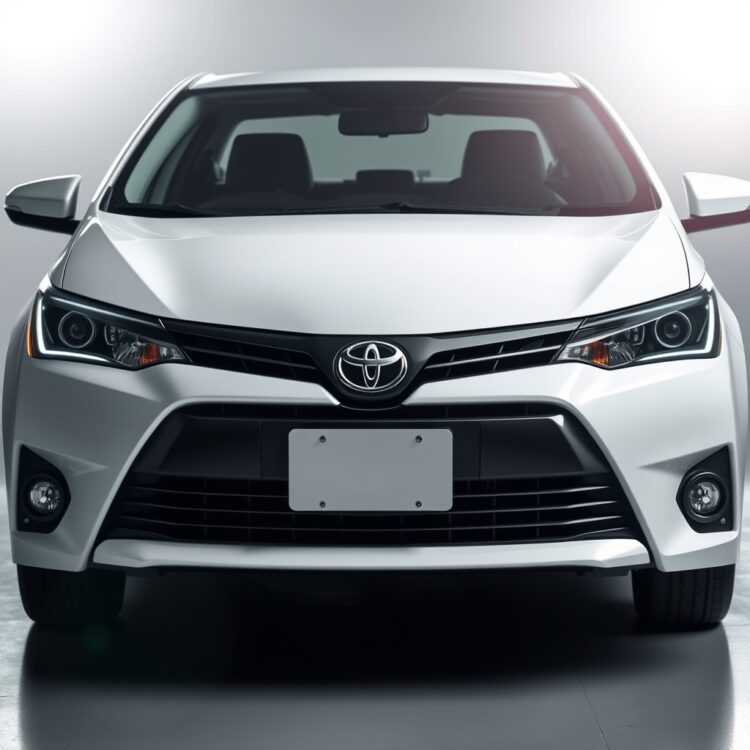
When I first started exploring hybrid technology, I was fascinated by how seamlessly Toyota combines petrol engines with electric motors. Hybrid Electric Vehicles (HEVs) like those from Toyota don’t need plugging in—they recharge their batteries through regenerative braking and the engine itself. It’s a brilliant system that maximises efficiency without the hassle of external charging. For anyone new to hybrids, this is the foundation of how they work.
What sets Toyota apart is its decades of refinement in hybrid tech. Their system intelligently switches between petrol and electric power, ensuring optimal performance and fuel economy. Whether you’re cruising on the motorway or navigating city streets, the transition is so smooth you’ll hardly notice it. It’s this reliability that makes Toyota hybrids a top choice for drivers worldwide.
How Well Do You Know Toyota Cars?
How Toyota Hybrids Differ from Other Hybrids
Not all hybrids are created equal, and Toyota’s approach stands out for its simplicity and effectiveness. Unlike plug-in hybrids or fully electric vehicles, Toyota’s self-charging hybrids eliminate range anxiety. You don’t need to hunt for charging stations—just fill up with petrol and go. This makes them ideal for drivers who want eco-friendly benefits without changing their habits.
Another key difference is Toyota’s focus on durability. Their hybrid batteries are designed to last, often outliving the car itself. If you’re curious about the longevity of hybrid technology, check out this detailed guide on hybrid durability. It’s a testament to Toyota’s engineering prowess and commitment to sustainability.
The Role of Electric-Only Mode in Toyota Hybrids
One of the most exciting features of Toyota hybrids is their electric-only mode. At low speeds or when coasting, the car can run purely on electric power, reducing emissions and fuel consumption. It’s a small but impactful way to cut your carbon footprint without sacrificing performance. For city driving, this mode is a game-changer.
However, the electric-only range is limited—typically just a mile or two. This is where Toyota’s hybrid system shines, seamlessly switching to petrol when needed. If you’re interested in maximising your electric-only driving, this article on hybrid efficiency offers some great tips. It’s all about finding the right balance for your driving style.
The Electric-Only Range of Toyota Hybrids
What Determines the Electric-Only Range
When I first got behind the wheel of a Toyota hybrid, I was curious about how far it could go on electric power alone. The electric-only range isn’t just a fixed number—it’s influenced by several factors. The battery’s state of charge, driving conditions, and even the weather play a role. Toyota’s hybrid system is designed to optimise energy use, but understanding these variables helps us make the most of it. For instance, gentle acceleration and smooth braking can extend the electric-only distance significantly.
Another key factor is the hybrid system’s programming. Toyota’s engineers have fine-tuned the transition between electric and petrol power to maximise efficiency. The car’s computer constantly monitors driving patterns and adjusts accordingly. This means the electric-only range can vary depending on whether you’re cruising on a motorway or navigating city streets. It’s a dynamic system, and that’s what makes it so effective.
Comparing Electric-Only Ranges Across Toyota Models
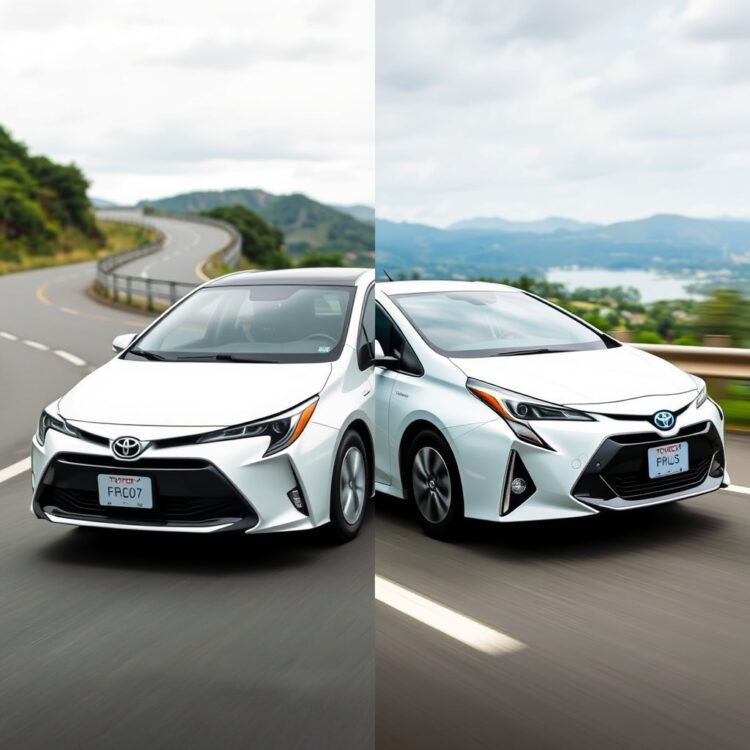
Not all Toyota hybrids are created equal when it comes to electric-only range. The Toyota Corolla Hybrid, for example, offers a modest electric-only distance, perfect for urban commuting. On the other hand, the Prius, with its larger battery, can go further on electric power alone. It’s fascinating to see how each model is tailored to different driving needs. The RAV4 Hybrid, with its SUV design, balances electric range with the power needed for heavier loads.
I’ve found that the differences between models highlight Toyota’s versatility. Whether you prioritise fuel efficiency or performance, there’s a hybrid for you. The Toyota Corolla Hybrid is a great all-rounder, while the Prius leans more towards eco-friendly driving. It’s all about choosing the right tool for the job, and Toyota’s lineup makes that easy.
Factors Affecting Electric-Only Distance
Battery Size and Capacity
The heart of any hybrid’s electric-only range is its battery. Toyota hybrids use nickel-metal hydride or lithium-ion batteries, each with its own strengths. Larger batteries, like those in the Prius, store more energy, allowing for longer electric-only drives. However, battery size isn’t the only factor—efficiency matters just as much. Toyota’s systems are designed to squeeze every last watt of energy from the battery, ensuring optimal performance.
I’ve noticed that battery technology has come a long way. Modern Toyota hybrids are more efficient than ever, thanks to advancements in battery management. The system intelligently balances charging and discharging to prolong battery life. This means even smaller batteries can deliver impressive electric-only ranges, especially in stop-and-go traffic where regenerative braking shines.
Driving Conditions and Terrain
Where and how you drive has a huge impact on electric-only range. Flat, smooth roads are ideal for maximising electric mode, while hilly terrain can force the petrol engine to kick in sooner. I’ve tested this myself—driving in the city, where speeds are lower and stops are frequent, the electric mode is used more often. On motorways, the petrol engine does most of the heavy lifting.
Weather conditions also play a role. Cold temperatures can reduce battery efficiency, while warm weather tends to improve it. It’s a reminder that hybrids, like all cars, are affected by their environment. Understanding these nuances helps us adapt our driving habits to get the most out of the electric-only mode.
Vehicle Load and Passenger Weight
It’s easy to overlook how much weight affects a hybrid’s performance. Carrying heavy loads or multiple passengers increases the energy required to move the car. This means the electric-only range can decrease under heavier conditions. I’ve found that keeping the car as light as possible—avoiding unnecessary cargo—helps extend the electric mode.
Toyota’s hybrids are designed to handle these variations, but it’s something to keep in mind. The system adjusts dynamically, but lighter loads always favour efficiency. It’s a small tweak that can make a noticeable difference, especially for daily commuters.
Maximizing Your Toyota Hybrid’s Electric-Only Range
Optimal Driving Techniques for Electric Mode
Getting the most out of your Toyota hybrid’s electric mode is all about driving smart. Smooth acceleration and gentle braking are key. I’ve learned that aggressive driving forces the petrol engine to engage more often, reducing electric-only range. Instead, anticipating traffic and maintaining a steady speed keeps the car in electric mode longer. It’s a more relaxed driving style, but the rewards are worth it.
Another trick is using the car’s eco mode, if available. This setting optimises throttle response and climate control to prioritise efficiency. It’s a simple switch that can make a big difference, especially in urban environments where stop-and-go traffic is common.
Maintenance Tips to Preserve Battery Life
A well-maintained hybrid battery is essential for consistent electric-only range. Regular servicing ensures the battery operates at peak efficiency. I always recommend following Toyota’s maintenance schedule, which includes battery checks. Keeping the battery cool—avoiding extreme heat—also helps prolong its life. For example, parking in the shade on hot days can make a difference.
Another tip is to avoid letting the battery drain completely. Toyota’s hybrids are designed to prevent this, but it’s good practice to keep the battery charged. Using the car regularly ensures the battery stays in good condition. It’s a small effort that pays off in the long run, ensuring your hybrid delivers the best possible electric-only range for years to come.
The Impact of Weather on Electric-Only Range
Ever wondered why your Toyota hybrid’s electric-only range seems to fluctuate with the seasons? It’s not just your imagination. Cold weather can significantly affect battery performance, reducing the distance you can travel on electric power alone. The chemical reactions inside the battery slow down in lower temperatures, making it harder to deliver the same level of energy. On the flip side, summer heat isn’t much kinder—excessive warmth can degrade the battery over time, though it might offer a temporary boost in efficiency.
To combat these challenges, Toyota hybrids are designed with thermal management systems to keep the battery within an optimal temperature range. However, extreme conditions will still impact your electric-only range. If you’re driving in freezing temperatures, expect a noticeable drop in performance. Similarly, scorching summers might require more frequent charging to maintain efficiency. Understanding these effects helps you plan your journeys better, especially when relying heavily on electric mode.
How Cold Weather Affects Battery Performance
Cold weather is a notorious enemy of battery efficiency. When temperatures drop, the lithium-ion batteries in your Toyota hybrid struggle to maintain their usual output. This is because the ions move more sluggishly, reducing the battery’s ability to store and release energy. As a result, your electric-only range can shrink by up to 20-30% in freezing conditions. Preconditioning the battery while plugged in can help mitigate this, but it’s still something to keep in mind during winter months.
Another factor is cabin heating. Unlike traditional cars that use waste heat from the engine, hybrids often rely on electric heaters in electric mode, which drains the battery faster. To maximise your range, consider using the seat heaters instead of cranking up the cabin temperature. They use less energy and still keep you comfortable. It’s all about finding the right balance between comfort and efficiency when the mercury drops.
Summer Heat and Battery Efficiency
While summer might seem like a boon for battery performance, extreme heat can be just as problematic as cold. High temperatures accelerate chemical reactions inside the battery, which can lead to faster degradation over time. In the short term, you might notice a slight improvement in range due to increased ion mobility, but prolonged exposure to heat can shorten the battery’s lifespan. Parking in the shade or a garage can help keep the battery cooler and maintain its efficiency.
Additionally, running the air conditioning in electric mode can put a strain on the battery, reducing your electric-only range. To optimise efficiency, try pre-cooling the cabin while the car is still plugged in. This way, you won’t have to rely solely on the battery to power the AC. It’s a small tweak that can make a big difference, especially during those scorching summer drives.
Toyota Hybrid Models and Their Electric-Only Capabilities
Not all Toyota hybrids are created equal when it comes to electric-only range. The Prius, for example, is a pioneer in this space, offering a modest but reliable electric-only distance. Meanwhile, the RAV4 Hybrid, with its larger battery and more powerful electric motor, provides a bit more flexibility. Then there are models like the Corolla Hybrid and Camry Hybrid, each with their own unique balance of efficiency and performance. Knowing the specifics of your model can help you make the most of its electric capabilities.
It’s also worth noting that newer models tend to outperform older ones in terms of electric-only range, thanks to advancements in battery technology and energy management systems. If you’re considering an upgrade, it’s worth researching the latest offerings to see how they stack up. Whether you’re driving a compact hybrid or a spacious SUV, understanding your vehicle’s electric-only potential is key to maximising its efficiency.
Toyota Prius Electric-Only Range
The Toyota Prius has long been the poster child for hybrid technology, and its electric-only capabilities are no exception. Depending on the model year and driving conditions, the Prius can travel up to 1-2 miles on electric power alone. While this might not sound like much, it’s perfect for slow-moving traffic or short trips around town. The key is to drive smoothly and avoid sudden acceleration, which can trigger the petrol engine to kick in prematurely.
Recent iterations of the Prius, such as the Plug-in Hybrid variant, offer even greater electric-only range—up to 30 miles on a full charge. This makes it a fantastic option for those who want to minimise their fuel consumption without fully committing to an electric vehicle. If you’re after a balance of efficiency and practicality, the Prius remains a top contender in the hybrid market.
Toyota RAV4 Hybrid Electric-Only Features
The RAV4 Hybrid takes the concept of electric-only driving to a new level, especially for an SUV. Its larger battery and more robust electric motor allow for brief bursts of electric-only driving, particularly at low speeds. While the exact range varies, you can expect around 1-2 miles under ideal conditions. This might not seem like much, but it’s enough to make a difference in stop-and-go traffic or when manoeuvring in tight spaces.
One of the standout features of the RAV4 Hybrid is its ability to seamlessly switch between electric and hybrid modes, ensuring optimal efficiency in all driving scenarios. The vehicle’s intelligent system constantly monitors driving conditions and adjusts power delivery accordingly. Whether you’re cruising on the motorway or navigating city streets, the RAV4 Hybrid delivers a smooth and efficient ride.
Other Toyota Hybrid Models Compared
Beyond the Prius and RAV4, Toyota offers a range of hybrids, each with its own electric-only quirks. The Corolla Hybrid, for instance, provides a similar electric-only range to the Prius but in a more compact package. The Camry Hybrid, on the other hand, focuses on delivering a refined driving experience with occasional electric-only bursts. Even the Highlander Hybrid, despite its size, manages to incorporate electric-only driving for short distances.
The common thread among all these models is Toyota’s commitment to efficiency and innovation. While none of them are fully electric, their ability to operate on electric power alone—even briefly—sets them apart from conventional vehicles. If you’re in the market for a hybrid, it’s worth test-driving a few models to see which one aligns best with your driving habits and needs.
Charging Your Toyota Hybrid for Maximum Electric Range
Getting the most out of your Toyota hybrid’s electric-only range starts with understanding how to charge it effectively. Unlike plug-in hybrids, traditional Toyota hybrids don’t require external charging—they rely on regenerative braking and the petrol engine to keep the battery topped up. However, there are still ways to optimise this process. For instance, driving in a way that maximises regenerative braking can help maintain a higher state of charge, allowing for more electric-only driving.
Another tip is to avoid letting the battery drain completely. While Toyota’s systems are designed to prevent this, keeping the battery within its optimal charge range ensures better longevity and performance. If you’re driving a plug-in hybrid, like the Prius Prime, charging overnight using a standard household outlet is usually sufficient for daily commutes. The key is to integrate charging into your routine so you’re always starting with a full battery.
Understanding Regenerative Braking
Regenerative braking is one of the unsung heroes of hybrid technology. Instead of wasting energy as heat when you brake, the system captures it and uses it to recharge the battery. This means every time you slow down, you’re essentially giving your electric-only range a little boost. To make the most of this feature, try to anticipate stops and brake gently. This allows the system to recover more energy compared to sudden, hard stops.
Some Toyota hybrids even offer selectable regenerative braking modes, allowing you to adjust the intensity of the effect. In urban driving, where stops are frequent, this can significantly enhance your electric-only capabilities. It’s a small change in driving style that can yield big rewards in terms of efficiency and range.
How to Effectively Charge Your Hybrid Battery
For plug-in hybrids, charging is straightforward but requires a bit of planning. Using a Level 1 charger (standard household outlet) is convenient but slow, taking several hours to fully charge the battery. If you need faster charging, a Level 2 charger can cut that time significantly. Many public charging stations offer Level 2 options, and installing one at home is a worthwhile investment if you rely heavily on electric mode.
For non-plug-in hybrids, charging happens automatically, but there are still ways to optimise it. Driving at steady speeds and avoiding aggressive acceleration helps keep the battery charged. Additionally, using the car’s eco mode can prioritise electric-only driving when conditions allow. It’s all about working with the system to maximise efficiency and get the most out of every charge.
The Future of Toyota Hybrid Electric-Only Range
Toyota is constantly pushing the boundaries of hybrid technology, and the future looks promising for electric-only range. Upcoming models are expected to feature larger, more efficient batteries and advanced energy management systems. These innovations could significantly extend the distance you can travel on electric power alone, blurring the line between hybrids and fully electric vehicles. If you’re considering a hybrid now, it’s exciting to think about what’s just around the corner.
Another area of development is the integration of solar panels into hybrid vehicles. Toyota has already experimented with this in some models, using solar energy to supplement the battery charge. While it’s not yet a game-changer, it’s a step towards more sustainable and self-sufficient hybrids. As battery technology continues to evolve, we can expect even greater strides in electric-only capabilities.
Upcoming Toyota Hybrid Models
Toyota’s pipeline includes several next-generation hybrids that promise to deliver improved electric-only ranges. Models like the bZ4X hybrid concept hint at a future where hybrids can travel much farther on electric power alone. These vehicles are expected to leverage cutting-edge battery technology, such as solid-state batteries, which offer higher energy density and faster charging times. While these advancements are still in development, they signal a bright future for hybrid enthusiasts.
In the meantime, Toyota continues to refine its existing lineup, with incremental improvements in each new model year. Whether it’s a slight bump in electric-only range or more efficient energy management, these updates add up over time. Keeping an eye on Toyota’s announcements can help you stay informed about the latest and greatest in hybrid technology.
Advances in Battery Technology
Battery technology is the linchpin of hybrid performance, and Toyota is at the forefront of innovation. Solid-state batteries, for example, could revolutionise the industry by offering higher capacity, faster charging, and longer lifespans. While these batteries are still in the experimental phase, their potential to transform hybrid and electric vehicles is undeniable. Toyota has already invested heavily in this area, with plans to introduce solid-state batteries in its vehicles by the mid-2020s.
Other advancements include improved thermal management systems and more efficient energy recovery techniques. These developments not only enhance electric-only range but also improve overall vehicle performance and reliability. As these technologies mature, we can expect Toyota hybrids to become even more capable and versatile, offering the best of both worlds—electric efficiency and petrol-powered convenience.
Real-World Electric-Only Range Experiences
User Reports and Testimonials
When it comes to understanding the real-world electric-only range of Toyota hybrids, nothing beats hearing from actual owners. Many drivers report achieving around 1-2 miles on electric power alone, depending on conditions. For instance, one Toyota Prius owner shared how gentle acceleration and urban driving allowed them to maximise electric mode. Others note that while the range is limited, the seamless transition to hybrid power ensures efficiency isn’t compromised. These anecdotes highlight the practicality of Toyota’s system, even if the electric-only range seems modest at first glance.
Professional reviews often echo these sentiments, with testers praising the smoothness of electric mode but acknowledging its brevity. A common theme is that Toyota hybrids excel in stop-start traffic, where electric power shines. However, on faster roads, the petrol engine quickly takes over. This balance ensures drivers get the best of both worlds—electric efficiency for short bursts and hybrid reliability for longer journeys. It’s a testament to Toyota’s engineering that even with a limited electric range, the overall driving experience remains impressive.
Professional Reviews and Tests
Independent tests by automotive experts provide a more technical perspective on Toyota’s electric-only capabilities. For example, a review of the Toyota Corolla Hybrid revealed an electric range of up to 1.5 miles under ideal conditions. These tests often simulate real-world scenarios, such as city commutes, to gauge practicality. The consensus is that while the electric range is shorter than some competitors, Toyota’s system prioritises reliability and fuel efficiency over pure electric performance. This approach resonates with drivers who value consistency over cutting-edge but potentially unreliable technology.
Comparisons with plug-in hybrids and fully electric vehicles further contextualise Toyota’s offerings. While a plug-in hybrid might offer longer electric ranges, Toyota’s self-charging system eliminates the need for external charging, appealing to those who prefer convenience. Professional testers also highlight the robustness of Toyota’s hybrid batteries, which maintain performance over years of use. This durability, combined with the brand’s reputation for reliability, makes Toyota hybrids a compelling choice for many drivers.
Comparing Toyota Hybrids to Fully Electric Vehicles
Electric-Only Range Hybrids vs EVs
The electric-only range of Toyota hybrids pales in comparison to fully electric vehicles (EVs), which can often exceed 200 miles on a single charge. However, this comparison overlooks the unique advantages of hybrids. For drivers who aren’t ready to commit to an EV’s charging infrastructure, a Toyota hybrid offers a practical middle ground. The self-charging system means no need to plug in, making hybrids ideal for those with limited access to charging points. While EVs excel in pure electric range, hybrids provide flexibility and peace of mind for longer trips.
Cost is another critical factor. EVs often come with a higher upfront price tag, whereas Toyota hybrids are more affordable and accessible. Additionally, hybrids avoid the range anxiety associated with EVs, as the petrol engine ensures you’re never stranded. For urban drivers, the short electric-only range of hybrids is often sufficient for daily commutes, while the hybrid system handles everything else. It’s a balanced solution that caters to a wide range of driving needs without the compromises of early EV adoption.
Cost and Convenience Considerations
When weighing Toyota hybrids against EVs, cost and convenience are paramount. Hybrids typically have lower purchase prices and maintenance costs, as they rely on proven technology. EVs, while cheaper to run per mile, require expensive battery replacements over time. Toyota’s hybrid batteries, on the other hand, are designed to last the lifetime of the vehicle, as highlighted in this external resource. This longevity, combined with lower upfront costs, makes hybrids a financially savvy choice for many buyers.
Convenience is another area where hybrids shine. Without the need for charging stations, hybrids are ideal for drivers without home charging options. They also excel in rural areas where charging infrastructure is sparse. EVs, while environmentally superior, demand more planning and adaptation. For those prioritising ease of use and flexibility, Toyota hybrids offer a compelling alternative. The blend of electric efficiency and petrol-powered reliability ensures a hassle-free driving experience, making hybrids a practical choice for today’s drivers.

How to Monitor Your Toyota Hybrid’s Electric-Only Usage
Using the Dashboard Display
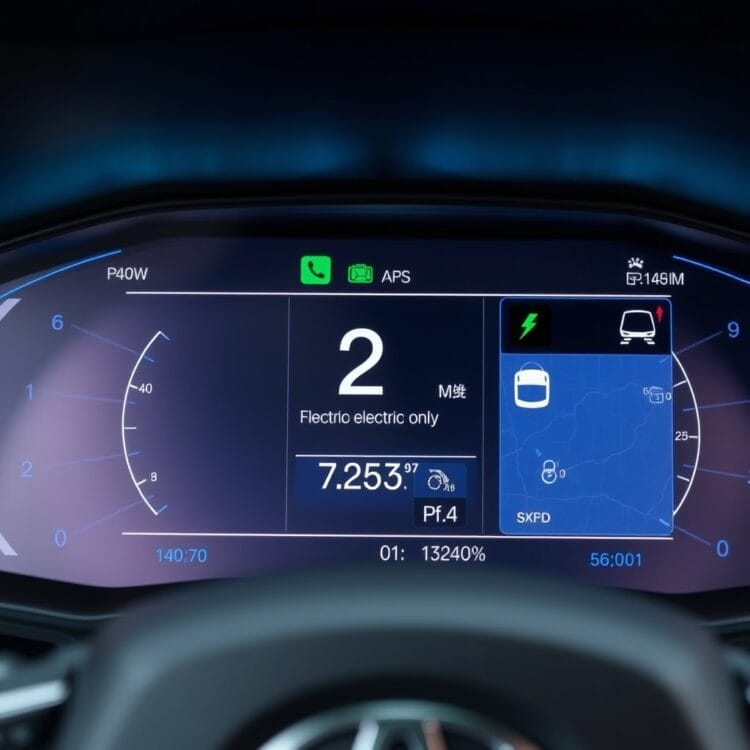
Monitoring your Toyota hybrid’s electric-only usage is straightforward thanks to the intuitive dashboard display. The energy monitor provides real-time feedback on power flow, showing when the vehicle is running on electric power alone. This feature helps drivers adjust their habits to maximise electric mode, such as gentle acceleration and coasting. By keeping an eye on the display, you can learn to extend the electric-only range, even if only marginally. It’s a small but effective way to enhance efficiency and reduce fuel consumption.
Many Toyota models also include a history function, allowing you to review your electric usage over time. This data can reveal patterns, such as which routes or driving styles favour electric mode. For example, urban driving with frequent stops often yields more electric-only miles than highway cruising. The dashboard’s simplicity ensures even novice hybrid owners can optimise their driving without needing technical expertise. It’s a user-friendly system that empowers drivers to make the most of their hybrid’s capabilities.
Apps and Tools for Tracking Efficiency
For those who want deeper insights, Toyota offers smartphone apps that sync with your hybrid’s systems. These apps provide detailed analytics on electric-only usage, fuel efficiency, and even maintenance reminders. By tracking your driving habits, you can identify opportunities to improve efficiency, such as avoiding rapid acceleration or planning smoother routes. Third-party tools are also available, offering additional features like trip logging and carbon footprint calculations. These tools transform your hybrid into a smart, connected vehicle, enhancing both convenience and sustainability.
Beyond apps, some Toyota hybrids come with advanced telematics systems that integrate with home energy management. For instance, you can monitor your vehicle’s efficiency alongside household energy usage, creating a holistic view of your environmental impact. This level of detail is perfect for eco-conscious drivers looking to minimise their carbon footprint. Whether through the dashboard or external tools, monitoring your hybrid’s electric-only usage is easier than ever, helping you drive smarter and greener.
The Environmental Benefits of Maximizing Electric-Only Range
Reducing Carbon Footprint
When we maximise the electric-only range of our Toyota hybrids, we significantly reduce our carbon footprint. By relying less on petrol and more on electric power, we cut down on harmful emissions. Every mile driven in electric mode is a mile that doesn’t contribute to air pollution. It’s a small change that adds up, especially in urban areas where air quality is a growing concern. Plus, it’s a step towards meeting global sustainability goals, making our daily commutes part of a larger solution.
Switching to electric mode isn’t just about saving money on fuel; it’s about protecting the environment. Toyota hybrids are designed to balance efficiency and performance, but the more we use electric power, the greener our journeys become. Imagine the impact if every hybrid owner prioritised electric driving. We’d see cleaner cities and healthier communities. It’s a win-win for us and the planet, proving that small choices can lead to big changes.
The Role of Hybrids in Sustainable Transportation
Hybrids like those from Toyota play a crucial role in the transition to sustainable transportation. They bridge the gap between traditional petrol cars and fully electric vehicles, offering a practical solution for drivers not ready to go fully electric. By optimising electric-only range, we extend the benefits of EVs without the need for extensive charging infrastructure. This makes hybrids an accessible option for more people, accelerating the shift towards greener mobility.
Toyota’s commitment to hybrid technology shows how innovation can drive sustainability. Their hybrids are designed to maximise efficiency, whether in stop-start traffic or on long journeys. By leveraging regenerative braking and smart energy management, these cars make the most of every charge. It’s a testament to how hybrids can be part of a sustainable future, offering a balance of convenience, performance, and environmental responsibility.
Troubleshooting Common Electric-Only Range Issues
Why Your Electric-Only Range Might Be Decreasing
If you’ve noticed your Toyota hybrid’s electric-only range isn’t what it used to be, several factors could be at play. Battery degradation over time is normal, but extreme temperatures can accelerate this. Cold weather reduces battery efficiency, while excessive heat can shorten its lifespan. Driving habits also matter; aggressive acceleration and high speeds drain the battery faster. Even the weight of your cargo or passengers can impact how far you can go on electric power alone.
Another common culprit is neglecting maintenance. A poorly maintained hybrid system won’t perform optimally. Regularly checking the battery cooling system and ensuring tyres are properly inflated can help preserve range. If you’re still experiencing issues, it might be worth consulting a professional. Sometimes, a software update or battery health check can restore lost performance. Remember, small adjustments can make a big difference in maintaining your hybrid’s electric capabilities.
When to Seek Professional Help
While some range fluctuations are normal, persistent problems warrant professional attention. If your electric-only range drops suddenly or significantly, it could indicate a deeper issue. Warning lights on the dashboard, unusual noises, or a noticeable decline in performance are all red flags. Don’t ignore these signs; early intervention can prevent costly repairs down the line. Toyota dealerships have specialised tools to diagnose and fix hybrid-specific problems efficiently.
Regular servicing is key to keeping your hybrid in top shape. Technicians can spot potential issues before they escalate, ensuring your car runs smoothly. If you’re unsure whether your concerns are serious, it’s always better to err on the side of caution. Professional advice can save you time, money, and hassle, keeping your Toyota hybrid performing at its best for years to come.
Advanced Tips for Toyota Hybrid Owners
Customising Your Driving Experience for Better Range
To get the most out of your Toyota hybrid’s electric-only mode, consider adjusting your driving style. Smooth acceleration and braking help conserve battery power, as does maintaining a steady speed. Using the car’s eco mode can optimise energy use, while pre-conditioning the cabin while plugged in can reduce battery drain. Planning routes with fewer hills and stop-start traffic also helps maximise electric range. It’s all about working with the car’s systems to achieve the best efficiency.
Another tip is to monitor your energy usage through the car’s display or app. This feedback can help you identify habits that drain the battery faster. Over time, small adjustments can lead to noticeable improvements in range. Remember, the goal isn’t just to save fuel but to extend the time you spend driving emissions-free. With a bit of practice, you’ll find it easy to integrate these habits into your daily routine.
Upgrades and Accessories to Enhance Electric-Only Mode
Investing in the right upgrades can further enhance your Toyota hybrid’s electric capabilities. High-quality tyres with low rolling resistance improve efficiency, while a well-maintained battery cooling system ensures optimal performance. Some owners opt for hybrid-specific accessories like solar panels for auxiliary power, though these are more experimental. Always choose upgrades that align with your car’s design and manufacturer recommendations.
Software updates from Toyota can also unlock new features or improve existing ones. These updates often refine energy management systems, boosting electric range. If you’re unsure about compatibility or installation, consult your dealership. They can recommend the best options for your model and ensure everything is fitted correctly. With the right enhancements, you can make the most of your hybrid’s potential.
Frequently Asked Questions
How far can a Toyota hybrid go on electric-only mode?
Most Toyota hybrids can travel between 1-2 miles on electric-only power, depending on driving conditions and model. The Toyota Prius and RAV4 Hybrid offer varying ranges due to battery size and vehicle weight. Factors like terrain, speed, and climate also influence the distance. While not designed for long electric-only trips, these hybrids excel in maximising efficiency during stop-start driving.
Does cold weather affect my hybrid’s electric range?
Yes, cold weather reduces battery efficiency, shortening electric-only range. Lithium-ion batteries perform best in moderate temperatures, so expect reduced performance in winter. Pre-conditioning the car while plugged in can help mitigate this. Toyota hybrids are designed to handle temperature extremes, but it’s normal to see a temporary drop in electric range during colder months.
Can I upgrade my hybrid’s battery for more electric range?
While aftermarket battery upgrades exist, they’re not recommended for Toyota hybrids. The car’s systems are finely tuned to work with the original battery. Upgrading could void warranties and affect performance. Instead, focus on maintaining the existing battery and optimising driving habits. For significant range improvements, consider Toyota’s plug-in hybrid models, which offer extended electric-only capabilities.
How can I maximise my hybrid’s electric-only range?
To maximise electric range, drive smoothly, avoid rapid acceleration, and use eco mode. Plan routes with fewer stops and maintain steady speeds. Regular maintenance, like checking tyre pressure and battery health, also helps. For more tips, explore hybrid driving techniques. Small adjustments can significantly extend your time in electric mode, making your drives cleaner and more efficient.