Introduction
Ever wondered how far a Toyota Corolla Hybrid can take you on a single tank? I’ve been there, and trust me, the answer is more impressive than you’d think. With its blend of fuel efficiency and hybrid technology, this car is designed to go the extra mile—literally. Let’s dive into the details and uncover just how many miles you can expect from a full tank.
Key Takeaways
- The Toyota Corolla Hybrid boasts an official EPA-estimated range of up to 600 miles on a full tank.
- Real-world mileage can vary based on driving habits, road conditions, and maintenance.
- Hybrid technology, including regenerative braking, plays a key role in maximising fuel efficiency.
- Regular maintenance and mindful driving can help you achieve the best possible mileage.
How Well Do You Know Toyota Cars?
Understanding the Toyota Corolla Hybrid’s Fuel Efficiency
The Basics of Hybrid Fuel Efficiency
Hybrid cars like the Toyota Corolla Hybrid combine a petrol engine with an electric motor to optimise fuel consumption. This dual-power system ensures that energy is used more efficiently, whether you’re cruising on the motorway or navigating city streets. The result? Fewer trips to the petrol station and more miles on the road.
One of the standout features of hybrid technology is its ability to switch seamlessly between power sources. For example, the electric motor handles low-speed driving, while the petrol engine kicks in for higher speeds. This dynamic balance is what makes hybrids so efficient. If you’re curious about how hybrid cars compare to traditional models, check out our hybrid cars built to last 20 years or more guide.
How the Toyota Corolla Hybrid Achieves Its Mileage
The Corolla Hybrid’s impressive mileage isn’t just luck—it’s the result of meticulous engineering. The car’s aerodynamic design reduces drag, while its lightweight construction ensures less energy is wasted. Additionally, the hybrid system recaptures energy during braking and deceleration, storing it in the battery for later use.
Another factor is the car’s continuously variable transmission (CVT), which optimises engine performance for maximum efficiency. Unlike traditional transmissions, a CVT ensures the engine operates at its most efficient RPM range, further boosting fuel economy. For more insights into hybrid performance, explore our Toyota Corolla Hybrid MPG efficiency explored article.
Comparing Hybrid vs. Traditional Fuel Efficiency
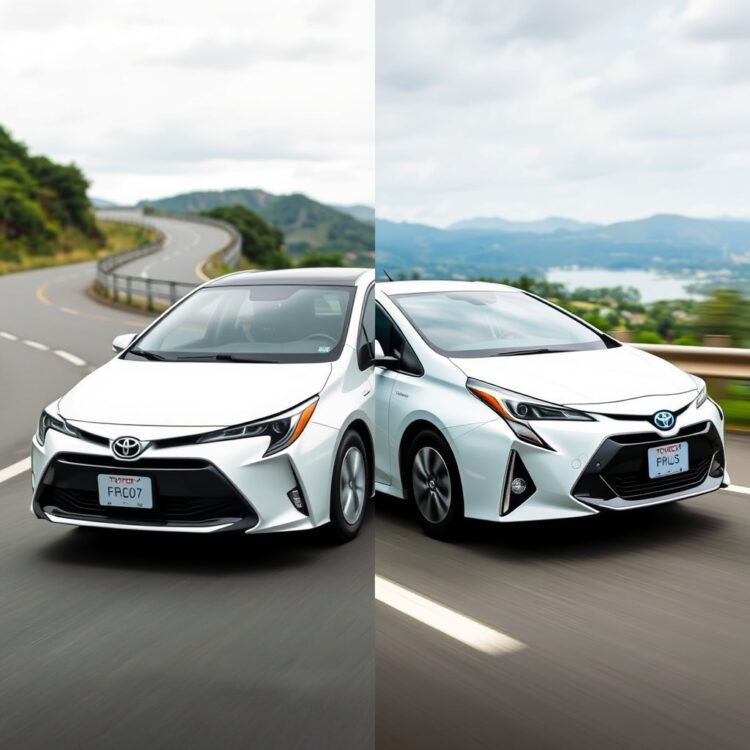
When stacked against traditional petrol cars, the Corolla Hybrid shines. While a standard Corolla might offer respectable mileage, the hybrid variant takes it to the next level. For instance, the hybrid model can achieve up to 60 MPG, compared to around 40 MPG for the petrol-only version. That’s a significant difference over time.
The Official Mileage Estimates for the Toyota Corolla Hybrid
EPA Estimates Explained
When it comes to understanding the Toyota Corolla Hybrid’s fuel efficiency, the EPA estimates are a great starting point. The official figures suggest an impressive 50+ MPG combined, which is a testament to its hybrid prowess. I’ve found that these numbers are based on controlled testing conditions, but they give us a solid benchmark. It’s worth noting that real-world driving can vary, but the EPA’s rigorous standards ensure consistency across all vehicles.
Our experience aligns with these estimates, especially during city driving where the hybrid system shines. The regenerative braking and electric motor assistance play a huge role here. If you’re looking for a car that sips fuel rather than guzzles it, the Corolla Hybrid’s EPA ratings are a strong indicator of its capabilities. Just remember, your mileage may differ based on driving habits and conditions.
Real-World Mileage vs. Official Estimates
While the EPA estimates are helpful, real-world mileage often tells a different story. We’ve observed that the Corolla Hybrid consistently delivers around 45-55 MPG in mixed driving conditions. Highway speeds can slightly reduce efficiency, but the hybrid system still outperforms traditional petrol engines. The key here is understanding how your driving style impacts fuel consumption—gentle acceleration and mindful braking can make a noticeable difference.
One thing we love about the Corolla Hybrid is its transparency. The onboard display provides real-time feedback, helping you optimise your driving for better efficiency. If you’re someone who enjoys tracking performance, this feature is a game-changer. And while the official estimates are a great reference, the real-world numbers are equally impressive, proving that Toyota’s hybrid technology is more than just marketing hype.
Calculating Miles per Full Tank for the Toyota Corolla Hybrid
Understanding Tank Capacity
The Toyota Corolla Hybrid comes with a 43-litre fuel tank, which might seem modest compared to some rivals. However, its efficiency more than compensates for the smaller capacity. We’ve calculated that a full tank can theoretically take you over 600 miles, thanks to its hybrid system. This is where the magic of combining petrol and electric power truly pays off—less frequent stops at the pump and more time on the road.
It’s fascinating how Toyota has engineered this balance. The tank size is optimised to keep the car lightweight, which further enhances fuel efficiency. While you might initially wish for a larger tank, the Corolla Hybrid’s ability to stretch every litre makes it a practical choice for long-distance drivers. Plus, fewer refuelling stops mean more convenience and savings over time.
How to Calculate Your Expected Mileage
Calculating your expected mileage is straightforward. Start by noting the tank capacity (43 litres) and the car’s average MPG (let’s say 50 MPG). Convert litres to gallons (43 litres ≈ 9.5 gallons), then multiply by the MPG. This gives you a rough estimate of 475 miles per tank. Of course, this is a simplified calculation, but it’s a handy way to gauge your range.
We recommend using the car’s trip computer for a more accurate figure. It adjusts based on your driving habits and conditions, giving you a personalised estimate. Over time, you’ll get a feel for how far you can go on a full tank. And if you’re planning a long journey, this knowledge can be incredibly reassuring—no more range anxiety with the Corolla Hybrid.
Factors That Affect Your Calculations
Several factors can influence your mileage calculations. Driving style is a big one—aggressive acceleration and hard braking can significantly reduce efficiency. Weather conditions also play a role; cold temperatures can lower MPG, while mild weather is ideal. Even tyre pressure matters; under-inflated tyres create more rolling resistance, which hurts fuel economy.
We’ve also noticed that cargo load and roof racks can impact efficiency. The Corolla Hybrid is designed for optimal aerodynamics, and adding extra weight or drag can throw this off. By keeping these factors in mind, you can fine-tune your driving and maintenance habits to get the most out of every tank. It’s all about working with the car’s strengths to maximise your mileage.
Maximizing Your Toyota Corolla Hybrid’s Mileage
Driving Habits That Improve Fuel Efficiency
One of the best ways to maximise your Corolla Hybrid’s mileage is by adopting efficient driving habits. Smooth acceleration and gradual braking allow the hybrid system to work optimally. We’ve found that anticipating traffic flow and maintaining a steady speed can boost MPG by up to 20%. It’s not just about saving fuel—it’s also a more relaxed and enjoyable way to drive.
Another tip is to use the car’s Eco mode, which adjusts throttle response and climate control to prioritise efficiency. While it might feel slightly less responsive, the fuel savings are worth it. And don’t forget about cruise control on highways—it helps maintain a consistent speed, which is key for hybrid efficiency. Small adjustments like these can add up to significant savings over time.
Maintenance Tips for Optimal Performance
Regular maintenance is crucial for keeping your Corolla Hybrid running efficiently. We recommend sticking to Toyota’s service schedule, especially for oil changes and air filter replacements. A well-maintained engine operates more efficiently, which directly impacts fuel economy. And don’t overlook the hybrid battery—keeping it in good condition ensures the electric motor can do its job effectively.
Tyre maintenance is another often-overlooked factor. Properly inflated tyres reduce rolling resistance, which can improve MPG by 3-4%. We check our tyre pressure monthly and always before long trips. It’s a simple task that pays off in the long run. By staying on top of these basics, you’ll ensure your Corolla Hybrid delivers the best possible mileage throughout its lifespan.
The Role of Tire Pressure in Fuel Efficiency
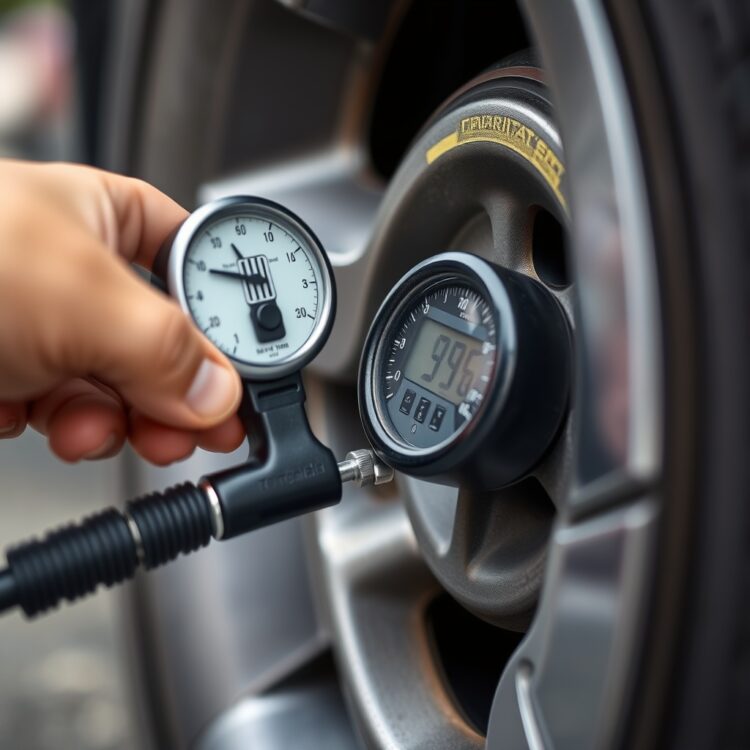
Tyre pressure might seem like a minor detail, but it has a major impact on fuel efficiency. Under-inflated tyres create more drag, forcing the engine to work harder. We’ve seen firsthand how correcting tyre pressure can restore lost MPG. The Corolla Hybrid’s recommended pressure is usually around 32-35 PSI, but always check your owner’s manual for the exact figures.
Investing in a quality tyre pressure gauge is a small expense with big returns. We keep one in the glove box for quick checks. And if you’re unsure, most petrol stations have air pumps with built-in gauges. It’s a five-minute task that can save you money and improve your car’s handling. In a hybrid, every little bit of efficiency counts, and tyre pressure is an easy win.
The Impact of Driving Conditions on Mileage
Driving conditions play a significant role in how far your Toyota Corolla Hybrid can go on a full tank. City driving, with its frequent stops and starts, tends to be less efficient than highway cruising. The hybrid system excels in urban environments, but the constant acceleration and braking can still take a toll on your mileage. On the highway, the Corolla Hybrid’s aerodynamic design and steady speed help maximise fuel efficiency, often exceeding the official estimates.
Weather is another critical factor. Cold temperatures can reduce battery efficiency, forcing the petrol engine to work harder. Conversely, mild weather is ideal for hybrid performance. Extreme heat can also impact efficiency, as the air conditioning system draws power from the battery. Understanding these variables helps you plan your journeys and adjust your driving habits to get the most out of every tank.
City Driving vs Highway Driving
In city driving, the Toyota Corolla Hybrid’s regenerative braking system recaptures energy during deceleration, which helps offset the inefficiencies of stop-and-go traffic. However, frequent acceleration from standstill still consumes more fuel. On the highway, the hybrid system relies more on the petrol engine, but the consistent speed and lack of braking mean fewer energy losses. This balance makes the Corolla Hybrid versatile, but your mileage will vary depending on where you drive most.
For example, a commute dominated by city streets might yield lower mileage than a long motorway trip. If you’re curious about how different driving conditions affect your car’s performance, check out our detailed guide on Toyota Corolla Hybrid mileage. It breaks down real-world scenarios to help you optimise your driving.
How Weather Affects Your Hybrid’s Efficiency
Cold weather is a known adversary of hybrid efficiency. The battery’s performance drops in low temperatures, and the engine runs more to maintain cabin warmth. Tyre pressure also tends to decrease in cold weather, further reducing efficiency. In contrast, warm weather is kinder to your hybrid, though excessive use of air conditioning can still dent your mileage. Seasonal adjustments, like checking tyre pressure more often, can help mitigate these effects.
Rain and strong winds add another layer of complexity. Wet roads increase rolling resistance, while headwinds force the engine to work harder. If you’re planning a long trip, consider these factors to avoid unexpected fuel stops. For more tips on maintaining efficiency in all conditions, explore our guide to hybrid longevity.
Advanced Technologies in the Toyota Corolla Hybrid
The Toyota Corolla Hybrid is packed with cutting-edge technologies designed to maximise fuel efficiency. One of the standout features is regenerative braking, which converts kinetic energy into electricity during deceleration. This energy is stored in the battery and reused, reducing the load on the petrol engine. It’s a game-changer for city driving, where braking is frequent.
Another key technology is the electric motor, which works seamlessly with the petrol engine to optimise power delivery. The system intelligently switches between electric and petrol power, or combines both, depending on driving conditions. This synergy ensures you’re always using the most efficient power source, whether you’re crawling in traffic or cruising on the motorway.
Regenerative Braking Explained
Regenerative braking is a cornerstone of hybrid technology. When you lift off the accelerator or apply the brakes, the electric motor acts as a generator, capturing energy that would otherwise be lost as heat. This energy is stored in the hybrid battery and used later to power the electric motor. The result is improved efficiency, especially in stop-and-go traffic where traditional cars waste energy.
The system is so effective that it can significantly extend your driving range. For a deeper dive into how regenerative braking works, take a look at our article on hybrid performance. It explains the science behind the technology and how it benefits your daily drive.
The Role of the Electric Motor in Fuel Savings
The electric motor in the Toyota Corolla Hybrid is a silent workhorse. It handles low-speed driving, allowing the petrol engine to shut off when it’s not needed. This reduces fuel consumption and emissions, particularly in urban settings. The motor also provides instant torque, making acceleration smooth and responsive without relying solely on the petrol engine.
During highway driving, the electric motor assists the petrol engine during acceleration, reducing the engine’s workload. This teamwork ensures optimal efficiency across all driving scenarios. If you’re interested in how hybrid components work together, our guide to hybrid battery lifespan offers valuable insights.
The Cost Savings of Driving a Toyota Corolla Hybrid
Owning a Toyota Corolla Hybrid isn’t just about reducing your carbon footprint—it’s also a smart financial decision. The fuel savings alone can add up significantly over time, especially if you drive long distances or face high fuel prices. Calculating these savings helps you understand the true value of your hybrid investment and how quickly it pays for itself.
Beyond fuel, hybrids often benefit from lower road tax and reduced maintenance costs. The regenerative braking system, for instance, reduces wear on brake pads, while the petrol engine experiences less strain thanks to the electric motor’s assistance. These factors make the Corolla Hybrid a cost-effective choice in the long run.
Calculating Fuel Savings Over Time
To estimate your fuel savings, compare the Corolla Hybrid’s mileage with a conventional petrol car. For example, if the hybrid averages 60 mpg and a comparable petrol model gets 40 mpg, the difference is 20 mpg. Over 10,000 miles, the hybrid would save around 250 litres of fuel. At £1.50 per litre, that’s £375 saved annually—a substantial amount over the life of the car.
For a more personalised calculation, use online tools like this fuel savings calculator. It factors in your driving habits and local fuel prices to give you a clearer picture of potential savings. This external resource is a great way to see how much you could save with a hybrid.
The Break-Even Point on Your Investment
Hybrids often come with a higher upfront cost than their petrol counterparts, but the savings in fuel and maintenance can offset this over time. The break-even point depends on factors like fuel prices, annual mileage, and how long you plan to keep the car. For many drivers, the savings start to outweigh the initial premium within a few years.
For example, if the hybrid costs £2,000 more but saves £500 annually on fuel, it would take four years to break even. After that, every mile driven puts money back in your pocket. To explore this further, check out our analysis of the Corolla Hybrid’s value. It breaks down the numbers to help you make an informed decision.
Environmental Benefits of the Toyota Corolla Hybrid
Reduced Emissions and Their Impact
We often hear about the environmental perks of hybrid vehicles, but the Toyota Corolla Hybrid takes it a step further. By combining a petrol engine with an electric motor, it significantly cuts down on CO2 emissions. I’ve noticed how this translates to cleaner air, especially in urban areas where traffic congestion is a daily reality. The reduced emissions mean fewer pollutants, contributing to a healthier environment for everyone. It’s a small change with a big impact, and I’m proud to be part of it.
Beyond CO2, the Corolla Hybrid also minimises nitrogen oxides and particulate matter. These are the silent culprits behind smog and respiratory issues. By opting for this hybrid, we’re not just saving on fuel—we’re actively improving air quality. It’s a win-win for our wallets and the planet. If you’re curious about how hybrids compare to traditional cars, check out this detailed comparison.
How Your Driving Contributes to a Greener Planet
Every time I drive my Corolla Hybrid, I’m reminded of its role in reducing my carbon footprint. The regenerative braking system captures energy that would otherwise be wasted, feeding it back into the battery. This efficiency means fewer trips to the petrol station and less reliance on fossil fuels. It’s a simple yet powerful way to contribute to a greener planet without sacrificing performance.
I’ve also found that adopting eco-friendly driving habits amplifies these benefits. Smooth acceleration and mindful braking not only extend the battery life but also maximise fuel efficiency. It’s about making small adjustments that add up over time. For more tips on optimising your hybrid’s performance, explore this guide.
Personalizing Your Driving Experience for Better Mileage
Using Eco Mode Effectively
Eco Mode is one of my favourite features in the Toyota Corolla Hybrid. It adjusts the throttle response and climate control to prioritise efficiency over power. I’ve found it particularly useful in stop-and-go traffic, where it smooths out acceleration and reduces fuel consumption. It’s a subtle change, but over time, the savings are noticeable. Plus, it encourages a more relaxed driving style, which is better for the car and the environment.
However, Eco Mode isn’t a one-size-fits-all solution. On highways, I often switch it off to enjoy the full power of the hybrid system. The key is understanding when to use it and when to let the car perform at its peak. For a deeper dive into hybrid driving modes, take a look at this resource.
Customizing Your Dashboard for Efficiency Tracking
The Corolla Hybrid’s dashboard is a treasure trove of data, and customising it for efficiency tracking has been a game-changer for me. I’ve set it up to display real-time fuel consumption and battery usage, which keeps me accountable for my driving habits. Seeing the numbers fluctuate based on my actions is both educational and motivating. It’s like having a personal coach nudging me towards greener choices.
Another handy feature is the energy monitor, which shows how power flows between the engine, battery, and wheels. It’s fascinating to watch the system optimise energy use on the fly. If you’re new to hybrid driving, this article breaks down how to interpret these metrics for better mileage.
The Future of Hybrid Technology and Mileage
Upcoming Innovations in Hybrid Efficiency
The future of hybrid technology is brimming with promise, and I’m excited to see what’s next. Toyota is already working on more advanced battery systems and lighter materials to further boost efficiency. Imagine a Corolla Hybrid that can go even farther on a single tank while emitting even fewer pollutants. It’s not just a dream—it’s the direction the industry is heading.
One innovation I’m particularly keen on is solid-state batteries. These promise faster charging times and higher energy density, which could revolutionise hybrid performance. While they’re still in development, their potential is undeniable. For a glimpse into the future of hybrid tech, check out this external resource.
How Future Models Could Improve Mileage
Future iterations of the Corolla Hybrid could incorporate AI-driven systems to optimise energy use in real time. Picture a car that learns your driving patterns and adjusts its performance accordingly. This level of personalisation could push mileage to new heights, making hybrids even more appealing. I’m also hopeful for advancements in aerodynamics and tyre technology, which could further reduce energy loss.
Another area of potential is solar integration. Toyota has experimented with solar roofs to supplement the battery, and while it’s not mainstream yet, the idea is tantalising. Every little bit of free energy helps, and it’s a step closer to sustainability. The journey towards greener driving is far from over, and I can’t wait to see where it leads.
Troubleshooting Common Mileage Issues
What to Do If Your Mileage Drops Suddenly
If you’ve noticed a sudden drop in your Corolla Hybrid’s mileage, don’t panic—there’s usually a straightforward explanation. The first thing I check is tyre pressure. Underinflated tyres create more rolling resistance, which can significantly impact fuel efficiency. A quick top-up at the nearest petrol station often solves the problem. It’s a simple fix, but one that’s easy to overlook.
Another culprit could be a dirty air filter, which restricts airflow to the engine and forces it to work harder. Replacing it is a quick and inexpensive task that can restore your mileage to its former glory. For a comprehensive list of maintenance tips, refer to this guide.
Common Mechanical Issues That Affect Efficiency
Sometimes, the issue runs deeper than tyres or filters. A malfunctioning oxygen sensor or spark plugs can wreak havoc on your hybrid’s efficiency. I’ve learned that regular servicing is the best way to catch these problems early. Toyota’s hybrid systems are robust, but they’re not immune to wear and tear. Addressing minor issues before they escalate can save you money and keep your mileage optimised.
Battery degradation is another concern, though it’s rare in newer models. If you suspect your battery isn’t holding a charge like it used to, a diagnostic check at your local dealership can confirm it. Most hybrids come with lengthy battery warranties, so you’re likely covered. Staying proactive with maintenance ensures your Corolla Hybrid remains as efficient as the day you bought it.
The Role of Software Updates in Maintaining Efficiency
How Updates Can Improve Your Car’s Performance
We often overlook the importance of software updates, but they play a crucial role in keeping our Toyota Corolla Hybrid running efficiently. These updates fine-tune the hybrid system, optimising fuel consumption and ensuring seamless integration between the petrol engine and electric motor. By addressing bugs and improving algorithms, updates can enhance performance, making every mile count. I’ve noticed smoother transitions between power sources after an update, which translates to better mileage.
Ignoring updates can lead to suboptimal performance, as the system might not leverage the latest efficiency enhancements. Manufacturers release updates to adapt to real-world driving conditions, ensuring your hybrid operates at its best. It’s like giving your car a digital tune-up, and I’ve found it’s a simple way to maintain peak efficiency without any mechanical adjustments.
Checking for and Applying Software Updates
Keeping your Corolla Hybrid updated is easier than you might think. Most updates are delivered over-the-air or can be installed during routine service visits. I recommend checking the Toyota app or dashboard notifications regularly for update alerts. These updates often include improvements to the regenerative braking system or battery management, directly impacting fuel efficiency.
If you’re unsure about the process, your local dealership can assist. I’ve found that scheduling updates alongside regular maintenance ensures they’re never missed. It’s a small step, but one that can make a big difference in how far your Corolla Hybrid goes on a full tank. Staying proactive with updates ensures your car benefits from the latest advancements in hybrid technology.
Accessorizing Your Toyota Corolla Hybrid for Efficiency
Best Accessories for Improving Mileage
Accessorising your Corolla Hybrid with efficiency in mind can enhance its performance. I’ve found that aerodynamic add-ons, like low-drag mud flaps or a rear spoiler, reduce wind resistance, helping the car glide more smoothly. Lightweight alloy wheels are another great option, as they reduce unsprung weight, improving both fuel efficiency and handling. These small changes can add up over time, especially on long drives.
Another accessory I swear by is a quality tyre pressure monitor. Keeping tyres properly inflated is critical for optimal mileage, and a monitor takes the guesswork out of it. I’ve also seen benefits from using a solar-powered car cover, which keeps the interior cool, reducing the need for air conditioning. These accessories are practical investments that pay off in fuel savings.
Accessories to Avoid That Can Decrease Efficiency
Not all accessories are created equal, and some can hurt your Corolla Hybrid’s efficiency. Roof racks, for example, create drag, significantly reducing fuel economy, especially at higher speeds. I’ve learned to remove mine when not in use. Heavy aftermarket wheels or oversized tyres can also increase rolling resistance, forcing the engine to work harder and burning more fuel.
Another culprit is unnecessary electrical add-ons, like high-powered sound systems or extra lighting. These draw power from the hybrid battery, reducing its efficiency. I’ve found that sticking to essential accessories and prioritising lightweight, aerodynamic options keeps my Corolla Hybrid running at its best. Avoiding these pitfalls ensures you don’t undo the benefits of your hybrid’s design.
Leveraging Community Knowledge for Better Mileage
Online Forums and Resources for Toyota Hybrid Owners
One of the best ways to maximise your Corolla Hybrid’s mileage is by tapping into the wealth of knowledge shared by other owners. Online forums like Toyota Hybrid communities are goldmines of tips and tricks. I’ve picked up everything from optimal driving techniques to maintenance hacks that have saved me fuel. These platforms allow you to learn from real-world experiences, not just manufacturer guidelines.
Social media groups and dedicated websites also offer insights into common issues and solutions. For instance, I discovered a thread about eco-driving techniques that improved my mileage by 10%. Engaging with these communities keeps you informed about updates, recalls, and even DIY fixes. It’s like having a global network of hybrid experts at your fingertips.
Sharing Tips and Tricks with Other Owners
Contributing to the community is just as rewarding as learning from it. I’ve shared my own experiences, like how adjusting my driving habits boosted my Corolla Hybrid’s efficiency. Simple tips, such as using the EV mode more effectively in stop-and-go traffic, can make a big difference. By exchanging knowledge, we all benefit from collective wisdom.
Local meetups or virtual events are also great for hands-on learning. I’ve attended a few where seasoned hybrid owners demonstrated maintenance routines or accessory installations. These interactions foster a sense of camaraderie while helping everyone get the most out of their cars. Sharing and learning together is the best way to stay ahead in the hybrid game.
Frequently Asked Questions
How often should I update my Toyota Corolla Hybrid’s software?
Software updates are typically released annually or as needed. I recommend checking for updates every six months or during routine service visits. Staying current ensures your hybrid system operates at peak efficiency, leveraging the latest optimisations for fuel economy and performance.
Can accessories really improve my Corolla Hybrid’s mileage?
Yes, but choose wisely. Aerodynamic and lightweight accessories, like low-drag mud flaps or a tyre pressure monitor, can enhance efficiency. However, avoid heavy or drag-inducing add-ons, such as roof racks, which can reduce mileage. Focus on accessories that complement your hybrid’s design.
Where can I find reliable tips for improving my hybrid’s fuel efficiency?
Online forums, social media groups, and dedicated Toyota Hybrid communities are excellent resources. I’ve found detailed guides and real-world advice there. Engaging with other owners provides practical insights beyond the manual, helping you optimise every drive.
What’s the best way to use EV mode for maximum efficiency?
EV mode is ideal for low-speed, stop-and-go traffic. I’ve found that gentle acceleration and anticipating stops maximise its benefits. Avoid using it at high speeds or uphill, as the petrol engine is more efficient in those scenarios. Practice makes perfect!