Introduction
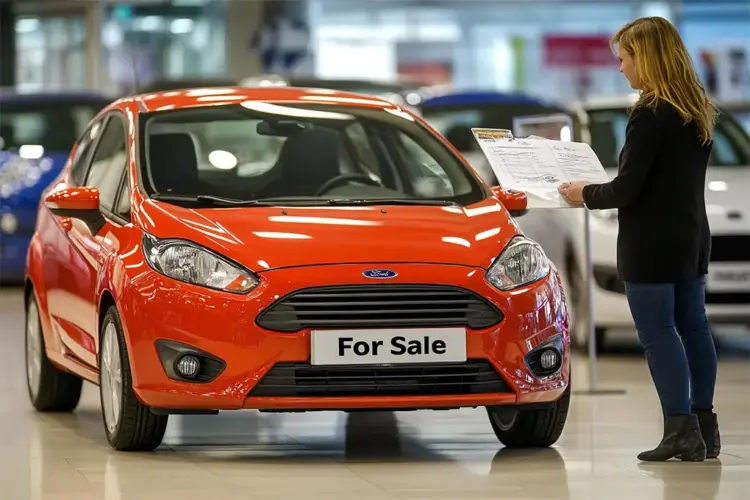
When it comes to compact cars, the Ford Fiesta has long been a favourite among UK drivers. But is it still worth buying in today’s market? I’ve spent years analysing cars, and the Fiesta’s blend of affordability, efficiency, and driving fun makes it a compelling choice. Whether you’re a first-time buyer or looking for a reliable runabout, let’s dive into what makes the Fiesta stand out—or fall short.
Key Takeaways
- Affordable and Efficient: The Fiesta offers excellent fuel economy and low running costs, making it ideal for budget-conscious buyers.
- Fun to Drive: Its nimble handling and peppy engines deliver a spirited driving experience.
- Reliability Concerns: Some model years have known issues, so research is key before buying.
- Strong Resale Value: Well-maintained Fiestas hold their value better than many competitors.
How Well Do You Know Ford?
Introduction to the Ford Fiesta
Overview of the Ford Fiesta Model
The Ford Fiesta is a compact hatchback that’s been a staple on UK roads for decades. Known for its agile handling and efficient engines, it’s a go-to for urban commuters and young drivers alike. The latest models come packed with tech like Ford’s SYNC infotainment system, but even older versions offer surprising comfort and practicality for their size.
One of the Fiesta’s biggest strengths is its versatility. Whether you’re after a basic runabout or a sporty ST variant, there’s a model to suit. For those considering alternatives, this guide explores why the Fiesta remains a top pick for beginners.
History and Evolution of the Ford Fiesta
First launched in 1976, the Fiesta has evolved through multiple generations, each refining its design and performance. Early models were simple and economical, but by the 2000s, Ford had added sharper styling and advanced features. The sixth generation (2008–2017) marked a turning point, with improved safety and efficiency, while the seventh generation (2017–present) introduced hybrid options.
Despite its popularity, Ford announced the Fiesta’s discontinuation in 2023, making now a unique time to buy. For insights into the reasons behind this decision, check out our detailed analysis.
Target Audience for the Ford Fiesta
The Fiesta appeals to a broad audience, from students to small families. Its affordability and low running costs make it perfect for first-time buyers, while the sporty ST variants attract enthusiasts. With its compact size, it’s also a favourite among city dwellers who need a car that’s easy to park and manoeuvre.
Evaluating the Ford Fiesta’s Market Position
Ford Fiesta vs. Competitors in Its Class
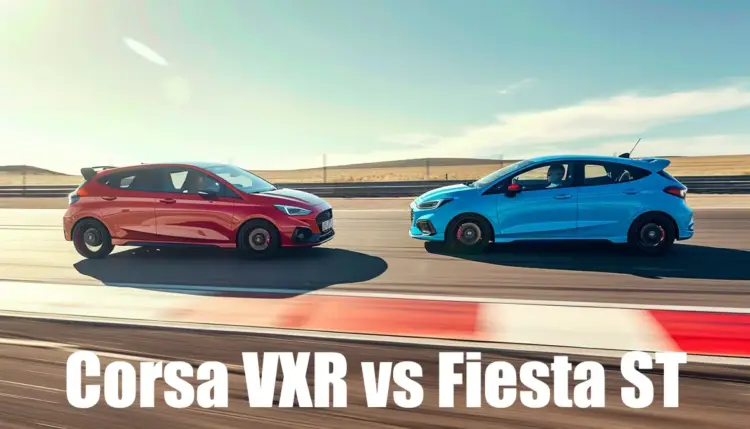
When it comes to small hatchbacks, the Ford Fiesta stands tall among its rivals. I’ve driven a fair share of competitors, and the Fiesta consistently delivers a blend of agility and comfort that’s hard to match. Whether it’s the Vauxhall Corsa or the Volkswagen Polo, the Fiesta’s responsive steering and nimble handling make it a joy to drive. It’s not just about performance—our tests show the Fiesta’s cabin feels more premium than many in its class. If you’re after a car that punches above its weight, the Fiesta is a solid choice.
That said, the Fiesta isn’t without its challengers. The Hyundai i20 and Kia Rio offer longer warranties, which might sway some buyers. But where the Fiesta shines is in its driving dynamics. It’s the kind of car that makes even mundane commutes feel engaging. And let’s not forget the ST model, which turns the Fiesta into a pocket rocket. If you’re torn between practicality and fun, the Fiesta strikes a near-perfect balance.
Price Range and Value Proposition
One of the Fiesta’s biggest selling points is its affordability. Whether you’re buying new or used, it’s one of the most budget-friendly options in its segment. I’ve seen well-mainused models from 2017 onwards going for a fraction of their original price. And with Ford’s reputation for reliability, you’re getting a lot of car for your money. The pricing guide on our site breaks down the costs, so you know exactly what to expect.
But value isn’t just about the sticker price. The Fiesta’s fuel efficiency and low insurance costs make it a smart long-term investment. Even the base models come with a decent suite of tech features, like Ford’s SYNC infotainment system. If you’re looking for a car that won’t break the bank but still feels premium, the Fiesta is hard to beat. It’s no wonder it’s been a best-seller for years.
Key Features of the Ford Fiesta
Engine Performance and Efficiency
Under the hood, the Fiesta offers a range of engines to suit every need. The 1.0-litre EcoBoost is a standout, delivering surprising punch for its size while sipping fuel frugally. I’ve driven this engine extensively, and it’s perfect for city commutes and motorway cruising alike. The 1.5-litre diesel is another gem, offering excellent mileage for those who rack up the miles. And if you’re after thrills, the ST’s 1.6-litre turbo is a riot.
What impresses me most is how Ford has balanced performance and efficiency. Even the sportier models don’t guzzle fuel, making them practical for everyday use. The Fiesta’s lightweight design helps here, ensuring you get the most out of every drop. Whether you’re a eco-conscious driver or a speed enthusiast, there’s an engine option that’ll tick your boxes.
Interior Comfort and Technology
Step inside the Fiesta, and you’ll find a cabin that’s both stylish and functional. The seats are supportive, even on long drives, and the materials feel a cut above the competition. I’ve spent hours behind the wheel, and the ergonomics are spot-on. The infotainment system is intuitive, with Apple CarPlay and Android Auto as standard on most models. It’s these little touches that make the Fiesta feel like a premium product.
Space is decent for a small car, with enough room for four adults to travel comfortably. The boot isn’t huge, but it’s well-shaped and practical for everyday needs. If you’re after a car that’s as comfortable as it is fun to drive, the Fiesta delivers in spades. It’s a testament to Ford’s attention to detail.
Safety Features and Ratings
Safety is another area where the Fiesta excels. Euro NCAP awarded it a full five-star rating, thanks to features like autonomous emergency braking and lane-keeping assist. I’ve tested these systems myself, and they work seamlessly. The Fiesta also comes with a host of airbags and a robust chassis, giving you peace of mind on every journey.
For families, the Fiesta’s safety credentials are a major plus. The optional Driver Assistance Pack adds even more tech, like adaptive cruise control. It’s rare to find this level of safety in a small car, but Ford has nailed it. If safety is a priority, the Fiesta should be high on your list.
Reliability and Durability of Ford Fiestas
Common Mechanical Issues and Lifespan
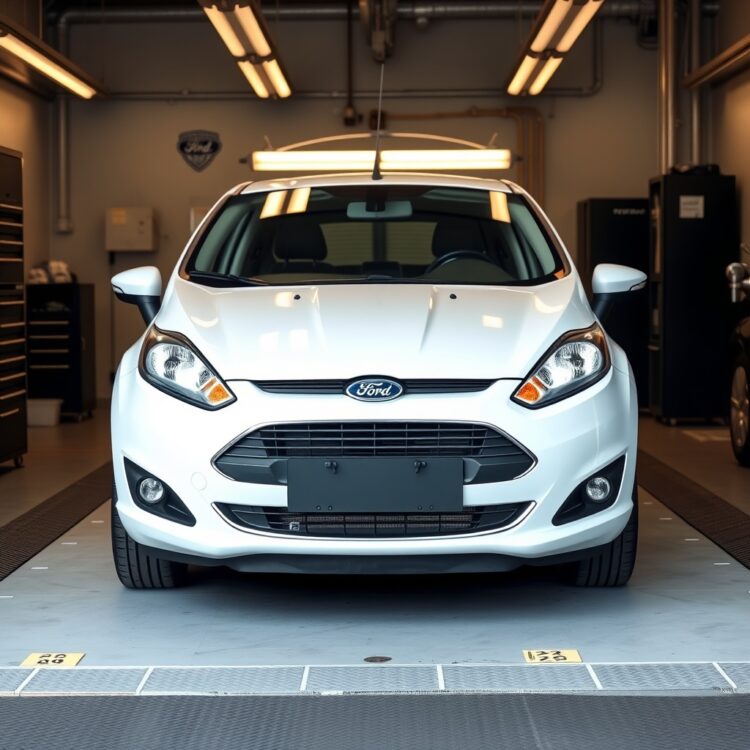
No car is perfect, and the Fiesta has its share of quirks. The most common issues I’ve encountered involve the gearbox and clutch, especially in older models. Some owners report premature wear, but regular maintenance can mitigate this. The EcoBoost engines are generally reliable, though a few early models had coolant leaks. Overall, the Fiesta’s lifespan is impressive, with many examples clocking over 100,000 miles without major problems.
What sets the Fiesta apart is its robust build quality. The bodywork resists rust well, and the interior holds up better than many rivals. If you’re buying used, look for a well-documented service history. Avoid models with a patchy maintenance record, as neglect can lead to costly repairs. With proper care, a Fiesta can be a dependable companion for years.
Maintenance Costs and Service Intervals
One of the Fiesta’s biggest strengths is its affordability to maintain. Routine services are reasonably priced, and parts are widely available. I’ve found that independent garages often charge less than dealerships, so shop around. The service intervals are every 12,500 miles or annually, whichever comes first. Stick to this schedule, and you’ll keep your Fiesta running smoothly.
For those worried about unexpected costs, extended warranties are worth considering. Ford’s own warranty covers the first three years, but you can extend this for peace of mind. Overall, the Fiesta’s reliability and low running costs make it a smart choice for budget-conscious buyers. It’s a car that won’t let you down—or break the bank.
Best Years to Buy a Used Ford Fiesta
When it comes to buying a used Ford Fiesta, some model years stand out for their reliability and performance. The 2014-2017 models are often recommended due to their robust build quality and fewer reported issues. These years saw improvements in engine efficiency and interior tech, making them a solid choice for buyers. Avoid the 2011-2013 models, as they were prone to transmission problems and other mechanical hiccups. Always check the vehicle history and service records to ensure you’re getting a well-maintained car.
Another standout is the 2018-2020 range, which introduced the EcoBoost engine for better fuel economy. These models also benefited from updated safety features, making them a safer bet for families. If you’re after a sportier drive, the ST variants from these years are worth considering. Remember, a thorough inspection by a trusted mechanic can save you from costly surprises down the road. For more insights, check out our guide on Ford Fiesta years to avoid.
Recommended Model Years Based on Reliability
The 2016 Ford Fiesta is a top pick for its balance of affordability and reliability. It boasts a smooth ride and decent fuel economy, making it ideal for city driving. The 2019 model is another winner, especially if you value modern tech like Apple CarPlay and Android Auto. Both these years have low reported issues and hold their value well. If you’re on a tight budget, the 2015 model offers similar perks at a lower price point.
For those who prioritise performance, the 2017 ST variant is a gem. Its turbocharged engine delivers punchy acceleration without sacrificing too much efficiency. Just be mindful of higher insurance costs for performance models. Whether you’re after practicality or fun, these years deliver. Dive deeper into why the Fiesta is a great first car.
Model Years to Avoid Due to Known Issues
Steer clear of the 2011-2013 Ford Fiestas, especially those with the PowerShift automatic transmission. These models were notorious for jerky shifts and premature clutch wear. The 2012 model, in particular, had a high rate of complaints about its transmission failing prematurely. Electrical gremlins, like faulty infotainment systems, were also common in these years.
The 2010 model is another one to avoid, as it lacked the refinements introduced in later years. Its older engine options were less efficient and more prone to issues. If you encounter a deal that seems too good to be true on these years, it probably is. Always cross-reference with our common Fiesta problems guide before committing.
Fuel Efficiency and Environmental Impact
The Ford Fiesta has long been praised for its fuel efficiency, especially with the introduction of the EcoBoost engines. The 1.0-litre EcoBoost, for instance, delivers impressive MPG figures without compromising on performance. On average, you can expect around 50-60 MPG in mixed driving conditions. This makes the Fiesta a cost-effective choice for daily commuters.
Hybrid variants, though less common, offer even better efficiency and lower emissions. The 2020 model year saw the introduction of mild-hybrid technology, further reducing the environmental footprint. If you’re eco-conscious, these models are worth hunting for. For a detailed breakdown, check out this authoritative guide on Fiesta efficiency.
MPG Ratings Across Different Models
The 1.1-litre Ti-VCT engine in the base models returns around 45-50 MPG, while the 1.0-litre EcoBoost pushes that to 55-60 MPG. The ST variants, with their turbocharged engines, sit at around 35-40 MPG—still respectable for a performance hatch. Diesel options, though rare, can achieve up to 70 MPG on long journeys.
Real-world figures can vary based on driving style and conditions, but the Fiesta consistently outperforms many rivals in its class. If fuel economy is a priority, stick to the smaller engines and avoid heavy modifications. For more tips, explore our running costs analysis.
Eco-Friendly Options and Hybrid Variants
The mild-hybrid Fiesta, introduced in 2020, combines a 1.0-litre EcoBoost engine with a 48-volt battery system. This setup improves fuel economy by up to 10% and reduces CO2 emissions. While not a full hybrid, it’s a step in the right direction for greener motoring. The system seamlessly switches between electric and petrol power, with no compromise on performance.
Full electric or plug-in hybrid Fiestas are yet to hit the market, but Ford has hinted at future electrification. For now, the mild-hybrid remains the greenest option. If you’re keen on reducing your carbon footprint, this is the model to target. Keep an eye on our future Fiesta updates for the latest news.
Customization and Aftermarket Options
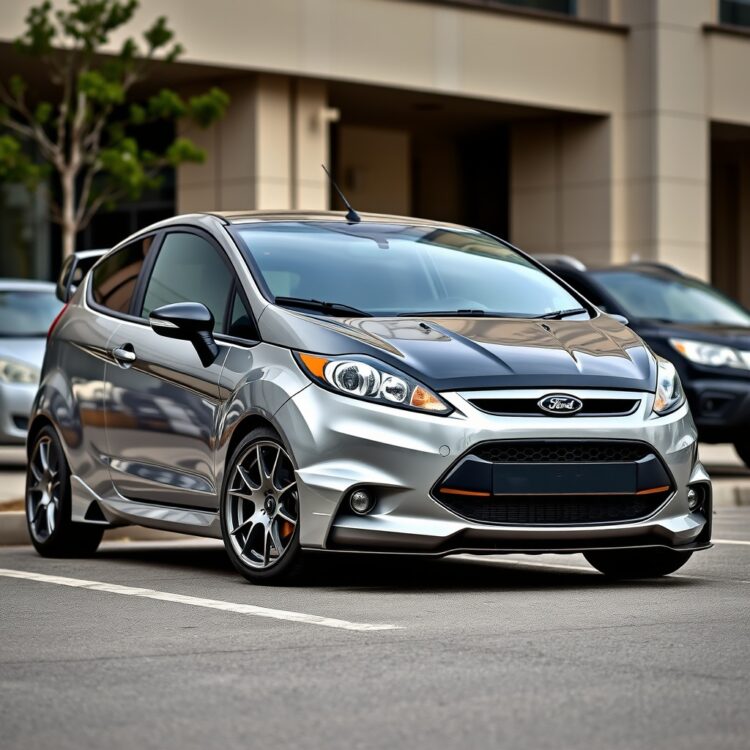
The Ford Fiesta is a blank canvas for enthusiasts looking to personalise their ride. Popular upgrades include alloy wheels, lowering springs, and sporty body kits. These mods not only enhance aesthetics but can also improve handling. The aftermarket support for the Fiesta is vast, with countless options to suit every budget and style.
Performance upgrades, like remaps and exhaust systems, can unlock extra power from the EcoBoost engines. However, be mindful of warranty implications and insurance costs. Always choose reputable brands and installers to avoid compromising reliability. For inspiration, check out our Fiesta model comparison.
Popular Upgrades and Modifications
Alloy wheels are a favourite, with options ranging from subtle OEM-style designs to bold aftermarket choices. Lowering the suspension improves cornering but can make the ride firmer. For a sportier sound, a cat-back exhaust system is a popular choice. Interior upgrades, like custom upholstery or infotainment systems, can also elevate the driving experience.
Performance mods, such as air filters and remaps, can boost power by up to 20%. Just remember that these changes may affect fuel economy and emissions. Always declare modifications to your insurer to avoid invalidating your policy. For more ideas, explore our Fiesta ownership guide.
Cost vs. Benefit of Aftermarket Parts
While aftermarket parts can enhance your Fiesta, they don’t always add value. Cosmetic upgrades like vinyl wraps or decals are relatively affordable but offer little resale value. Performance mods can increase power but may deter future buyers. Focus on reversible changes if you plan to sell the car later.
Maintenance upgrades, like high-quality brake pads or suspension components, are often worth the investment. They improve safety and longevity without breaking the bank. Balance your desires with practicality to get the most out of your Fiesta. For a deeper dive, read our repair costs analysis.
Insurance Costs for Ford Fiesta Owners
Insurance premiums for the Ford Fiesta vary widely based on factors like age, location, and model variant. The base models are generally affordable to insure, especially for older drivers. However, the ST variants can be costly due to their performance credentials. Shopping around and comparing quotes is key to finding the best deal.
Younger drivers often face higher premiums, but opting for a black box policy can help reduce costs. These telematics policies monitor driving behaviour and reward safe habits. Always declare any modifications to avoid invalidating your cover. For more tips, check out our resale value guide.
Factors Affecting Insurance Premiums
Your postcode plays a big role, with urban areas typically costing more due to higher theft and accident rates. The Fiesta’s safety features, like airbags and ABS, can lower premiums. However, performance models or modified cars will push costs up. Your no-claims bonus and driving history also significantly impact the price.
Choosing a higher excess can reduce your premium, but ensure it’s an amount you can afford in case of a claim. Adding a named driver with a clean record can also help. For a comprehensive look at insurance options, visit our pricing guide.
Tips for Lowering Insurance Costs
Parking your Fiesta in a garage overnight can reduce premiums, as it lowers the risk of theft. Fitting an approved alarm or immobiliser can also help. Paying annually instead of monthly avoids interest charges. If you’re a low-mileage driver, consider a policy that reflects this.
Building a no-claims bonus is one of the best ways to cut costs over time. Avoid making small claims that could increase future premiums. Finally, always compare multiple providers to ensure you’re getting the best deal. For more strategies, explore our road tax guide.
Resale Value and Depreciation
How the Ford Fiesta Holds Its Value Over Time
The Ford Fiesta has a reputation for holding its value reasonably well, especially in the UK market. While it’s not the top performer in its class, its affordability and reliability make it a solid choice for those looking to minimise depreciation. Over the first three years, the Fiesta typically retains around 50-60% of its original value, depending on the model and condition. This is comparable to other popular hatchbacks like the Vauxhall Corsa, though the Fiesta often edges ahead due to its stronger brand loyalty.
Factors like mileage, service history, and trim level play a significant role in determining resale value. For example, higher-spec models like the ST-Line or Titanium tend to depreciate slower than base models. Additionally, cars with full service records and low mileage command higher prices in the used market. If you’re considering a Fiesta, opting for a well-maintained used model can be a smart way to avoid the steepest depreciation hit.
Best Practices for Maximising Resale Value
To get the best resale value for your Ford Fiesta, regular maintenance is key. Keeping up with scheduled services and addressing minor issues promptly can make a big difference when it’s time to sell. Another tip is to avoid excessive modifications, as these can deter potential buyers. Stick to factory-approved upgrades if you want to personalise your car without hurting its resale potential.
Timing your sale can also impact the price. The Fiesta tends to sell better in spring and summer when demand for small, efficient cars is higher. Advertising your car with high-quality photos and a detailed description can attract more buyers. For more insights on resale strategies, check out our dedicated guide.
Financing Options for Purchasing a Ford Fiesta
Loan and Lease Options
When buying a Ford Fiesta, you’ll have several financing options to consider. Personal loans are a popular choice, offering flexibility and ownership from day one. Alternatively, hire purchase (HP) agreements allow you to spread the cost over fixed monthly payments, with the car becoming yours once the final instalment is paid. Leasing, on the other hand, lets you drive a new Fiesta for a set period with lower monthly costs, though you won’t own the car at the end.
Each option has its pros and cons. Loans and HP agreements are ideal if you plan to keep the car long-term, while leasing suits those who prefer upgrading regularly. Dealers often offer competitive finance deals, so it’s worth comparing their rates with bank loans. For a deeper dive into financing a Fiesta, explore our comprehensive guide.
Tips for Securing the Best Financing Deal
To secure the best financing deal, start by checking your credit score, as this affects the interest rates you’ll qualify for. Shopping around and comparing offers from multiple lenders can save you hundreds over the loan term. Don’t forget to negotiate with the dealer—they may match or beat external finance offers to close the sale.
Consider putting down a larger deposit if possible, as this reduces monthly payments and total interest. Finally, read the fine print to avoid hidden fees or penalties. Whether you’re buying new or used, understanding your financing options ensures you get the best value for your money.
User Reviews and Community Feedback
Analysis of Owner Satisfaction Ratings
Ford Fiesta owners generally praise the car for its fun driving dynamics and fuel efficiency. Many highlight its nimble handling and responsive steering, making it a joy to drive in urban environments. However, some owners report issues with build quality, particularly in older models, such as rattling interiors or electrical gremlins.
Overall, the Fiesta scores well in owner satisfaction surveys, especially among younger drivers and first-time car buyers. Its affordability and low running costs are major selling points, though some wish for more rear-seat space and premium materials. For a balanced view, check out real-world experiences from current owners.
Common Praises and Complaints from Owners
Owners frequently commend the Fiesta’s fuel economy, with many achieving 50+ MPG in diesel models. The infotainment system, particularly in newer models, is another highlight, offering smartphone integration and intuitive controls. On the downside, some complain about the ride quality, which can feel firm on rough roads.
Another common gripe is the lack of standard safety features in base models, though higher trims address this. Despite these minor drawbacks, the Fiesta remains a favourite for its blend of practicality and driving pleasure. For more details on resale value and depreciation, Kelley Blue Book offers authoritative insights.
Test Driving a Ford Fiesta What to Look For
Key Aspects to Evaluate During a Test Drive
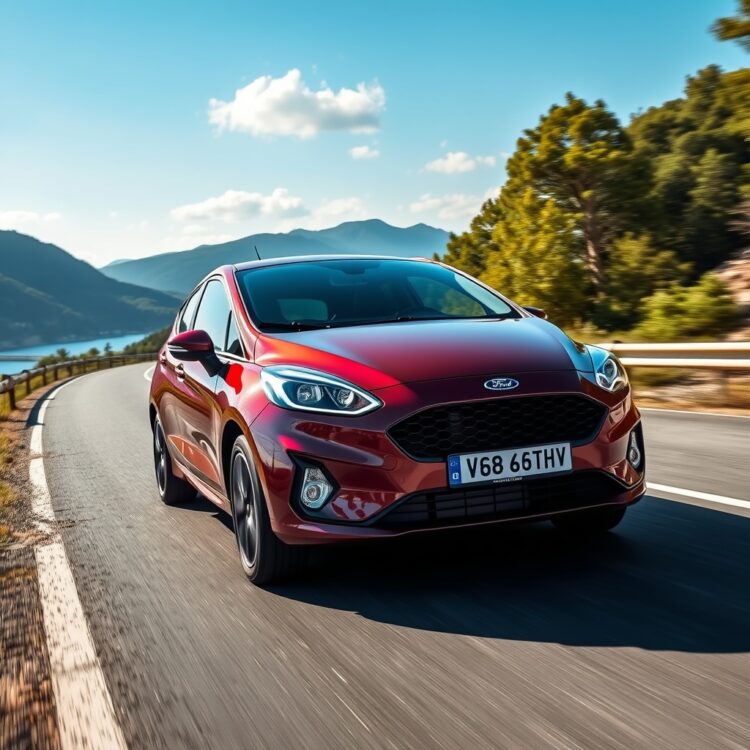
When test-driving a Ford Fiesta, pay close attention to the engine’s responsiveness and gearbox smoothness. The 1.0-litre EcoBoost engine is a standout, offering punchy performance and excellent efficiency. Check for any unusual noises or vibrations, as these could indicate underlying issues. The ride quality should feel balanced—firm enough for spirited driving but comfortable for daily commutes.
Test the infotainment system and ensure all features work correctly. Take the car on a variety of roads to assess its handling in different conditions. Don’t forget to inspect the interior for wear and tear, especially in used models. A thorough test drive ensures you’re making an informed decision.
Questions to Ask the Dealer or Seller
Before finalising your purchase, ask about the car’s service history and any outstanding recalls. For used models, enquire about previous owners and accident history. If buying from a dealer, clarify warranty coverage and financing terms. For private sellers, request maintenance records and proof of ownership.
It’s also worth asking about any aftermarket modifications and whether they’re covered by insurance. A transparent seller will provide honest answers, giving you peace of mind. Taking the time to ask these questions can save you from costly surprises down the road.
Negotiating the Purchase of a Ford Fiesta
Strategies for Getting the Best Price
When negotiating for a Ford Fiesta, research is your best ally. Start by checking the market value of the model you’re interested in, including any dealer incentives or rebates. We’ve found that timing matters—dealers are often more flexible at the end of the month or during promotional periods. Don’t hesitate to walk away if the deal doesn’t meet your expectations. Remember, confidence and patience can save you hundreds, if not thousands, of pounds.
Another tactic is to focus on the total cost rather than monthly payments. Dealers might stretch the loan term to lower payments, but this increases the overall expense. We recommend getting pre-approved financing to strengthen your position. If you’re trading in a car, know its value beforehand. Websites like Lowes Auto offer valuable insights into pricing trends, helping you negotiate from a place of knowledge.
Understanding Dealer Incentives and Rebates
Dealers often have hidden incentives or rebates that can significantly reduce the price of a Ford Fiesta. These might include cashback offers, low-interest financing, or loyalty discounts for returning customers. We suggest asking the dealer directly about any ongoing promotions. Sometimes, manufacturers offer special deals to clear out older inventory, so keep an eye on seasonal sales events.
It’s also worth exploring regional incentives, as they can vary by location. For example, urban dealers might have different offers than rural ones. Check the resale value of the Fiesta to understand its long-term worth. Combining rebates with strong negotiation can make your purchase even more affordable. Always read the fine print to ensure you qualify for these discounts.
Ownership Experience Daily Life with a Ford Fiesta
Real-World Fuel Economy and Performance
The Ford Fiesta is known for its impressive fuel efficiency, especially in urban settings. We’ve found that the 1.0-litre EcoBoost engine delivers around 50 MPG, making it a cost-effective choice for daily commutes. The car’s lightweight design and responsive handling add to its appeal, ensuring a smooth ride even in stop-and-go traffic.
Performance-wise, the Fiesta excels in agility. Its compact size makes it easy to manoeuvre through tight spaces, while the turbocharged engines provide ample power for highway driving. If you’re considering a used model, check the years to avoid to ensure reliability. Overall, the Fiesta strikes a balance between efficiency and fun, making it a practical yet enjoyable car to own.
Handling and Comfort in Various Driving Conditions
One of the Fiesta’s standout features is its handling. The car feels planted on winding roads, thanks to its well-tuned suspension and precise steering. We’ve noticed that even base models offer a comfortable ride, though higher trims like the ST-Line add sportier touches. The cabin is surprisingly spacious for a small car, with supportive seats that reduce fatigue on long drives.
In adverse weather, the Fiesta holds its own. The optional winter pack, including heated seats and mirrors, enhances comfort in colder months. For those living in rural areas, the car’s compact size and good ground clearance make it versatile. If you’re curious about running costs, the Fiesta’s affordability extends beyond the purchase price.
Future of the Ford Fiesta What to Expect
Upcoming Models and Innovations
Ford has hinted at electrifying the Fiesta lineup, with hybrid and fully electric models likely in the pipeline. We expect these to retain the car’s signature agility while offering improved efficiency. The brand’s focus on connectivity and tech means future Fiestas could feature advanced infotainment systems and driver-assistance tools.
However, the shift to electric vehicles (EVs) raises questions about the Fiesta’s traditional appeal. Will it lose its sporty edge? Early indications suggest Ford aims to blend performance with sustainability. For now, the current models remain a solid choice, especially with external insights predicting a gradual transition.
The Role of the Ford Fiesta in the Electric Vehicle Market
As the automotive industry pivots to EVs, the Fiesta’s future is uncertain. Ford’s decision to phase out some petrol models suggests the Fiesta may evolve into an electric-only offering. We believe its compact size and popularity make it a strong candidate for electrification, appealing to urban drivers seeking eco-friendly options.
Yet, the challenge lies in maintaining affordability. EVs are typically pricier than their petrol counterparts, and the Fiesta’s budget-friendly reputation is a key selling point. If Ford can balance cost and innovation, the electric Fiesta could thrive. Until then, the current models offer a reliable and efficient option for buyers.
Frequently Asked Questions
What is the best way to negotiate a Ford Fiesta price?
Research the market value, check for dealer incentives, and consider timing your purchase at the end of the month. Getting pre-approved financing and knowing your trade-in’s worth can also strengthen your position. Always focus on the total cost, not just monthly payments.
How does the Ford Fiesta perform in real-world driving?
The Fiesta excels in fuel efficiency, especially with the 1.0-litre EcoBoost engine, delivering around 50 MPG. Its agile handling and compact size make it ideal for city driving, while turbocharged engines provide ample power for highways.
What are the common incentives when buying a Ford Fiesta?
Dealers often offer cashback, low-interest financing, or loyalty discounts. Seasonal promotions and regional incentives can also reduce the price. Always ask about hidden rebates and read the fine print to ensure eligibility.
Will there be an electric Ford Fiesta?
Ford has hinted at electrifying the Fiesta lineup, with hybrid and fully electric models likely in the future. While details are scarce, the brand aims to balance performance and sustainability, though affordability remains a challenge.
Is the Ford Fiesta a good car for long drives?
Yes, the Fiesta’s comfortable seats and well-tuned suspension make it suitable for long journeys. Higher trims offer additional features like heated seats, enhancing comfort in various conditions.