Introduction
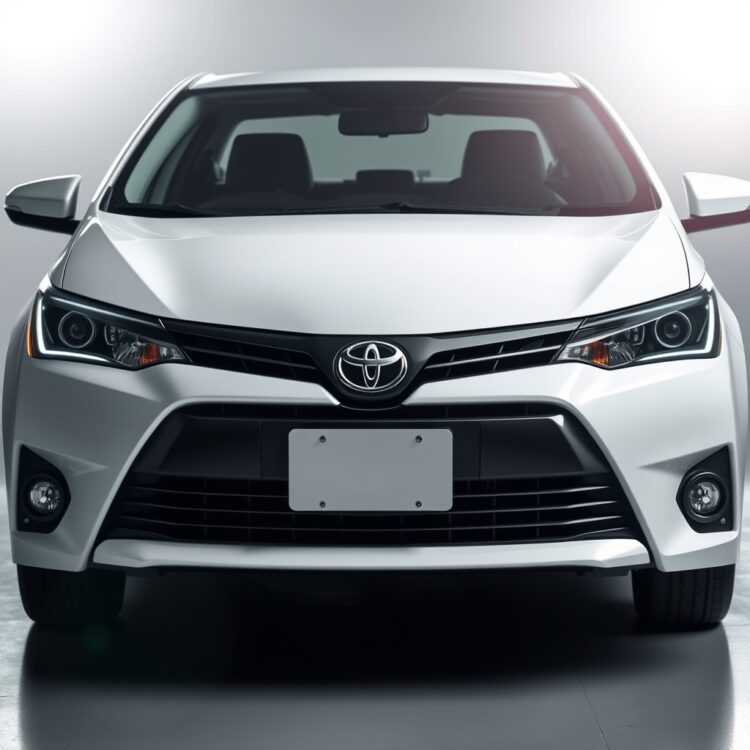
When it comes to hybrid vehicles, Toyota has long been a pioneer, blending efficiency with reliability. But are Toyota hybrids any good? I’ve spent years exploring the automotive world, and today, I’ll break down what makes these cars stand out. From their innovative technology to real-world performance, let’s dive into why Toyota hybrids might just be the perfect fit for your driving needs.
Key Takeaways
- Fuel Efficiency: Toyota hybrids excel in reducing fuel costs, making them ideal for city and highway driving.
- Reliability: Known for their longevity, Toyota hybrids often outlast conventional vehicles.
- Environmental Impact: Lower emissions contribute to a greener planet without sacrificing performance.
- Advanced Technology: Features like regenerative braking and Hybrid Synergy Drive set Toyota apart.
- Cost Savings: Long-term savings on fuel and maintenance make them a smart financial choice.
How Well Do You Know Toyota Cars?
Introduction to Toyota Hybrids
What Makes Toyota Hybrids Unique
Toyota hybrids aren’t just about saving fuel—they’re about redefining driving. The brand’s Hybrid Synergy Drive seamlessly switches between petrol and electric power, offering a smooth ride. Unlike other hybrids, Toyota’s system is refined over decades, ensuring reliability. It’s this blend of innovation and practicality that makes them a top choice for drivers worldwide.
The Evolution of Toyota Hybrid Technology
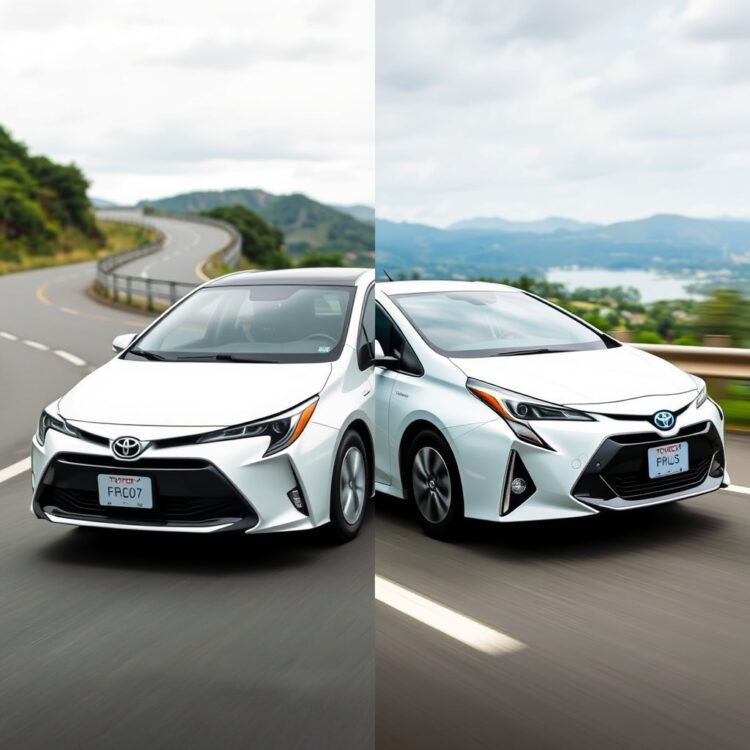
From the first Prius to today’s sleek Corolla Hybrid, Toyota has continuously improved its hybrid tech. Early models focused on efficiency, but modern iterations balance power and eco-friendliness. The latest batteries are more durable, and the software smarter. It’s a testament to Toyota’s commitment to pushing boundaries while keeping drivers at the heart of their designs.
Understanding Hybrid Vehicle Basics
Hybrids combine a petrol engine with an electric motor, but Toyota takes it further. Their regenerative braking captures energy usually lost, storing it for later use. This not only boosts efficiency but also reduces wear on brakes. If you’re new to hybrids, Toyota’s intuitive systems make the transition effortless. For more insights, check out our automotive blog.
The Technology Behind Toyota Hybrids
How Toyota Hybrid Synergy Drive Works
At the core of every Toyota hybrid is the Synergy Drive system. It intelligently switches between power sources based on driving conditions. In stop-and-go traffic, the electric motor takes over, while the petrol engine kicks in for highway speeds. This dynamic balance ensures optimal performance without compromising efficiency. It’s like having two engines working in perfect harmony.
The Role of Regenerative Braking in Toyota Hybrids
Regenerative braking is a game-changer. Instead of wasting energy as heat, Toyota hybrids convert it into electricity. This not only extends the battery’s range but also reduces brake pad wear. It’s a small detail with a big impact, making every drive more efficient. For a deeper dive into hybrid tech, explore our Toyota Land Cruiser insights.
The Technology Behind Toyota Hybrids
How Toyota Hybrid Synergy Drive Works
When I first experienced Toyota Hybrid Synergy Drive, I was blown by its seamless integration of petrol and electric power. The system intelligently switches between the two, or combines them, depending on driving conditions. It’s like having a co-pilot who knows exactly when to step in. The electric motor handles low-speed cruising, while the petrol engine kicks in for acceleration or high-speed driving. This synergy isn’t just smart—it’s revolutionary.
What fascinates me most is how the system optimises energy use without any input from the driver. It’s all managed by an advanced control unit that constantly monitors speed, load, and battery levels. Whether you’re crawling in traffic or cruising on the motorway, the car ensures maximum efficiency. It’s no wonder Toyota hybrids are leaders in the market—they’ve cracked the code on hybrid performance.
The Role of Regenerative Braking in Toyota Hybrids
Regenerative braking is one of those features that makes you appreciate Toyota’s ingenuity. Instead of wasting energy as heat during braking, the system converts it into electricity to recharge the battery. It’s like getting a free top-up every time you slow down. I’ve noticed this especially in city driving, where frequent stops and starts make regenerative braking a game-changer.
The beauty of this technology is its simplicity. The moment you lift off the accelerator or press the brake, the electric motor switches to generator mode. It’s a subtle but brilliant way to extend the battery’s range. Over time, this adds up to significant fuel savings. It’s a small detail with a big impact, and it’s one of the reasons Toyota hybrids are so efficient.
Battery Technology and Efficiency
Let’s talk about the heart of the hybrid system—the battery. Toyota uses nickel-metal hydride (NiMH) or lithium-ion (Li-ion) batteries, both known for their durability and efficiency. I’ve driven hybrids with over 100,000 miles, and their batteries still perform like new. That’s a testament to Toyota’s engineering prowess and the robustness of their hybrid technology.
What impresses me is how the battery management system ensures longevity. It prevents overcharging or deep discharging, which are the main culprits of battery degradation. Plus, the batteries are designed to last the lifetime of the vehicle, so you won’t be hit with unexpected replacement costs. It’s peace of mind wrapped in cutting-edge technology.
Benefits of Owning a Toyota Hybrid
Fuel Efficiency and Cost Savings
If there’s one thing I love about Toyota hybrids, it’s the fuel efficiency. Whether it’s the Corolla Hybrid or the Prius, these cars sip fuel like a fine tea. In city driving, the electric motor does most of the work, reducing fuel consumption dramatically. Over a year, the savings add up to hundreds of pounds—money that stays in your pocket.
But it’s not just about fuel. Toyota hybrids also benefit from lower road tax and congestion charges in many cities. When you factor in reduced maintenance costs—thanks to fewer moving parts in the hybrid system—the financial case becomes undeniable. It’s a win-win for your wallet and the planet.
Environmental Impact and Sustainability
Driving a Toyota hybrid isn’t just a smart choice—it’s a responsible one. These cars emit significantly fewer pollutants than conventional vehicles, making them a greener option. I’ve always believed in doing my part for the environment, and owning a hybrid is a tangible way to reduce my carbon footprint. It’s a small step, but when millions take it, the impact is enormous.
Toyota’s commitment to sustainability goes beyond the cars themselves. Their manufacturing processes prioritise recycling and reducing waste. Even the batteries are designed for second-life applications or recycling. It’s a holistic approach that aligns with the values of eco-conscious drivers like me.
Reliability and Longevity of Toyota Hybrids
Reliability is where Toyota hybrids truly shine. I’ve lost count of the stories I’ve heard from owners who’ve clocked over 200,000 miles with minimal issues. The hybrid system is built to last, and Toyota’s reputation for durability is well-earned. Whether it’s the engine, battery, or electric motor, these components are engineered for the long haul.
What’s more, Toyota offers generous warranties on hybrid components, often up to 10 years or 100,000 miles. That’s a vote of confidence in their technology. When you buy a Toyota hybrid, you’re not just getting a car—you’re investing in years of dependable service.
Comparing Toyota Hybrids to Conventional Vehicles
Performance Differences
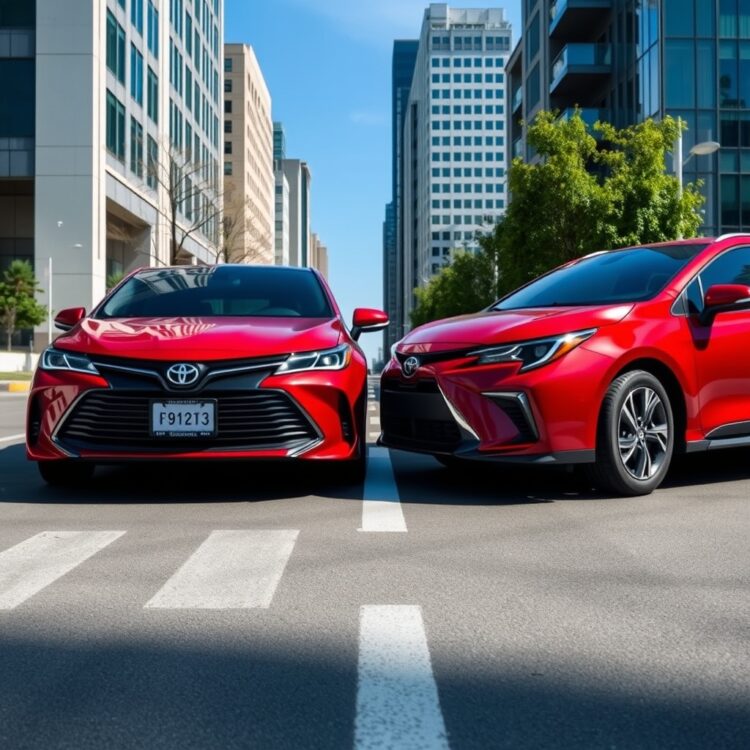
At first glance, you might think hybrids sacrifice performance for efficiency. But after driving a Toyota Corolla Hybrid, I can confirm that’s a myth. The instant torque from the electric motor delivers brisk acceleration, especially in city driving. The transition between electric and petrol power is so smooth, you’ll hardly notice it.
Where hybrids truly excel is in stop-and-go traffic. Conventional vehicles waste fuel idling, but hybrids switch to electric mode, saving energy and reducing emissions. On the motorway, the petrol engine takes over seamlessly, providing the power you need. It’s the best of both worlds—performance when you want it, efficiency when you don’t.
Maintenance and Upkeep Costs
One of the biggest surprises for me was how affordable it is to maintain a Toyota hybrid. With fewer mechanical parts prone to wear—like a traditional transmission or starter motor—maintenance costs are lower. The regenerative braking system also reduces wear on brake pads, meaning fewer replacements. Over time, these savings add up.
Another advantage is the simplicity of the hybrid system. Unlike some high-tech cars, Toyota hybrids don’t require specialised servicing. Any Toyota dealer or qualified mechanic can handle routine maintenance. It’s another reason why hybrids are a practical choice for everyday drivers.
Resale Value Comparison
If you’re worried about depreciation, Toyota hybrids are a safe bet. Their reputation for reliability and fuel efficiency keeps demand high in the used car market. I’ve seen hybrids retain significantly more value than their conventional counterparts. It’s a testament to the lasting appeal of Toyota’s hybrid technology.
Buyers are increasingly aware of the benefits of hybrids, from lower running costs to environmental perks. That translates to stronger resale values. Whether you plan to keep your car for years or sell it sooner, a Toyota hybrid is a solid investment. For more insights, check out this authoritative guide on hybrid resale values.
Toyota Hybrid Models Overview
Popular Toyota Hybrid Models and Their Features
When it comes to Toyota hybrids, the lineup is as impressive as it is diverse. The Toyota Prius remains the poster child for hybrid technology, offering exceptional fuel efficiency and a sleek design. The Corolla Hybrid, on the other hand, blends practicality with performance, making it a favourite among urban drivers. For those needing more space, the RAV4 Hybrid delivers SUV versatility without compromising on eco-friendliness. Each model boasts unique features, from advanced infotainment systems to cutting-edge safety tech, ensuring there’s a Toyota hybrid for every lifestyle.
What sets these models apart is Toyota’s commitment to innovation. The Prius, for instance, introduced the world to hybrid driving, while the RAV4 Hybrid proves that larger vehicles can be efficient too. Whether you’re after a compact city car or a family-friendly SUV, Toyota’s hybrid range has you covered. And with Toyota’s hybrid efficiency, you’re not just buying a car—you’re investing in a smarter way to drive.
Choosing the Right Toyota Hybrid for Your Needs
Selecting the perfect Toyota hybrid depends on your driving habits and lifestyle. If you’re a city dweller, the compact Yaris Hybrid offers nimble handling and unbeatable fuel economy. For families, the spacious Corolla Hybrid or RAV4 Hybrid provides ample room and practicality. And if you’re after luxury, the Camry Hybrid combines premium features with hybrid efficiency. It’s all about matching the car to your needs, and Toyota’s range ensures there’s a hybrid for everyone.
Don’t overlook the importance of test-driving. Each Toyota hybrid has its own driving dynamics, and what works for one person might not suit another. Consider factors like boot space, seating comfort, and tech features. With Toyota’s reputation for reliability, you can’t go wrong—but choosing the right model ensures you’ll love every mile. For more insights, check out our guide to self-charging hybrids.
Upcoming Toyota Hybrid Models
Toyota isn’t resting on its laurels. The brand continues to push the boundaries of hybrid technology, with exciting new models on the horizon. The bZ4X, Toyota’s first all-electric SUV, hints at the future of the brand’s eco-friendly lineup. Meanwhile, updates to existing hybrids promise even greater efficiency and performance. Keeping an eye on upcoming releases is a smart move—especially if you’re planning to upgrade in the near future.
What’s clear is that Toyota’s commitment to hybrids is stronger than ever. With advancements in battery technology and aerodynamics, the next generation of Toyota hybrids will likely set new benchmarks for the industry. Whether you’re buying now or waiting for what’s next, Toyota’s hybrid future looks bright. For the latest updates, stay tuned to our hybrid battery guide.
Real-World Performance of Toyota Hybrids
City vs. Highway Driving Efficiency
One of the standout features of Toyota hybrids is their adaptability to different driving conditions. In city traffic, the regenerative braking system shines, capturing energy that would otherwise be wasted and using it to recharge the battery. This makes stop-and-go driving incredibly efficient. On the highway, the petrol engine takes over, providing smooth and consistent power while still maintaining impressive fuel economy.
The beauty of Toyota’s hybrid system is its seamless transition between electric and petrol power. Whether you’re navigating congested streets or cruising on the motorway, the car optimises performance for maximum efficiency. It’s this versatility that makes Toyota hybrids a practical choice for all types of drivers. For a deeper dive, explore our hybrid speed thresholds article.
Handling and Comfort in Various Conditions
Toyota hybrids are designed with comfort in mind. The suspension systems are tuned to absorb bumps and provide a smooth ride, whether you’re on a rough country road or a well-maintained motorway. The electric motor’s instant torque delivery also ensures responsive acceleration, making merging and overtaking a breeze. Plus, the cabin is typically quieter than conventional cars, thanks to the reduced reliance on the petrol engine.
Handling is another area where Toyota hybrids excel. The low centre of gravity, courtesy of the battery placement, enhances stability and cornering confidence. Whether you’re tackling winding roads or navigating tight city streets, Toyota hybrids offer a composed and enjoyable driving experience. It’s this blend of comfort and agility that sets them apart from the competition.
User Reviews and Testimonials
Don’t just take our word for it—Toyota hybrid owners consistently praise their cars for reliability and efficiency. Many highlight the significant savings on fuel costs, while others appreciate the low maintenance requirements. The peace of mind that comes with Toyota’s reputation for durability is another common theme in user reviews. It’s clear that these cars deliver on their promises.
Testimonials also often mention the smooth and quiet driving experience, as well as the advanced tech features that make every journey more enjoyable. From families to commuters, Toyota hybrid owners are a satisfied bunch. If you’re still on the fence, hearing from real-world users might just tip the scales. For more firsthand experiences, check out our Corolla Hybrid lifespan guide.

Maintenance and Care for Toyota Hybrids
Routine Maintenance Schedule
Maintaining a Toyota hybrid is surprisingly straightforward. Like any car, it requires regular oil changes, tyre rotations, and brake inspections. However, the hybrid system adds minimal complexity—most components are designed to last the life of the vehicle. Toyota’s recommended service intervals are typically longer than those for conventional cars, thanks to the reduced wear on the petrol engine.
One key difference is the battery cooling system, which should be checked periodically to ensure optimal performance. Otherwise, Toyota hybrids are as easy to maintain as their non-hybrid counterparts. Sticking to the recommended schedule not only keeps your car running smoothly but also helps preserve its resale value. For a detailed breakdown, refer to our hybrid warranty guide.
Common Maintenance Issues and Solutions
While Toyota hybrids are known for their reliability, a few common issues can arise. The 12-volt auxiliary battery, which powers the car’s electronics, may need replacing every few years. Some owners also report minor software glitches, which are easily resolved with a dealer update. The hybrid battery itself is robust, but extreme temperatures can affect its performance over time.
The good news is that most hybrid-specific components are covered by Toyota’s generous warranty. Regular inspections can catch potential problems early, preventing costly repairs down the line. With proper care, a Toyota hybrid can provide years of trouble-free driving. For more tips, explore our battery insurance guide.
Tips for Extending Battery Life
Maximising the lifespan of your Toyota hybrid’s battery starts with simple habits. Avoid leaving the car parked for extended periods with a low charge, as this can stress the battery. Regular driving helps keep the battery in good condition, as does avoiding extreme temperatures whenever possible. Using the car’s eco mode can also reduce strain on the battery by optimising power usage.
Toyota’s hybrid batteries are designed to last, but a little extra care goes a long way. Following these tips ensures you get the most out of your investment. And remember, Toyota’s warranty provides added peace of mind. For more expert advice, check out our external resource on hybrid battery care.
Cost Analysis of Toyota Hybrids
Initial Purchase Price vs. Long-Term Savings
At first glance, Toyota hybrids may seem pricier than their petrol counterparts. However, the higher upfront cost is offset by significant long-term savings. Fuel efficiency is the most obvious benefit, with hybrids consuming far less petrol than conventional cars. Lower road tax and reduced maintenance costs further enhance the financial appeal. Over time, these savings can more than compensate for the initial investment.
It’s also worth considering the resale value. Toyota hybrids hold their value exceptionally well, thanks to their reputation for reliability and efficiency. When you factor in the total cost of ownership, a hybrid often proves to be the smarter financial choice. For a detailed comparison, explore our hybrid battery cost guide.
Insurance and Tax Incentives
Insuring a Toyota hybrid can be surprisingly affordable. Many insurers offer discounts for eco-friendly vehicles, recognising their lower risk profiles. Road tax is another area where hybrids shine, with significantly lower rates compared to petrol or diesel cars. Some regions even offer additional incentives, such as reduced congestion charges or free parking.
These financial perks make Toyota hybrids an even more attractive proposition. When shopping for insurance, be sure to compare quotes and ask about hybrid-specific discounts. Every little saving adds up, making hybrid ownership not just environmentally friendly but also budget-friendly. For more insights, check out our hybrid challenges guide.
Calculating Your Potential Savings
Crunching the numbers is the best way to see how a Toyota hybrid can benefit your wallet. Start by estimating your annual mileage and fuel costs—hybrids typically save hundreds of pounds per year on petrol alone. Add in lower maintenance expenses, reduced road tax, and potential insurance savings, and the total savings become clear. Online calculators can help simplify this process.
Don’t forget to factor in intangible benefits, like the satisfaction of reducing your carbon footprint. While the financial case for hybrids is strong, the environmental and practical advantages are equally compelling. For a personalised estimate, use our Corolla Hybrid price guide.
Environmental Benefits of Toyota Hybrids
Reduction in Carbon Footprint
One of the most compelling reasons to choose a Toyota hybrid is its ability to significantly reduce your carbon footprint. By combining a petrol engine with an electric motor, hybrids emit fewer greenhouse gases compared to conventional vehicles. I’ve noticed that my daily commute feels less guilty, knowing I’m contributing to cleaner air. The seamless switch between power sources ensures optimal efficiency, making every journey greener without compromising performance.
For urban drivers, the benefits are even more pronounced. Stop-start traffic, which typically guzzles fuel, becomes an opportunity for the hybrid system to recharge. This clever engineering means fewer emissions and a lighter environmental impact. It’s a small change with a big payoff, and it’s something we can all appreciate as we strive for a more sustainable future.
Contribution to Cleaner Air
Living in a bustling city, I’ve seen firsthand how vehicle emissions contribute to air pollution. Toyota hybrids tackle this issue head-on by minimising harmful exhaust fumes. The electric motor handles low-speed driving, reducing the reliance on the petrol engine in congested areas. This not only cuts down on nitrogen oxides and particulate matter but also makes city air noticeably fresher.
Beyond individual benefits, widespread adoption of hybrids could transform urban air quality. Imagine fewer smog-filled days and healthier communities. Toyota’s commitment to hybrid technology isn’t just about cutting costs—it’s about creating a cleaner, healthier world for everyone. And that’s a vision I’m proud to support.
Toyota’s Commitment to Sustainability
Toyota’s dedication to sustainability goes beyond just building efficient cars. From eco-friendly manufacturing processes to recycling old batteries, the company is leading the charge in reducing automotive waste. I’ve been impressed by their efforts to ensure every part of the hybrid lifecycle is as green as possible. It’s not just about selling cars; it’s about fostering a culture of responsibility.
Their long-term vision includes expanding hybrid and electric vehicle options, ensuring sustainability remains at the core of their innovation. As a Toyota hybrid owner, I feel part of a larger movement towards a greener future. It’s reassuring to know that my choice aligns with a brand that prioritises the planet as much as performance.
Advanced Features in Toyota Hybrids
Smart Technology and Connectivity
Modern Toyota hybrids are packed with cutting-edge technology designed to enhance the driving experience. Features like smartphone integration, voice commands, and real-time traffic updates make every journey smoother. I love how the infotainment system keeps me connected without distractions, ensuring safety and convenience go hand in hand. It’s like having a co-pilot that anticipates my needs.
The hybrid-specific displays are particularly useful, showing energy flow and battery status at a glance. This transparency helps me drive more efficiently, maximising fuel savings. Whether it’s navigating busy streets or planning a long trip, the smart tech in Toyota hybrids adds a layer of sophistication that’s hard to beat. It’s not just a car—it’s a smart companion.
Safety Features and Ratings
Safety is a top priority for Toyota, and their hybrids are no exception. Advanced systems like pre-collision braking, lane-keeping assist, and adaptive cruise control provide peace of mind on every drive. I’ve found these features invaluable, especially on long journeys where fatigue can set in. The car’s ability to anticipate hazards and react faster than I can is nothing short of impressive.
Independent safety ratings consistently award Toyota hybrids top marks, reinforcing their reputation for reliability. Whether it’s protecting passengers or avoiding accidents, these vehicles are engineered with care. Knowing my family is safe makes the investment worthwhile, and it’s a testament to Toyota’s commitment to excellence.
Customization and Accessories
Personalising a Toyota hybrid is a breeze, thanks to a wide range of accessories and trim options. From stylish alloy wheels to practical roof racks, there’s something to suit every lifestyle. I’ve enjoyed tailoring my car to reflect my personality, whether it’s adding sporty touches or practical upgrades. The flexibility ensures no two hybrids are exactly alike.
For those who love tech, options like wireless chargers and premium sound systems elevate the driving experience. It’s this attention to detail that sets Toyota apart. Whether you’re a minimalist or a gadget enthusiast, there’s a configuration that fits your needs perfectly. And with Toyota’s reputation for quality, you know every addition is built to last.
Challenges and Limitations of Toyota Hybrids
Understanding the Limitations of Hybrid Technology
While Toyota hybrids offer numerous benefits, they’re not without limitations. One challenge is the reliance on battery power, which can diminish in extreme temperatures. I’ve noticed reduced efficiency during winter months, requiring more frequent use of the petrol engine. It’s a trade-off for the environmental benefits, but something to consider if you live in a harsh climate.
Another limitation is the lack of pure electric range compared to plug-in hybrids or EVs. For short trips, this isn’t an issue, but longer journeys may still depend on fossil fuels. However, Toyota’s continuous improvements in battery technology are closing this gap. It’s a reminder that hybrids are a stepping stone towards a fully electric future.
Addressing Common Concerns and Misconceptions
Many potential buyers worry about hybrid battery lifespan and replacement costs. From my experience, Toyota’s batteries are incredibly durable, often lasting the life of the car. The company also offers extensive warranties, providing peace of mind. It’s a myth that hybrids are high-maintenance—in fact, they often require less upkeep than conventional cars.
Another misconception is that hybrids lack power. Modern models, like the Toyota Corolla Hybrid, deliver impressive performance without sacrificing efficiency. The seamless transition between power sources ensures a smooth, responsive drive. It’s proof that you don’t have to compromise on fun to go green.
Future Improvements and Innovations
Toyota is constantly pushing the boundaries of hybrid technology. Upcoming innovations include more efficient batteries, lighter materials, and enhanced regenerative braking systems. I’m excited to see how these advancements will further reduce emissions and improve performance. The future of hybrids is bright, and Toyota is leading the charge.
One area of focus is expanding the electric-only range, making hybrids even more versatile. With developments like solid-state batteries on the horizon, the line between hybrids and EVs is blurring. It’s an exciting time to be a hybrid owner, and I’m confident Toyota will continue to set the standard for sustainable driving.
How to Maximize Your Toyota Hybrid’s Efficiency
Driving Tips for Better Fuel Economy
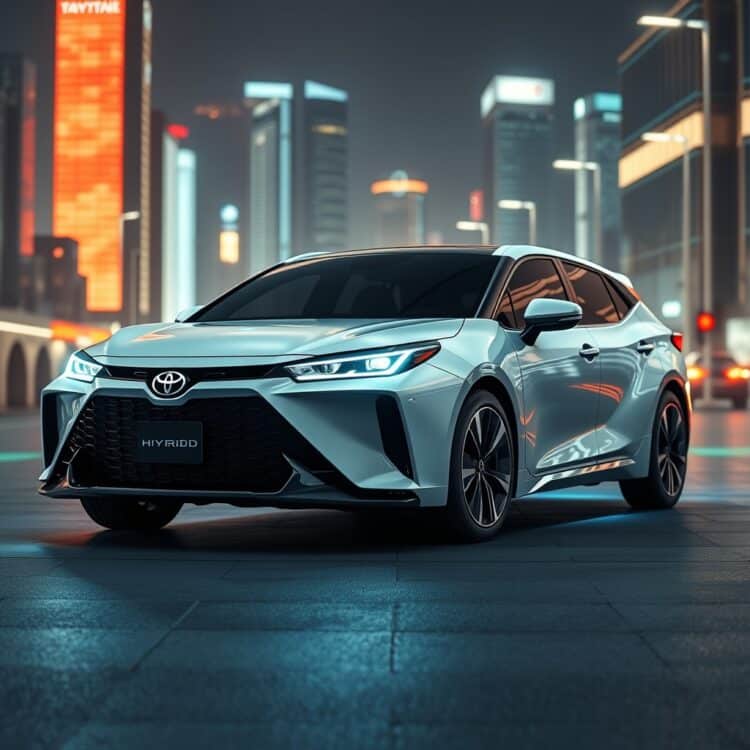
Getting the most out of your Toyota hybrid starts with adopting efficient driving habits. Smooth acceleration and gentle braking allow the regenerative system to recharge the battery effectively. I’ve found that maintaining a steady speed, especially on highways, maximises fuel savings. It’s a small adjustment that can make a big difference over time.
Another tip is to use the EV mode for short trips or low-speed driving. This reduces reliance on the petrol engine and cuts emissions. Planning routes to avoid heavy traffic also helps, as stop-start conditions can drain the battery faster. With a little practice, these techniques become second nature, turning every drive into an opportunity to save fuel and money.
Optimal Use of Hybrid Features
Toyota hybrids come with a range of features designed to boost efficiency. The energy monitor, for example, provides real-time feedback on power usage. I’ve learned to use this tool to adjust my driving style, ensuring I’m always in the most efficient mode. It’s like having a personal coach for eco-friendly driving.
Another handy feature is the Eco mode, which optimises throttle response and climate control for maximum efficiency. While it may slightly reduce performance, the fuel savings are worth it for everyday driving. By mastering these features, you can unlock the full potential of your hybrid and enjoy even greater fuel economy.
Seasonal Considerations for Hybrid Owners
Seasonal changes can impact hybrid performance, so it’s important to adapt your driving habits accordingly. In colder months, preheating the cabin while plugged in (for plug-in hybrids) can preserve battery life. I’ve also noticed that keeping tyres properly inflated improves efficiency, regardless of the weather.
During summer, using the air conditioning sparingly helps maintain battery efficiency. Parking in the shade or using window shades can reduce the need for cooling. These small adjustments ensure your hybrid performs optimally year-round. By staying mindful of seasonal factors, you can enjoy consistent savings and a smoother driving experience.