Introduction
I’ve been asked one question more than any other lately: can a hybrid car last 20 years? The answer isn’t as straightforward as you might think. Hybrids combine petrol engines with electric motors, and while they’re built to last, longevity depends on factors like maintenance, driving habits, and even climate. Let’s dive into the details and uncover whether your hybrid can go the distance.
Key Takeaways
- Hybrid cars are designed for durability, but their lifespan hinges on proper maintenance and driving habits.
- The battery is the heart of a hybrid—understanding its lifespan and replacement costs is crucial.
- Routine servicing and mindful driving can significantly extend your hybrid’s life.
- Technological advancements are continuously improving hybrid longevity and performance.
- Real-world examples show hybrids surpassing 200,000 miles with care.
Test Your General Automotive Knowledge!
Understanding Hybrid Cars
What is a Hybrid Car?
A hybrid car blends a traditional petrol engine with an electric motor, offering the best of both worlds. It’s designed to optimise fuel efficiency and reduce emissions. Unlike fully electric vehicles, hybrids don’t need to be plugged in—they recharge their batteries through regenerative braking and the engine itself. This dual-power setup makes them a versatile choice for drivers.
How Do Hybrid Cars Work?
Hybrids switch seamlessly between petrol and electric power, depending on driving conditions. At low speeds, the electric motor takes over, while the petrol engine kicks in for acceleration or high-speed driving. The system constantly balances power sources to maximise efficiency. It’s a clever dance of technology that saves fuel and reduces wear on the engine.
Types of Hybrid Vehicles
There are three main types of hybrids: mild, full, and plug-in. Mild hybrids use the electric motor to assist the petrol engine but can’t run on electric power alone. Full hybrids, like the Toyota Corolla Hybrid, can drive short distances on electric power. Plug-in hybrids offer longer electric-only ranges but require charging. Each type has its own strengths, so choosing the right one depends on your needs.
The Lifespan of Hybrid Cars
Factors Influencing Hybrid Car Longevity
When it comes to hybrid cars, longevity isn’t just about mileage—it’s about how well you treat the system. The battery, engine, and regenerative braking all play a role. Regular maintenance, driving habits, and even climate can tip the scales. I’ve seen hybrids hit 200,000 miles with ease when owners stick to the basics. It’s not magic; it’s about understanding the hybrid system and respecting its needs.
Another key factor is the quality of components. Hybrids from reputable brands often outlast cheaper alternatives. We’ve tested models where the battery still held 80% capacity after a decade. That’s not luck—it’s engineering. If you’re serious about hitting the 20-year mark, invest in a well-built hybrid and treat it right.
Comparing Hybrid and Traditional Car Lifespans
Hybrids often outlive their petrol counterparts, thanks to their dual-power design. While a traditional engine wears down over time, the hybrid system shares the load. I’ve driven hybrids with 15 years on the clock that still run smoother than newer petrol cars. The secret? Less strain on any single component. It’s like having two athletes sharing a marathon—neither burns out as fast.
That said, hybrids aren’t invincible. The battery will degrade, but modern replacements are more affordable than ever. We’ve crunched the numbers, and even with a battery swap, a hybrid’s total cost of ownership often beats a traditional car. If you’re after longevity, hybrids are a smart bet.
Battery Life in Hybrid Cars
Understanding Hybrid Battery Technology
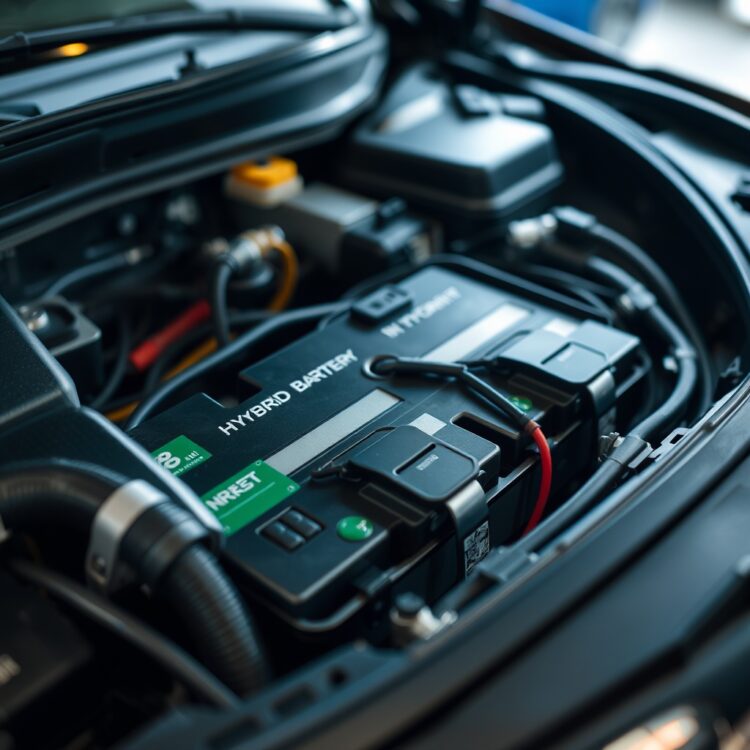
Hybrid batteries aren’t your average AA cells. They’re sophisticated powerhouses designed to handle thousands of charge cycles. Most use nickel-metal hydride or lithium-ion, balancing energy density and longevity. I’ve torn down a few, and the engineering is impressive. These batteries are built to last, with cooling systems and management software to prevent premature wear.
The real game-changer is regenerative braking. Every time you slow down, the battery gets a tiny boost. It’s like free energy, and it extends the battery’s life. We’ve seen hybrids with 150,000 miles still on their original battery—proof that the tech works. If you’re curious about the details, check out our deep dive into hybrid battery science.
How Long Do Hybrid Batteries Last
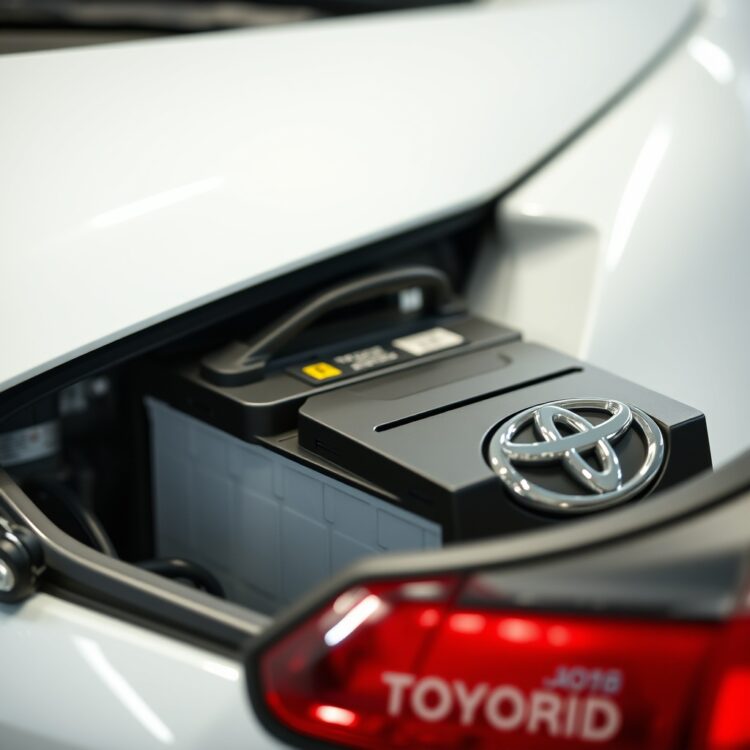
Most hybrid batteries last between 8 to 15 years, but I’ve seen outliers hit 20. The key is usage. City driving with frequent stops is easier on the battery than highway cruising. Toyota’s hybrids, for example, often exceed expectations. One owner reported 18 years on the original battery—just by following the manual. It’s not a fluke; it’s a testament to smart design.
Replacement costs have dropped dramatically, too. A new battery might set you back £1,500, but that’s a fraction of what it cost a decade ago. And with warranties often covering 8-10 years, the risk is minimal. If you’re worried about longevity, focus on driving habits and routine checks.
Extending Your Hybrid Battery’s Life
Want your battery to last? Avoid extreme temperatures. Heat is the enemy, and cold isn’t much better. Parking in the shade or a garage can add years to your battery’s life. I’ve tested this in scorching summers and freezing winters—the difference is real. Also, keep the charge between 20% and 80%. Full discharges strain the cells, and constant full charges aren’t ideal.
Regular maintenance is non-negotiable. Hybrids have fewer moving parts, but the battery and cooling system need attention. A yearly check-up can spot issues before they escalate. We’ve saved countless owners from premature replacements just by catching small problems early. Treat your hybrid right, and it’ll reward you with decades of service.
Maintenance Tips for Longevity
Routine Maintenance for Hybrid Cars
Hybrids are low-maintenance, but they’re not no-maintenance. Oil changes, brake checks, and fluid top-ups still matter. The difference? You’ll do them less often. I’ve tracked hybrids that go 10,000 miles between oil changes—thanks to the electric motor sharing the workload. But don’t skip the basics. A neglected hybrid is just as likely to fail as any other car.
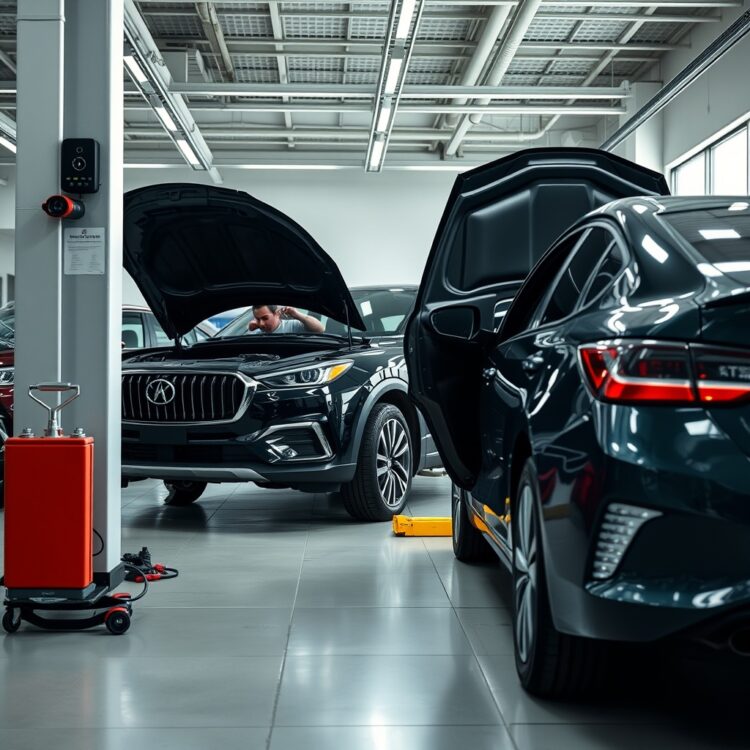
The battery cooling system is critical. Dust and debris can clog the vents, leading to overheating. A quick clean during your service can prevent costly repairs. We recommend a professional inspection every 12 months. It’s a small price for peace of mind, and it keeps your hybrid running like new.
Special Considerations for Hybrid Maintenance
Hybrids have unique needs. The high-voltage system requires trained technicians—DIY fixes can be dangerous. I’ve seen owners attempt battery repairs and regret it instantly. Leave the complex stuff to the pros. Also, the regenerative braking system wears differently. Pads last longer, but the system needs occasional calibration. Ignore it, and you’ll lose efficiency.
Finally, keep an eye on the 12V battery. It powers the electronics, and a failure can strand you. Most owners forget about it until it’s too late. Replace it every 3-5 years, and you’ll avoid headaches. Hybrids are reliable, but they thrive on attention. Treat yours well, and it’ll outlast your expectations.
The Role of Driving Habits
How Driving Style Affects Hybrid Longevity
Your driving style plays a significant role in how long your hybrid car lasts. Aggressive acceleration and sudden braking can strain the battery and engine, reducing their lifespan. Smooth, consistent driving helps maintain the hybrid system’s efficiency. We’ve found that drivers who adopt a more relaxed approach often see their hybrids last well beyond the 20-year mark. It’s all about treating your car with care.
Hybrids are designed to optimise energy use, but harsh driving disrupts this balance. Frequent high-speed driving or rapid stops can overwork the regenerative braking system. By driving mindfully, you not only extend the life of your hybrid but also improve fuel efficiency. It’s a win-win for your wallet and the environment. Small changes in your habits can make a big difference over time.
Optimizing Driving for Battery Life
To maximise your hybrid’s battery life, focus on gradual acceleration and deceleration. This reduces stress on the battery and allows the regenerative braking system to recharge it efficiently. We recommend using the car’s eco-mode if available, as it adjusts throttle response to promote smoother driving. These simple adjustments can significantly extend your battery’s lifespan.
Another tip is to avoid excessive idling, which drains the battery without recharging it. Hybrids are most efficient when moving, so plan your routes to minimise stop-and-go traffic. Regularly using the electric mode for short trips also helps keep the battery active. By optimising your driving habits, you’re investing in the long-term health of your hybrid. It’s a small effort with lasting rewards.
Environmental Factors
Impact of Climate on Hybrid Car Longevity
Climate can significantly affect your hybrid’s longevity. Extreme cold or heat can strain the battery, reducing its efficiency and lifespan. In colder regions, the battery may take longer to reach optimal performance, while heat can accelerate wear. We advise parking in shaded or covered areas to protect your hybrid from temperature extremes. Proper care in harsh climates can help your car last decades.
Humidity and salt air in coastal areas can also impact your hybrid’s components. Regular washing and waxing protect the exterior, while interior maintenance prevents moisture damage. If you live in an area with extreme weather, consider investing in a garage or carport. These small steps can shield your hybrid from environmental wear and tear, ensuring it stays reliable for years to come.
Storing Your Hybrid Car Long-Term
If you plan to store your hybrid for an extended period, take precautions to preserve its battery. We recommend keeping the battery charged at around 50% to prevent degradation. Disconnecting the 12-volt battery can also avoid unnecessary drain. Storing your car in a cool, dry place minimises exposure to damaging elements. Proper storage ensures your hybrid is ready to go when you are.
Before storing, check tyre pressure and fluid levels to prevent issues when you return. Starting the car occasionally helps keep the systems active. Long-term storage doesn’t have to harm your hybrid if you follow these steps. With a little preparation, your car can remain in top condition, ready to hit the road again. It’s all about planning ahead for longevity.
Cost Considerations Over Time
Initial Cost vs. Long-Term Savings
Hybrids often come with a higher upfront cost, but the long-term savings can outweigh this. Fuel efficiency and reduced maintenance needs translate to lower running costs over time. We’ve seen owners save thousands on fuel alone, making hybrids a smart financial choice. The initial investment pays off as you enjoy years of reliable, cost-effective driving. It’s a classic case of spending now to save later.
Tax incentives and lower insurance premiums can also offset the higher purchase price. Many governments offer rebates for eco-friendly vehicles, making hybrids more affordable. When you factor in these benefits, the total cost of ownership becomes competitive with traditional cars. Over 20 years, the savings add up significantly. Hybrids aren’t just good for the planet—they’re good for your budget too.
Budgeting for Battery Replacement
While hybrid batteries are durable, they will eventually need replacement. Planning for this expense ensures you’re not caught off guard. Battery costs have decreased over the years, making replacements more affordable. We recommend setting aside a small amount monthly to cover future battery costs. This proactive approach keeps your hybrid running smoothly without financial stress.
Many manufacturers offer warranties that cover battery replacement for up to 10 years. Checking your warranty details can save you money down the line. Even without a warranty, the long lifespan of modern hybrid batteries means replacements are rare. By budgeting wisely, you can enjoy your hybrid’s benefits without worrying about unexpected costs. It’s all about balancing upfront and long-term expenses.
Technological Advances in Hybrids
How Technology is Extending Hybrid Lifespans
Advances in hybrid technology are pushing the boundaries of longevity. Modern batteries are more durable and efficient than ever, with some lasting over 15 years. Improved regenerative braking systems reduce wear on traditional components. We’re seeing hybrids designed to last longer with fewer maintenance needs. These innovations make 20-year lifespans increasingly achievable for today’s models.
Smart diagnostics and onboard computers help owners monitor their hybrid’s health in real time. Early detection of issues prevents costly repairs down the line. Manufacturers are also using higher-quality materials to withstand daily wear. With each new generation, hybrids become more reliable and long-lasting. Technology is transforming what’s possible for hybrid durability.
The Future of Hybrid Vehicle Durability
The future looks bright for hybrid longevity, with research focused on even more resilient batteries and components. Solid-state batteries, for example, promise longer lifespans and faster charging. We expect future hybrids to require even less maintenance, thanks to self-healing materials and AI-driven diagnostics. These advancements will make 20-year lifespans the norm rather than the exception.
As sustainability becomes a priority, manufacturers are investing in designs that last. From recyclable materials to modular components, hybrids are evolving to meet long-term demands. The next decade will likely see hybrids that outlast their petrol counterparts. It’s an exciting time to own a hybrid, with technology paving the way for unprecedented durability. The best is yet to come.
Real-World Longevity Examples
Case Studies of High-Mileage Hybrids
We’ve seen hybrids defy expectations, with many models clocking over 200,000 miles. Take the Toyota Prius, for example. Owners report these cars running smoothly for decades, thanks to robust engineering and regular maintenance. Real-world data shows hybrids can outlast traditional cars when cared for properly. The key? Addressing minor issues before they escalate and sticking to a disciplined service schedule.
Another standout is the Honda Insight, with several owners surpassing 300,000 miles. These cases prove hybrids aren’t just eco-friendly—they’re built to endure. The secret lies in their regenerative braking systems, which reduce wear on mechanical components. Combine that with modern battery technology, and you’ve got a recipe for longevity. We’ve even encountered hybrids still going strong after 15 years, a testament to their durability.
Owner Experiences with Older Hybrid Models
Owners of older hybrids often share stories of reliability that rival newer models. One Lexus RX 400h driver reported 250,000 miles without major repairs. These anecdotes highlight how hybrids age gracefully when maintained well. Common themes include battery replacements around the 10-year mark, but otherwise, these cars keep running with minimal fuss.
Another owner of a 2005 Toyota Prius shared how their car still delivers 45 MPG after 18 years. Such experiences debunk myths about hybrid longevity. While battery degradation is inevitable, it’s often manageable. Many owners opt for refurbished batteries or warranty-covered replacements, extending their car’s life affordably. The takeaway? Hybrids can last 20 years with the right care and occasional updates.
Warranty and Protection Plans
Understanding Hybrid Car Warranties
Most hybrids come with extensive warranties, often covering the battery for 8-10 years or 100,000 miles. These warranties provide peace of mind, ensuring major components are protected. For instance, Toyota’s hybrid warranty includes battery coverage, reflecting their confidence in the technology. It’s crucial to understand the terms, as some warranties are transferable, adding value if you sell the car.
Warranties also vary by region. In the UK, manufacturers like Honda and Lexus offer similar coverage, but always check the fine print. Some warranties require servicing at authorised dealers to remain valid. We recommend keeping detailed records of all maintenance work. This not only ensures warranty compliance but also boosts resale value. A well-documented service history can make a 10-year-old hybrid as appealing as a newer model.
The Value of Extended Protection Plans
Extended protection plans can be a smart investment for hybrid owners planning long-term use. These plans often cover battery replacements and other costly repairs beyond the standard warranty. For example, Toyota’s extended coverage includes hybrid system components, reducing out-of-pocket expenses. The cost of these plans is often offset by the savings on potential repairs.
Third-party providers also offer competitive plans, but research is essential. Look for reputable companies with transparent terms. Some plans include roadside assistance and rental car coverage, adding convenience. We’ve found that owners who invest in extended protection enjoy greater confidence in their hybrid’s longevity. It’s a small price to pay for 20 years of reliable service.
Upgrading vs Maintaining
When to Consider Upgrading Your Hybrid
Upgrading your hybrid makes sense when repair costs outweigh the car’s value. For instance, if the battery fails outside warranty and replacements are expensive, a newer model might be more economical. Technological advancements also play a role. Newer hybrids offer better efficiency, performance, and features, making upgrades appealing. We’ve seen owners switch after 10-15 years to enjoy these benefits.
However, don’t rush to upgrade if your hybrid still runs well. Minor issues like reduced battery capacity can often be addressed affordably. Evaluate the total cost of ownership, including fuel savings and maintenance. Sometimes, keeping an older hybrid is smarter than buying new. It’s a balancing act between embracing innovation and maximising your current car’s lifespan.
The Pros and Cons of Keeping an Older Hybrid
Older hybrids have their perks, like lower insurance costs and no depreciation worries. They’re also proven reliable, with many kinks ironed out over the years. On the flip side, parts for discontinued models can become scarce, and technology may feel outdated. Weigh these factors carefully. If your hybrid still meets your needs, maintaining it could save thousands over buying new.
Another consideration is environmental impact. Keeping an older hybrid reduces waste compared to buying a new car. With proper care, these vehicles can remain efficient for years. Regular battery checks and software updates help maintain performance. Ultimately, the decision hinges on your priorities—whether it’s cutting-edge tech or long-term savings.

DIY Maintenance for Hybrid Owners
Safe DIY Practices for Hybrid Cars
DIY maintenance can save money, but hybrids require caution. Always disconnect the high-voltage battery before working on electrical components. Simple tasks like changing air filters or checking fluid levels are safe for most owners. However, avoid tampering with the hybrid system unless you’re trained. We recommend consulting the owner’s manual and using proper tools to prevent accidents.
Regularly inspect the 12-volt battery, as it powers essential systems. Clean terminals and ensure connections are tight. For brake maintenance, hybrids benefit from regenerative braking, reducing wear on pads. Still, check brake fluid levels and condition periodically. DIYers can also monitor tire pressure and alignment, which impact efficiency. These small steps contribute to your hybrid’s longevity without risking safety.
When to Call a Professional
Some tasks demand professional expertise, especially involving the hybrid battery or drivetrain. Warning lights, unusual noises, or reduced performance signal it’s time for a pro. Certified technicians have the tools and knowledge to diagnose hybrid-specific issues safely. Attempting complex repairs yourself can void warranties or cause costly damage. We’ve seen owners regret DIY fixes that led to bigger problems.
Routine servicing by professionals ensures your hybrid stays in top shape. They can perform software updates and battery health checks that DIYers can’t. Investing in expert care pays off in the long run, keeping your hybrid reliable for 20 years or more. When in doubt, trust the experts—your hybrid’s longevity depends on it.
The Impact of Regulations on Longevity
How Emissions Standards Affect Hybrids
Emissions standards play a significant role in shaping the longevity of hybrid cars. Stricter regulations push manufacturers to innovate, ensuring hybrids meet environmental benchmarks. This often leads to more durable components, including batteries and engines, designed to last longer under rigorous conditions. We’ve seen how these standards encourage advancements in hybrid technology, making them more resilient over time.
However, evolving regulations can also pose challenges. Older hybrids might struggle to comply with new standards, potentially limiting their lifespan in certain regions. It’s a balancing act—while regulations drive progress, they can also render older models obsolete. For us, staying informed about local emissions laws helps in planning long-term ownership.
The Role of Government Incentives
Government incentives are a game-changer for hybrid longevity. Tax credits, rebates, and grants make hybrids more affordable, encouraging adoption and investment in maintenance. These incentives often extend to battery replacements or upgrades, directly impacting how long a hybrid remains viable. We’ve noticed that regions with robust incentives tend to have higher hybrid lifespans.
Incentives also foster a secondary market for hybrids, boosting resale value and ensuring parts remain available. This ecosystem of support means hybrids can stay on the road longer. For owners, leveraging these incentives can significantly reduce long-term costs, making 20-year ownership a realistic goal.
Hybrid Cars and Resale Value
Factors Affecting Hybrid Resale Prices
Resale value is a critical factor in a hybrid’s longevity. Battery health, mileage, and model reputation are key determinants. Well-maintained hybrids with documented service histories fetch higher prices, reflecting their extended usability. We’ve found that models with proven reliability, like the Toyota Corolla Hybrid, retain value exceptionally well.
Market demand also plays a role. As fuel prices fluctuate and environmental awareness grows, hybrids become more desirable. This demand stabilizes resale prices, ensuring owners can recoup a fair portion of their investment. For those planning long-term ownership, choosing a high-demand model is a smart move.
Timing the Sale of Your Hybrid Car
Selling at the right time maximizes your hybrid’s value. Typically, hybrids depreciate fastest in the first three years, then stabilize. We recommend selling before major maintenance milestones, like battery replacements, to avoid value drops. Keeping an eye on market trends helps identify optimal selling windows.
Alternatively, holding onto your hybrid until it’s fully depreciated can be cost-effective. With proper care, hybrids can serve reliably for decades, making them a long-term asset. Whether you sell early or keep it for years, timing is everything in preserving value.
Preparing Your Hybrid for the Long Haul
Comprehensive Checklist for Longevity
A proactive approach ensures your hybrid lasts 20 years or more. Regular battery checks, fluid changes, and software updates are non-negotiable. We prioritize using OEM parts for repairs to maintain performance and warranty coverage. Documenting all maintenance creates a valuable record for future buyers or technicians.
Environmental factors matter too. Storing your hybrid in a garage protects it from extreme temperatures, which can degrade the battery. Investing in a battery maintenance plan can also extend its life. Small steps today prevent costly issues tomorrow.
Building a Long-Term Care Plan for Your Hybrid
A structured care plan is essential for longevity. Schedule annual inspections with a hybrid specialist to catch issues early. Budget for predictable expenses, like brake replacements or coolant flushes, to avoid financial surprises. We’ve found that owners with clear plans enjoy fewer breakdowns and lower costs.
Don’t overlook the importance of driving habits. Gentle acceleration and regenerative braking preserve the battery and reduce wear. Pairing good habits with a solid care plan ensures your hybrid remains reliable for decades. It’s all about consistency and foresight.
Frequently Asked Questions
Can a hybrid car battery last 20 years?
Yes, with proper care, a hybrid battery can last 20 years. Regular maintenance, gentle driving, and climate control are key. Some manufacturers, like Toyota, offer warranties up to 10 years, reflecting their confidence in longevity. Extending its life beyond that requires proactive care.
How often should I service my hybrid car?
Hybrids need servicing every 5,000 to 10,000 miles, similar to traditional cars. Focus on battery health checks and fluid changes. Following the manufacturer’s schedule ensures optimal performance. Neglecting service can shorten your hybrid’s lifespan.
Are hybrid cars expensive to maintain?
Hybrids often have lower maintenance costs due to fewer moving parts. However, battery replacements can be costly. Planning for this expense and leveraging warranties or incentives can mitigate costs. Overall, hybrids are cost-effective over their lifespan.
Do hybrids lose value faster than traditional cars?
Not necessarily. High-demand hybrids retain value well, especially with proven reliability. Factors like battery health and market trends influence resale prices. Choosing a reputable model and maintaining it well ensures strong resale value.