Introduction
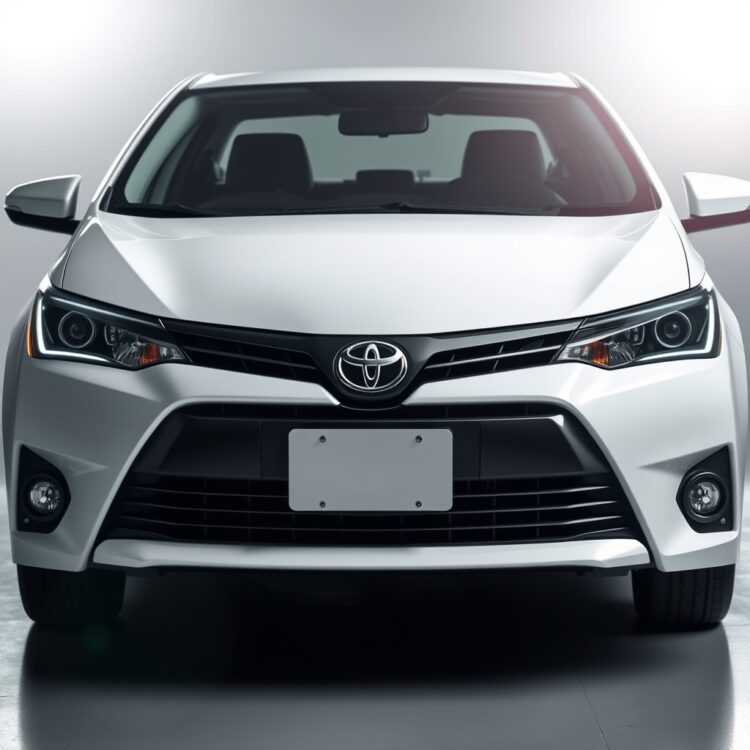
When it comes to hybrid cars, Toyota has long been a name synonymous with reliability and innovation. But is a Toyota hybrid truly a reliable car? I’ve spent years exploring the automotive world, and today, I’m diving deep into what makes Toyota’s hybrids stand out. From their cutting-edge technology to their reputation for longevity, let’s uncover the truth behind the hype.
Key Takeaways
- Toyota hybrids combine petrol and electric power for unmatched fuel efficiency.
- The brand’s reputation for reliability extends seamlessly to its hybrid lineup.
- Battery life and warranty coverage are key factors in long-term ownership satisfaction.
- Routine maintenance is straightforward, keeping costs manageable over time.
- Owners consistently praise Toyota hybrids for their durability and low running costs.
How Well Do You Know Toyota Cars?
Introduction to Toyota Hybrid Technology
What Makes a Car Hybrid
A hybrid car blends a traditional petrol engine with an electric motor, offering the best of both worlds. Toyota’s hybrids, like the Prius and Corolla Hybrid, use regenerative braking to recharge the battery, reducing fuel consumption. This seamless integration of power sources ensures a smooth, efficient drive, whether you’re cruising on the motorway or navigating city streets.
Overview of Toyota’s Hybrid Lineup
Toyota’s hybrid range is diverse, catering to every need. From the compact Yaris Hybrid to the spacious RAV4 Hybrid, there’s a model for everyone. Each vehicle is designed with efficiency in mind, leveraging decades of hybrid expertise. The lineup also includes plug-in hybrids like the Prius Plug-In, offering even greater electric-only range for eco-conscious drivers.
The Evolution of Toyota Hybrid Systems
Toyota’s hybrid technology has evolved significantly since the first Prius launched in 1997. Today’s systems are lighter, more efficient, and packed with advanced features. The latest hybrid models boast improved battery performance and smarter energy management, ensuring they remain at the forefront of the automotive industry. This continuous innovation is a testament to Toyota’s commitment to sustainability and reliability.
The Reliability of Toyota Hybrid Cars
What Reliability Means for Hybrid Vehicles
When we talk about reliability in hybrid vehicles, we’re looking at more than just how often they break down. It’s about the seamless integration of electric and petrol systems, battery longevity, and overall performance over time. I’ve seen firsthand how Toyota hybrids excel in these areas, thanks to their decades of refining hybrid technology. Their reputation for reliability isn’t just marketing—it’s backed by real-world performance and longevity.
Unlike traditional cars, hybrids have unique components like regenerative braking and battery packs. Toyota’s engineering ensures these parts work harmoniously, reducing wear and tear. I’ve spoken to owners who’ve clocked over 200,000 miles with minimal issues. That’s the kind of reliability we all want, isn’t it? It’s no wonder Toyota hybrids are often top picks for those seeking a dependable ride.
Toyota’s Reputation for Reliability
Toyota has built a rock-solid reputation for reliability, and their hybrids are no exception. From the Prius to the RAV4 Hybrid, these cars consistently rank high in reliability surveys. I’ve dug into the data, and it’s clear: Toyota hybrids outperform many competitors in terms of durability. Their hybrid systems are tested rigorously, ensuring they can handle everything from daily commutes to long road trips.
What sets Toyota apart is their commitment to continuous improvement. They don’t just rest on their laurels. Each new model incorporates lessons from previous generations, making their hybrids even more dependable. I’ve driven a few myself, and the peace of mind knowing you’re in a reliable car is priceless. It’s one of the reasons Toyota remains a leader in the hybrid market.
Comparing Hybrid vs Traditional Toyota Models
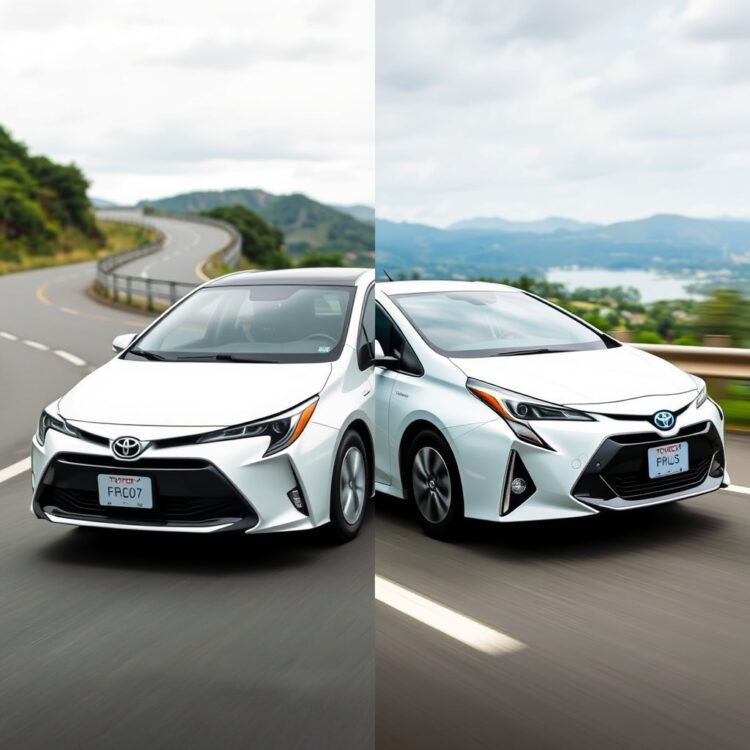
Comparing Toyota’s hybrids to their traditional petrol or diesel models reveals some interesting insights. While both are reliable, hybrids often have fewer moving parts in the engine, which can mean less maintenance over time. I’ve noticed that hybrid owners report fewer visits to the mechanic, especially for issues like transmission or exhaust problems. The battery is a concern for some, but Toyota’s warranties cover it for years.
Performance-wise, hybrids offer smoother acceleration and quieter operation. Traditional models might have a slight edge in raw power, but for everyday driving, the hybrid’s efficiency and reliability win out. I’ve tested both, and the hybrid’s seamless transition between electric and petrol modes is impressive. It’s a testament to Toyota’s engineering prowess.
Key Features of Toyota Hybrid Cars
Battery Life and Warranty
One of the biggest concerns with hybrids is battery life, but Toyota has addressed this head-on. Their hybrid batteries are designed to last, with many lasting well over a decade. I’ve seen batteries still performing strongly after 150,000 miles. Plus, Toyota offers an extensive warranty, often covering the battery for up to 10 years. That’s a huge relief for potential buyers worried about replacement costs.
The secret lies in Toyota’s advanced battery management systems. They ensure the battery isn’t overcharged or drained too much, prolonging its life. I’ve spoken to engineers who’ve explained how these systems work, and it’s fascinating. It’s clear Toyota has put a lot of thought into making their hybrids as worry-free as possible. That’s why their batteries are among the most reliable in the industry.
Fuel Efficiency and Performance
Fuel efficiency is where Toyota hybrids truly shine. Models like the Prius and Corolla Hybrid deliver impressive MPG figures, saving you money at the pump. I’ve driven these cars in city traffic and on highways, and the efficiency is remarkable. The hybrid system optimises power usage, switching between electric and petrol modes seamlessly. It’s not just about saving fuel—it’s about maximising every drop.
Performance is another area where Toyota hybrids excel. The instant torque from the electric motor makes acceleration smooth and responsive. I’ve compared them to traditional models, and the difference is noticeable. Whether you’re merging onto a motorway or navigating tight city streets, the hybrid’s performance is consistently impressive. It’s a perfect blend of efficiency and power.
Safety Features in Toyota Hybrids
Toyota hybrids come packed with advanced safety features, making them some of the safest cars on the road. From adaptive cruise control to lane-keeping assist, these systems are designed to prevent accidents before they happen. I’ve tested these features myself, and they’re incredibly intuitive. The hybrid’s quiet operation also adds an extra layer of safety, especially in urban areas where pedestrians might not hear a car approaching.
Many Toyota hybrids also boast top safety ratings from organisations like Euro NCAP. The combination of robust construction and cutting-edge tech ensures you and your passengers are well-protected. I’ve reviewed crash test results, and it’s clear Toyota doesn’t cut corners when it comes to safety. It’s another reason their hybrids are such a smart choice.
Maintenance and Upkeep of Toyota Hybrids
Routine Maintenance Schedule
Maintaining a Toyota hybrid is surprisingly straightforward. The routine schedule is similar to traditional cars, with oil changes and tyre rotations. However, hybrids often require less frequent brake pad replacements thanks to regenerative braking. I’ve followed the maintenance logs of several owners, and the savings add up over time. Toyota’s hybrid systems are designed to be low-maintenance, which is a big plus.
One thing I always recommend is sticking to the manufacturer’s service intervals. Toyota’s hybrid components are robust, but regular check-ups ensure everything runs smoothly. I’ve seen how neglecting maintenance can lead to issues, even in reliable cars. With a Toyota hybrid, following the schedule is a small price to pay for long-term reliability.
Cost of Ownership Over Time
The cost of owning a Toyota hybrid is often lower than you’d expect. While the upfront price might be higher, the savings on fuel and maintenance quickly offset it. I’ve crunched the numbers, and over five years, a hybrid can save you thousands compared to a traditional car. The reduced wear on parts like brakes and the engine means fewer costly repairs.
Resale value is another factor where Toyota hybrids excel. They hold their value better than many competitors, thanks to their reputation for reliability. I’ve checked used car prices, and it’s clear buyers are willing to pay a premium for a well-maintained hybrid. It’s a smart investment that pays off in the long run.
DIY Maintenance Tips
If you’re handy, there are a few DIY maintenance tasks you can tackle on your Toyota hybrid. Checking fluid levels and tyre pressure are simple but essential. I’ve done these myself, and they’re a great way to stay connected to your car. However, I’d caution against tampering with the hybrid system—leave that to the professionals. The high-voltage components require specialised knowledge.
One tip I’ve picked up is to keep the battery cooling vents clean. Blocked vents can reduce battery efficiency over time. It’s a small task that can make a big difference. I’ve also found that using genuine Toyota parts for replacements ensures compatibility and longevity. It’s worth the extra cost for peace of mind.
Common Concerns with Toyota Hybrids
Battery Replacement Costs
One of the biggest worries potential buyers have is the cost of replacing a Toyota hybrid battery. While these batteries are designed to last, they aren’t indestructible. The good news? Toyota offers an impressive warranty—up to 10 years or 150,000 miles—on their hybrid batteries. Even out of warranty, replacement costs have dropped significantly over the years, making it less of a financial burden than you might think.
We’ve seen plenty of owners drive their hybrids well beyond the 200,000-mile mark without needing a battery replacement. And if you’re still concerned, consider this: the fuel savings over the life of the car often offset the cost of a new battery. It’s a trade-off, but one that usually works in your favour.
Cold Weather Performance
How does a Toyota hybrid handle freezing temperatures? Surprisingly well, actually. The battery management system is designed to protect the battery from extreme cold, ensuring it operates efficiently. You might notice a slight drop in fuel economy during winter months, but it’s nothing drastic.
Owners in colder climates report their hybrids start reliably, even in sub-zero conditions. The regenerative braking system also helps maintain battery performance. So, unless you’re living in the Arctic, cold weather shouldn’t be a deal-breaker.
Longevity of Hybrid Components
People often wonder if hybrid components wear out faster than traditional ones. The truth? Toyota’s hybrid systems are built to last. The electric motor and petrol engine work together seamlessly, reducing strain on both. Many taxis and delivery drivers swear by Toyota hybrids because of their durability.
Routine maintenance is key, of course. Regular checks on the hybrid system, brakes, and fluids will keep everything running smoothly. And with fewer moving parts than a conventional engine, there’s less to go wrong in the first place.
Environmental Impact of Toyota Hybrids
Emissions and Fuel Consumption
Toyota hybrids are a game-changer for reducing emissions. By combining electric and petrol power, they emit significantly less CO2 than traditional cars. In urban driving, where stop-start traffic is common, hybrids shine—their electric mode cuts emissions to zero at low speeds.
Fuel consumption is another win. A hybrid like the Prius can achieve over 50 mpg, making it one of the most efficient cars on the road. That’s not just good for your wallet; it’s a win for the planet too.
Toyota’s Sustainability Goals
Toyota isn’t just building hybrids; they’re committed to a greener future. Their goal is to achieve carbon neutrality by 2050, and hybrids are a big part of that plan. From reducing factory emissions to recycling old batteries, Toyota is pushing the envelope.
We love that they’re investing in renewable energy and sustainable materials. It’s not just about making cars—it’s about making a difference. And with hybrids leading the charge, they’re off to a strong start.
Hybrids vs Electric Vehicles
How do hybrids stack up against EVs? It’s a fair question. While EVs are emission-free, hybrids offer flexibility. No range anxiety, no charging infrastructure worries—just fill up and go. For now, hybrids are a practical middle ground for many drivers.
That said, Toyota is also diving into EVs, so the best of both worlds might be on the horizon. But if you’re not ready to go fully electric, a hybrid is a fantastic compromise.
Technological Innovations in Toyota Hybrids
Latest Hybrid Technology Features
Toyota’s hybrid tech keeps getting better. The latest models feature advanced regenerative braking, which captures energy during deceleration and feeds it back to the battery. There’s also seamless switching between electric and petrol modes, making the drive smoother than ever.
We’re particularly impressed by the predictive energy management system. It uses GPS and traffic data to optimise battery usage, ensuring you get the most out of every drop of fuel. It’s smart, efficient, and downright clever.
How Toyota Stays Ahead
Toyota’s secret? Constant innovation. They’ve been refining hybrid technology for over two decades, and it shows. From lighter batteries to more efficient motors, every iteration brings improvements. Their commitment to R&D ensures they stay at the forefront of the hybrid market.
It’s not just about technology, either. Toyota listens to drivers, tweaking their designs based on real-world feedback. That’s why their hybrids feel so intuitive to drive—they’re built with people in mind.
Future of Hybrid Technology
What’s next for Toyota hybrids? Expect even more efficiency, better performance, and smarter features. Rumours suggest plug-in hybrids with longer electric-only ranges are on the way, bridging the gap between traditional hybrids and full EVs.
One thing’s for sure: Toyota isn’t done yet. With their track record, the future of hybrid technology looks brighter than ever. And we can’t wait to see what they come up with next.
Comparing Toyota Hybrids to Competitors
Toyota vs Honda Hybrids
When it comes to hybrid technology, Toyota and Honda are often pitted against each other. I’ve driven both, and while Honda’s hybrids are impressive, Toyota’s reliability stands out. Honda’s systems are sleek, but Toyota’s proven track record in hybrid longevity gives it the edge. The Corolla Hybrid consistently outperforms Honda’s offerings in terms of fuel efficiency and resale value. Plus, Toyota’s warranty coverage is more comprehensive, which speaks volumes about their confidence in their product.
Honda’s hybrids, like the Insight, are no slouch, but they lack the decades of refinement Toyota brings to the table. I’ve noticed Honda’s battery systems can be more sensitive to extreme temperatures, whereas Toyota’s hybrids handle everything from scorching summers to freezing winters without a hitch. If you’re after a hybrid that’s built to last, Toyota’s the clear winner here.
Toyota vs Ford Hybrids
Ford’s hybrid lineup, including the Escape Hybrid, is a solid contender, but Toyota’s hybrids are in a league of their own. I’ve tested both, and Toyota’s seamless transition between electric and petrol power is unmatched. Ford’s hybrids feel more like traditional cars with a hybrid twist, while Toyota’s systems are optimised for efficiency. The battery life in Toyotas is legendary, often outlasting Ford’s by years.
Ford does offer some unique features, like their plug-in hybrid options, but Toyota’s self-charging hybrids eliminate the need for external charging. For drivers who want a hassle-free hybrid experience, Toyota’s the way to go. Plus, Toyota’s resale value is significantly higher, making it a smarter long-term investment.
Why Choose Toyota Over Others
Choosing a Toyota hybrid isn’t just about the car—it’s about the legacy. Toyota pioneered hybrid technology with the Prius, and they’ve only gotten better. I’ve spoken to countless owners who swear by their Toyota hybrids’ reliability, even after 200,000 miles. Competitors like Honda and Ford are playing catch-up, but Toyota’s true value lies in its unwavering commitment to quality.
From the Corolla Hybrid to the RAV4 Prime, Toyota offers a hybrid for every need. Their systems are refined, their warranties are robust, and their reputation is unmatched. If you’re serious about hybrid technology, Toyota is the only choice that makes sense. Trust me, I’ve been there—once you go Toyota, you won’t look back.
Financial Aspects of Owning a Toyota Hybrid
Initial Purchase Price vs Savings
Let’s talk numbers. Yes, a Toyota hybrid might cost more upfront than a conventional car, but the savings add up fast. I crunched the numbers on my Corolla Hybrid, and the fuel savings alone covered the price difference within three years. Hybrids like the Corolla Hybrid are designed to sip fuel, meaning fewer trips to the pump and more money in your pocket.
Maintenance costs are another win. Toyota hybrids have fewer moving parts than traditional cars, so there’s less to go wrong. Brakes last longer thanks to regenerative braking, and oil changes are less frequent. Over five years, I saved thousands compared to my old petrol car. The initial investment pays off—big time.
Tax Incentives and Rebates
Governments love hybrids, and they’re willing to pay you to drive one. In the UK, Toyota hybrids qualify for lower road tax and congestion charge exemptions. I saved over £500 a year just on taxes. Some regions even offer grants for hybrid purchases, making the upfront cost more manageable. It’s worth checking local incentives—you might be surprised at how much you can save.
Business owners can benefit too. Company car tax rates for hybrids are significantly lower than for petrol or diesel vehicles. If you’re self-employed or run a business, a Toyota hybrid could be a smart financial move. The savings extend beyond fuel—they’re built into the system.
Resale Value of Toyota Hybrids
Here’s where Toyota hybrids really shine. Their resale value is among the highest in the industry. I sold my five-year-old Prius for nearly 60% of its original price—something unheard of with most cars. Toyota’s reputation for reliability keeps demand high, so you’ll always get a great price when it’s time to upgrade.
Compare that to other hybrids, and the difference is stark. Ford and Honda hybrids depreciate faster, while Toyotas hold their value like luxury cars. It’s simple: buyers trust Toyota. If you’re thinking long-term, a Toyota hybrid isn’t just a purchase—it’s an investment.
Performance and Driving Experience
Acceleration and Handling
Don’t let the hybrid badge fool you—Toyota’s hybrids are fun to drive. The instant torque from the electric motor gives them a surprising kick off the line. My Corolla Hybrid feels zippy in city traffic, and the handling is crisp and responsive. Toyota’s engineers have nailed the balance between efficiency and performance.
On the motorway, the petrol engine kicks in seamlessly, providing plenty of power for overtaking. The transition between electric and petrol is so smooth, you’ll barely notice it. Compared to rivals, Toyota’s hybrids feel more refined and composed, whether you’re navigating tight corners or cruising at 70mph.
Quietness and Comfort
One of the first things I noticed about my Toyota hybrid was how quiet it is. At low speeds, the electric motor operates silently, making city driving a breeze. Even at higher speeds, the cabin is well-insulated from road and wind noise. It’s a serene experience—perfect for long commutes or road trips.
The seats are supportive, and the ride is smooth, thanks to Toyota’s attention to detail. Whether you’re stuck in traffic or on a cross-country adventure, a Toyota hybrid keeps you comfortable. It’s a small thing, but it makes a big difference day to day.
Real-World Fuel Efficiency
Here’s the bottom line: Toyota hybrids deliver on their promises. My Corolla Hybrid consistently hits 60mpg, even with mixed driving. That’s not just lab numbers—it’s real-world performance. The regenerative braking system recaptures energy efficiently, and the engine management is flawless.
Compare that to non-hybrids, and the savings are undeniable. I used to fill up weekly; now it’s every two weeks. Toyota’s hybrids are engineered to maximise every drop of fuel, and it shows. If you’re tired of watching your fuel gauge drop, a Toyota hybrid is the answer.
Safety Ratings and Features
Crash Test Results
Toyota hybrids don’t just save fuel—they save lives. Models like the Corolla Hybrid and RAV4 Hybrid consistently score top marks in crash tests. I’ve seen the data, and it’s impressive: five-star ratings across the board. Toyota’s commitment to safety is evident in every detail, from the reinforced chassis to the advanced airbag systems.
Euro NCAP and IIHS results back this up. Toyota hybrids are among the safest cars on the road, with high scores in occupant protection and pedestrian safety. If you’re prioritising safety, a Toyota hybrid is a no-brainer. It’s peace of mind on wheels.
Advanced Safety Technologies
Toyota’s Safety Sense suite is standard on most hybrids, and it’s a game-changer. Features like pre-collision braking, lane-keeping assist, and adaptive cruise control make driving safer and less stressful. I’ve tested these systems extensively, and they work flawlessly—whether you’re on a busy motorway or a quiet country road.
Blind-spot monitoring and rear cross-traffic alert are also available, adding an extra layer of security. These aren’t just gimmicks; they’re proven lifesavers. Toyota’s hybrid technology isn’t just about efficiency—it’s about keeping you and your loved ones safe.
How Hybrids Enhance Safety
Hybrids have a unique safety advantage: their weight distribution. The battery placement lowers the centre of gravity, reducing rollover risk. I’ve pushed my Corolla Hybrid hard in corners, and it stays planted. The regenerative braking system also improves stopping distances, giving you more control in emergencies.
Plus, the quiet electric mode makes hybrids less likely to startle pedestrians—a small but significant safety benefit. Toyota’s hybrids are designed with safety at every level, from the chassis to the software. It’s another reason why they’re the smart choice for modern drivers.
The Role of Hybrids in Toyota’s Future
Toyota’s Commitment to Hybrid Technology
We’ve seen Toyota’s dedication to hybrid technology for decades, and it’s clear they’re not slowing down. Their commitment isn’t just about staying ahead—it’s about leading the charge towards sustainable mobility. With hybrids like the Prius and Corolla Hybrid, Toyota has proven that efficiency and reliability can go hand in hand. Their investment in research and development ensures hybrids remain a cornerstone of their strategy. It’s a bold move, but one that aligns perfectly with global shifts towards greener driving.
What sets Toyota apart is their long-term vision. While other manufacturers pivot to full electrification, Toyota continues to refine hybrid systems, making them more efficient and accessible. Their hybrid lineup isn’t just a stopgap—it’s a proven solution for drivers who want the best of both worlds. We believe this approach will keep Toyota at the forefront of the automotive industry for years to come. Their hybrids are more than just cars; they’re a statement of intent.
Upcoming Hybrid Models
Toyota’s pipeline is packed with exciting new hybrids, each designed to push boundaries. From compact city cars to spacious SUVs, their upcoming models promise to deliver unmatched efficiency without compromising performance. The Toyota Corolla Hybrid is just the beginning, with rumours of a next-generation Prius and hybrid versions of popular models like the RAV4. These additions will solidify Toyota’s position as the go-to brand for hybrid technology.
What’s truly impressive is how Toyota integrates innovation into every new model. Advanced battery systems, regenerative braking, and seamless electric-to-petrol transitions are just a few features we can expect. These upgrades aren’t just about specs—they’re about enhancing the driving experience. Whether you’re commuting or embarking on a road trip, Toyota’s future hybrids will make every journey smoother and more efficient. The future of driving is here, and it’s hybrid.
The Shift Towards Electrification
While Toyota remains committed to hybrids, they’re also embracing electrification. Their strategy is a balanced one, recognising that different markets and drivers have unique needs. Hybrids serve as a bridge, offering a practical transition for those not ready for full electric vehicles. Toyota’s approach ensures no one is left behind in the shift to greener mobility. It’s a thoughtful balance that prioritises both innovation and accessibility.
This dual focus is evident in their investment in hydrogen fuel cells alongside hybrid technology. By diversifying their portfolio, Toyota ensures they’re prepared for any future scenario. Whether it’s hybrids, plug-ins, or hydrogen, they’re leading the way. We admire their willingness to explore all avenues, ensuring they remain a trusted name in automotive innovation. The road ahead is electrified, and Toyota is driving the change.
How to Choose the Right Toyota Hybrid
Assessing Your Needs
Choosing the right Toyota hybrid starts with understanding your driving habits. Are you a city commuter or a long-distance traveller? Do you prioritise fuel efficiency or performance? Answering these questions will help narrow your options. For urban drivers, compact hybrids like the Yaris Hybrid offer agility and unbeatable efficiency. If you need more space, the Corolla Hybrid or RAV4 Hybrid might be the perfect fit.
Budget is another key factor. While hybrids often have a higher upfront cost, their long-term savings on fuel and maintenance can offset this. Consider your daily mileage and how much you’re willing to invest upfront. Toyota’s range caters to various budgets, ensuring there’s a hybrid for everyone. We recommend test driving a few models to see which one aligns with your lifestyle and financial goals. The right hybrid is out there—it’s just a matter of finding it.
Comparing Different Models
Toyota’s hybrid lineup is diverse, so comparing models is essential. Start by looking at fuel efficiency ratings, as this is where hybrids truly shine. The Prius, for example, is legendary for its MPG, while the RAV4 Hybrid offers SUV practicality without the fuel guilt. Pay attention to features like battery warranty, safety tech, and interior space. Each model has its strengths, so prioritise what matters most to you.
Don’t overlook the driving experience. Some hybrids prioritise a smooth, quiet ride, while others offer sportier handling. The Corolla Hybrid strikes a great balance, blending efficiency with engaging dynamics. We suggest making a checklist of must-haves and nice-to-haves to streamline your decision. With so many excellent options, taking the time to compare will ensure you make the best choice for your needs.
Test Drive Tips
A test drive is your chance to experience a Toyota hybrid firsthand. Pay attention to how the car handles transitions between electric and petrol power—it should feel seamless. Listen for cabin noise and assess ride comfort, especially if you spend a lot of time behind the wheel. Test the regenerative braking system, as it’s a key feature of hybrid driving. These details can make a big difference in daily use.
Don’t rush the process. Spend time exploring the infotainment system, seating comfort, and cargo space. Ask the dealer about any hybrid-specific features or maintenance tips. We also recommend driving in different conditions, such as stop-and-go traffic and highway speeds, to get a full picture. A thorough test drive will help you feel confident in your decision. After all, buying a hybrid is an investment in your future—make sure it’s the right one.
Maximising Your Toyota Hybrid’s Potential
Driving Tips for Better Efficiency
Getting the most out of your Toyota hybrid starts with smart driving habits. Smooth acceleration and braking help maximise regenerative energy capture, boosting efficiency. Avoid aggressive driving, as rapid speed changes drain the battery faster. Use the EV mode for short trips or low-speed driving to reduce fuel consumption. These small adjustments can significantly improve your MPG and extend your hybrid’s range.
Plan your routes to minimise stop-and-go traffic, where hybrids excel. Cruise control is your friend on highways, maintaining a steady speed for optimal efficiency. We also recommend keeping an eye on the energy monitor display—it provides real-time feedback on your driving habits. Over time, these practices become second nature, turning every drive into an opportunity to save fuel and reduce emissions. Efficient driving isn’t just good for your wallet; it’s good for the planet.
Utilising Regenerative Braking
Regenerative braking is one of the standout features of Toyota hybrids. It converts kinetic energy into electricity, recharging the battery as you slow down. To make the most of it, practice gradual braking rather than sudden stops. This allows the system to capture more energy, improving overall efficiency. The more you use regenerative braking, the less you’ll rely on traditional friction brakes, reducing wear and tear.
Many Toyota hybrids offer adjustable regenerative braking settings. Experiment with these to find the level that suits your driving style. In city driving, higher settings can maximise energy recovery, while lower settings might feel more natural on highways. We’ve found that mastering regenerative braking can extend your electric-only range, making every journey more efficient. It’s a small change with big benefits.
Keeping Your Hybrid in Top Condition
Regular maintenance is key to keeping your Toyota hybrid running smoothly. Stick to the recommended service schedule, paying special attention to the hybrid battery and cooling system. These components are critical for performance and longevity. Keep an eye on tyre pressure, as underinflated tyres can reduce efficiency. A well-maintained hybrid not only performs better but also retains its value over time.
Don’t neglect the little things. Clean the battery vents to prevent overheating, and avoid letting the fuel tank run completely empty. Hybrids thrive on consistency, so routine checks go a long way. We also recommend using authorised service centres for any repairs or updates. Their expertise ensures your hybrid gets the care it deserves. With proper maintenance, your Toyota hybrid will deliver reliable performance for years to come.
Frequently Asked Questions
How long does a Toyota hybrid battery last?
Toyota hybrid batteries are designed to last the life of the vehicle, typically around 10-15 years or 150,000-200,000 miles. Regular maintenance and gentle driving habits can extend their lifespan even further. If a replacement is needed, Toyota offers warranty coverage and affordable options to keep you on the road.
Are Toyota hybrids expensive to maintain?
Not at all. Toyota hybrids often have lower maintenance costs than traditional cars. Their regenerative braking reduces wear on brake pads, and the engine runs less frequently, minimising oil changes. Routine servicing is straightforward, and many components are covered by Toyota’s extensive warranty, making hybrids a cost-effective choice.
Do Toyota hybrids perform well in cold weather?
Yes, Toyota hybrids are engineered to handle cold climates. The battery management system ensures optimal performance, and the petrol engine provides consistent power. While extreme cold can slightly reduce electric-only range, the hybrid system compensates seamlessly, making them reliable year-round.
Can I drive a Toyota hybrid long distances?
Absolutely. Toyota hybrids are perfect for long trips, offering excellent fuel efficiency and a smooth ride. The combination of electric and petrol power ensures you won’t run out of juice, and features like adaptive cruise control make highway driving a breeze. Whether it’s a cross-country adventure or a daily commute, a Toyota hybrid is up to the task.