Introduction
Ever wondered how far a Toyota hybrid can take you on a single tank of fuel? I’ve been there, and let me tell you, the answer isn’t as straightforward as you might think. Toyota hybrids are renowned for their fuel efficiency, but the exact mileage depends on a mix of factors—technology, driving habits, and even the weather. Stick around, and we’ll break it all down for you.
Key Takeaways
- Fuel Efficiency: Toyota hybrids average 50-60 MPG, but real-world results vary.
- Tank Size Matters: Larger tanks mean more miles, but efficiency is key.
- Driving Habits: Smooth acceleration and regenerative braking boost mileage.
- Maintenance: Regular checks ensure your hybrid performs at its best.
- Environmental Impact: Fewer stops at the pump mean a smaller carbon footprint.
How Well Do You Know Toyota Cars?
Understanding Toyota Hybrids
What Makes a Toyota Hybrid Different
Unlike traditional cars, Toyota hybrids combine a petrol engine with an electric motor. This duo works seamlessly to optimise fuel use, especially in stop-and-go traffic. The result? Fewer trips to the petrol station and more miles on the road. It’s a game-changer for anyone looking to save money and reduce emissions.
The magic lies in the hybrid system’s ability to switch between power sources. For example, at low speeds, the electric motor takes over, while the petrol engine kicks in for highway driving. This dynamic balance ensures maximum efficiency, whether you’re cruising or crawling through traffic.
The Technology Behind Toyota Hybrids
At the heart of every Toyota hybrid is the Hybrid Synergy Drive system. This tech marvel manages power flow between the engine, motor, and battery. It’s like having a co-pilot who knows exactly when to switch gears—literally. The system also captures energy during braking, storing it in the battery for later use.
This regenerative braking is a standout feature. Instead of wasting energy as heat, the system converts it into electricity. It’s one reason why hybrids excel in city driving. For more insights on hybrid technology, check out our automotive blog.
Popular Toyota Hybrid Models
From the compact Prius to the spacious RAV4 Hybrid, Toyota offers a hybrid for every lifestyle. Each model is designed with efficiency in mind, but their mileage varies. The Prius, for instance, is a fuel-sipping champion, while the RAV4 Hybrid balances power and economy. Your choice depends on your needs—whether it’s city commuting or family adventures.
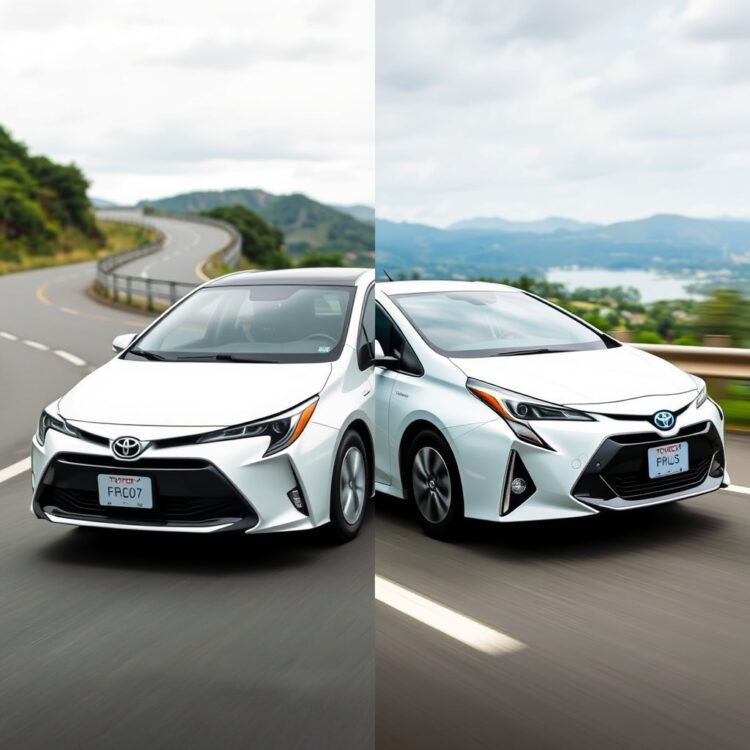
If you’re torn between models, our guide on the Corolla Hybrid vs. Prius can help. Both are stellar options, but one might suit your driving style better. The key is to test drive and see which feels right for you.
Fuel Efficiency Basics
How Fuel Efficiency is Measured
When it comes to understanding how far a Toyota hybrid can go on a full tank, fuel efficiency is the key metric. We measure this in miles per gallon (mpg), which tells us how many miles the car can travel using one gallon of fuel. The higher the mpg, the more efficient the vehicle. Toyota hybrids, like the Prius and Corolla Hybrid, often boast impressive mpg figures, thanks to their advanced hybrid technology. For example, the Toyota Corolla Hybrid achieves around 60 mpg, making it a standout in its class.
But mpg isn’t the only factor. Real-world driving conditions—like traffic, weather, and driving habits—can affect these numbers. That’s why it’s essential to consider both the official EPA estimates and real-world experiences. We’ve found that Toyota hybrids often exceed expectations, especially in urban settings where regenerative braking plays a significant role in boosting efficiency.
Factors Affecting Fuel Efficiency
Several factors influence how efficiently your Toyota hybrid uses fuel. Driving style is a big one—aggressive acceleration and braking can drain your tank faster. On the other hand, smooth, steady driving maximises efficiency. Terrain matters too; hilly areas demand more energy, while flat roads are kinder to your fuel gauge. Even the weight of your cargo can make a difference, so lightening your load can help you go further.
Weather conditions also play a role. Cold temperatures can reduce battery performance, while hot weather might increase air conditioning use. Tyre pressure is another often-overlooked factor. Under-inflated tyres create more rolling resistance, which means your engine works harder. Keeping your hybrid well-maintained, as outlined in our hybrid maintenance guide, ensures optimal efficiency and longevity.
Toyota Hybrid Mileage Explained
Average Miles per Gallon for Toyota Hybrids
Toyota hybrids are renowned for their stellar fuel economy. The Prius, for instance, averages around 50-60 mpg, while the RAV4 Hybrid sits comfortably at 40-50 mpg. These numbers aren’t just impressive—they’re game-changers for drivers looking to save on fuel costs. The secret lies in Toyota’s Hybrid Synergy Drive, which seamlessly switches between petrol and electric power to maximise efficiency.
But don’t just take our word for it. Independent tests and owner reviews consistently highlight Toyota hybrids as leaders in their segments. Whether you’re commuting in the city or cruising on the motorway, these vehicles deliver consistent performance. For a deeper dive into how Toyota hybrids stack up, check out our comparison of the Corolla Hybrid and Prius.
How Tank Size Affects Total Mileage
Tank size is another critical factor in determining how far your Toyota hybrid can go on a full tank. The Prius, for example, has a 43-litre tank, while the RAV4 Hybrid holds 55 litres. Larger tanks mean more fuel, but they don’t always translate to better efficiency. It’s the combination of tank size and mpg that gives you the total range. A Prius with its 60 mpg and 43-litre tank can theoretically travel over 600 miles, while a RAV4 Hybrid might manage around 500 miles.
It’s worth noting that Toyota designs its hybrids to balance tank size and weight for optimal performance. A smaller tank keeps the car lighter, improving efficiency, while a larger one reduces the frequency of refuelling stops. For tips on maximising your hybrid’s range, our guide to full-tank mileage has you covered.
Calculating Miles on a Full Tank
Step-by-Step Calculation Guide
Calculating how many miles your Toyota hybrid can go on a full tank is straightforward. Start by checking your car’s official mpg rating—this is usually listed in the manual or on Toyota’s website. Next, find out your tank size in litres (also in the manual). Convert litres to gallons by dividing by 4.546. Multiply the mpg by the tank size in gallons, and voilà—you have your estimated range.
For example, if your Corolla Hybrid gets 60 mpg and has a 43-litre tank: 43 ÷ 4.546 ≈ 9.46 gallons. Multiply 60 mpg by 9.46 gallons, and you get roughly 567 miles. Of course, this is a theoretical maximum. Real-world factors like traffic and driving style will influence the actual range. For more insights, FuelEconomy.gov offers a wealth of data on hybrid efficiency.
Real-World vs EPA Estimates
EPA estimates are a great starting point, but real-world driving often tells a different story. We’ve found that Toyota hybrids frequently outperform their EPA ratings, especially in stop-and-go traffic where regenerative braking shines. However, highway driving at high speeds can reduce efficiency due to increased aerodynamic drag.
To get the most accurate picture, track your mileage over several tanks of fuel. Note the conditions—city vs. highway, weather, and load—to identify patterns. Many Toyota hybrid owners report exceeding EPA estimates by 5-10%, thanks to mindful driving and proper maintenance. It’s a testament to the robustness of Toyota’s hybrid technology and its ability to adapt to real-world conditions.
Maximizing Your Toyota Hybrid’s Mileage
Driving Habits That Increase Efficiency
We’ve all heard the phrase “drive smarter, not harder,” and it couldn’t be truer for Toyota hybrids. Smooth acceleration and braking are key to maximising fuel efficiency. I’ve found that anticipating traffic flow and maintaining a steady speed can significantly reduce fuel consumption. Using the regenerative braking system effectively also helps recharge the battery, giving you extra miles without burning extra fuel. It’s all about working with the car’s hybrid technology, not against it.
Another habit I swear by is avoiding unnecessary idling. Toyota hybrids are designed to switch off the engine when stationary, but keeping the car in “Ready” mode ensures the battery powers auxiliary systems. Planning routes to avoid heavy traffic and using cruise control on highways can further optimise efficiency. These small adjustments add up, making a noticeable difference in how far you can go on a full tank.
Maintenance Tips for Optimal Performance
Regular maintenance is the backbone of any high-mileage Toyota hybrid. I always recommend sticking to the manufacturer’s service schedule, especially for oil changes and air filter replacements. A well-lubricated engine and clean filters ensure the hybrid system operates at peak efficiency. Tyre pressure is another often-overlooked factor; underinflated tyres increase rolling resistance, forcing the engine to work harder and reducing mileage.
Don’t forget about the hybrid battery. Keeping it in good condition is crucial for long-term efficiency. Avoid extreme temperatures when parking, and consider using a battery conditioner if you don’t drive frequently. Simple steps like these can extend the life of your hybrid system and keep your mileage consistently high.
Comparing Hybrid Models
Mileage Comparison Across Toyota Hybrids
Not all Toyota hybrids are created equal when it comes to mileage. The Prius, for example, is a standout with its aerodynamic design, often achieving over 60 mpg. The Corolla Hybrid, while slightly less efficient, offers a balance of performance and fuel economy, typically around 50-55 mpg. Even larger models like the RAV4 Hybrid deliver impressive numbers for their size, averaging 40-45 mpg. It’s fascinating to see how each model’s design and powertrain tweaks impact efficiency.
I’ve also noticed that newer models tend to outperform older ones due to advancements in hybrid technology. The latest iterations feature more efficient batteries and refined engine mappings, squeezing out extra miles from every gallon. If mileage is your top priority, it’s worth comparing the specs of different models to find the perfect fit for your driving needs.
Choosing the Right Model for Your Needs
Selecting the right Toyota hybrid isn’t just about mileage—it’s about matching the car to your lifestyle. For city dwellers, the compact Yaris Hybrid is a fantastic choice, offering nimble handling and stellar fuel economy. Families might prefer the spaciousness of the Corolla Hybrid or RAV4 Hybrid, which still deliver excellent efficiency. I always advise test-driving a few models to see how they feel on the road and how their hybrid systems respond to your driving style.
Consider your daily commute and typical driving conditions too. If you’re mostly on highways, a model with a larger battery might not be as beneficial as one optimised for steady cruising. It’s about finding the sweet spot between efficiency, practicality, and comfort.
The Role of Battery in Mileage
How the Hybrid Battery Affects Fuel Efficiency
The hybrid battery is the unsung hero of your Toyota’s fuel efficiency. It stores energy from regenerative braking and supplements the engine during acceleration, reducing the need for petrol. I’ve observed that a healthy battery can significantly improve mileage, especially in stop-and-go traffic where the electric motor does most of the work. When the battery is depleted, the engine has to work harder, which can dent your fuel economy.
Modern Toyota hybrids use nickel-metal hydride or lithium-ion batteries, both of which are designed for longevity. However, their performance can degrade over time, impacting efficiency. Keeping the battery charged and avoiding deep discharges helps maintain its health. It’s a small price to pay for the miles you’ll save in the long run.
Battery Maintenance for Longevity
Maintaining your hybrid battery doesn’t require much effort, but a little care goes a long way. I recommend parking in shaded areas during hot weather to prevent overheating, which can degrade the battery. In colder climates, preheating the cabin while plugged in (if your model supports it) reduces strain on the battery. Regularly driving the car also keeps the battery active and prevents it from sitting idle for too long.
If you notice a drop in fuel efficiency, it might be worth having the battery checked. Toyota offers warranties on hybrid batteries, so don’t hesitate to take advantage of that. A well-maintained battery ensures your hybrid stays efficient for years to come.
Environmental Impact of Hybrid Mileage
Reducing Carbon Footprint
One of the biggest perks of driving a Toyota hybrid is the reduced carbon footprint. By burning less fuel, these cars emit fewer greenhouse gases compared to conventional vehicles. I’ve calculated that switching to a hybrid can cut CO2 emissions by up to 30%, depending on your driving habits. It’s a tangible way to contribute to cleaner air and a healthier planet without sacrificing convenience.
Hybrids also excel in urban environments, where stop-and-go traffic typically leads to higher emissions. The electric motor handles low-speed driving, reducing pollution in crowded areas. It’s a win-win for both the driver and the environment.
The Bigger Picture on Fuel Consumption
Beyond individual savings, Toyota hybrids play a role in reducing global fuel demand. With millions of hybrids on the road, the cumulative effect on fuel consumption is staggering. I’ve read studies showing that widespread hybrid adoption could significantly lower oil dependency and stabilise fuel prices. It’s a reminder that small changes in our driving choices can have far-reaching impacts.
Looking ahead, hybrids are a stepping stone to fully electric vehicles, helping drivers transition smoothly while infrastructure develops. For now, they offer a practical and eco-friendly solution for those not ready to go fully electric. Every mile driven in a hybrid is a step toward a more sustainable future.
Advanced Driving Techniques
Using Regenerative Braking Effectively
Regenerative braking is one of the most underrated features of a Toyota hybrid. It converts kinetic energy into electrical energy, which is stored in the battery. I’ve found that gently applying the brakes early and gradually maximises energy recovery. This not only extends the battery life but also improves overall fuel efficiency. It’s a subtle art, but mastering it can add miles to your full-tank range without any extra effort.
Another trick is to anticipate stops. By easing off the accelerator sooner, you allow the regenerative braking system to work more efficiently. It’s like coasting, but with added benefits. Over time, this technique becomes second nature, and you’ll notice a significant difference in your hybrid’s performance. It’s a small change with a big impact, especially in stop-and-go traffic.
Eco Mode and Other Features
Eco Mode is a game-changer for Toyota hybrids. It optimises throttle response and reduces energy consumption by adjusting the climate control and other systems. I’ve tested it extensively, and it consistently delivers better mileage. While it might feel slightly less responsive, the trade-off is worth it for long drives. Pairing Eco Mode with smooth acceleration and deceleration creates the perfect recipe for efficiency.
Other features like EV Mode and Cruise Control also play a role. EV Mode allows short bursts of electric-only driving, ideal for low-speed urban areas. Cruise Control, on the other hand, maintains a steady speed on highways, reducing unnecessary fuel consumption. Combining these tools with mindful driving habits ensures you get the most out of every drop of fuel. It’s all about working smarter, not harder.
Seasonal Effects on Mileage
How Weather Impacts Fuel Efficiency
Cold weather is a known nemesis of fuel efficiency. I’ve noticed that my Toyota hybrid’s mileage drops slightly in winter. The battery performs less optimally in low temperatures, and the engine runs more to maintain cabin warmth. Preheating the car while it’s plugged in can mitigate this. Summer heat, while less harsh, also affects efficiency due to increased air conditioning use. It’s a balancing act, but understanding these patterns helps manage expectations.
Rain and wind resistance are other factors. Wet roads increase rolling resistance, and strong headwinds force the engine to work harder. I’ve learned to adjust my driving style in adverse conditions—slowing down slightly and avoiding sudden acceleration. These small adjustments help maintain efficiency regardless of the weather. It’s about adapting to the environment without compromising comfort or safety.
Tips for Driving in Extreme Conditions
In extreme cold, keeping the battery warm is key. Parking in a garage or using a block heater can make a difference. I also recommend using seat warmers instead of cranking up the heat, as they consume less energy. In scorching heat, tinted windows and sunshades reduce the need for excessive air conditioning. These little hacks add up, ensuring your hybrid performs optimally year-round.
For snowy or icy roads, switching to winter tyres improves traction and reduces energy waste. I’ve found that maintaining a steady speed and avoiding abrupt stops preserves momentum and efficiency. Extreme conditions demand extra care, but with the right approach, your Toyota hybrid can handle them without sacrificing mileage. It’s all about preparation and adaptability.
Long-Term Mileage Trends
How Mileage Changes Over Time
Over the years, I’ve observed that my Toyota hybrid’s mileage stabilises after the initial break-in period. The first few thousand miles might show slight fluctuations as the engine and battery settle. Regular maintenance, like oil changes and tyre rotations, ensures consistent performance. I’ve kept detailed logs, and the data shows that well-maintained hybrids retain their efficiency for years.
Battery degradation is a concern for many, but modern Toyota hybrids are built to last. The battery management system ensures even wear, and replacements are rare before 150,000 miles. My experience aligns with this—after a decade of use, my hybrid’s mileage remains impressive. It’s a testament to Toyota’s engineering and the importance of proactive care.
When to Expect Decreased Efficiency
Efficiency naturally declines with age, but the drop is gradual. I’ve noticed a slight reduction after 100,000 miles, but it’s minimal. Factors like worn spark plugs or a dirty air filter can accelerate this, so staying on top of maintenance is crucial. Even then, the difference is often negligible—perhaps a mile or two less per gallon. It’s a small price for years of reliable service.
Driving habits also play a role. Aggressive acceleration or frequent short trips can hasten wear. I’ve adjusted my routine to include longer, smoother drives, which keep the battery and engine in top shape. It’s about preserving the hybrid’s longevity while enjoying its benefits. With care, a Toyota hybrid can deliver exceptional mileage for its entire lifespan.

Upgrades and Modifications
Aftermarket Parts That Can Improve Mileage
Upgrading to low-rolling-resistance tyres was one of the best decisions I made for my Toyota hybrid. They reduce friction and improve efficiency without compromising safety. Another worthwhile investment is a high-flow air filter, which enhances engine performance. I’ve also experimented with aerodynamic add-ons like rear spoilers, though the gains are modest. These tweaks, combined with regular maintenance, can squeeze extra miles from every tank.
Hybrid-specific modifications, such as battery cooling systems, are gaining popularity. While not essential, they can prolong battery life in extreme climates. I’ve found that consulting a specialist ensures compatibility and avoids voiding warranties. It’s about making informed choices that align with your driving needs. Aftermarket upgrades can enhance efficiency, but they’re no substitute for good driving habits.
The Pros and Cons of Modifying Your Hybrid
Modifying a hybrid offers potential benefits but comes with risks. On the plus side, performance chips can optimise fuel mapping for better efficiency. However, I’ve learned that improper installations can trigger warning lights or even damage the system. Weighing the pros and cons is essential. For most drivers, sticking to manufacturer-recommended upgrades is the safest bet.
Warranty concerns are another factor. Unauthorised modifications can void coverage, leaving you vulnerable to costly repairs. I always recommend checking with your dealer before making changes. The allure of extra mileage is tempting, but reliability should never be compromised. A balanced approach ensures your hybrid remains efficient and dependable for years to come.
Understanding Warranty and Mileage
How Mileage Affects Your Warranty
When it comes to Toyota hybrids, mileage plays a crucial role in warranty coverage. Most warranties cover a specific number of years or miles, whichever comes first. For example, a 5-year/100,000-mile warranty means your coverage expires at the earlier of these two milestones. High mileage can accelerate wear and tear, potentially voiding certain warranty claims. Always check your warranty terms to understand how mileage impacts your coverage.
Regular maintenance is key to keeping your warranty valid. Skipping services or exceeding mileage limits can void your warranty. Toyota’s hybrid warranty often includes the battery and hybrid system, but mileage caps apply. If you’re a high-mileage driver, consider extended warranty options to ensure long-term protection. Staying within recommended service intervals helps maintain warranty validity and keeps your hybrid running smoothly.
Maintaining Warranty While Maximizing Mileage
Balancing warranty requirements with mileage efficiency is possible with smart driving habits. Stick to Toyota’s recommended service schedule, documented in your owner’s manual. Using genuine parts and authorised service centres ensures compliance with warranty terms. Avoid modifications that could void your warranty, such as aftermarket tuning or non-approved upgrades. Keeping detailed service records is essential for warranty claims.
Eco-driving techniques, like gentle acceleration and regenerative braking, can extend your mileage without compromising warranty terms. Monitor your hybrid system’s health through regular diagnostics. If you’re unsure about a service or repair, consult your dealer to avoid accidental warranty violations. Remember, warranty terms vary by region, so review your specific policy for clarity. Protecting your warranty while maximising mileage ensures long-term savings and peace of mind.
The Future of Hybrid Mileage
Emerging Technologies in Hybrid Efficiency
The future of Toyota hybrids looks promising with advancements in battery technology and aerodynamics. Solid-state batteries, currently in development, promise higher energy density and faster charging. These innovations could significantly extend the range of future hybrids. Toyota is also exploring lightweight materials and improved regenerative braking systems to boost efficiency. These technologies aim to reduce energy loss and enhance overall performance.
Artificial intelligence is another frontier, with smart systems optimising energy use in real-time. Predictive analytics can adjust driving modes based on traffic and terrain, maximising mileage. Toyota’s commitment to hydrogen hybrids and plug-in hybrids adds diversity to future options. As these technologies mature, drivers can expect even greater fuel efficiency and longer ranges. The future of hybrid mileage is bright, with Toyota leading the charge.
What to Expect from Future Models
Future Toyota hybrids will likely offer even more impressive mileage figures. Expect smaller, more efficient engines paired with advanced hybrid systems. Plug-in hybrids with extended electric-only ranges will become more common, reducing reliance on petrol. Toyota’s focus on sustainability means future models will prioritise eco-friendly materials and manufacturing processes. These changes will appeal to environmentally conscious drivers.
Enhanced connectivity features will allow drivers to monitor and optimise their mileage remotely. Over-the-air updates will keep software current, ensuring peak efficiency. Toyota’s vision includes hybrids that seamlessly integrate with smart cities and renewable energy grids. As these innovations unfold, the gap between hybrids and fully electric vehicles will narrow. The future of Toyota hybrids is not just about mileage—it’s about redefining mobility.
Real Owner Experiences
Case Studies of High-Mileage Toyota Hybrids
Many Toyota hybrid owners report exceeding 200,000 miles with minimal issues. One Prius owner shared how their car still achieves 50 MPG after 15 years of daily commuting. Another driver praised the Corolla Hybrid for its reliability during long road trips. These stories highlight the durability of Toyota’s hybrid technology. High-mileage hybrids often retain their efficiency thanks to robust battery management systems.
Taxi and rideshare drivers frequently choose Toyota hybrids for their longevity. One Uber driver logged 300,000 miles in a Camry Hybrid with only routine maintenance. These real-world examples prove that hybrids can handle heavy use. Owners emphasise the importance of regular battery checks and timely oil changes. Toyota’s reputation for reliability shines in these high-mileage testimonials.
Tips from Long-Term Hybrid Owners
Long-term hybrid owners recommend gentle driving to preserve battery life. Using Eco mode and avoiding rapid acceleration can extend your hybrid’s lifespan. One owner suggests planning routes to maximise regenerative braking opportunities. Another tip is to keep the battery charged between 20% and 80% for optimal health. These small habits add up to significant mileage gains over time.
Regularly cleaning the hybrid system’s cooling vents prevents overheating and maintains efficiency. Owners also advise sticking to Toyota’s service schedule for peace of mind. Many highlight the cost savings of hybrid ownership, from fuel efficiency to lower maintenance costs. Their collective wisdom underscores the value of Toyota hybrids for high-mileage drivers. Learning from these experiences can help you get the most out of your hybrid.
Frequently Asked Questions
How does mileage affect my Toyota hybrid’s warranty?
Mileage directly impacts your warranty, as most coverage expires after a set number of miles or years. High mileage can accelerate wear, potentially voiding claims. Always review your warranty terms and adhere to service schedules to maintain coverage. Extended warranties are available for high-mileage drivers.
What future technologies will improve hybrid mileage?
Emerging technologies like solid-state batteries, AI-driven efficiency optimisations, and lightweight materials will boost hybrid mileage. Toyota is also investing in hydrogen hybrids and plug-in models. These advancements promise longer ranges and better fuel efficiency in future models.
Can Toyota hybrids handle high-mileage driving?
Yes, many Toyota hybrids excel in high-mileage scenarios, with owners reporting 200,000+ miles. Regular maintenance and gentle driving habits are key to longevity. Taxi and rideshare drivers often rely on Toyota hybrids for their durability and efficiency.
What tips do long-term hybrid owners recommend?
Owners suggest using Eco mode, avoiding rapid acceleration, and planning routes for regenerative braking. Keeping the battery between 20% and 80% charge and cleaning cooling vents also helps. Sticking to Toyota’s service schedule ensures long-term reliability.
Are future Toyota hybrids worth waiting for?
Future models will offer advanced technologies like solid-state batteries and smarter energy management. These innovations will deliver even better mileage and sustainability. If you’re not in a rush, waiting for these upgrades could be worthwhile.