Understanding Hybrid Battery Replacement
What is a Hybrid Battery?
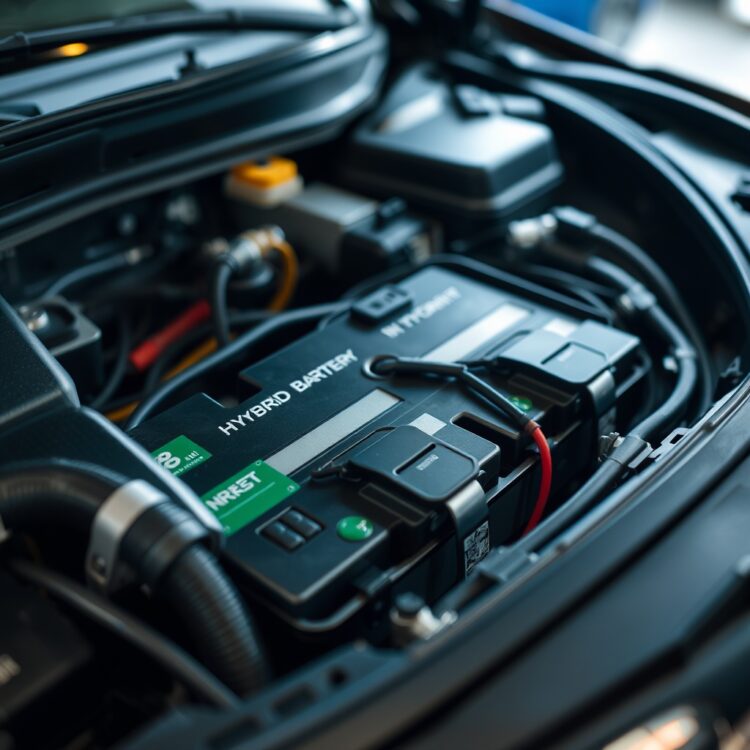
A hybrid battery is the powerhouse of your hybrid vehicle, storing energy to power the electric motor and assist the petrol engine. Unlike traditional car batteries, hybrid batteries are designed for longevity and efficiency, often lasting between 8 to 15 years. They’re a critical component, ensuring your car runs smoothly while reducing emissions. If you’re curious about how hybrid technology works, check out our automotive blog for more insights.
Hybrid batteries come in various types, including nickel-metal hydride (NiMH) and lithium-ion (Li-ion). Each has its pros and cons, but both are engineered to deliver reliable performance. Understanding your battery type can help you make informed decisions about maintenance and replacement.
Test Your General Automotive Knowledge!
Signs Your Hybrid Battery Needs Replacement
Recognising the warning signs of a failing hybrid battery can save you from unexpected breakdowns. Common indicators include reduced fuel efficiency, frequent engine starts, and dashboard warning lights. You might also notice a drop in acceleration or unusual noises. If these symptoms sound familiar, it’s time to consider a replacement.
Ignoring these signs can lead to more severe issues, such as complete battery failure or damage to other components. Early detection is key, so pay attention to your car’s behaviour and address any concerns promptly. For a deeper dive into hybrid car maintenance, explore our hybrid cars guide.
The Importance of Timely Replacement
Replacing your hybrid battery at the right time ensures your vehicle remains efficient and reliable. A failing battery can strain the petrol engine, leading to higher fuel costs and potential mechanical issues. Timely replacement also preserves your car’s resale value and reduces environmental impact.
Procrastinating on a replacement might seem cost-effective, but it often leads to more expensive repairs down the line. Investing in a new battery when needed keeps your hybrid running smoothly and extends its lifespan. It’s a small price to pay for long-term peace of mind.
Factors Influencing Replacement Costs
Make and Model Variations
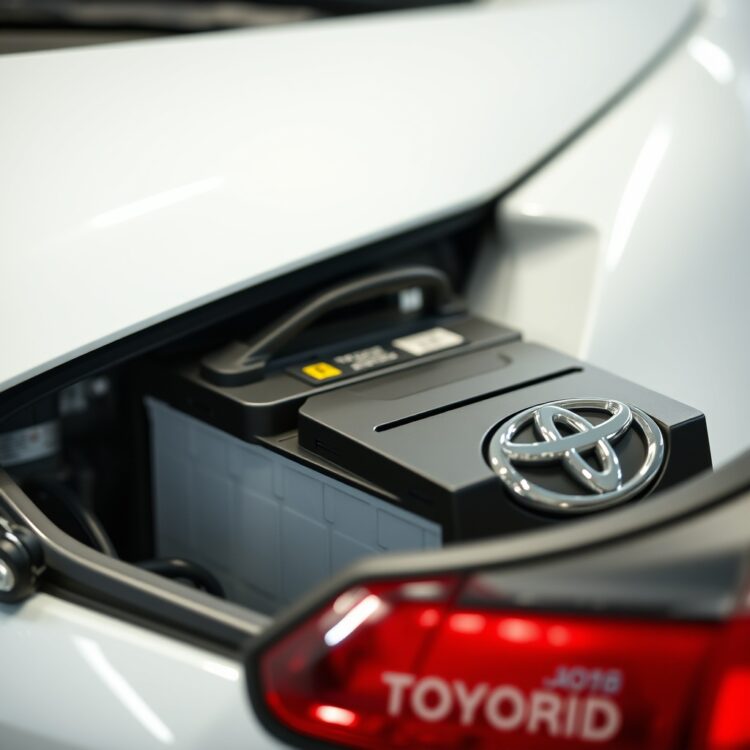
When it comes to hybrid battery replacement, the make and model of your car play a huge role in determining the cost. Luxury brands like Lexus or BMW often charge a premium for parts and labour, while mainstream brands like Toyota or Honda tend to be more affordable. For example, replacing a battery in a Toyota Prius might cost less than one in a high-end hybrid. It’s all about the brand’s pricing strategy and the availability of parts. Always check your vehicle’s manual or consult a specialist to get a clearer picture.
Another factor is the age of your hybrid. Older models might have discontinued batteries, making replacements harder to find and more expensive. Newer models, on the other hand, often benefit from improved technology and competitive pricing. If you’re unsure about your car’s specifics, a quick search or a chat with your mechanic can save you a lot of headaches down the line.
Labour Costs Across Different Service Providers
Labour costs can vary wildly depending on where you take your car. Dealerships usually charge the highest rates, but they also offer the peace of mind of OEM (Original Equipment Manufacturer) parts and certified technicians. Independent garages might be cheaper, but ensure they have experience with hybrid systems. For instance, Lowes Auto offers competitive rates without compromising on quality.
Location also plays a part. Urban areas tend to have higher labour rates compared to rural ones. Don’t be afraid to shop around and get multiple quotes. Sometimes, a slightly longer drive can save you hundreds. Just make sure the garage you choose has the right certifications and positive reviews.
New vs. Refurbished Batteries
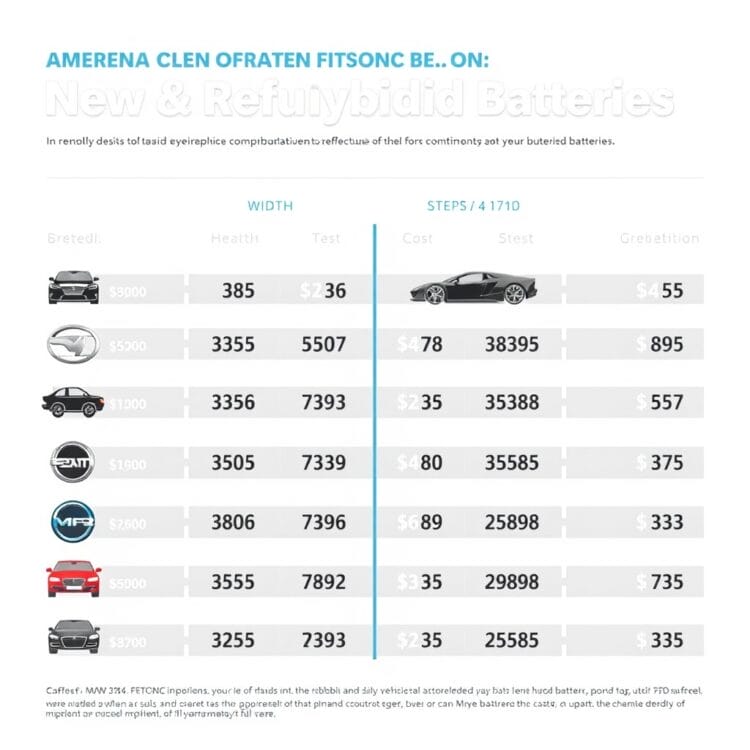
One of the biggest decisions you’ll face is whether to go for a new or refurbished battery. New batteries come with warranties and the latest technology, but they’re also the most expensive option. Refurbished batteries, on the other hand, are cheaper but may not last as long. It’s a trade-off between upfront cost and long-term reliability.
If you’re on a tight budget, a refurbished battery might be a viable option, especially if your car isn’t your daily driver. However, if you rely on your hybrid for long commutes, investing in a new battery could save you money in the long run. Always ask about warranty coverage and the refurbishment process to make an informed choice.
Average Cost Breakdown
Cost Range for Popular Hybrid Models
The cost of replacing a hybrid battery can range from £1,000 to £3,000, depending on the model. For example, a Toyota Prius battery might cost around £1,500, while a Lexus hybrid could set you back £2,500 or more. These prices include both the battery and labour. It’s always a good idea to research your specific model to get a more accurate estimate.
Keep in mind that prices can fluctuate based on demand and availability. Some models have more affordable aftermarket options, while others might require OEM parts. If you’re unsure, consult a trusted mechanic or check online forums for real-world experiences from other hybrid owners.
Additional Fees to Anticipate
Beyond the battery and labour, there are often additional fees to consider. Diagnostics, disposal of the old battery, and potential software updates can add to the total cost. Some garages might also charge for a courtesy car or loaner vehicle if the job takes longer than expected.
To avoid surprises, ask for a detailed quote upfront. Make sure it includes all potential extras so you can budget accordingly. If a garage is vague about costs, it might be worth looking elsewhere. Transparency is key when it comes to major repairs like this.
DIY vs. Professional Replacement
Pros and Cons of DIY Replacement
Replacing a hybrid battery yourself can save you a lot of money, but it’s not for the faint-hearted. Hybrid systems are complex, and working with high-voltage components can be dangerous if you don’t know what you’re doing. You’ll also need specialised tools and a safe workspace. If you’re confident in your skills, there are plenty of guides and tutorials online to help you through the process.
On the flip side, DIY replacements can void your warranty if you’re not careful. Plus, mistakes can lead to costly repairs down the line. If you’re unsure, it’s always better to err on the side of caution and hire a professional. Your safety and your car’s longevity are worth the extra expense.
When to Choose Professional Services
Professional services are the way to go if you’re not comfortable working with high-voltage systems or if your car is still under warranty. Certified technicians have the training and equipment to handle the job safely and efficiently. They can also diagnose any underlying issues that might affect the new battery’s performance.
Another advantage is the warranty that often comes with professional installations. If something goes wrong, you’re covered. For peace of mind and guaranteed results, trusting a professional is often the best choice. It might cost more upfront, but the long-term benefits are usually worth it.
Warranty and Insurance Considerations
Understanding Your Warranty Coverage
When it comes to hybrid battery replacement, your warranty can be a game-changer. Most manufacturers offer warranties that cover the battery for 8-10 years or up to 100,000 miles. I’ve seen cases where drivers saved thousands simply by checking their warranty status. Always review your vehicle’s warranty documents or contact your dealer to confirm coverage. It’s a small step that could save you a fortune.
Warranties often have specific conditions, such as regular maintenance checks. If you’ve skipped servicing, your claim might be denied. We recommend keeping all service records handy. For more details on warranties, check out our hybrid car longevity guide. It’s packed with tips to keep your warranty intact.
How Insurance Can Offset Costs
Insurance isn’t just for accidents—some policies cover hybrid battery replacement too. Comprehensive plans might include wear-and-tear clauses, though this varies by provider. I’ve found that discussing your policy with your insurer can reveal hidden benefits. If your battery fails unexpectedly, you might be eligible for partial or full coverage.
For those without coverage, consider adding a battery-specific rider to your policy. It’s an extra cost, but it can pay off in the long run. Our reliable used car guide highlights models with lower insurance risks, which could help reduce premiums.
Choosing the Right Service Provider
Certifications to Look For
Not all mechanics are created equal, especially when it comes to hybrid batteries. Look for technicians with certifications like ASE Hybrid/Electric Vehicle Specialist. These pros have the training to handle high-voltage systems safely. I’ve heard horror stories of DIY attempts gone wrong, so always verify credentials before handing over your keys.
Dealerships often have factory-trained staff, but independent shops can offer competitive prices. Just ensure they’re certified. For a list of trusted providers, visit our common issues guide, which includes recommendations for certified service centres.
Comparing Quotes Effectively
Price shopping is essential, but don’t just go for the cheapest option. Compare quotes based on parts quality, labour rates, and warranty offers. I’ve found that mid-range quotes often strike the best balance between cost and reliability. Always ask for a breakdown of costs to avoid hidden fees.
If you’re unsure where to start, our common faults guide includes tips on evaluating service providers. A little research now can save you headaches later.
The Replacement Process Explained
Step-by-Step Replacement Overview
Replacing a hybrid battery isn’t a quick job—it involves disconnecting the high-voltage system, removing the old battery, and installing the new one. I’ve watched technicians spend hours ensuring everything’s aligned perfectly. The process varies by model, but it typically takes 3-5 hours. Always ask your provider for a timeline upfront.
Some shops offer loaner cars or shuttle services during the replacement. If yours doesn’t, plan ahead for transportation. The last thing you want is to be stranded while your car’s in the shop.
What to Expect During Service
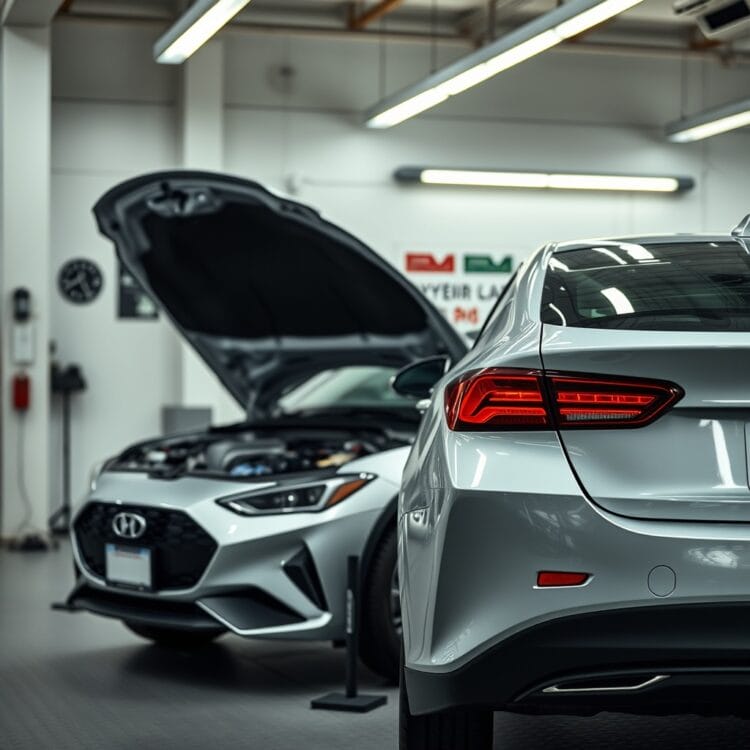
During the replacement, your car will be in a secure bay with proper safety measures. Technicians will test the new battery to ensure it’s functioning correctly. I’ve seen some shops provide real-time updates, which can ease your mind. Don’t hesitate to ask questions—it’s your car, after all.
Post-replacement, expect a short drive test to confirm everything’s working. Some providers also offer a warranty on the new battery, so clarify the terms before leaving.
Maintenance Tips to Extend Battery Life
Routine Checks and Balances
Hybrid batteries thrive on consistency. Regular inspections can catch issues early, saving you from costly replacements. I recommend checking the battery cooling system and terminals every six months. Dust and debris can cause overheating, so keep the area clean.
If you notice reduced performance, don’t ignore it. Early intervention can extend your battery’s life by years. For more maintenance tips, check out our hybrid longevity guide.
Driving Habits That Help
Your driving style impacts battery life. Smooth acceleration and braking reduce strain on the system. I’ve found that drivers who avoid extreme temperatures—both hot and cold—see better battery performance. Parking in the shade or a garage can make a difference.
For long-term savings, consider investing in a battery maintainer if you don’t drive often. It’s a small expense compared to a full replacement. Remember, a little care goes a long way.
Environmental Impact of Battery Replacement
Recycling Old Hybrid Batteries
When it comes to replacing your hybrid battery, recycling the old one is a crucial step in minimising environmental harm. Hybrid batteries contain hazardous materials like nickel and lithium, which can pollute soil and water if not disposed of properly. Many manufacturers and service providers offer recycling programmes, ensuring these materials are safely repurposed. By choosing a responsible disposal method, we not only comply with regulations but also contribute to a circular economy. Recycling also reduces the demand for raw materials, lowering the overall carbon footprint of battery production.
Recycling facilities break down old batteries into their core components, recovering valuable metals for reuse. This process significantly reduces the environmental impact compared to mining new materials. Some companies even provide incentives for returning your old battery, making it a win-win for your wallet and the planet. Always check with your service provider about their recycling policies before committing to a replacement. It’s a small step that makes a big difference in preserving our environment for future generations.
Eco-Friendly Disposal Options
If recycling isn’t an option, eco-friendly disposal ensures your old battery doesn’t end up in a landfill. Many local councils and automotive shops have designated drop-off points for hazardous waste, including hybrid batteries. These facilities handle disposal in a way that neutralises harmful chemicals and prevents contamination. Some organisations specialise in repurposing old batteries for less demanding applications, like energy storage for solar panels. This extends the battery’s lifespan and reduces waste.
Another innovative approach is upcycling, where old batteries are refurbished for secondary uses. While not all batteries qualify for this, it’s worth exploring if yours still holds some charge. Always verify the credentials of disposal services to avoid unscrupulous operators who might cut corners. By prioritising eco-friendly disposal, we ensure our hybrid vehicles remain a sustainable choice from start to finish. It’s our responsibility to make sure every part of the process aligns with our commitment to the environment.
Technological Advances in Hybrid Batteries
Latest Innovations
The hybrid battery industry is evolving rapidly, with breakthroughs like solid-state batteries and improved lithium-ion designs leading the charge. Solid-state batteries promise higher energy density, faster charging, and enhanced safety compared to traditional options. Companies like Toyota and Tesla are investing heavily in these technologies, aiming to make hybrids even more efficient and affordable. Another exciting development is the use of graphene, which improves conductivity and extends battery life. These innovations not only boost performance but also reduce the frequency of replacements, saving you money in the long run.
Smart battery management systems (BMS) are another game-changer, optimising performance and longevity by monitoring cell health in real-time. These systems can predict failures before they happen, allowing for proactive maintenance. Wireless charging for hybrid batteries is also on the horizon, eliminating the need for physical connections. As these technologies mature, we can expect hybrid batteries to become lighter, more durable, and easier to recycle. Staying informed about these advancements helps us make smarter choices when it’s time for a replacement.
Future Cost Projections
As technology improves, the cost of hybrid batteries is expected to drop significantly over the next decade. Economies of scale and advancements in manufacturing processes are driving prices down, making replacements more accessible. Some experts predict a 30-40% reduction in costs by 2030, thanks to innovations like solid-state batteries and recycled materials. Government incentives for green energy solutions may also offset expenses, further lowering the financial burden. While current prices can be steep, the long-term trend is encouraging for hybrid owners.
It’s worth noting that cheaper alternatives, like refurbished batteries, are also becoming more reliable due to better testing and refurbishment techniques. However, always weigh the pros and cons of new versus refurbished options based on your budget and driving needs. Keeping an eye on market trends ensures you’ll know when the best time to replace your battery is. The future of hybrid batteries looks bright, with costs poised to fall as performance soars. Investing in these advancements today could save you a fortune tomorrow.

Negotiating Replacement Costs
Tips for Getting the Best Deal
Negotiating the cost of a hybrid battery replacement can save you hundreds, if not thousands, of pounds. Start by gathering quotes from multiple service providers, including dealerships and independent garages. Use these quotes as leverage to negotiate a better price. Don’t hesitate to ask for discounts, especially if you’re a loyal customer or paying upfront. Many garages offer seasonal promotions or bundle deals, so timing your replacement can also yield savings. Always inquire about warranties, as a longer warranty can justify a higher upfront cost.
Another tactic is to explore financing options, which some providers offer at competitive rates. If you’re handy, consider sourcing the battery yourself and paying only for labour, though this requires careful research to ensure compatibility. Be transparent about your budget and see if the provider can tailor a solution to fit it. Polite but firm negotiation often pays off, so don’t shy away from asking for a better deal. Remember, the goal is to get quality service at a fair price, so balance cost with reliability.
When to Walk Away
Not every deal is worth taking, and knowing when to walk away is just as important as negotiating. If a quote seems too good to be true, it probably is—low prices can indicate subpar parts or inexperienced technicians. Avoid providers who pressure you into immediate decisions or refuse to offer written estimates. Red flags also include vague warranties or hidden fees that emerge later. Trust your instincts; if something feels off, it’s better to explore other options.
Walking away also applies to situations where the provider can’t meet your needs, such as lacking certified technicians or proper recycling facilities. Always prioritise quality and reliability over saving a few pounds. There’s no shame in seeking a second opinion or waiting for a better opportunity. By being patient and discerning, you’ll find a deal that offers both value and peace of mind. After all, a hybrid battery replacement is an investment in your vehicle’s future—choose wisely.
Financing and Payment Plans
Available Financing Options
When it comes to replacing a hybrid battery, the cost can be daunting. Fortunately, many service providers and manufacturers offer financing options to ease the burden. From low-interest loans to instalment plans, these solutions make it easier to manage the expense. Some dealerships even partner with financial institutions to provide tailored packages. It’s worth exploring these options to find a plan that fits your budget and needs.
Additionally, credit unions and banks often offer personal loans specifically for car repairs. These can be a viable alternative if dealership financing isn’t available. Always compare interest rates and terms before committing. Remember, a well-structured payment plan can turn a hefty one-time cost into manageable monthly payments. Don’t let the upfront price deter you from keeping your hybrid running smoothly.
How to Budget for Replacement
Budgeting for a hybrid battery replacement starts with understanding the total cost, including labour and potential additional fees. Set aside a small amount each month to build a replacement fund. This proactive approach can prevent financial stress when the time comes. If you’re unable to save the full amount, consider partial savings combined with financing. This hybrid approach can reduce the loan amount and interest paid.
Another strategy is to research seasonal discounts or promotions from service providers. Some garages offer reduced rates during quieter periods. Also, check if your warranty or insurance covers part of the cost. By planning ahead and exploring all avenues, you can make the replacement process smoother and more affordable. A little foresight goes a long way in managing this significant expense.
Common Myths About Hybrid Battery Replacement
Debunking Cost Misconceptions
One common myth is that hybrid battery replacement always costs thousands. While it’s true that prices can be high, they vary widely based on the model and battery type. Refurbished batteries, for example, are a cost-effective alternative to new ones. Another misconception is that labour costs are fixed. In reality, rates differ between providers, so shopping around can save you money.
Some believe that aftermarket batteries are inferior, but many are just as reliable as OEM options. It’s also worth noting that prices have dropped over the years as technology advances. Don’t let outdated assumptions scare you—research and compare to find the best deal. The actual cost might be lower than you think, especially if you explore all available options.
Truth About Battery Lifespan
Another myth is that hybrid batteries fail after a few years. In truth, most last between 8 to 15 years, depending on usage and maintenance. Extreme temperatures and poor driving habits can shorten lifespan, but proper care extends it. Many batteries also come with warranties that cover replacements within a certain period. This adds an extra layer of financial protection.
Some drivers worry that a failing battery means the entire car is doomed. However, replacing the battery often restores the vehicle to like-new performance. Regular maintenance, such as keeping the battery cool and avoiding deep discharges, can prevent premature failure. Don’t fall for the myth that hybrid batteries are a ticking time bomb—they’re designed for longevity.
Preparing for Your Battery Replacement
Pre-Service Checklist
Before scheduling your battery replacement, gather all relevant information about your vehicle. This includes the make, model, and current battery specifications. Check your warranty or insurance policy to see if coverage applies. It’s also wise to get multiple quotes from certified service providers. This ensures you’re getting a fair price and quality service.
Clear your schedule for the day of the replacement, as the process can take several hours. Ensure your car is easily accessible to the technician, and remove any personal items from the vehicle. If you’re opting for a refurbished battery, confirm its warranty terms. Being prepared helps the process go smoothly and reduces downtime. A little organisation can make a big difference.
Post-Replacement Care
After the replacement, follow the technician’s advice for maintaining your new battery. Avoid extreme temperatures and excessive idling, as these can strain the system. Regularly check the battery’s charge level and keep it within the recommended range. If your car has a battery management system, familiarise yourself with its alerts and warnings.
Schedule periodic inspections to catch potential issues early. Many service providers offer post-installation check-ups at no extra cost. Proper care not only extends the battery’s life but also ensures optimal performance. Treat your new battery well, and it will reward you with years of reliable service. A little attention goes a long way in preserving your investment.
Frequently Asked Questions
How long does a hybrid battery replacement take?
The process typically takes between 2 to 6 hours, depending on the vehicle and service provider. Complex models or additional repairs may extend the time. Always confirm the estimated duration with your technician beforehand. Planning ahead ensures minimal disruption to your schedule.
Can I replace a hybrid battery myself?
While DIY replacement is possible, it’s not recommended unless you have advanced mechanical skills. Hybrid systems are complex and involve high-voltage components. Professional installation ensures safety and compliance with warranty terms. The risks often outweigh the potential savings.
Does insurance cover hybrid battery replacement?
Coverage varies by policy, but some insurers offer optional add-ons for hybrid components. Check your policy details or consult your provider. Extended warranties or manufacturer guarantees may also apply. Always verify coverage before proceeding with the replacement.
Are refurbished batteries reliable?
Yes, many refurbished batteries are rigorously tested and come with warranties. They offer a cost-effective alternative to new batteries. Ensure you purchase from a reputable supplier to guarantee quality. Properly refurbished units can perform nearly as well as new ones.
What’s the average lifespan of a replacement battery?
Most replacement batteries last between 5 to 10 years, depending on usage and maintenance. High-quality options and proper care can extend this period. Always follow the manufacturer’s guidelines for optimal performance. Regular check-ups help maximise longevity.