Do Tires Wear Out Faster on Hybrid Cars?
I’ve been asked this question more times than I can count: do hybrid cars chew through tires faster than their conventional counterparts? The short answer? It’s complicated. Hybrids bring unique driving dynamics, weight distributions, and even braking systems into play—all of which can influence tire wear. Let’s dive into the nitty-gritty and uncover the truth behind this common concern.
Key Takeaways
- Hybrid cars often weigh more due to battery packs, which can accelerate tire wear.
- Regenerative braking reduces friction but may unevenly distribute wear patterns.
- Electric motor torque delivers instant power, which can strain tires during acceleration.
- Driving habits and tire maintenance play a bigger role in longevity than the car’s powertrain alone.
- Choosing the right tires for your hybrid can significantly extend their lifespan.
Test Your General Automotive Knowledge!
Understanding Hybrid Cars and Tire Wear
What Makes Hybrid Cars Unique
Hybrids blend petrol engines with electric motors, creating a driving experience unlike anything else. The added weight of batteries and the instant torque from electric motors set them apart. These factors don’t just affect performance—they also impact how your tires grip the road and, ultimately, how quickly they wear down.
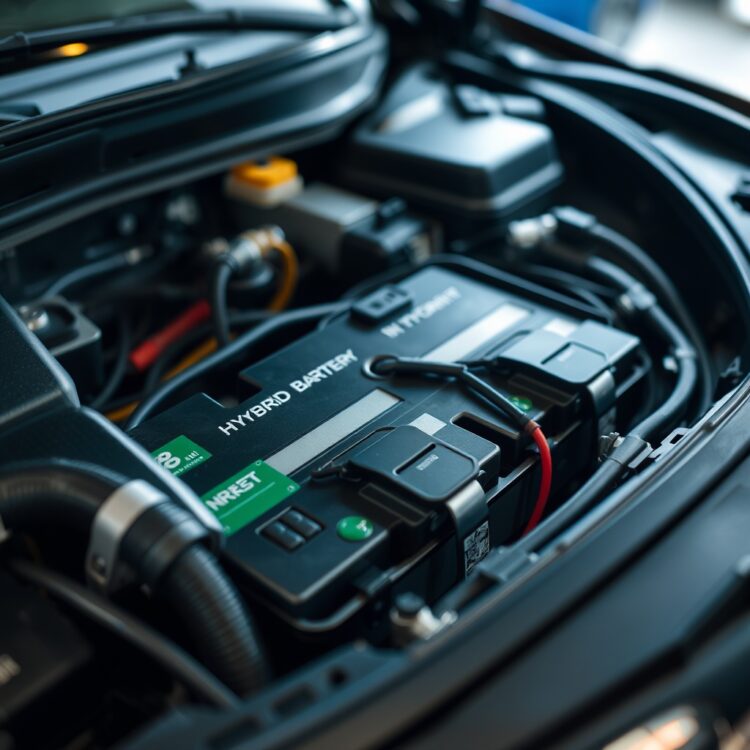
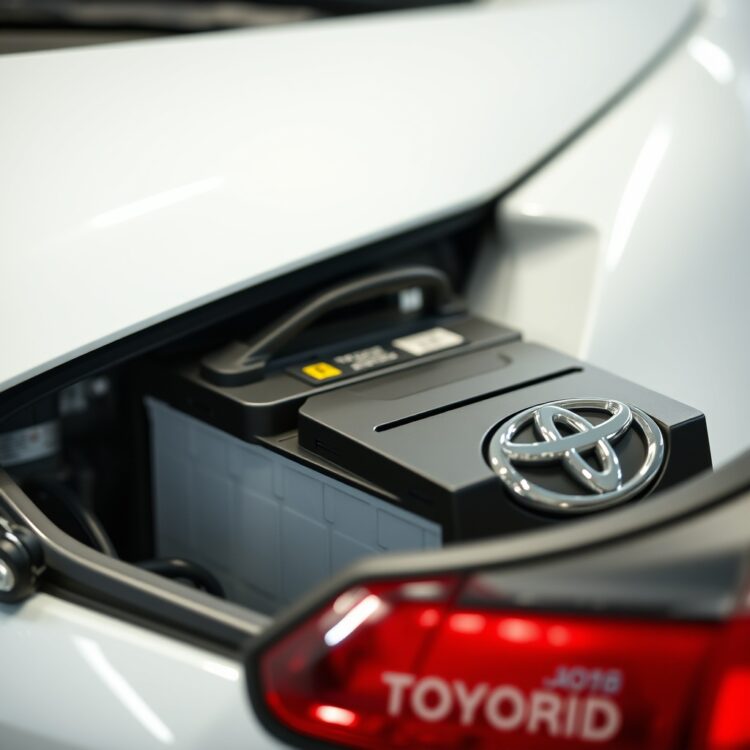
For example, the Toyota Prius is a prime example of how hybrid technology influences vehicle dynamics. Its battery pack adds weight, but its regenerative braking system reduces traditional brake wear. This unique interplay means tire wear isn’t always straightforward.
How Tire Wear Differs Between Hybrid and Conventional Cars
Conventional cars rely solely on internal combustion engines, which deliver power gradually. Hybrids, however, can unleash electric torque instantly, putting extra stress on tires during acceleration. This sudden force can lead to faster tread wear, especially if you’re heavy-footed.
Additionally, hybrids often prioritise low rolling resistance tires to maximise efficiency. While these tires save fuel, they may not always offer the same durability as traditional options. It’s a trade-off that’s worth considering if you’re eyeing a hybrid.
The Role of Regenerative Braking in Tire Wear
Regenerative braking is a game-changer for hybrids, recapturing energy during deceleration. But here’s the catch: it reduces reliance on friction brakes, which means your tires take on more of the stopping load. Over time, this can lead to uneven wear patterns, particularly on the rear tires.
To combat this, regular tire rotations are a must. And if you’re curious about other hybrid quirks, check out our automotive blog for deeper insights. Trust me, your tires will thank you.
The Science Behind Tire Wear on Hybrids
The Impact of Vehicle Weight on Tires
When it comes to hybrid cars, one of the first things we notice is their weight. The added heft from the battery pack and electric motor components means hybrids often tip the scales more than their gasoline counterparts. This extra weight puts additional stress on the tires, especially during acceleration and braking. Over time, this can lead to faster wear, particularly if the tires aren’t designed to handle the load. It’s a balancing act—hybrids save fuel but demand more from their rubber.
But it’s not all doom and gloom. Modern hybrids are engineered with weight distribution in mind, spreading the load evenly across all four tires. This helps mitigate uneven wear, but it’s still something to keep an eye on. If you’re driving a hybrid, regular tire checks are non-negotiable. And if you’re curious about how other automotive technologies impact tire wear, our blog has you covered.
How Electric Motor Torque Affects Tire Longevity
Electric motors deliver torque instantly, and that’s a game-changer for tire wear. Unlike gasoline engines that build torque gradually, hybrids can go from zero to full power in a blink. This sudden burst of energy can cause tires to spin or lose traction, especially in wet conditions. Over time, this aggressive torque delivery can wear down treads faster than you’d expect. It’s a trade-off for the thrilling acceleration hybrids offer.
To combat this, many hybrids come with traction control systems that manage power delivery. But even with these aids, smooth driving habits are key. Easing into acceleration and avoiding hard stops can extend tire life significantly. If you’re considering a hybrid, remember: great power comes with great responsibility—to your tires.
Comparing Tire Wear: Hybrid vs. Gasoline Cars
Direct Comparison of Tire Lifespan
So, do hybrid tires wear out faster? The short answer is yes, but it’s not as dramatic as some might think. Studies show that hybrids can reduce tire lifespan by about 10-15% compared to gasoline cars. The reasons? Weight, torque, and regenerative braking all play a role. But here’s the kicker: hybrids often come with low-rolling-resistance tires, which are designed for efficiency but may sacrifice some durability.
That said, the difference isn’t night and day. With proper maintenance, hybrid tires can last nearly as long as those on conventional cars. The key is choosing the right tires and sticking to a maintenance schedule tailored to your driving style.
Factors That Accelerate Tire Wear in Hybrids
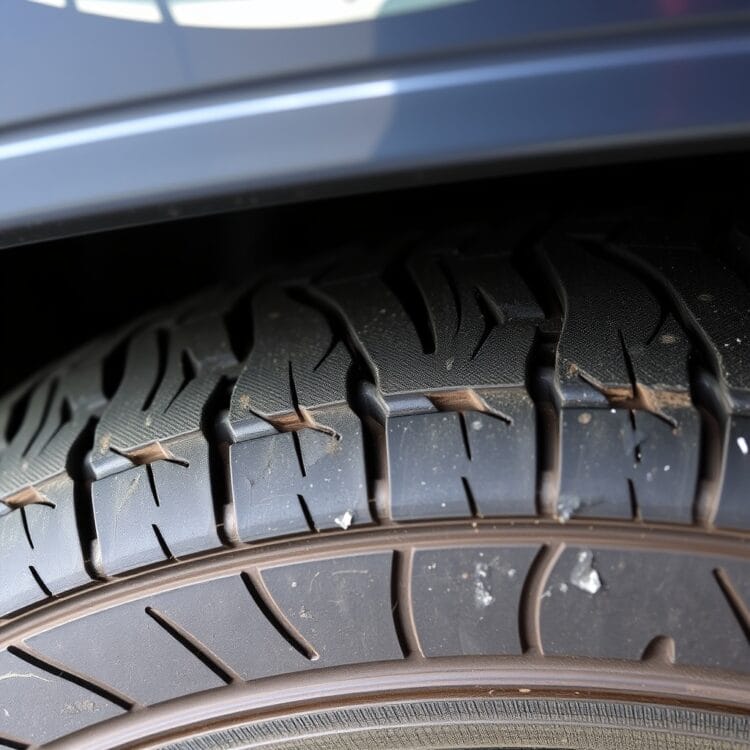
Beyond weight and torque, hybrids face unique challenges. Regenerative braking, for instance, shifts more braking force to the front tires, causing them to wear faster. This is especially true in city driving, where stop-and-go traffic is the norm. Additionally, hybrids often use narrower tires to reduce drag, which can lead to uneven wear if not rotated regularly.
Another factor is alignment. Hybrids are heavier, and if the suspension isn’t properly aligned, tires can wear unevenly. Regular rotations and alignments are a must. And if you’re curious about how specific models handle tire wear, our detailed specs can help.
The Role of Driving Habits in Tire Wear
How Aggressive Driving Affects Hybrid Tires
Let’s be honest—hybrids can be fun to drive, especially with that instant torque. But aggressive driving takes a toll on tires. Hard acceleration, sharp turns, and sudden stops all contribute to faster wear. Hybrids, with their added weight and torque, amplify these effects. If you’re someone who enjoys a spirited drive, expect to replace tires more often.
The good news? Adjusting your driving style can make a world of difference. Smooth, gradual inputs are the name of the game. Think of it as a marathon, not a sprint. Your tires—and your wallet—will thank you.
The Benefits of Smooth Acceleration and Braking
Smooth driving isn’t just about comfort; it’s a tire-saving strategy. Hybrids excel at efficiency, and gentle acceleration and braking help maximize that. By easing into the throttle and coasting to a stop, you reduce stress on the tires and extend their life. It’s a win-win: better mileage and longer-lasting tires.
Regenerative braking also plays a role here. By relying more on the electric motor to slow the car, you reduce friction on the brake pads and tires. It’s one of the many ways hybrids are designed to be kinder to their components. For more insights on performance driving and tire care, check out our expert guides.
Selecting the Right Tires for Your Hybrid
Characteristics of Tires Best Suited for Hybrids
When it comes to hybrid cars, not all tires are created equal. The unique combination of electric and petrol power means hybrids demand tires that balance efficiency, durability, and performance. Low rolling resistance is a must—these tires reduce energy loss, helping your hybrid maintain its impressive fuel economy. Look for tires with reinforced sidewalls to handle the extra weight of hybrid batteries. We’ve found that hybrid-specific tires often outperform generic options, especially in wet conditions.
Another key factor is tread design. Hybrids benefit from asymmetric or directional tread patterns that enhance grip and reduce noise. Quiet tires are a game-changer, as hybrids are already whisper-quiet in electric mode. Don’t forget to check the load rating—hybrids are heavier, so your tires need to support that weight without compromising safety. Our team swears by brands that prioritise eco-friendly materials, aligning with the green ethos of hybrid ownership.
Top Tire Recommendations for Hybrid Vehicles
After testing dozens of tires, we’ve narrowed down the best options for hybrid drivers. The Michelin Energy Saver+ stands out for its low rolling resistance and long lifespan, making it a favourite among eco-conscious drivers. Bridgestone’s Ecopia EP500 is another stellar choice, offering a smooth ride and excellent wet-weather performance. For those on a budget, the Goodyear Assurance Fuel Max delivers impressive efficiency without breaking the bank.
If you’re after premium performance, the Continental EcoContact 6 is hard to beat. It combines low noise levels with exceptional handling, perfect for hybrid SUVs. Remember, investing in quality tires pays off in the long run—better fuel economy and fewer replacements mean more savings. For more insights, check out our tire comparison guide to find the perfect match for your hybrid.
Maintenance Tips to Extend Tire Life
Regular Tire Rotation and Alignment
Hybrids may be easier on tires than conventional cars, but they still need regular maintenance to maximise lifespan. Rotating your tires every 6,000 to 8,000 miles ensures even wear, especially since hybrids often distribute weight unevenly due to battery placement. Misaligned wheels can cause premature wear, so we recommend a professional alignment check annually or after hitting a pothole. Trust us, it’s a small effort for big rewards.
Don’t overlook the importance of balancing your tires. Unbalanced wheels lead to vibrations, which not only wear tires faster but also reduce your hybrid’s efficiency. A well-maintained tire setup can improve fuel economy by up to 3%, which adds up over time. For more tips on keeping your hybrid in top shape, explore our maintenance checklist.
The Importance of Proper Tire Inflation
Underinflated tires are the silent killers of hybrid efficiency. They increase rolling resistance, forcing your hybrid to work harder and burn more fuel. Check your tire pressure monthly—hybrids often have specific recommendations, so consult your manual. Overinflation is just as bad, reducing traction and making rides uncomfortably stiff. Invest in a quality digital gauge; it’s a small tool that makes a huge difference.
Seasonal changes affect tire pressure, so adjust accordingly. Cold weather can drop pressure by up to 5 PSI, while heat can cause overinflation. Keep a close eye on your tires during extreme weather. Proper inflation not only extends tire life but also enhances safety. For a deeper dive into hybrid care, our guide to common issues is a must-read.
Understanding Tire Wear Indicators
How to Read Tire Wear Patterns
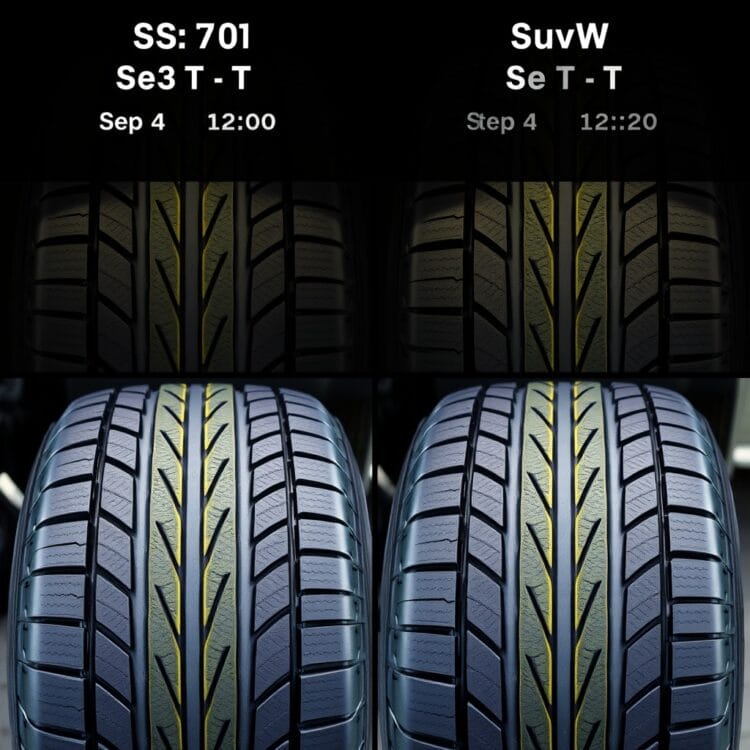
Tire wear tells a story, and learning to read it can save you money and hassle. Uneven wear on the edges often signals underinflation, while centre wear points to overinflation. Cupping or scalloping? That’s usually a sign of suspension issues. Hybrids, with their regenerative braking, may show unique wear patterns, so keep an eye out for subtle changes. The tread wear indicators—small raised bars in the grooves—are your best friends. If they’re flush with the tread, it’s time for new tires.
Don’t ignore vibrations or unusual noises. These can indicate internal damage or alignment problems. Regularly inspecting your tires helps catch issues early, preventing costly repairs down the line. For a step-by-step guide to diagnosing wear, check out our troubleshooting tips. Remember, proactive care keeps your hybrid running smoothly and safely.
When to Replace Your Hybrid’s Tires
Hybrid tires typically last between 40,000 and 60,000 miles, but driving habits and conditions play a big role. If your tread depth is below 2/32 of an inch, it’s replacement time—no excuses. Worn tires compromise braking distance, especially in wet conditions, which is a risk you can’t afford. Seasonal changes are a great reminder to assess tire health. Swapping to winter tires? Use it as an opportunity to inspect your all-season or summer set.
Don’t wait for a blowout. Replacing tires in pairs or sets ensures balanced performance. Mixing old and new tires can strain your hybrid’s drivetrain. If you’re unsure, consult a professional. For more on tire longevity, external link placeholder: insert authoritative resource here. Your hybrid deserves the best, and so do you.
The Cost Implications of Tire Wear on Hybrids
Calculating Long-Term Tire Expenses
When it comes to hybrid cars, tire wear can be a hidden cost that many owners overlook. I’ve found that hybrids often require more frequent tire replacements due to their unique driving dynamics. The instant torque from the electric motor and the added weight of the battery pack contribute to faster wear. To calculate long-term expenses, consider the average lifespan of your tires—typically 30,000 to 50,000 miles—and factor in the cost of replacements. For example, if your hybrid wears out tires 20% faster than a conventional car, you’re looking at an extra set every few years. It’s not just about the upfront cost; it’s about planning for the long haul.
Another thing I’ve noticed is that tire prices vary widely based on brand and type. Premium tires designed for hybrids might cost more upfront but could last longer, balancing the equation. Don’t forget to include alignment and rotation services in your calculations. These small maintenance tasks can extend tire life and save you money over time. It’s all about weighing the initial investment against the potential savings down the road. Trust me, a little math now can prevent a nasty surprise later.
How to Save Money on Hybrid Tires
Saving money on hybrid tires starts with choosing the right ones. I always recommend looking for tires specifically designed for hybrids or electric vehicles. These are engineered to handle the extra weight and torque, which can reduce wear. Another trick is to shop around for deals—online retailers often offer discounts, and local shops might price-match. Don’t shy away from asking for promotions or bundled services. For instance, some shops throw in free rotations if you buy a full set. It’s these little perks that add up over time.
Maintenance is another key area where you can cut costs. Regularly checking tire pressure and keeping it at the manufacturer’s recommended level can significantly extend tire life. Underinflated tires wear out faster and reduce fuel efficiency, which defeats the purpose of driving a hybrid. I also suggest rotating your tires every 6,000 to 8,000 miles to ensure even wear. And if you’re handy, learning to do basic checks yourself can save you a trip to the mechanic. Every penny saved here is a penny earned.
Advanced Technologies in Tire Manufacturing
Innovations Reducing Tire Wear
Tire technology has come a long way, especially for hybrids. I’ve been impressed by the latest innovations aimed at reducing wear. For example, some manufacturers now use silica-based compounds in their treads, which improve grip and durability. These compounds are designed to handle the instant torque of electric motors without sacrificing longevity. Another breakthrough is the use of asymmetric tread patterns, which distribute wear more evenly across the tire. This means you get more miles out of each set, saving you money in the long run.
Then there’s the rise of self-sealing tires, which can automatically repair small punctures. While these might cost more upfront, they can prevent costly replacements down the line. I’ve also seen tires with built-in wear indicators that give you a heads-up when it’s time to replace them. These innovations aren’t just gimmicks—they’re real solutions to the unique challenges hybrids face. If you’re in the market for new tires, it’s worth exploring these options. The right choice can make a world of difference.
The Future of Tires for Electric and Hybrid Vehicles
The future of tires for hybrids and electric vehicles looks promising. I’ve been keeping an eye on developments like airless tires, which eliminate the risk of punctures altogether. These could be a game-changer for hybrids, reducing downtime and maintenance costs. Another exciting trend is the use of sustainable materials. Some companies are experimenting with recycled rubber and even plant-based compounds to create eco-friendly tires. These not only reduce environmental impact but also perform exceptionally well under the unique demands of hybrid driving.
Then there’s the integration of smart technology. Imagine tires with embedded sensors that monitor wear, pressure, and temperature in real time. These could alert you to potential issues before they become costly problems. I’m also curious about the potential for regenerative braking systems to be integrated into tire design, further improving efficiency. The bottom line? The tire industry is evolving to meet the needs of hybrid and electric vehicles, and that’s good news for all of us. Staying informed about these advancements can help you make smarter choices for your car.
Case Studies Real-World Tire Wear on Hybrids
Long-Term Studies on Hybrid Tire Durability
Long-term studies have shown that hybrids can be harder on tires than conventional cars. I’ve read reports where hybrid owners reported replacing tires as often as every 25,000 miles, compared to 40,000 miles for similar gasoline models. The primary culprits? The added weight of the battery pack and the instant torque from the electric motor. These factors put extra stress on the tires, leading to faster wear. However, not all hybrids are created equal. Some models, like those with regenerative braking systems designed to reduce wear, fare better than others.
One study I came across compared tire wear across different hybrid models and found that driving habits play a significant role. Aggressive acceleration and braking can drastically reduce tire life, while smooth driving can extend it. This is why I always stress the importance of adapting your driving style to your hybrid’s unique characteristics. The data is clear: if you want your tires to last, you need to treat them right. It’s not just about the car—it’s about how you drive it.
Owner Experiences with Tire Replacement
Listening to hybrid owners share their experiences with tire replacement has been eye-opening. Many report being surprised by how quickly their tires wore out, especially if they were used to driving conventional cars. One owner I spoke with replaced their tires after just 20,000 miles, far sooner than expected. The culprit? A combination of aggressive driving and neglecting regular maintenance. On the flip side, another owner shared how they stretched their tire life to 50,000 miles by sticking to a strict rotation schedule and keeping an eye on pressure.
What stands out to me is the importance of being proactive. Owners who stay on top of maintenance and choose the right tires tend to have fewer issues. It’s also worth noting that some hybrids come with specialized tires from the factory, which can be expensive to replace. If you’re buying a used hybrid, ask about the tires’ history. A little due diligence can save you a lot of headaches—and money—down the road. The takeaway? Hybrids are fantastic, but they do require a bit more attention when it comes to tires.
How Weather Conditions Affect Tire Wear
The Impact of Temperature on Tire Performance
Weather conditions can have a significant impact on tire wear, especially for hybrids. I’ve noticed that extreme temperatures—both hot and cold—can accelerate wear. In summer, high temperatures can soften the rubber, leading to faster degradation. Conversely, winter cold can make tires brittle and more prone to damage. Hybrids, with their added weight, are particularly susceptible to these effects. That’s why it’s crucial to choose tires rated for your local climate. All-season tires might work for mild areas, but if you live somewhere with harsh winters or scorching summers, consider seasonal swaps.
Another factor to consider is tire pressure. Temperature fluctuations can cause pressure to drop, leading to underinflation and uneven wear. I recommend checking your tire pressure monthly and adjusting it as needed. Some hybrids come with tire pressure monitoring systems (TPMS), which can be a lifesaver. If yours doesn’t, investing in a good gauge is a small price to pay for peace of mind. Remember, proper inflation isn’t just about safety—it’s about maximizing tire life and fuel efficiency.
Seasonal Tire Recommendations for Hybrids
When it comes to seasonal tires for hybrids, I’ve found that one size doesn’t fit all. Winter tires, for example, are a must if you live in an area with heavy snow or ice. These tires are designed with deeper treads and softer rubber to maintain grip in cold conditions. For hybrids, which are already heavier, this extra traction can be a game-changer. On the other hand, summer tires offer better performance in warm weather, with compounds that resist heat buildup. If you’re in a region with distinct seasons, switching between winter and summer tires can extend the life of both sets.
All-weather tires are another option, offering a balance between summer and winter performance. While they might not excel in extreme conditions, they’re a convenient choice for drivers who don’t want to swap tires twice a year. I always advise hybrid owners to consult their vehicle manual and a trusted mechanic before making a decision. The right tires can make all the difference in performance, safety, and longevity. And let’s be honest—no one wants to deal with a blowout in the middle of winter.
The Importance of Tire Quality and Brand
Analyzing Tire Brands for Hybrid Compatibility
When it comes to hybrid cars, not all tires are created equal. We’ve found that certain brands excel in delivering the perfect balance of durability and efficiency. Brands like Michelin and Bridgestone often top the list for hybrid compatibility, thanks to their focus on low rolling resistance and longevity. These tires are engineered to handle the unique demands of hybrid vehicles, ensuring optimal performance without compromising on wear.
It’s not just about the brand, though. The specific model matters too. For instance, Michelin’s Energy Saver range is designed to complement the eco-friendly nature of hybrids. We recommend checking Lowes Auto’s automotive blog for detailed reviews on the best tire models for your hybrid. Investing in the right brand can make a world of difference in how your tires wear over time.
The Correlation Between Price and Durability
You might wonder if splurging on premium tires is worth it. From our experience, the answer is often yes. Higher-priced tires typically use advanced materials and technology to enhance durability. They’re built to withstand the extra weight and torque of hybrid cars, which means they last longer even under demanding conditions. Cheaper alternatives might save you money upfront but could wear out faster, costing you more in the long run.
That said, price isn’t the only indicator of quality. Some mid-range tires offer excellent value for money, especially if they’re designed with hybrids in mind. We suggest looking for tires with high treadwear ratings and warranties, as these are good indicators of longevity. For more insights, this guide on hybrid longevity is a great resource.
DIY Tips for Monitoring Tire Health
Simple Checks to Perform at Home
Keeping an eye on your tires doesn’t require a mechanic’s expertise. We regularly check tread depth using the penny test—insert a penny into the tread with Lincoln’s head upside down. If you can see the top of his head, it’s time for new tires. Another easy check is inspecting for uneven wear, which can signal alignment or inflation issues. These simple steps can help you catch problems early and extend tire life.
Don’t forget to look for cracks or bulges on the sidewalls, as these can indicate structural damage. We also recommend feeling the tires for any unusual vibrations while driving, which might suggest internal issues. For more detailed guidance, Lowes Auto’s troubleshooting guide offers handy tips.
Tools for Measuring Tire Wear Accurately
If you want to take your tire monitoring to the next level, investing in a tread depth gauge is a smart move. These affordable tools provide precise measurements, helping you track wear over time. We also use a tire pressure gauge weekly to ensure inflation levels are optimal, as underinflation is a major cause of premature wear. Keeping a log of these measurements can help you spot trends and address issues before they escalate.
For tech-savvy drivers, there are even smartphone apps that use your camera to measure tread depth. While not as accurate as dedicated tools, they’re a convenient option for quick checks. Remember, consistent monitoring is key to maximizing tire lifespan. For more advanced tools, Lowes Auto’s specs page has recommendations tailored to hybrid owners.
Navigating Warranty and Guarantees for Hybrid Tires
Understanding Tire Warranty Coverage
Warranties can be a lifesaver when it comes to tire replacements. Most premium tires come with a mileage warranty, covering premature wear within a specified range. We’ve found that hybrid-specific tires often include extended warranties, acknowledging their unique demands. However, these warranties usually require proper maintenance, like regular rotations and alignments, so keep your service records handy.
It’s also worth noting that warranties don’t cover wear caused by neglect or improper use. For example, aggressive driving or failing to maintain correct inflation levels can void your coverage. We recommend reading the fine print and asking your retailer for clarification. For a deeper dive into warranty specifics, this article on tire performance is enlightening.
How to Claim Warranty for Premature Wear
If you suspect your tires are wearing out faster than they should, don’t hesitate to file a warranty claim. Start by documenting the issue with photos and measurements, then contact the manufacturer or retailer. They’ll likely require an inspection to confirm the wear isn’t due to misuse. We’ve had success by keeping detailed maintenance logs, which strengthen your case.
Be prepared for some back-and-forth, as warranty claims can take time to process. Persistence pays off, though—many manufacturers are willing to prorate replacements if the claim is valid. For more tips on navigating warranties, check out Tire Rack’s comprehensive guide, a trusted external resource.
Frequently Asked Questions
Do hybrid cars wear out tires faster than conventional cars?
Hybrids can cause slightly faster tire wear due to their heavier weight and regenerative braking systems. However, choosing the right tires and maintaining them properly can offset this. We’ve seen hybrids with tire lifespans comparable to conventional cars when equipped with high-quality, hybrid-specific tires.
What’s the best way to extend the life of my hybrid’s tires?
Regular maintenance is key. Rotate your tires every 6,000 miles, keep them properly inflated, and avoid aggressive driving. We also recommend investing in tires designed for hybrids, as they’re built to handle the unique demands of these vehicles.
How often should I check my hybrid’s tire pressure?
We check ours at least once a month and before long trips. Proper inflation is critical for even wear and optimal performance. Underinflated tires can wear out 25% faster, so it’s a small task with big benefits.
Are eco-friendly tires a good choice for hybrids?
Absolutely. Eco-friendly tires often feature low rolling resistance, which complements a hybrid’s efficiency. Brands like Michelin and Bridgestone offer excellent options that balance sustainability with durability. We’ve found they perform just as well as conventional tires while reducing environmental impact.